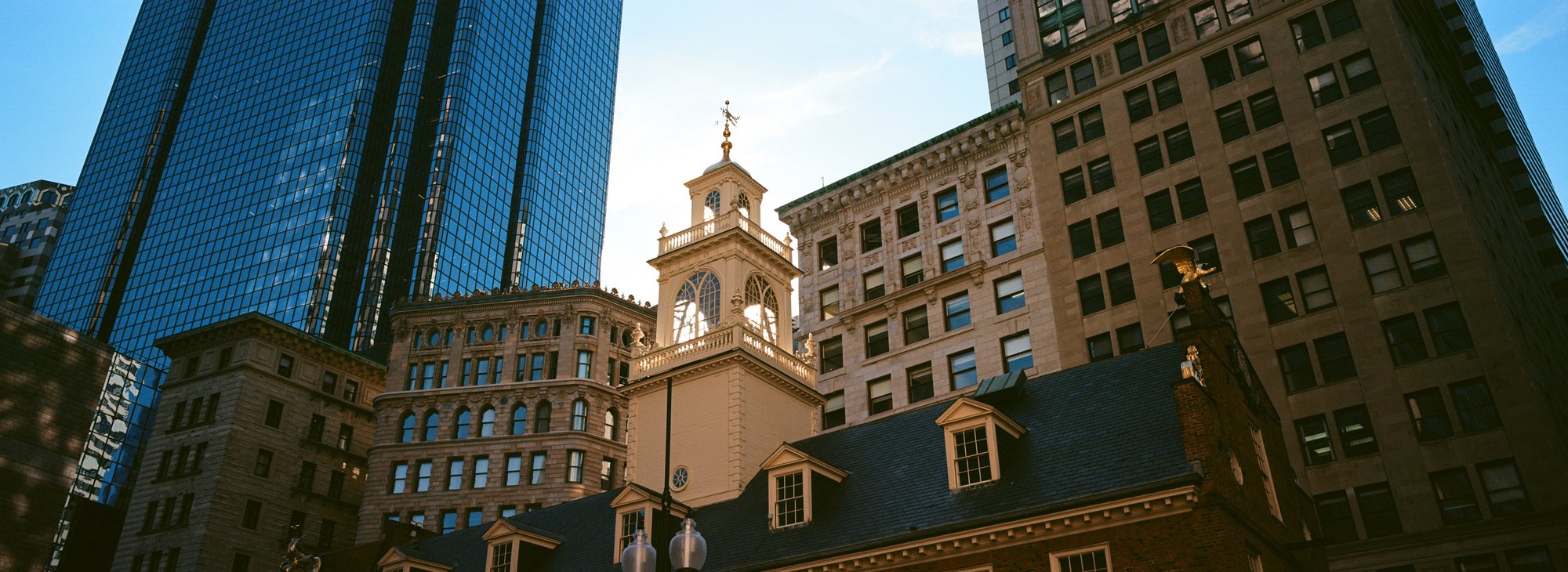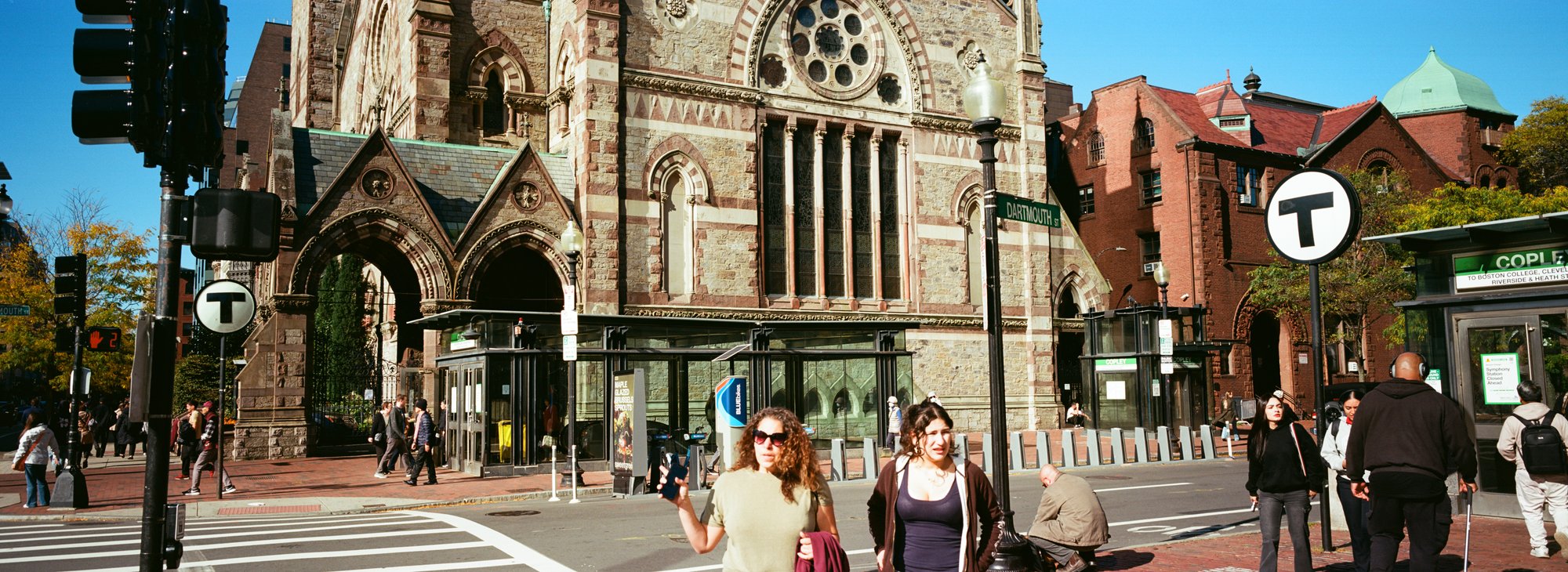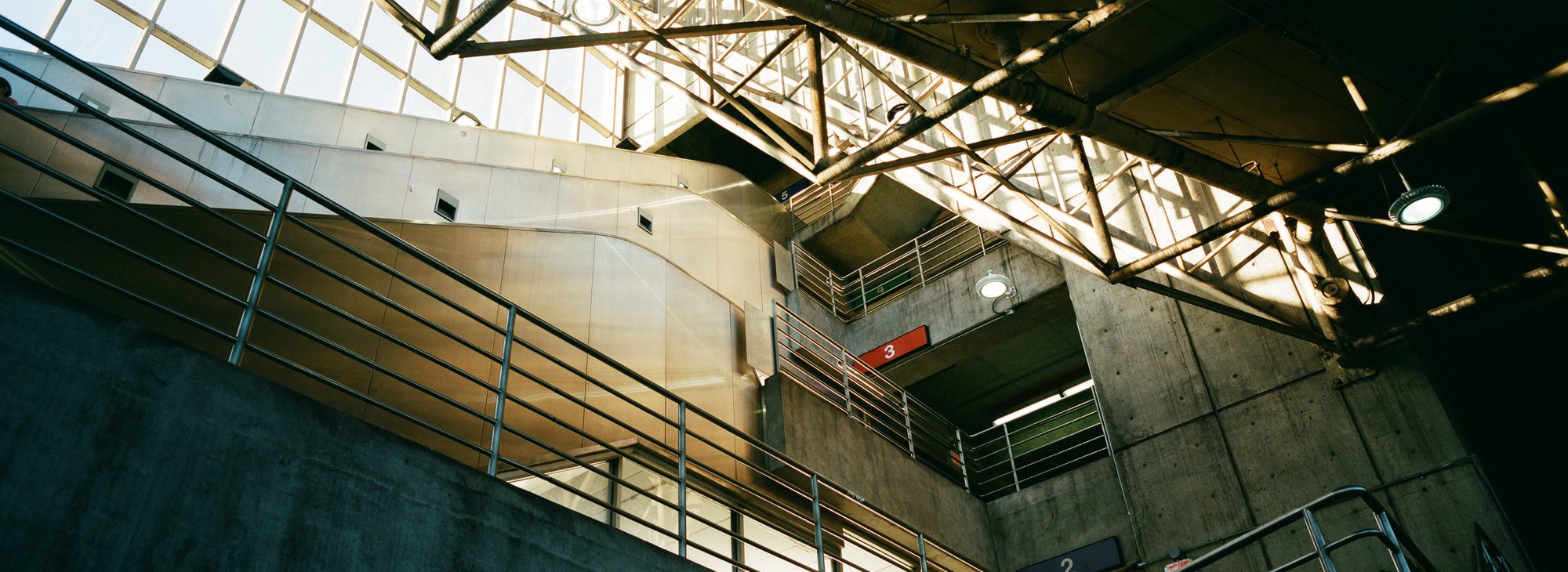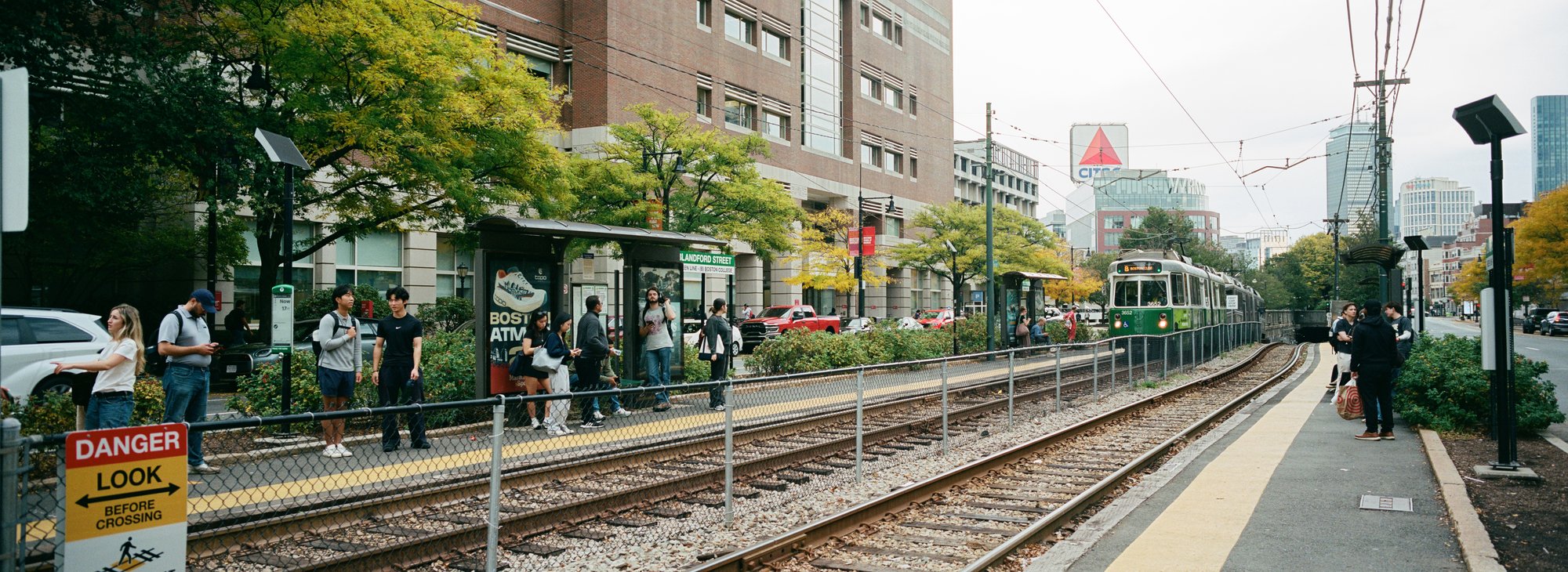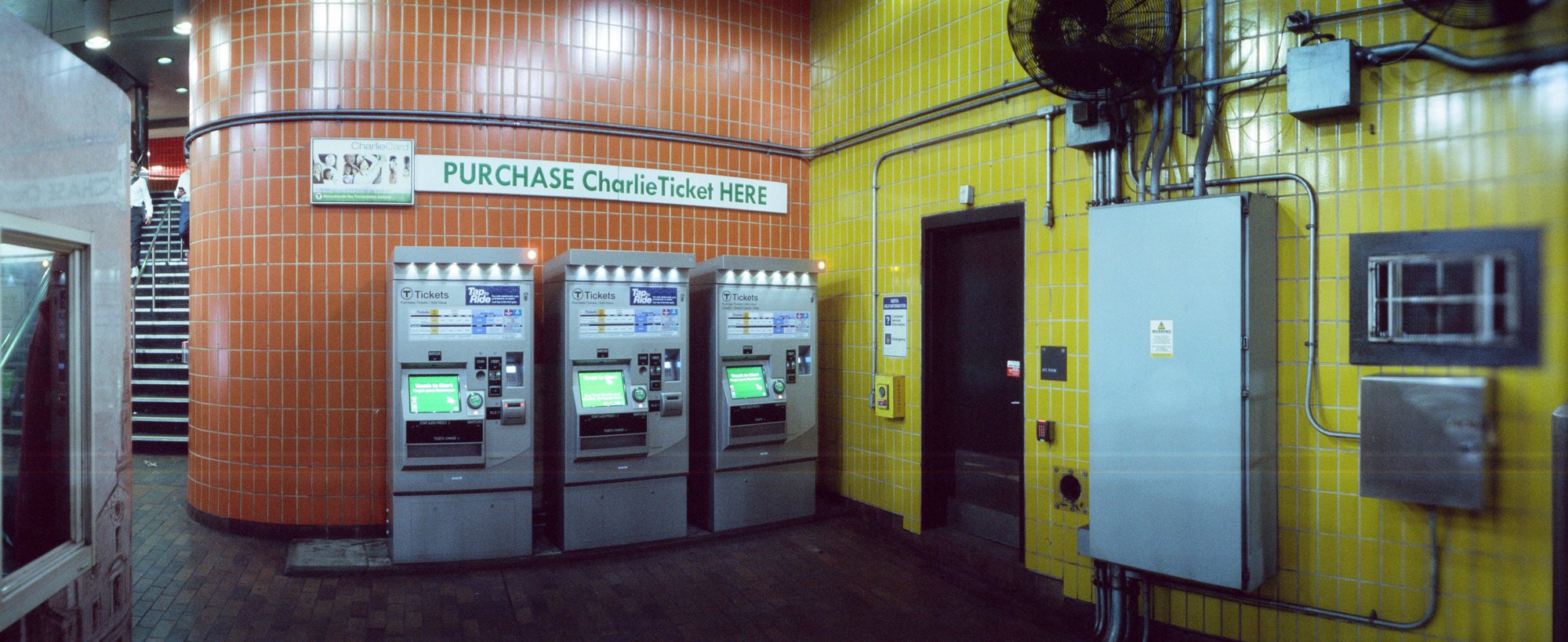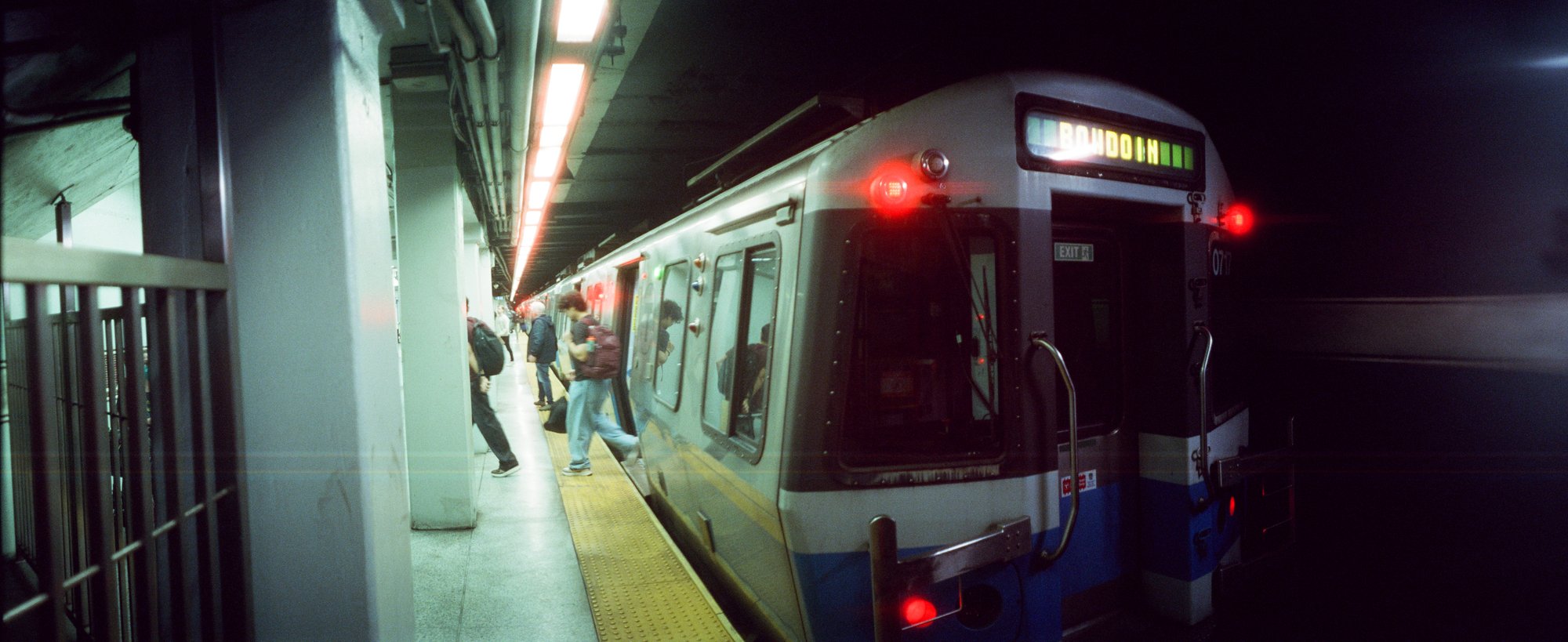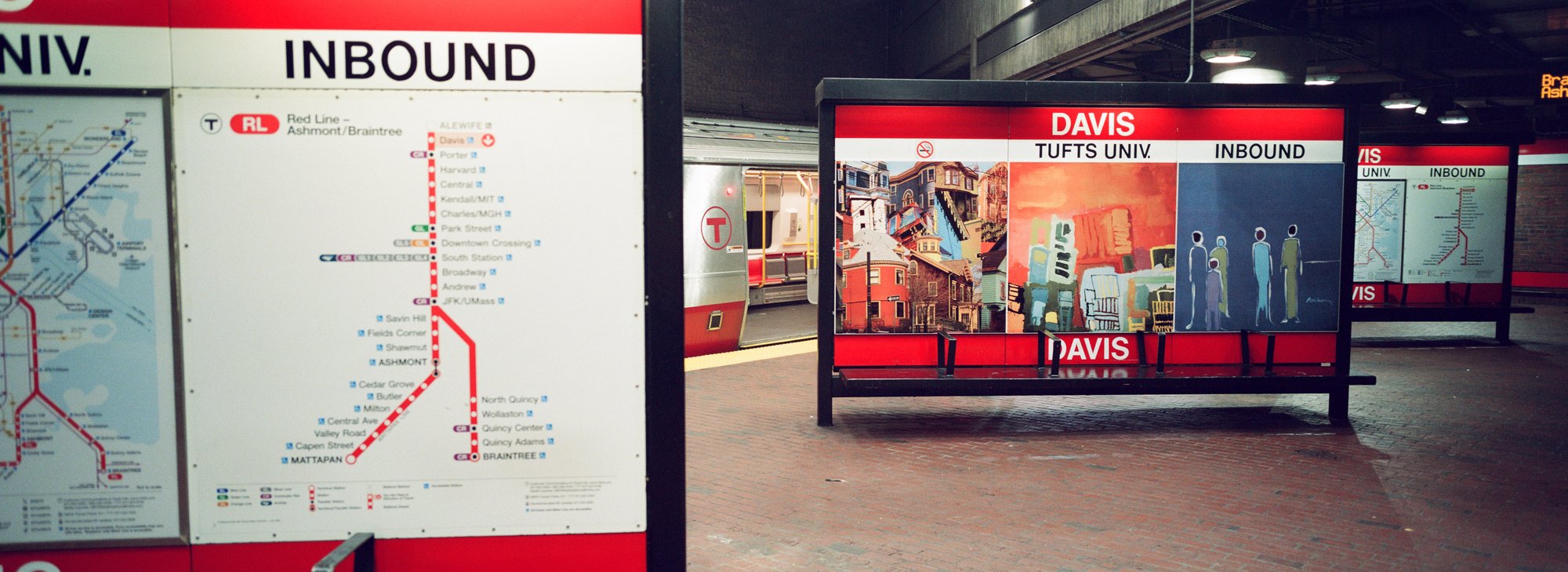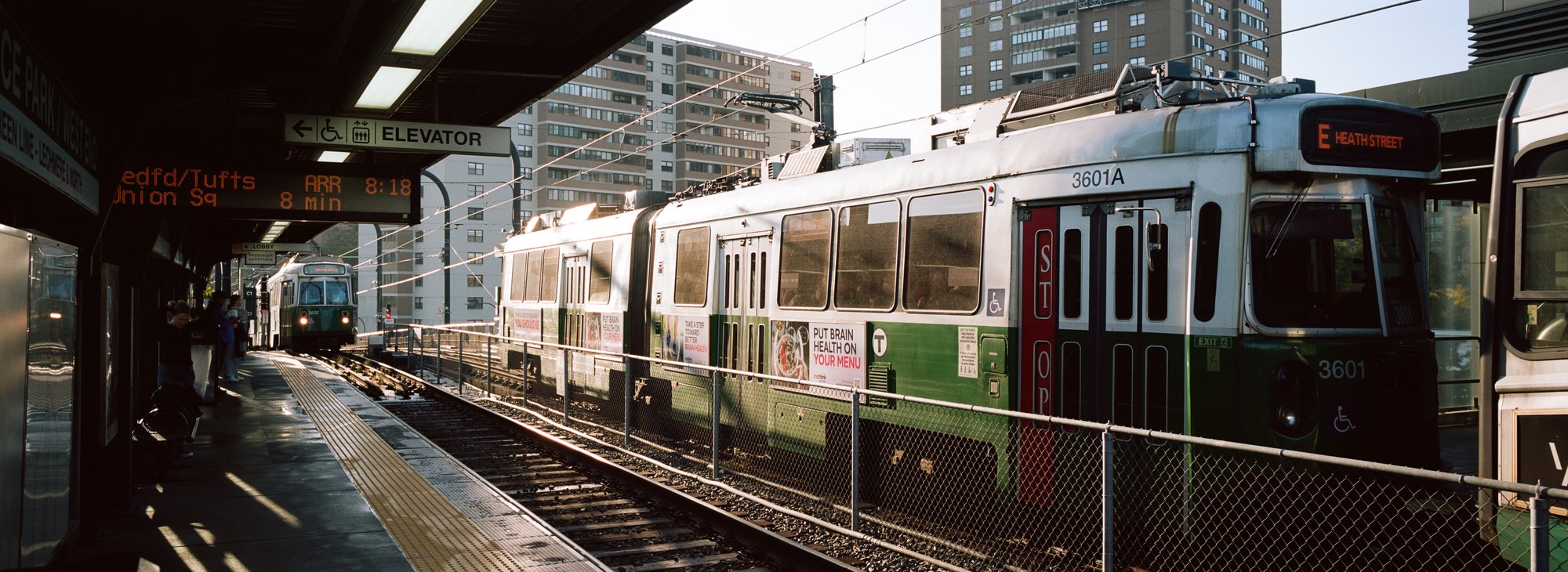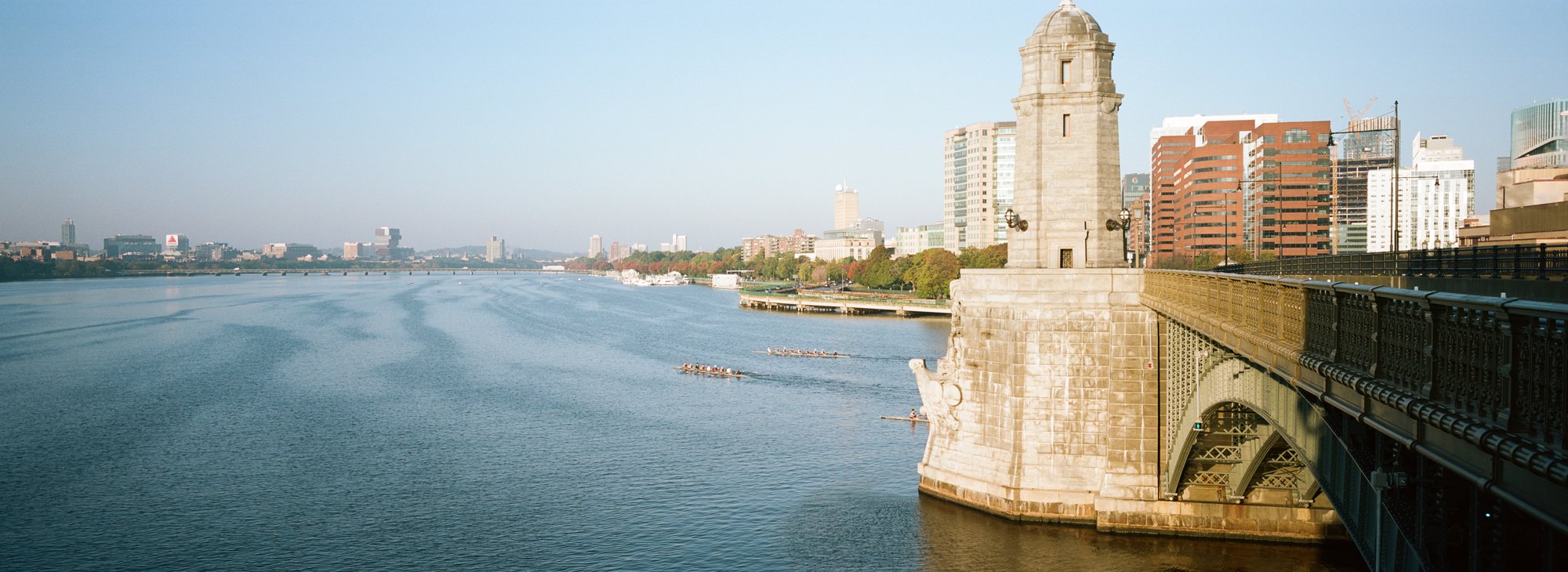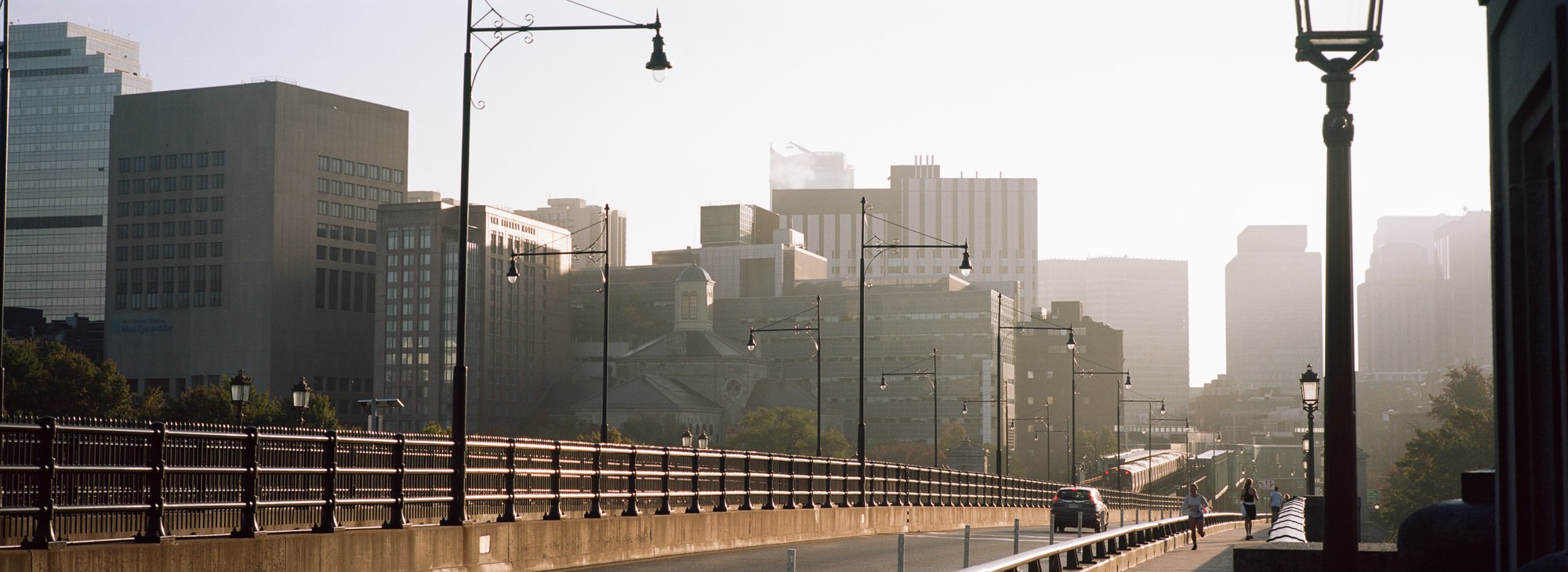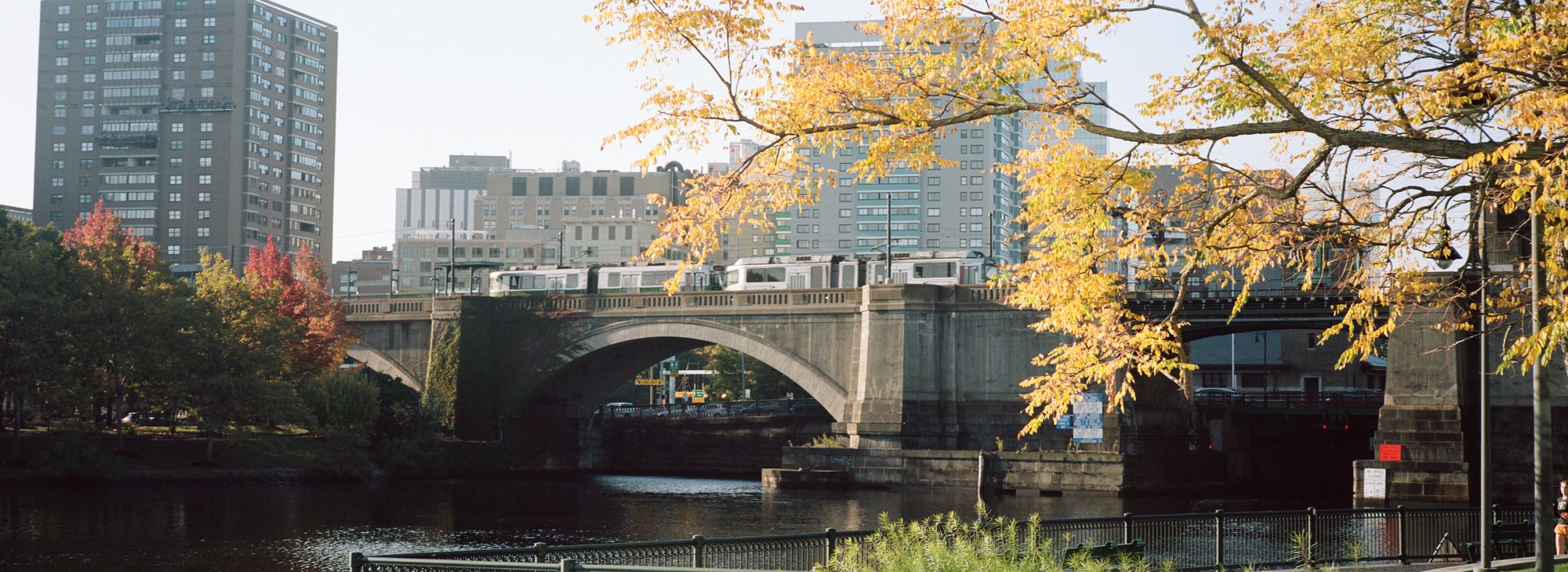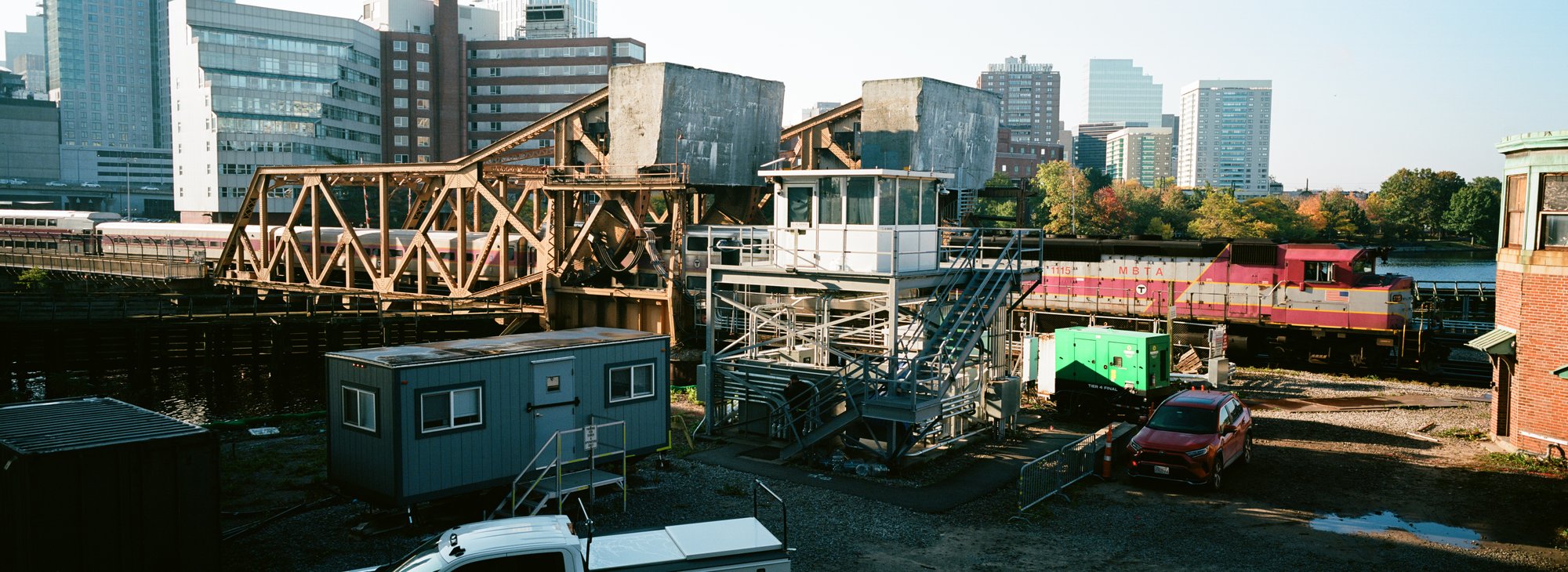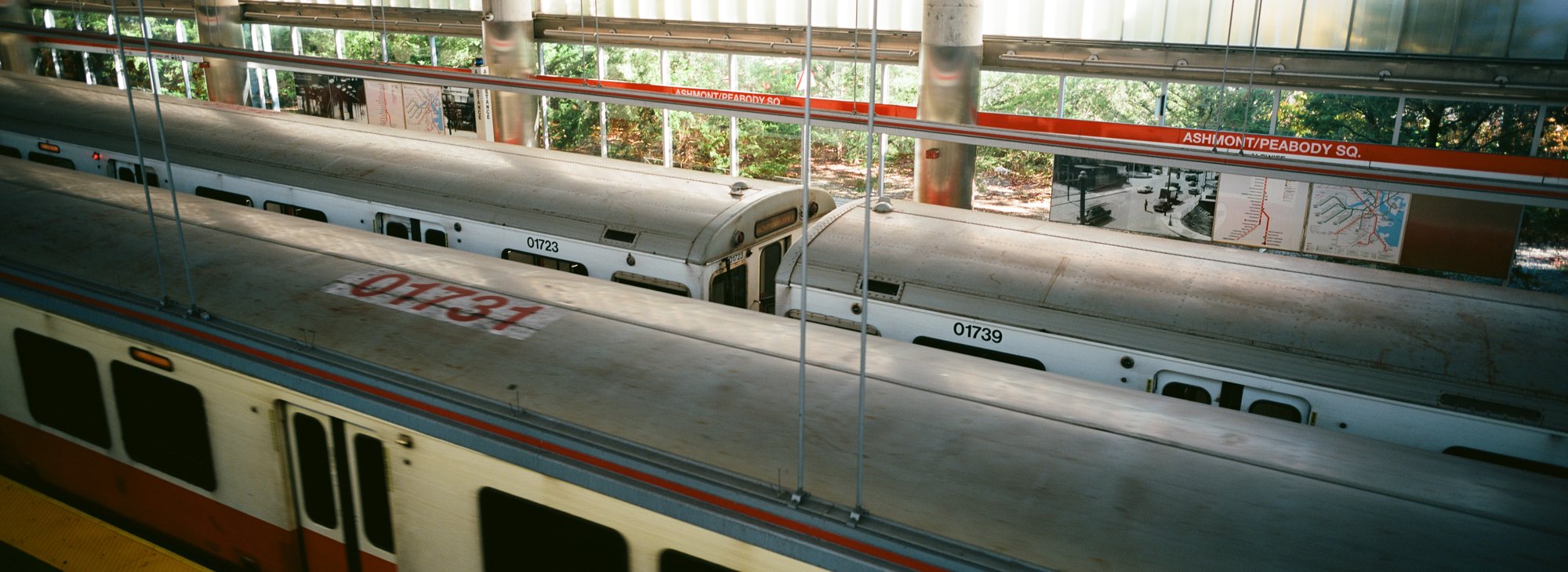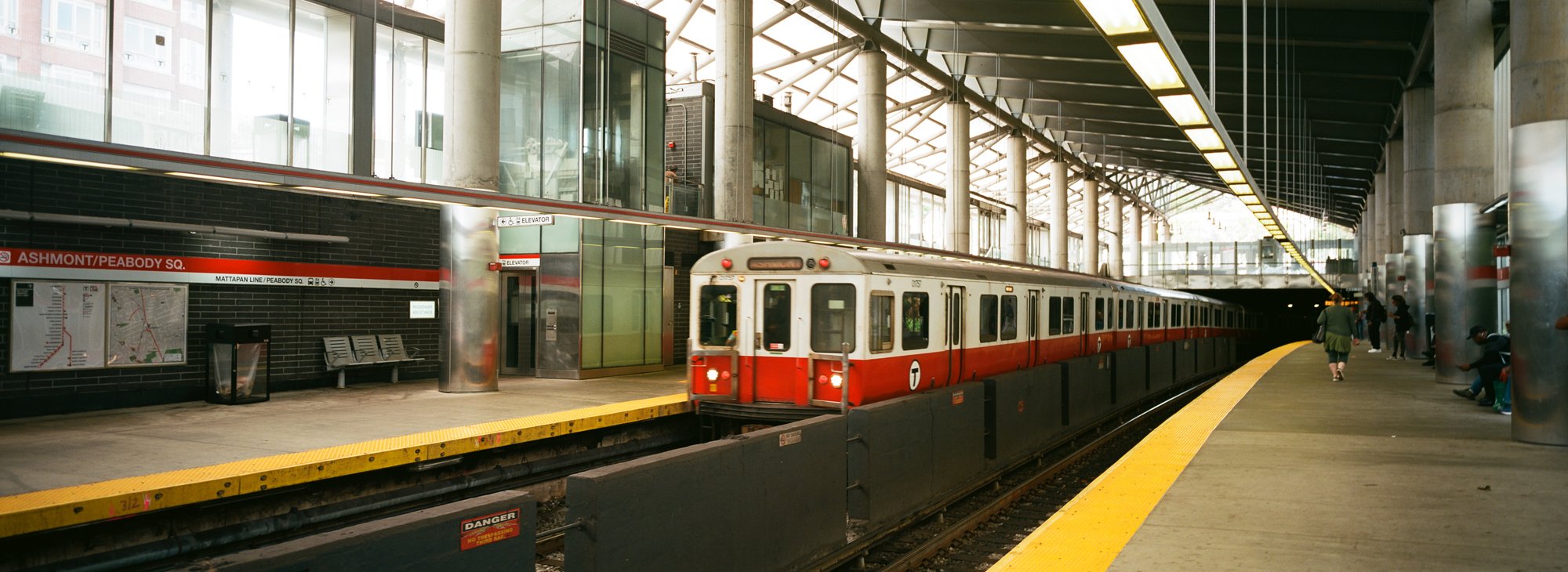
Autumn in Boston, Mass.
You don't have to go home, but you can't stay here.
Traveling too much
So far this year, I’ve been to Los Angeles in February, New York for all of May with a brief visit to Toronto in there, Denver in June, San Francisco, Vancouver, and Portland in July, back to San Francisco and New York in August, and now New York again for all of the next month. I’m fortunate to be able to do this, that I can spare the money and time to chase something I’m passionate about, even if it does feel to me as though I have no other choice but to make my art at every opportunity which presents itself. Still, the pace is frantic, and I’m sweating trying to keep up with myself.
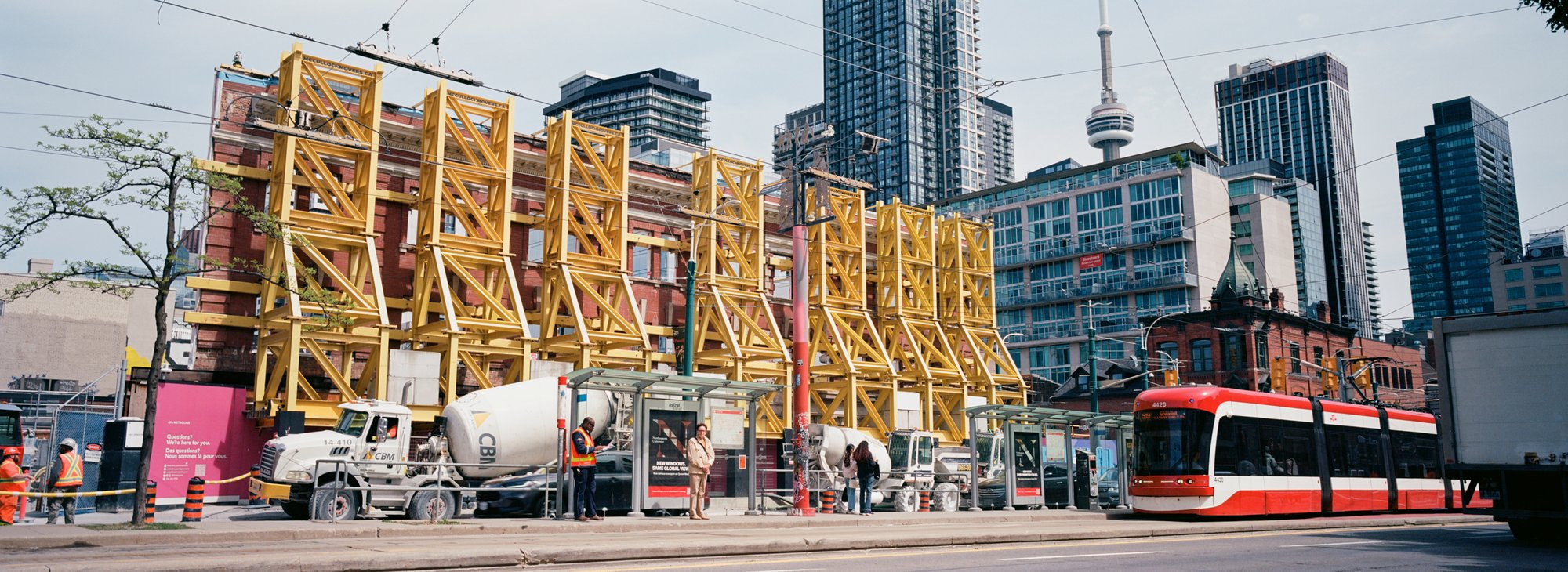
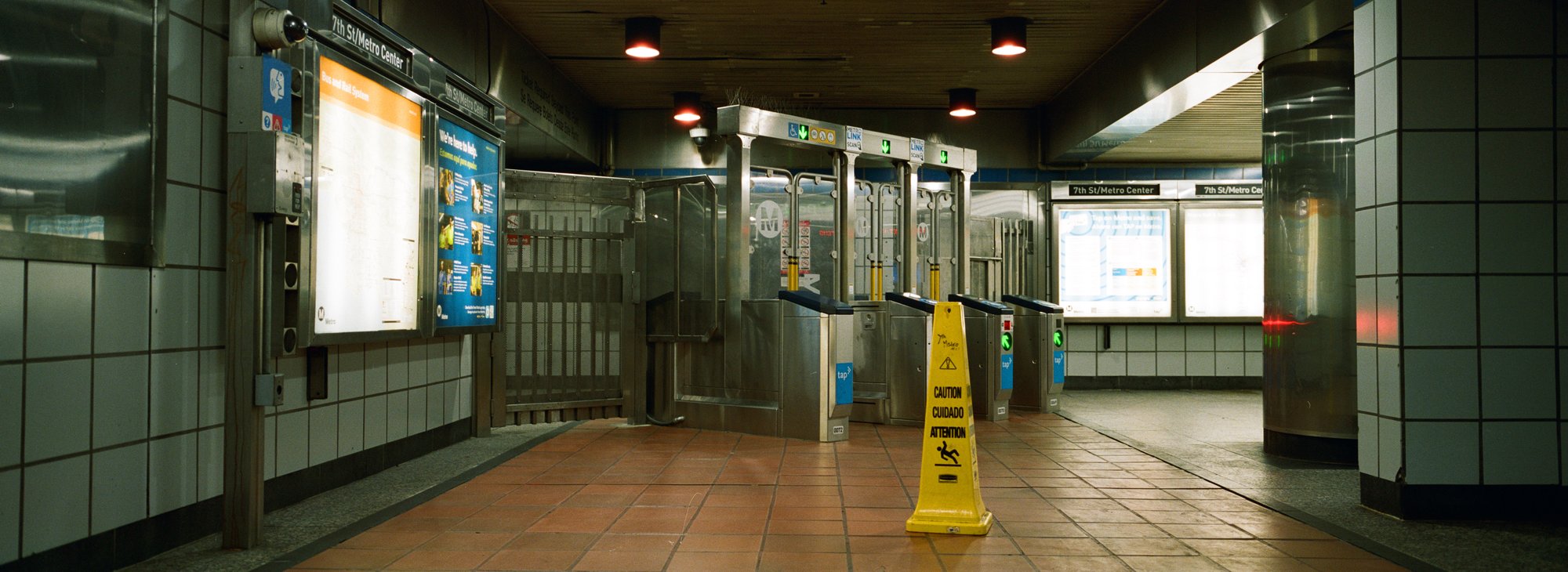
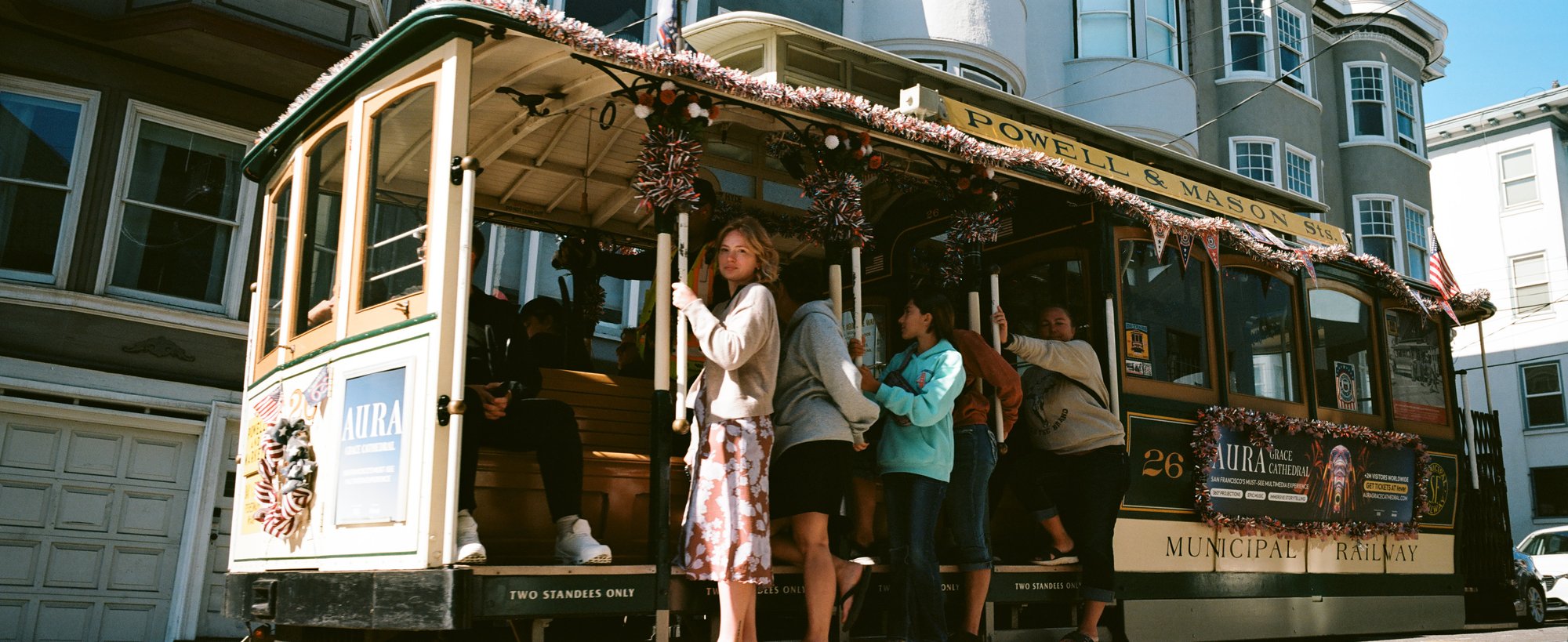
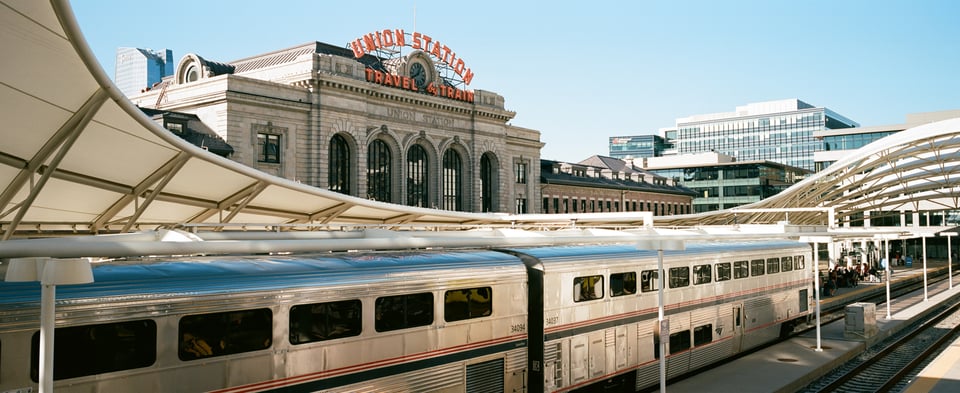
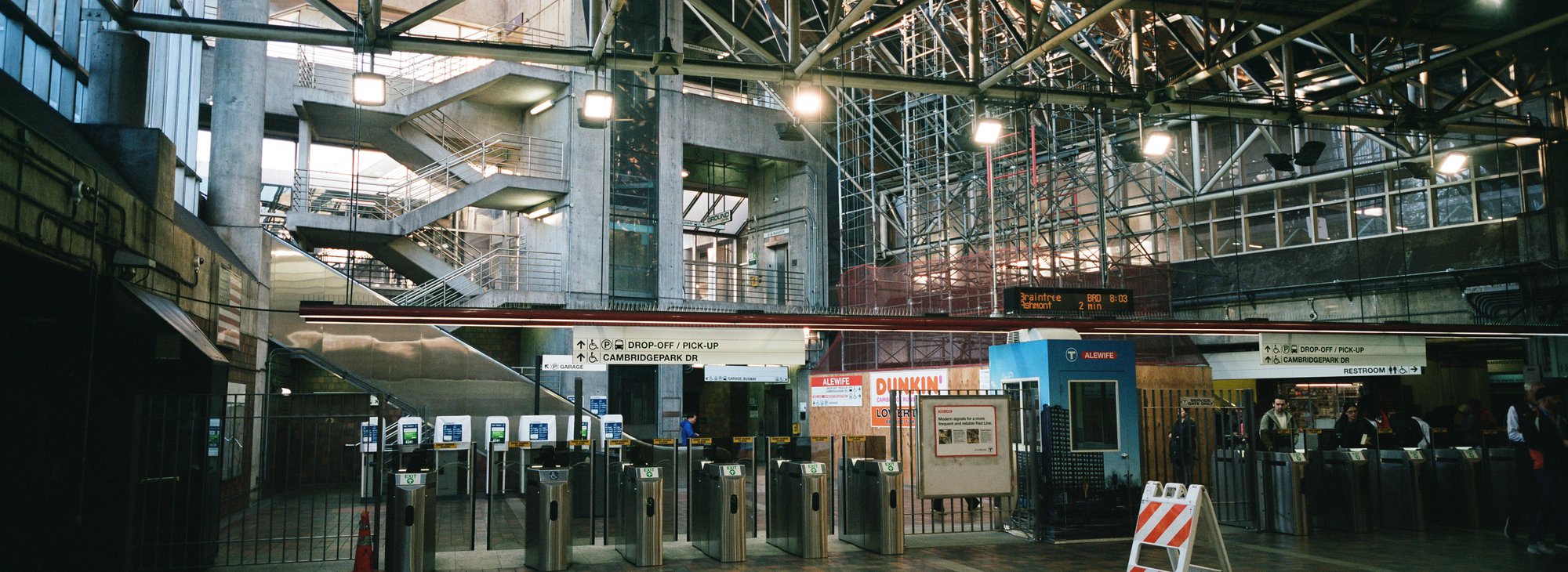
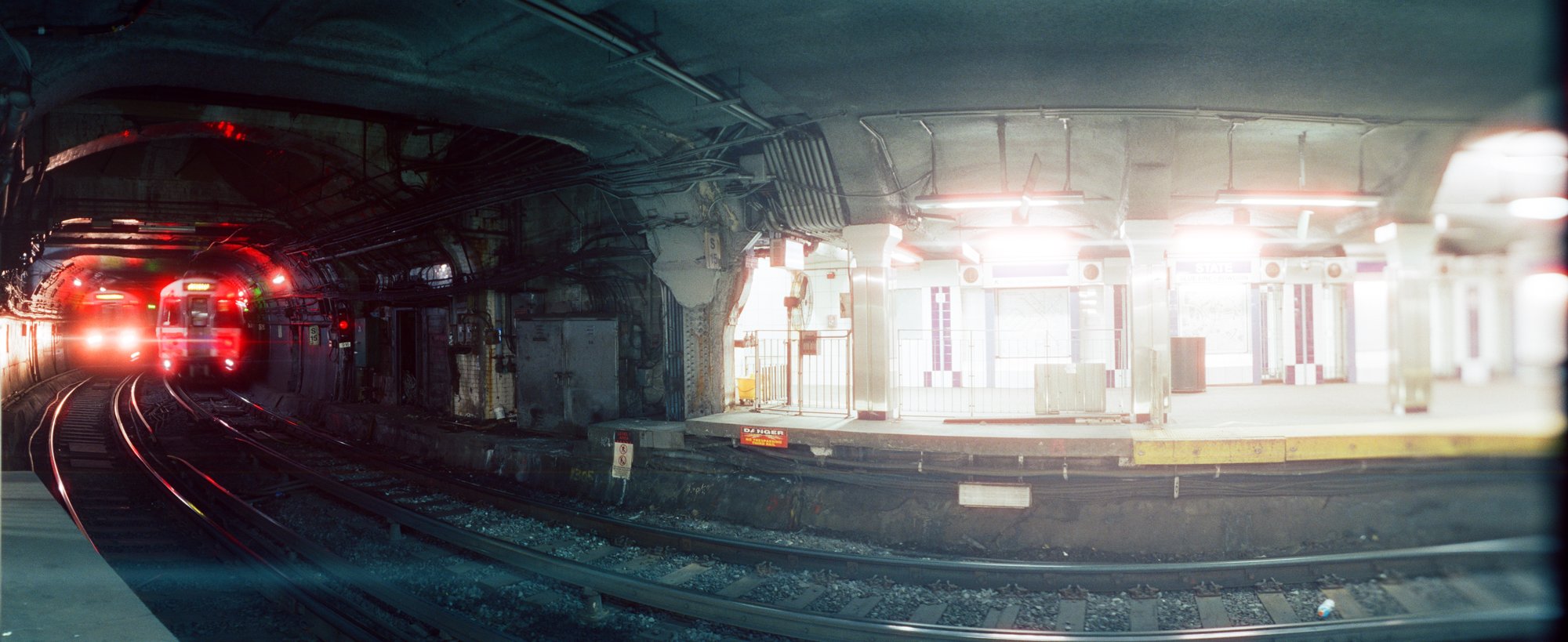
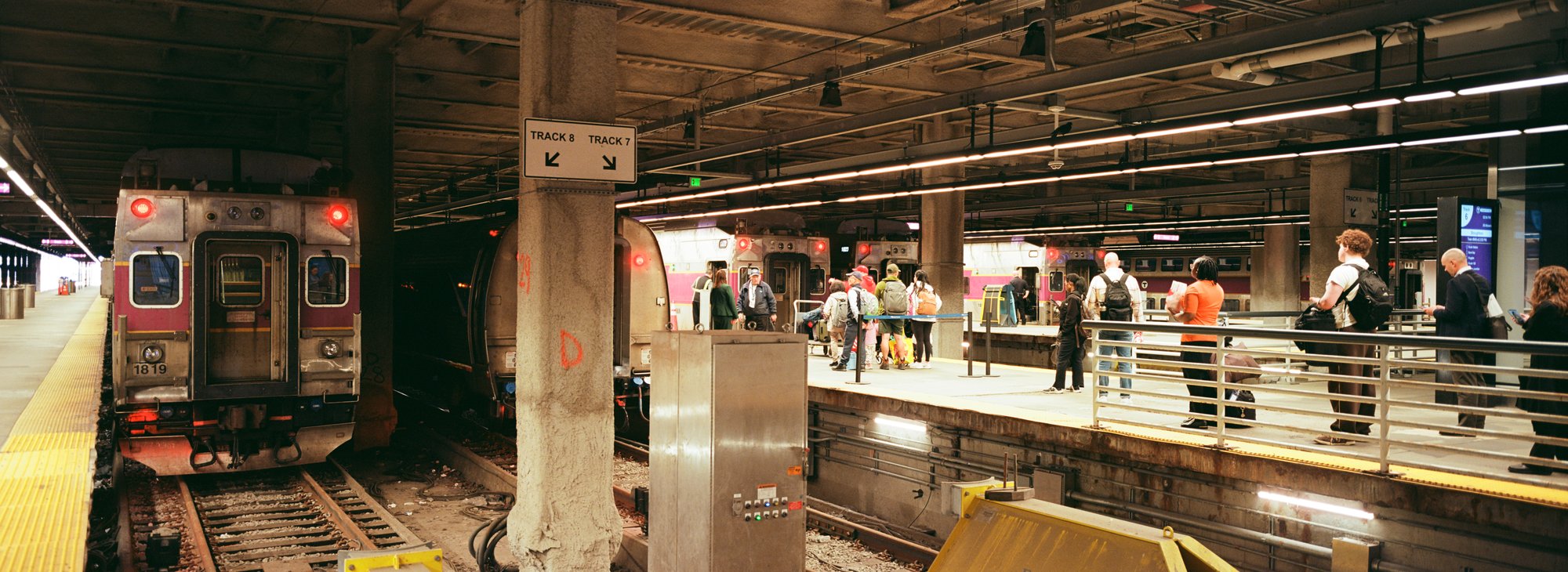
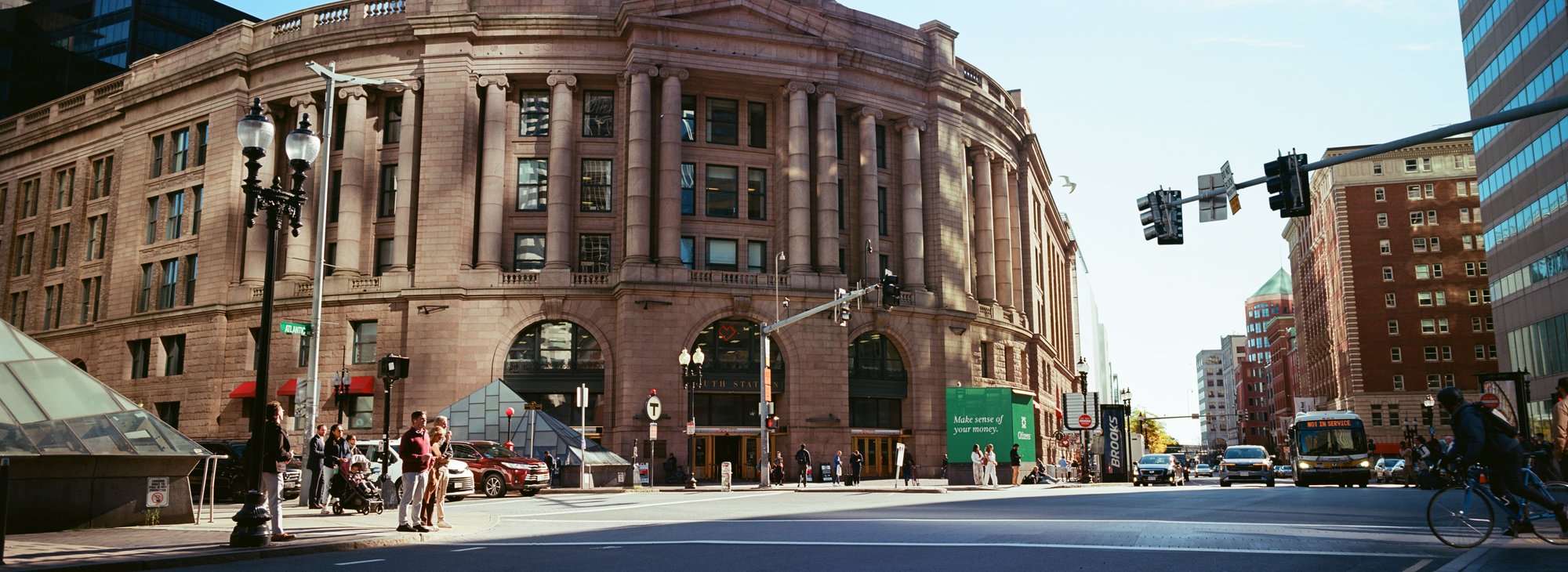
Here’s my attempt at a shot of this station much earlier, back in 2022.
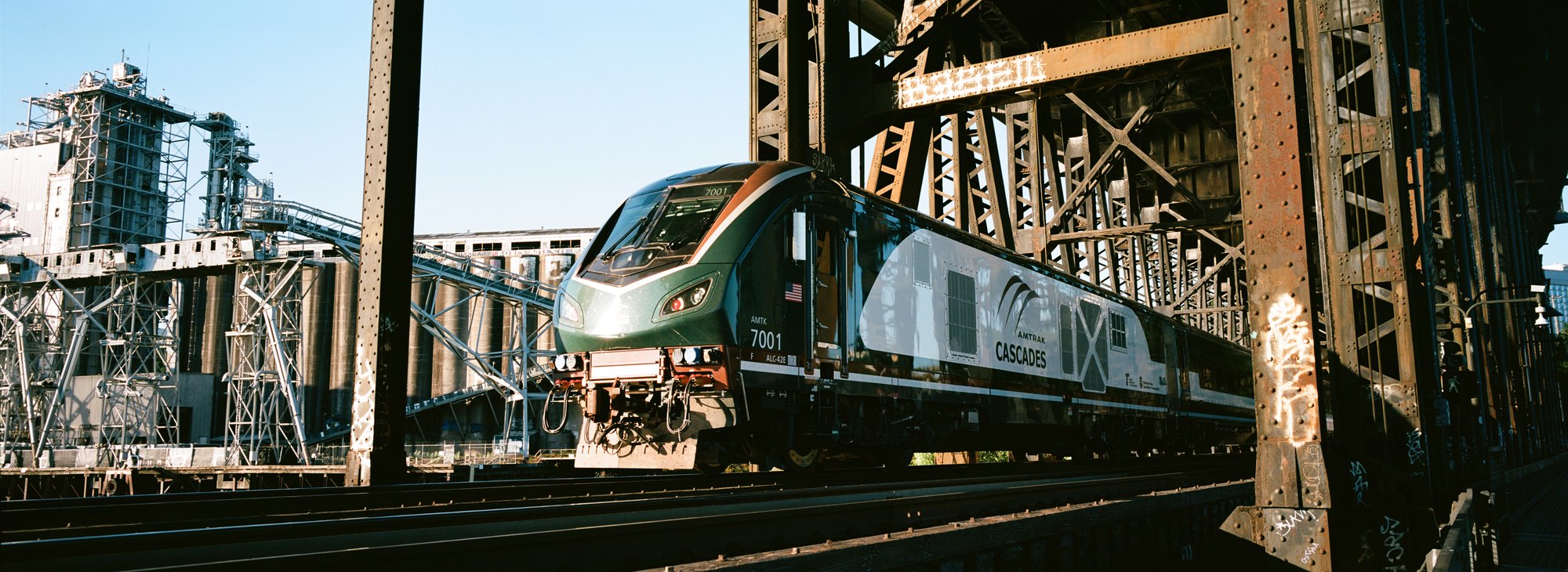
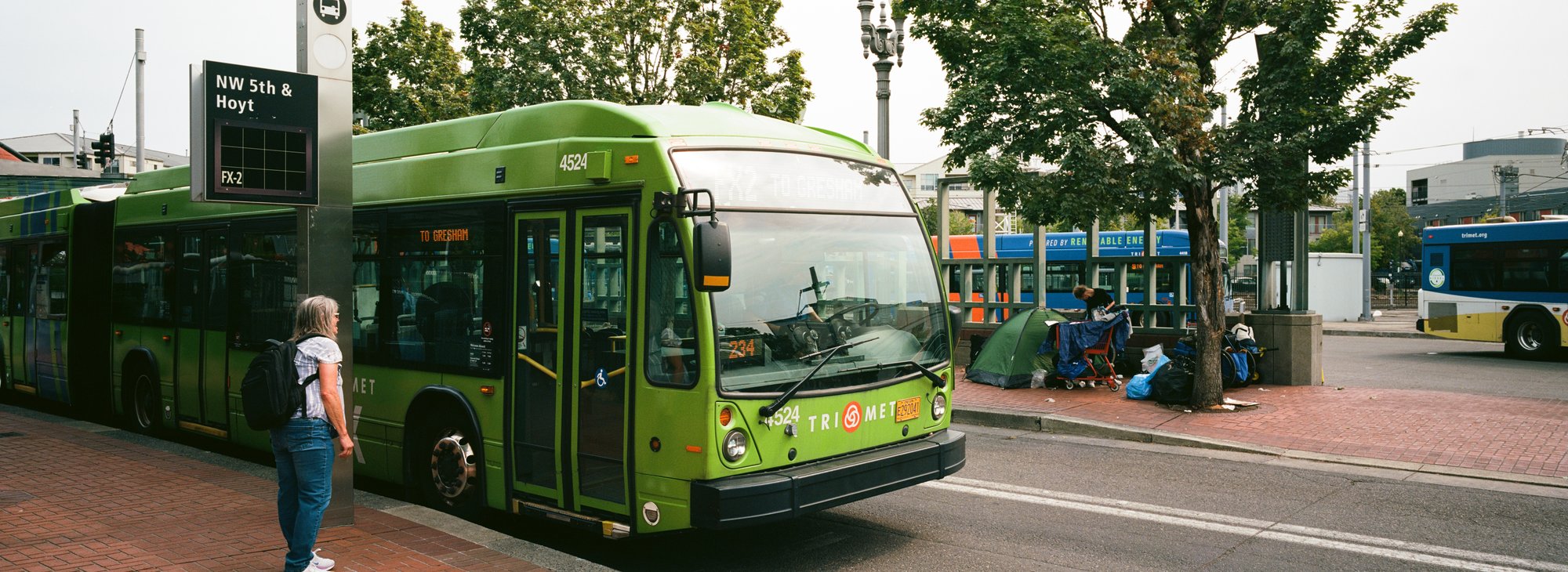
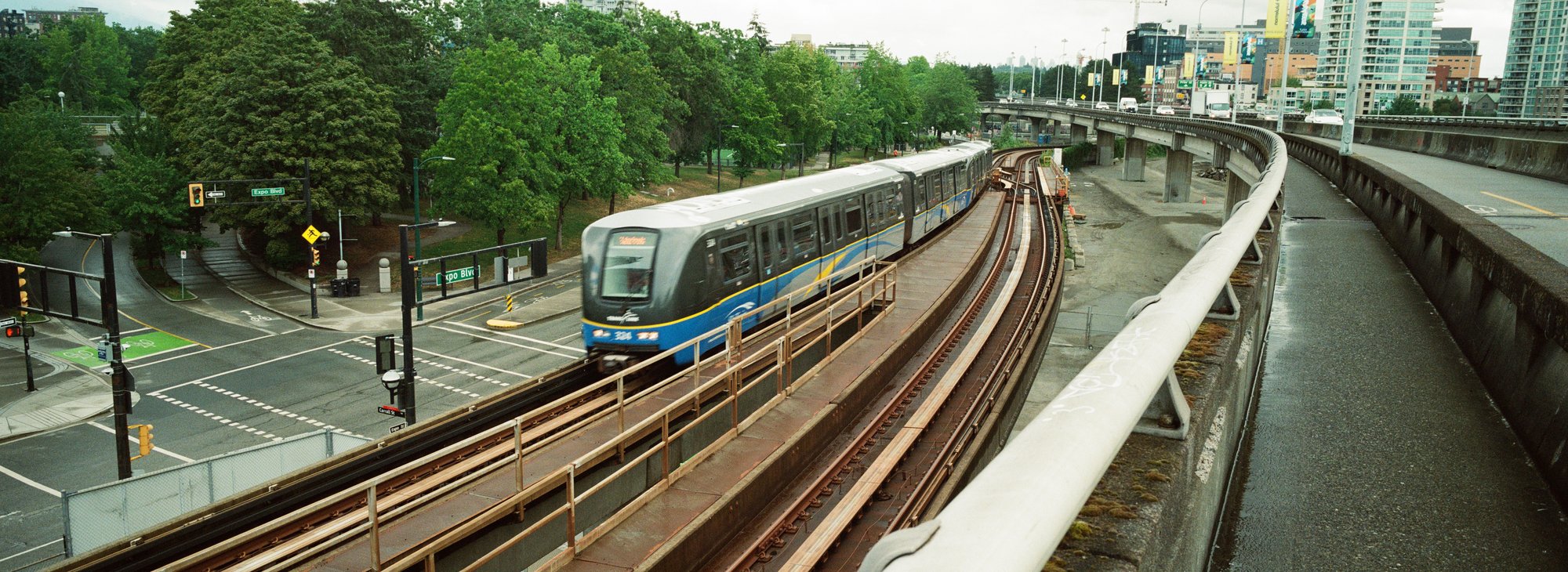
I’ve been to many of these places already, casually exploring long before I bought my XPan, and now that my skills and vision for a project are here, I can conceptualize interesting spaces and details I remember as part of a larger effort. The more I travel, the more I seem to find something in every place which reminds me of somewhere else. Rather than a lack of distinction, I see these similarities as a kind of kinship, familiar patterns to recognize in different forms. I want to capture all of these throughlines, pulling at strings until something comes together across the country, or continent. It excites me, and pushes me to execute faster, even to a degree which I cannot write newsletters fast enough to discuss all the experiences, expanding my buffer of retrospective.
Two weeks ago I went to Boston
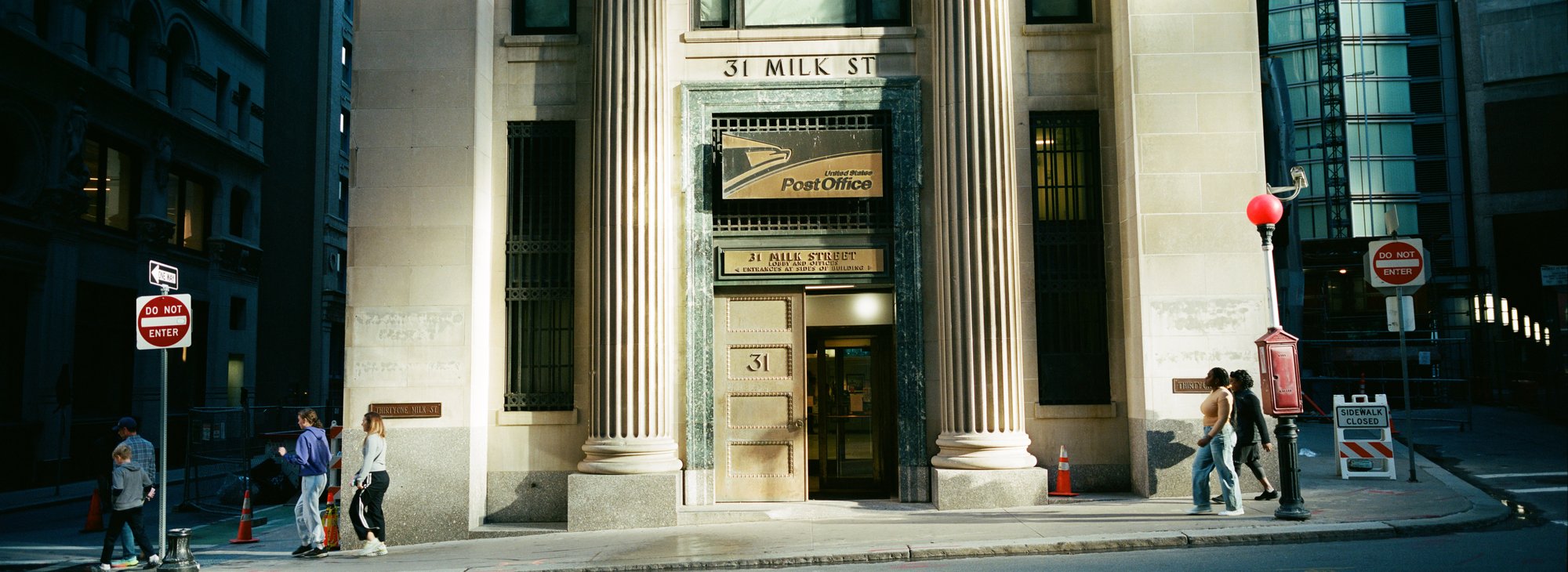
All of this travel is done out of desperation to try to make progress on my transit photography project before the ideas leave my head, or worse, I can’t take my shot anymore. There’s currently a lot of transit modernization projects around the country trying to bring an old world of machinery and turn of the 20th Century spaces into the present. I don’t mean to align myself with those “health and safety gone mad” weirdo fascists, but I do very strongly feel that some of these efforts, however well-meaning, remove some element of charm from the world. It was with this in mind that I went to Boston.
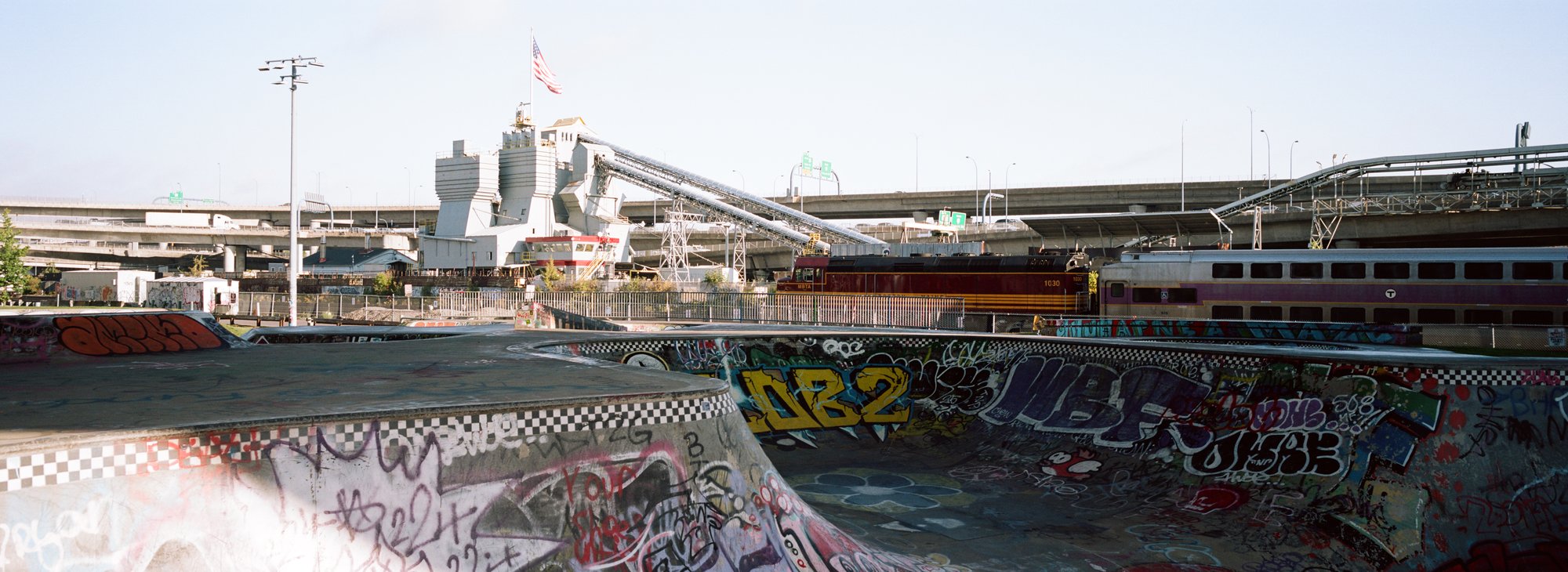
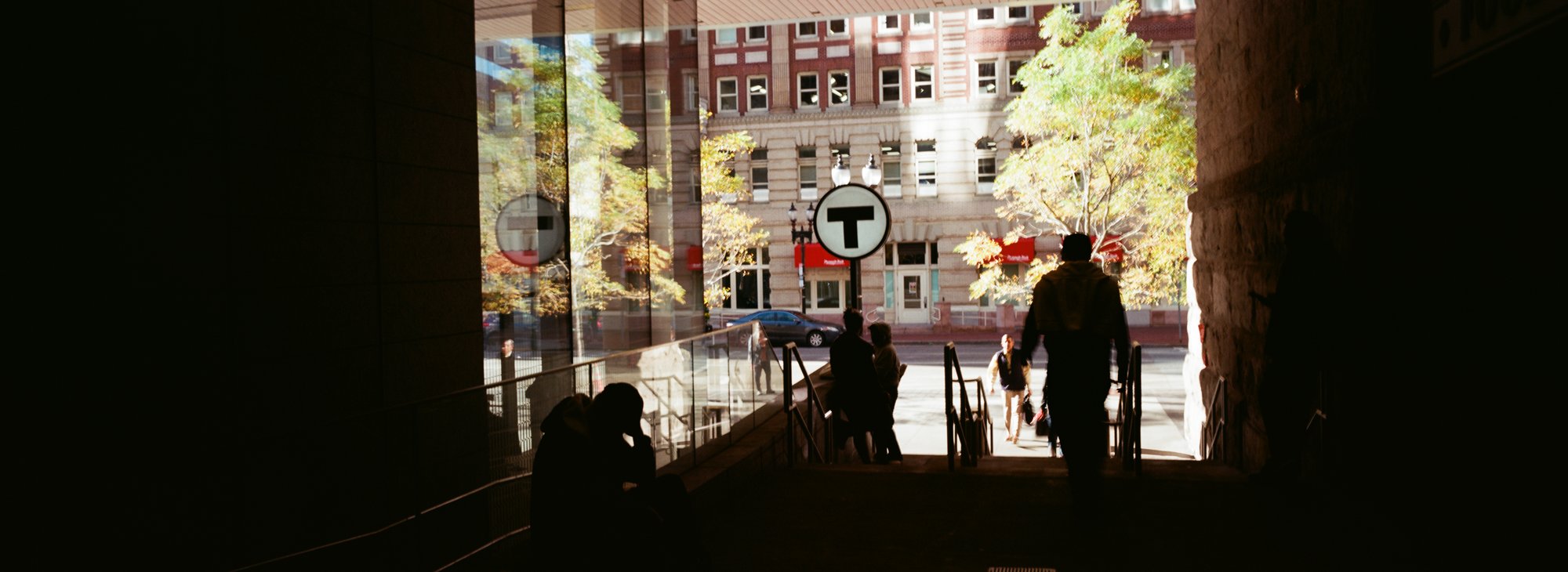
The MBTA is famously kind of a relic, a haphazard operation and maintenance nightmare resulting from being first constructed well over a century ago, currently fighting very hard to bring itself up-to-date. I found a distinct beauty to the system, and I wanted to capture it before it changed from what I remembered.
I’d last visited some time in 2021 or 2022, putting on my elastomeric respirator and arguing with flight attendants about COVID safety. Even back then, having never been to New York, and living in North Carolina, I found Boston to be a very quaint town. It felt from the very beginning like a finite space, fully explorable if I gave it enough time. Like a map in a video game, it felt as though it was pretending to be bigger than it really was, as if the streets were specifically skewed to prevent me from walking fast enough to hit a loading screen or fall off the edge of the world.
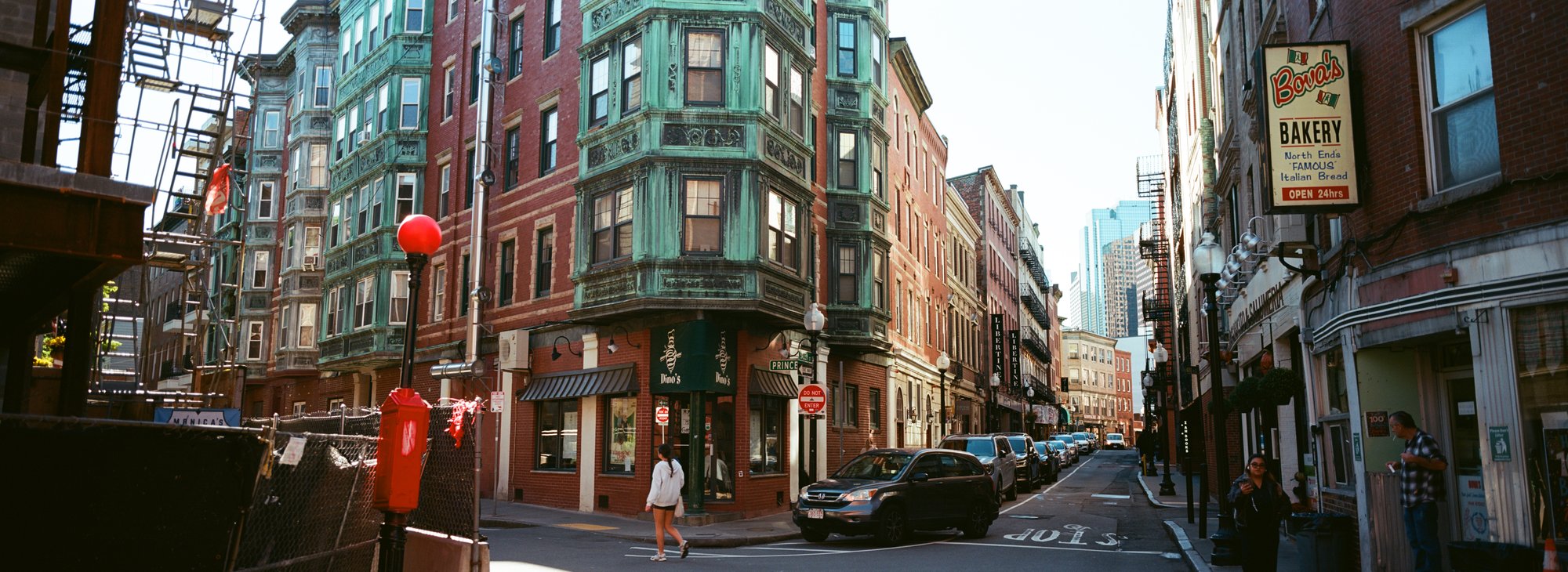
At the time, there were a few girls I knew up there. I first stayed with my friend Liz. She’d spent much of her life there and was deeply romantic about the place, even if it was filled with depressing memories around every corner, keeping her from ever leaving her apartment. I’d eventually start seeing a girl there, flying up every few months to stay with her in a suburban apartment on the other side of the city. I no longer talk to her, but she was nice enough to introduce me to my now-girlfriend Charlotte. These girls had their own cast of friends who I’d drop in on a handful of times, and then I was cast back down south, doomed to talking to them on Discord and wondering what they were up to. It turned out, not much. Every single one of them had moved to Seattle by 2023.
Sarah is from Connecticut. She had originally planned to come with me on this trip, to show me places that were important to her a long time ago. But it turned out that her own history with those places was too much, and she couldn’t come. Off I went anyway, alone.
Wandering
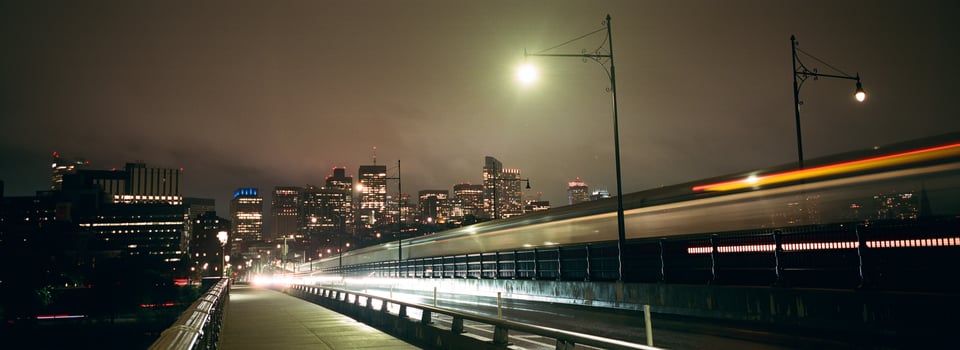
Some time recently I rediscovered this phrase.
“You can go to the past but no one will be there.”
It’s a popular refrain amongst twitter nostalgia-farm accounts posting photos of blinds catching dust hanging in the air and N64 title screens on CRT TVs glowing in dark rooms. I had a lot of time to think about it as I was in Boston. However cliché, it stuck in my head as I wandered familiar streets all by myself.
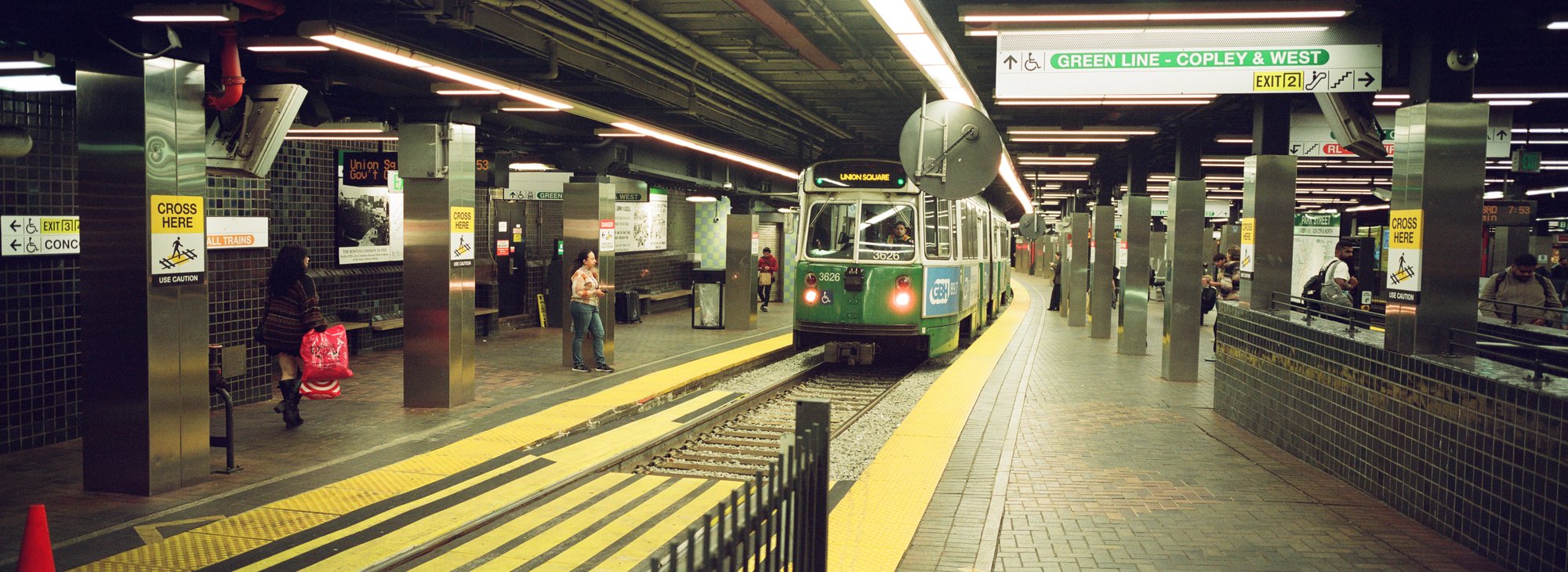
Boston is a place which once held a lot of interest for me. The first time I walked into Park Street station, my mouth hit the floor with how excited I was to find four tracks of trolley interchange stacked atop a subway line. It felt surreal, a little fantasy world. How did this ever get built, and how did it still exist? Each track had a level crossing for pedestrians, and you were trusted to walk across these tracks to any platform, a strange by-product of the station’s age that was unaddressed. I was as happy as could be that day, looking both ways and walking right across the tracks as the trolleys rang their little bells. Here, nothing stood in my way, and I could be as close to these machines as I wanted, peeking down to look at their wheels and couplers before they took off with passengers.
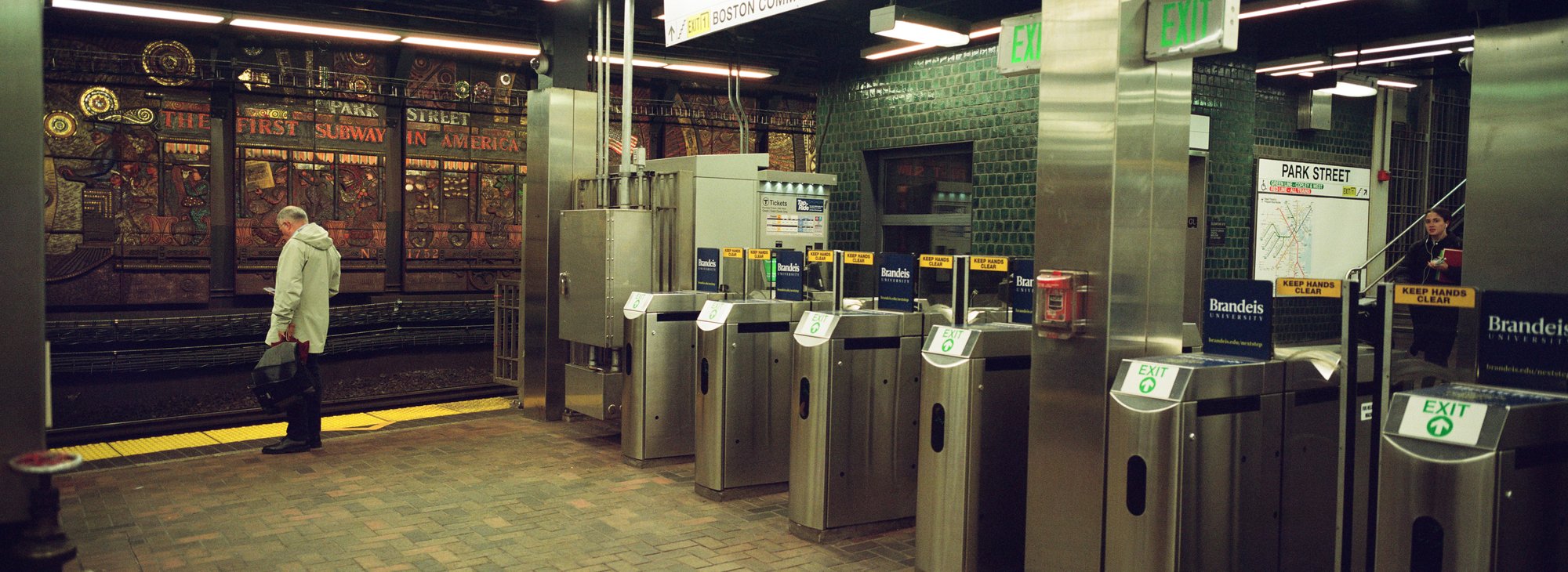
On this visit, everyone I’d known from back then had left, and it felt hollow. A friend of mine, Philo, who had moved there in the time since I’d last visited wasn’t available. My friend Ricky, who I’d first met there, was traveling for work and lived far away anyway. Charlotte, who at the time felt enigmatic and coupled to Boston, was thousands of miles away from the street corners I could still picture her on. No one was here to sit with me in the Boston Common and gossip.1 Instead of a haunted place, I found a tiny city where I felt like a giant.
When I started my transit project in San Francisco, Boston was one of the first places which occurred to me as worth revisiting with my new focus, equipment, and skills. Those trolleys I’d seen in Park Street felt so operationally similar to MUNI, and for a long time both transit agencies shared the same rolling stock. I wanted to capture the similar equipment in two contrasting environments, the 60s tunnels and harsh platforms of SF, and the way that Park Street’s 1897 design intermixed humans so densely with all of the machines trundling along. I thought it could make a great photo, people crossing everywhere, trains running beside.
When I got there, some amount of misremembering the station layout and some amount of MBTA accessibility upgrades had forced pedestrians into a designated crossing, and the photo I wanted to anchor my trip didn’t exist. This is a good thing, these improvements help people access much-needed transit, and keep them safe while doing so, but still, I was sad, but I’d come a long way, so I kept on shooting.
Luckily, there was something I wanted to photograph even more desperately, a sign which existed when I visited four years before, and I was praying was still there, an old advertisement for the MBTA commuter pass program from the 70s. I’d used a hastily taken iPhone photo of it as my banner back when twitter was still a thing.
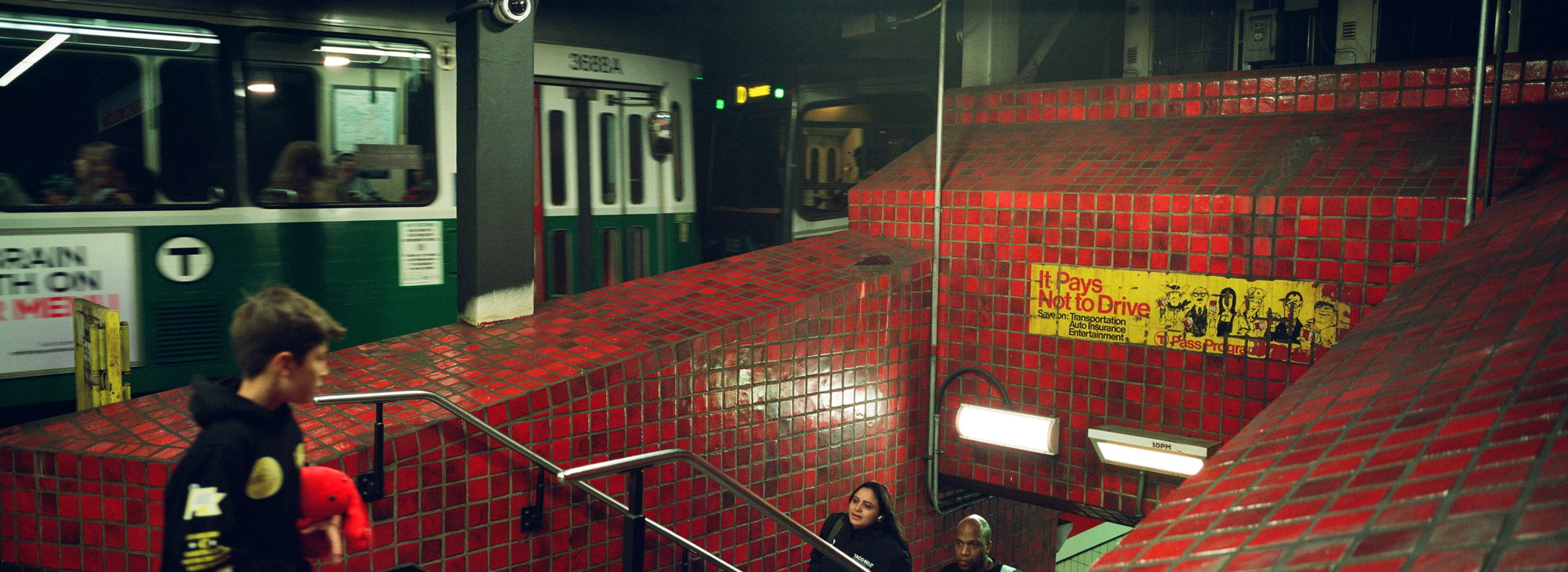
I was relieved when I turned the corner and saw it was still there. I become very attached to little things like this. It seems so easy for someone well-meaning to say “that sign is old and scratched, let’s clean it off.” This is my worst nightmare. I have something of an affinity for dingy transit stations, something about them just really touches me. I vastly prefer visually interesting to sterile easy-to-clean hard plastic and steel surfaces with LED lighting, but of course I do, I’m a photographer, and the disused hunk of metal or something gross has attracted a lens for as long as the medium has existed.
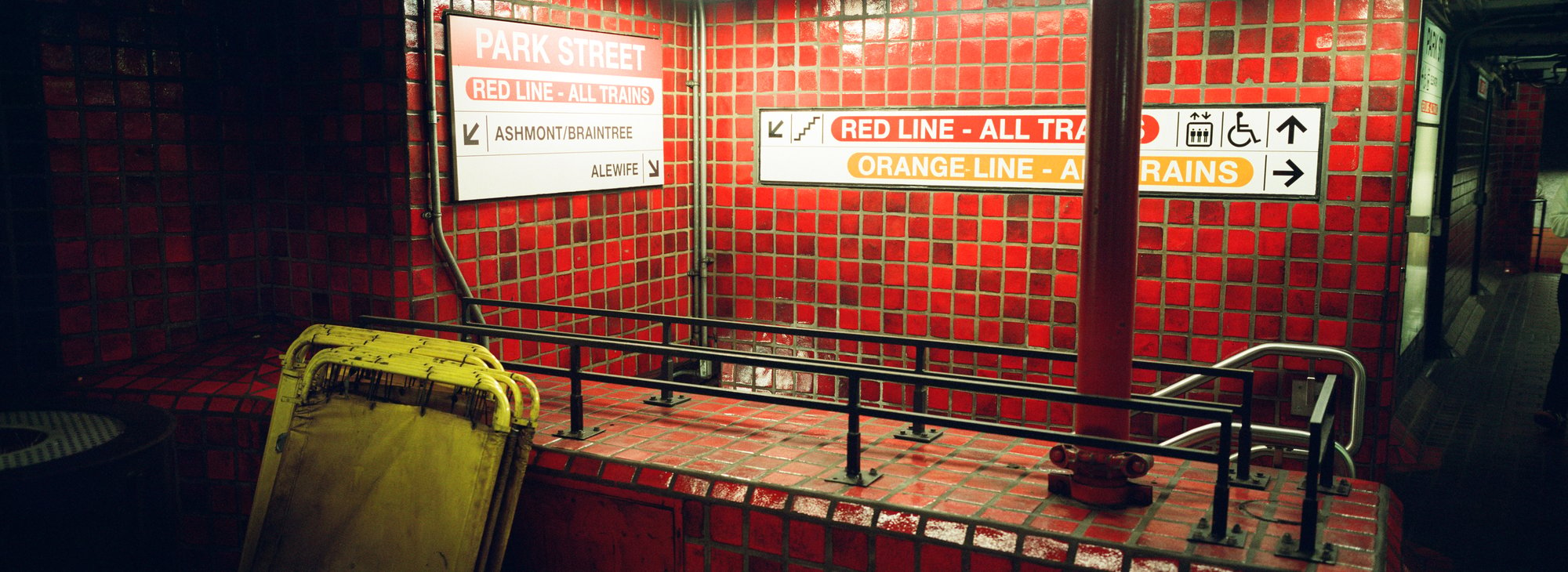
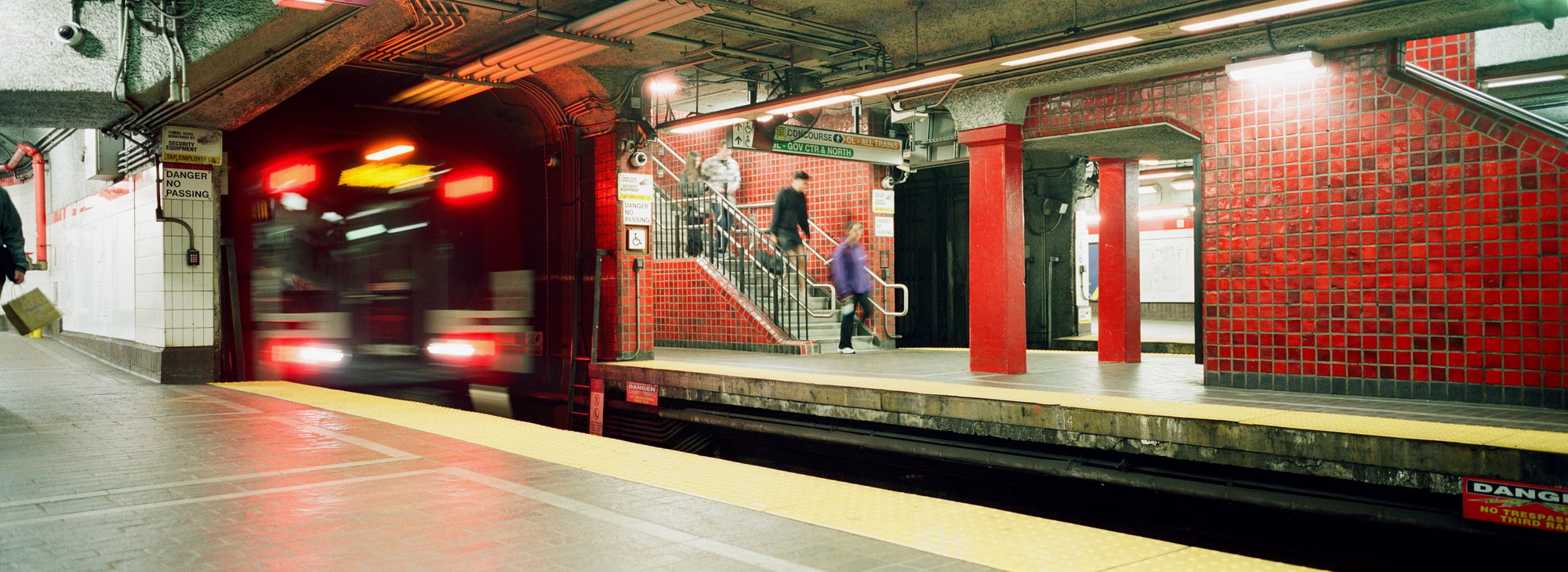
One thing which still fascinates me is the rare center and island platform arrangement for the Red Line at Park Street. I certainly don’t know of anywhere else in the country where doors open on both sides of a train, except for places which use the platforms as a kind of fare control, exiting passengers on one side, and boarding from the other afterwards, as the Seattle Monorail does.
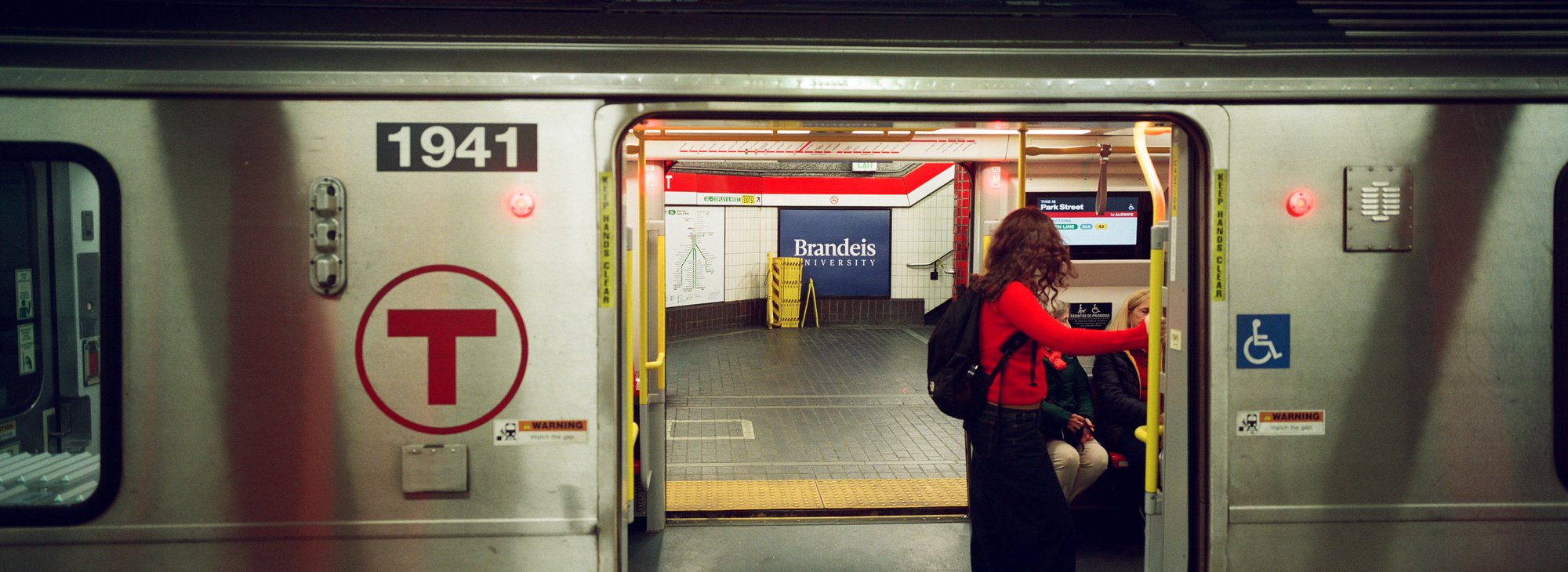
Anyway, off I went, riding trains to my heart’s content, feeling like the biggest thing in Boston, as though nothing could hurt me. I just about finished the list of shots in my head by the end of my three days there.
Whenever I leave a place I’m visiting specifically to photograph, I’m always left with a nagging feeling that a few more days wouldn’t be wasted, and I could re-attempt one shot which felt odd when I took it, or capture something I was on the fence about. Boston was no exception to this, but all I’d need was one day. New York feels like an endless project, always adding more items to my list faster than I can shoot, but I’m very pleased with what I got to see in Boston.
Please enjoy, especially if you haven’t been back in a while. Don’t beat yourself up about it, it’s really fine.