
🌸 Did you miss us? The Turing Way's 2025 in Review
Explore The Turing Way Book and connect with us via our start page.
As we settle into the rhythm of 2026, we’re taking a moment this March to look back at the incredible journey we shared over the past year. 2025 was a year of profound transformation for The Turing Way, marked by a move toward full community independence and a massive expansion of our global footprint.
Join us for a "Year in Impact" review as we celebrate the milestones, the data, and the people who made 2025 our most significant year yet!
As always, we extend our heartfelt gratitude to each of you for your contributions to the significant achievements and growth of The Turing Way. Your unwavering support has been instrumental in shaping our community and disseminating data science best practices through The Turing Way handbook. We sincerely appreciate your efforts and look forward to seeing you again in 2025 after yet another eventful year together!

2025 Monthly Highlights
January: We kicked off 2025 by setting the tone for the year with a strong focus on governance, community sustainability, and accessibility. We invited broader community participation through calls for governance feedback, planning committees, and testimonials to support long-term sustainability. Our maintainers and community members also represented the project at major international open-source and open-science events, reinforcing the project’s role in global conversations on responsible and open research.
February: This month's highlights included the first Community Forum of the year, expanded discussions on constitutional-level governance, and the launch of applications for the May Book Dash Planning Committee. The month also featured policy-facing conversations on data readiness for AI and strong emphasis on accessibility through the co-authoring and promotion of the Community Accessibility Policy, led by the Accessibility Working Group.
March: March was marked by reflection on our maintenance work, infrastructure progress, and community learning. Key activities included a Fireside Chat on nurturing open science in challenging political and economic contexts, onboarding calls for new community members, and the successful migration of The Turing Way to JupyterBook 2. The month reinforced the project’s dual focus on technical sustainability and inclusive community practices.
April: In April's Community Forum, we shared important governance updates and organisational changes, with The Turing Way moving from institutionally-funded project to fully volunteer initiatives. The month also featured The Turing Way Practitioner Hub events, including AI Insight Chats and the Practitioners Hub Showcase for the second cohort, highlighting applied, ethical, and open approaches to AI across sectors.
May: The Turing Way joined the Software Sustainability Institute's (SSI) Collaborations Workshop 2025 in Sterling, Scotland. We ran a mini-workshop on contributing to The Turing Way as part of the conference and hosted a Book Dash as part of the hybrid Hack Day. This was followed up with two days of online contributions the next week, concluding with our Community Share Outs as usual. Huge thanks to all our contributors over the course of the event, and to SSI for encouraging us to submit the workshop and Hack Day idea! Full report is here.
June: June marked a major milestone as The Turing Way transitioned away from institutional funding, launched a new Steering Committee providing constitution-level governance. We introduced a dedicated Fireside Chat series on governance in collaboration with the Software Sustainability Institute. The Steering Committee began reviewing governance resources, with a clear emphasis on ensuring that most decisions remain with maintainers and community members, while the committee provides oversight and support for decisions that affect the wider community and the project as a whole.
July: The final Community Forum hosted by the Project Delivery Team took place, marking the first Fireside Chat introducing the Steering Committee members. Responsibility for newsletters and community coordination formally transitioned to the newly-established Community Management Working Group. Community members also shared work at major conferences, reinforcing The Turing Way’s influence beyond its immediate ecosystem.
August: After an intense period of change, August was intentionally lighter, offering space for reflection while maintaining momentum through ongoing Fireside Chats and community engagement. The month celebrated individual achievements within the community and continued conversations on governance, accessibility, and participation, reinforcing the value of sustained, relational community work even during quieter periods.
September: After a seasonal break, we continued to explore governance frameworks across open-source communities, while Community Forums and collaboration spaces invited both new and returning members to shape future directions. The month highlighted the importance of bridging communities and maintaining dialogue.
October: October brought the Governance Fireside Chat series to a close, consolidating insights gathered across multiple months. Community members shared talks and perspectives at international events, and attention turned toward long-term health, sustainability, and good governance practices in open initiatives.
November: November focused on implementation of newly-gathered ideas and collaboration, with the November Book Dash bringing the community together once again for intensive co-working and knowledge exchange. The month also included important infrastructure and process updates, ensuring more secure and scalable community participation. Fireside Chats wrapped up with strong engagement and clear outcomes for future documentation.
December: The final Community Forum of 2025 in December, we invited open input on processes and future improvements, while the outcomes of the November Book Dash were shared. The month emphasised gratitude, learning, and collective ownership as the community prepared to enter 2026.
Our year in numbers
Total New Users: 85,000
Returning (Loyal) Users: 10,000
Top 3 Regions: United States (20k), China (12k), and United Kingdom (9.2k)
Community Forums: 5
Fireside Chats: 7
Book Dashes: 3
Collaboration Cafés: 18
Active Working Groups: 6–8
Beyond our top three regions, we saw incredible growth in Singapore (4.9k), Germany (4.1k), India (3.9k), and the Netherlands (3.6k). The Turing Way is truly a borderless resource for open science.
Your contribution has been vital in supporting both our project and community, especially in such an eventful year.
🪴 🌻 🪴
Do you want to know more about the past year?
You can find all the past newsletters in our
GitHub repository!
🪴 🌻 🪴
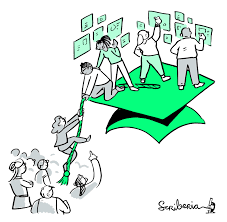
Community Forum
We are thrilled to invite you to our next Community Forum on Thursday, 12 March 2026.
These forums are our platform to share accomplishments, shape our governance, and connect with fellow open-science enthusiasts!
When: 12 March 2026
Time: 2:00 PM UTC
Where: Register here!
The Turing Way Team :sparkles:
📢 Call for Contributions:
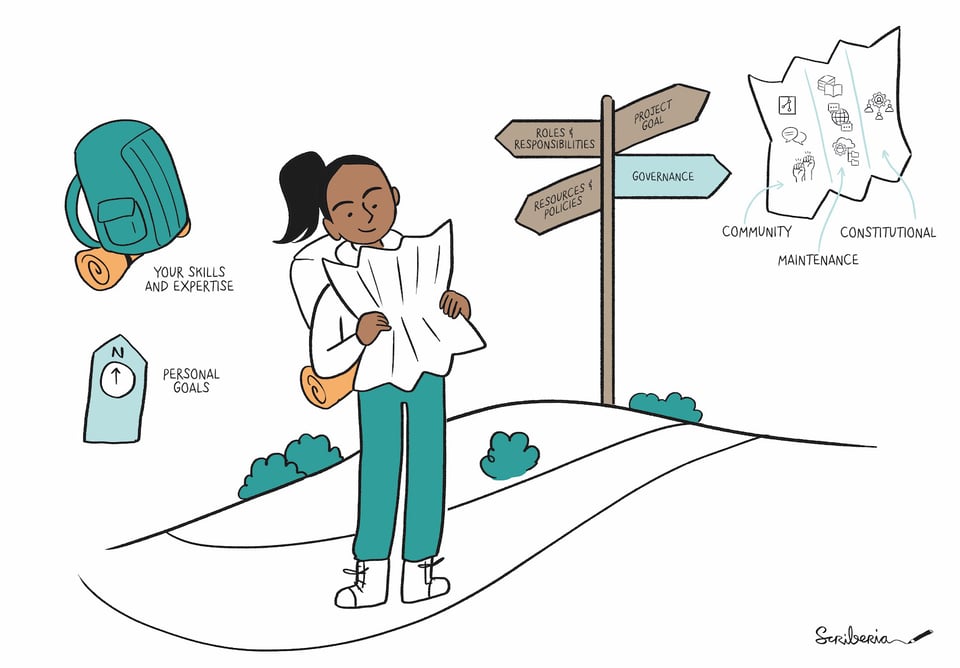
As we transition from The Alan Turing Institute, we are evolving into a community-led governance model. To ensure the project remains sustainable and impactful, we have established several Working Groups dedicated to its ongoing maintenance and growth.
Are you passionate about open science, reproducible research, or community building? We invite you to join us!
How to get involved:
Explore: Check out our Working Groups (currently under development).
Connect: Express your interest via this short onboarding form.
A Heartfelt Thank You
We extend our deepest gratitude to each of you. You have been instrumental in shaping this community, either by contributing with a line of code, joining a Café, or sharing the handbook with a colleague.
Your unwavering support has turned The Turing Way into a living guide for data science best practices. We are so excited to continue this journey with you throughout 2026!
Get involved + Connect with us!
You are welcome to join The Turing Way community and learn more about the project.
If you'd like to contribute to the next newsletter, please contact the Community Management Working group on Github or Slack! Email theturingway@gmail.com for more information.
Did you miss the last newsletters? Check them out here.
Please note: We are no longer affiliated to The Alan Turing Institute and hence would not be using turingway@turing.ac.uk email.
Please use theturingway@gmail.com email to reach out to the project in the future.