No Plan Survives First Contact With The Party
Hello Adventurers,
Well what a week it has been for ttrpgwiki.com! In just a short amount of time we have grown to over 125 TTRPG systems, made countless tweaks and corrections, and started our own /ttrpgwiki subreddit to help with community review.
I want to thank everyone who has contributed to the Wiki, either through system requests, corrections, potential feature adds, or just sharing on social media.
Feature of the Week - Dynamic Preview Images When Sharing
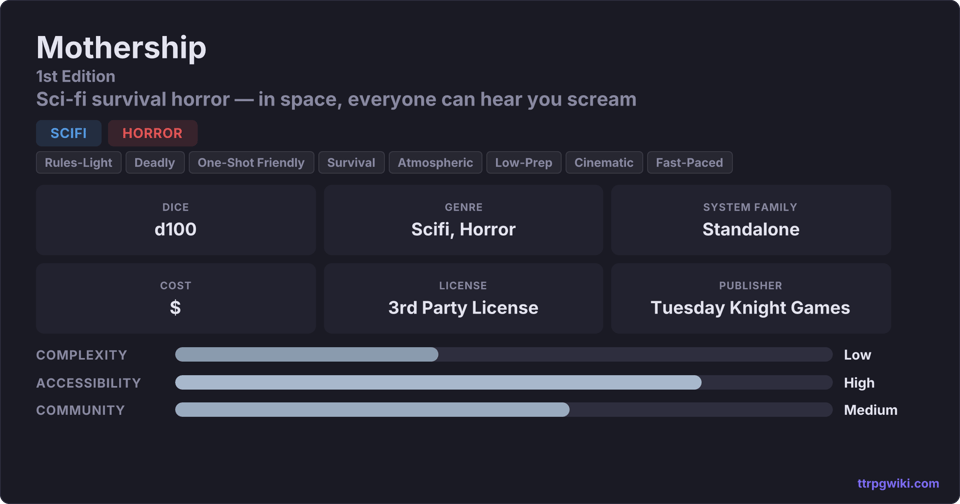
You may have noticed that when you share a link to a system the preview image now shows an overview of that specific system. These images are created dynamically through a Cloudflare worker each time a link is shared, ensuring that the content is always up to date with any changes that have happened to the system details. It took quite a bit of work to get right, but I am super happy with the result.
Indie System of the Week - Let’s Go To Magic School
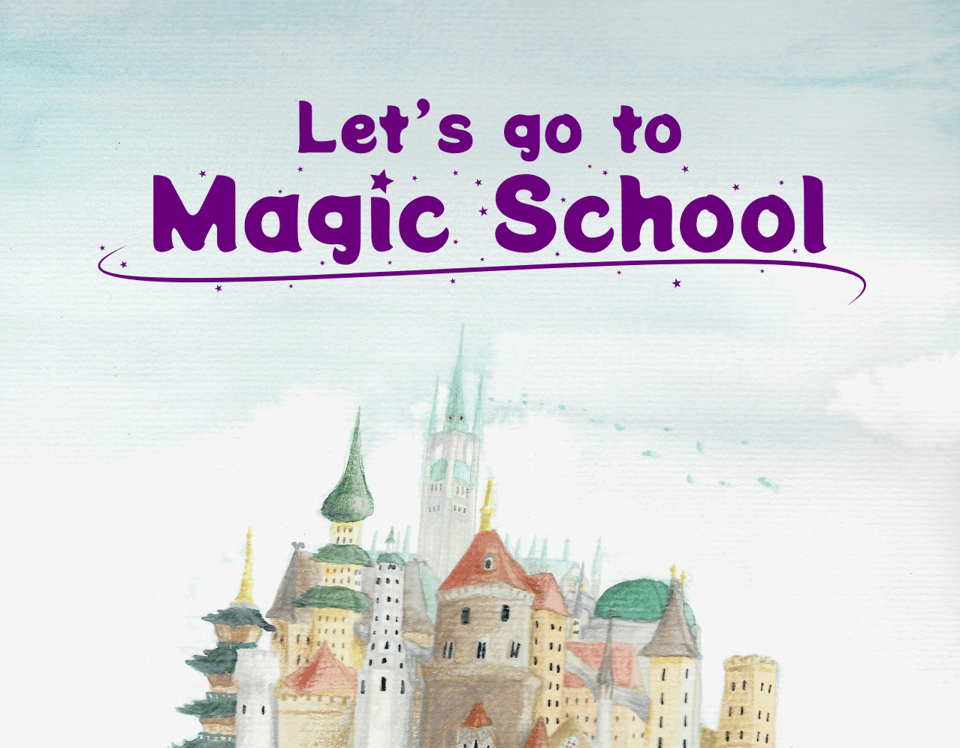
Each week I want to highlight a cool new indie system that was sent to me by its creator for addition to the Wiki (and if you are one of those be sure to fill out the system request form on the footer of the wiki homepage!). This week I wanted to cover Let’s Go To Magic School by Holothuroid, which you can get for free at itch.io!
Let’s Go To Magic School is a TTRPG using the Powered By The Apocalypse framework, which if you have played any of the PbtA games you will recognize the core mechanics instantly. For anyone who hasn’t seen a PbtA game they consist of 2d6 resolution with degrees of success, Playbooks as character sheets, and ‘Moves’ that define what you do in the fiction of the game world.
While the name of the system may immediately bring to mind pictures of Hogwarts and other common wizarding tropes, Let’s Go To Magic School offers a lot more than just a Harry Potter simulator. The book provides an array of settings and options to create the magic school of your choosing, be it the classic castle, a school for ‘gifted’ youth, or a group of wandering fae.
I particularly enjoyed the part of setting creation where you get to take types of magic and say if that branch of magic is common, uncommon, rare, or even forbidden or lost. The twist is that which type of magic you label as the most common or ‘basic’ informs how you interact with the other types. A very thematic idea that helps make each magical world feel distinct.
Another element that sets the game apart is the depth of its magic toolkit. There are seventeen pre-built magic subjects (things like Biokinesis, Necromancy, Cantrips, Gating, and Soulcraft) each with its own flavor. If none of those fit, the book gives you clear guidance on designing your own. Spells themselves aren't pulled from a fixed list either; players define them collaboratively during setup, deciding what a spell looks like, what it does, and what limitations it may have.
On the character side, seven playbooks cover familiar school archetypes (The Upstart, The Scion, The Rebel, The Eccentric, ect.) each with unique setup steps that directly shape the setting. The Scion introduces a Lost magic subject through a family heirloom, while The Visitor brings a Forbidden tradition from an outside community. Character creation doesn't just build a character; it builds the world.
If you're someone who likes the idea of collaboratively discovering how a magical school works at your table, it's well worth a look. You can find it for free on itch.io, and the entry is now live on ttrpgwiki.com.
-
Ooh I love the idea of this game! It also reminds me of two other games with similar themes but different mechanics, Cantrip (https://hipolita.itch.io/cantrip) which uses the BOB system, and Runecaster (https://pangurbancollective.itch.io/runecaster) which uses a custom system based on drawing magic runes yourself.
-
↳ In reply to Dregntael

It's a great system that I hope get's more traction! I will check out your other recommendations as well.

Add a comment: