🟧 Mikail Jaman’s 'Jump Ship' moment
Mikail Jaman was an enthusiastic new member of the network. Then doubt set in...
Stories from the TGS network, gathered and written by John-Paul Flintoff.
Seen a mistake? Please let me know.
—
Do all managing partners have doubts, and wonder if they made the wrong decision?
You may have felt it yourself: a creeping doubt about whether the ambitious vision you bought into will actually materialise.
Mikail Jaman, managing partner of TGS AU Partners in Indonesia, faced that moment head-on.
When his firm joined TGS, he was all in. He'd attended the 2013 Shanghai conference before joining, he recalls, specifically to assess the network's ambition and energy.
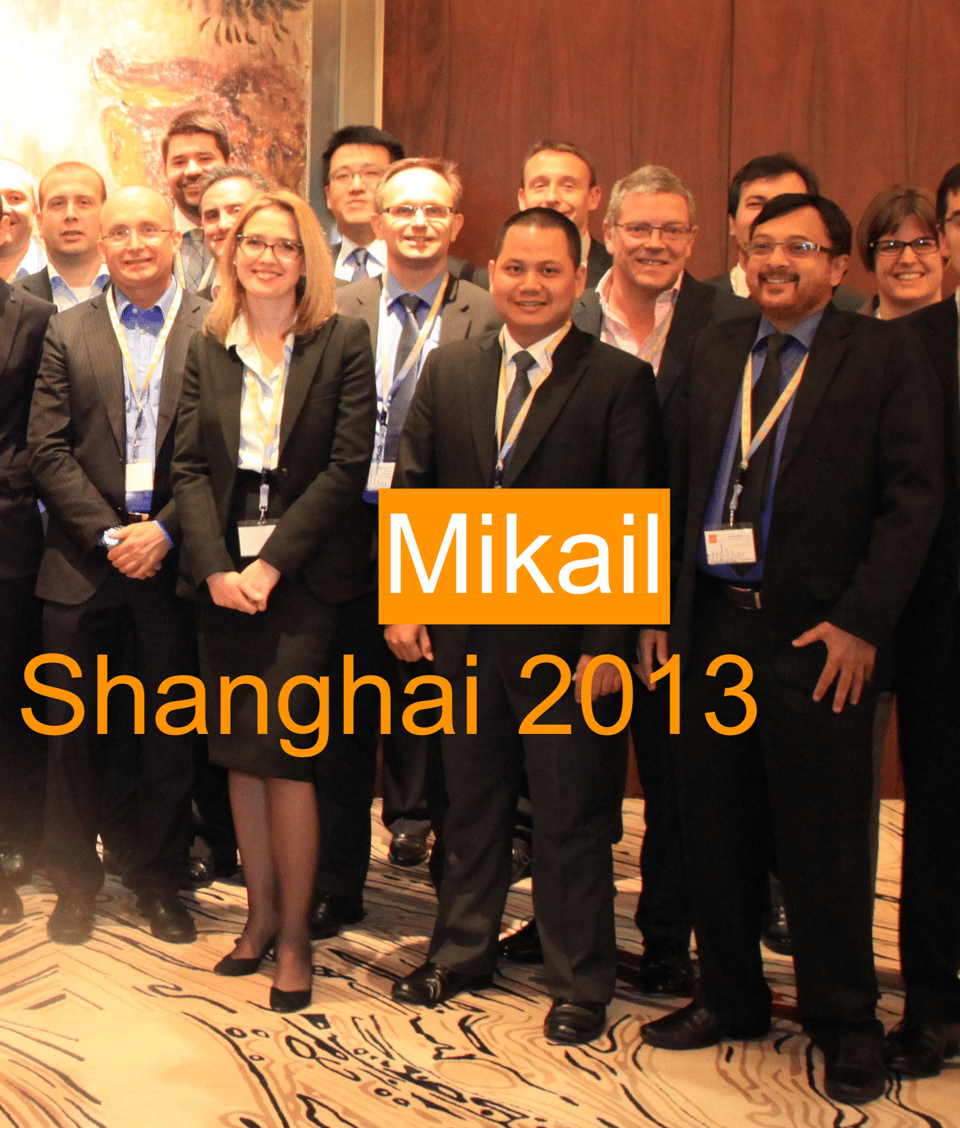
Here he is, among the other 20-or-so firms in the network at that time:
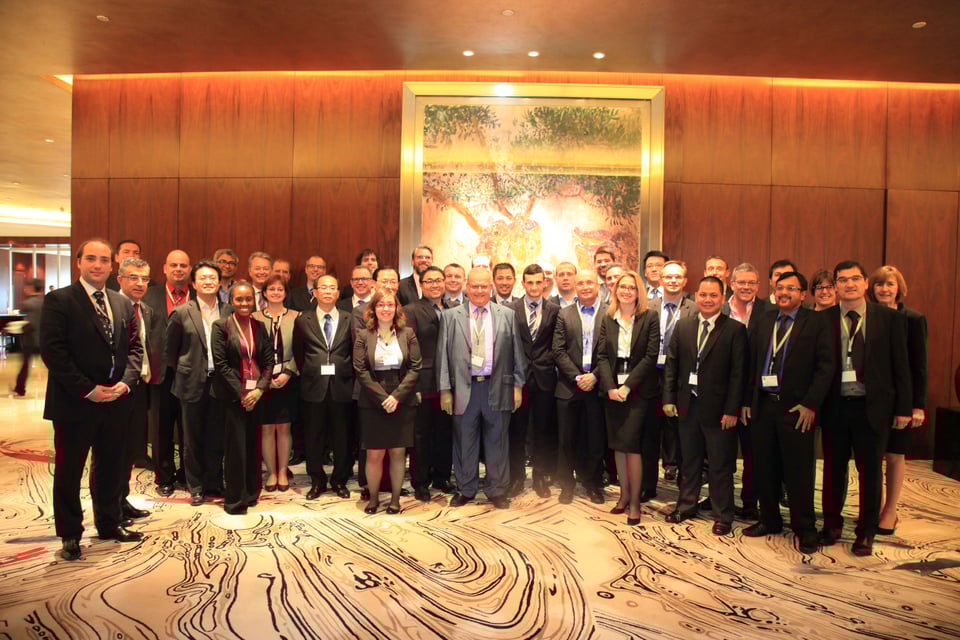
What he saw convinced him: "It looked like a shiny diamond. I thought, I must be part of this."
The network was targeting top 15, maybe top 10 global ranking.
The conference felt structured, purposeful. "We will do this,” they said, “and these are the steps.”
TGS seemed to offer everything his previous association lacked.
That network had been "more like a club" with no clear mission. TGS felt different. Strategic. Destined to be huge.
The reality check
“But after that it was a bit up and down,” says Mikail today.
Over several years, he watched the network grow. But top 10? "It's obviously not happened,” he concluded.
That's when doubt crept in.
The kind of doubt that makes network members start accepting calls from other associations - start wondering if they made a bad choice.
Mikail ased himself: "Should I jump ship? Or take over the steering wheel - with other members - to lead the ship in the right direction?"
The diagnosis
Other members, in his place, might have focused on rankings and revenue targets. But Mikail saw a different problem.
"TGS seemed inward-looking," he says now. "Maybe that's a European thing. But it’s not right in Asia or America."
To Mikail, it looked as if the network with global ambitions wasn't building the institutional relationships necessary to achieve them.
In Asia, for instance, where companies seek Singapore Stock Exchange listings for credibility, relationships with institutions like that one translate directly into client opportunities.
"You're not an accounting network if the stock exchange doesn't know you!" Mikail says. "You need to be visible in these institutions."
Mikail is a modest man. He describes himself as having "nothing" in terms of Big Four credentials ("Usually a partner comes from one of the Big Four. I am no one!”).
But his modesty has not made him hide away from the world. (He has his own YouTube channel.)
For a man like this, making TGS more outward-looking, with greater institutional credibility, could be everything.
The choice
As you probably know already, Mikail chose not to jump ship.
To stay would mean more than just paying dues and attending conferences. To use his own metaphor, he would need to put his hand, alongside others’, on the steering wheel.
To take responsibility for building TGS’s institutional presence.
He started pushing conversations within the network about engaging more actively with external stakeholders.
"I said, we must build connections and supply insights to our market, our audience, so that the network can grow," he recalls.
The positive response to his ideas came as a pleasant surprise.
"When an idea comes up and it's taken seriously and we're involved - well, that's the way a global organisation must work."
What happened when Mikail stopped waiting for network leadership to create opportunities and started creating them himself?
More on that tomorrow.
Meanwhile, take a look at Mikail’s YouTube channel.
Add a comment: