Special issue #14

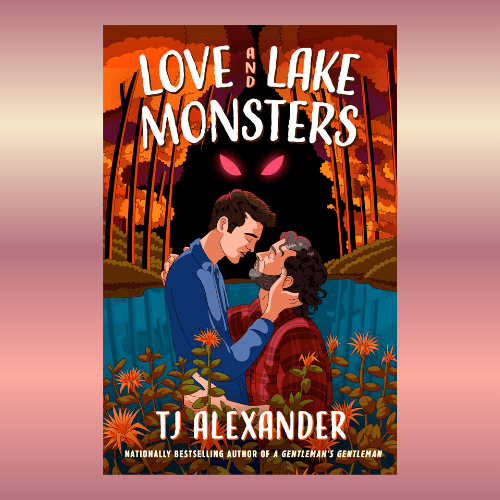
Hello true believers! A bit of a nerdy behind-the-scenes for you this time. Late last month, I focused on the line edits for Love & Lake Monsters. Line edits are the stage of the editorial process where the author and editor go line-by-line making edits on the micro level, as opposed to developmental edits, which are more of a macro level thing. It’s also usually the last chance I have to make substantive edits (as in, changing the meaning of the text).
I think line edits might be one of the most interesting kinds of editing. For me, line editing means editing any text that could be improved, even minutely. Maybe a word appears twice in close succession when it doesn’t need to; maybe a homophone has created unintended confusion; maybe a sentence is generally shit and never got reworked because it wasn’t a priority before. In line edits, every word is a priority.
Personally, I love seeing how tiny tweaks can change a manuscript—hopefully for the better. It’s incredibly time-consuming and requires a lot of concentration to go line-by-line, listening to the words as the Read Aloud robot lady says them, but it’s rewarding. Note: Microsoft Read Aloud, like every other god damn software feature these days, has been infused with genAI to make it functionally worse while sounding slightly more human-ish. I have turned off Copilot in Word and downgraded to an older version so now I have only the one single Read Aloud voice. It sounds horrible and is super slow but at least its performance is not built on the backs of my peers’ unpaid labor, as far as I can tell. Anyway, I need to use a Read Aloud tool at this stage because reading it myself doesn’t catch all the tiny issues like missing prepositions or textual errors. (I used to read aloud to myself, but I’m doing voice training right now and I’m worried the strain of talking for about five hours straight every day for a week or more could undo a lot of the work I’m putting in.) The human eye can skip over these things easily because our brains are trying to make things make sense, but my ear can hear when something is wrong about 90% of the time. And it’s better for me to handle all that stuff at this stage than leave it for some poor copyeditor to try and hash out in the next. Plus, if it’s an error that requires an authorial decision, we all save some time. The fewer “what did you mean here?” queries I have to deal with the next time this manuscript hits my inbox, the better.