
Sitting, Uncertainty, Repeat
Negative capability and striving forward, somehow.
Dispatches from the fine print of everyday emotions
006 - February 2026
💌 Status: Low battery, charging from 13%
🎧 Currently listening: Mon Rovîa's "To Watch the World Spin Without You"
💬 Discussed: Negative capability
Sitting, Uncertainty, Repeat
Folks, January really got away from me. But here we are, at the END of February and not letting a temporary lapse in newsletter-ing get us down.
How are things out there, with you? Are we in 100% blanket burrito mode? I saw a bumble bee the other morning and did a double take 🐝🌷
During my internet travels, I recently came across a term that I found intriguing. Upon investigating it further I even wound up weaving it into my behemoth (in-progress) capstone paper.
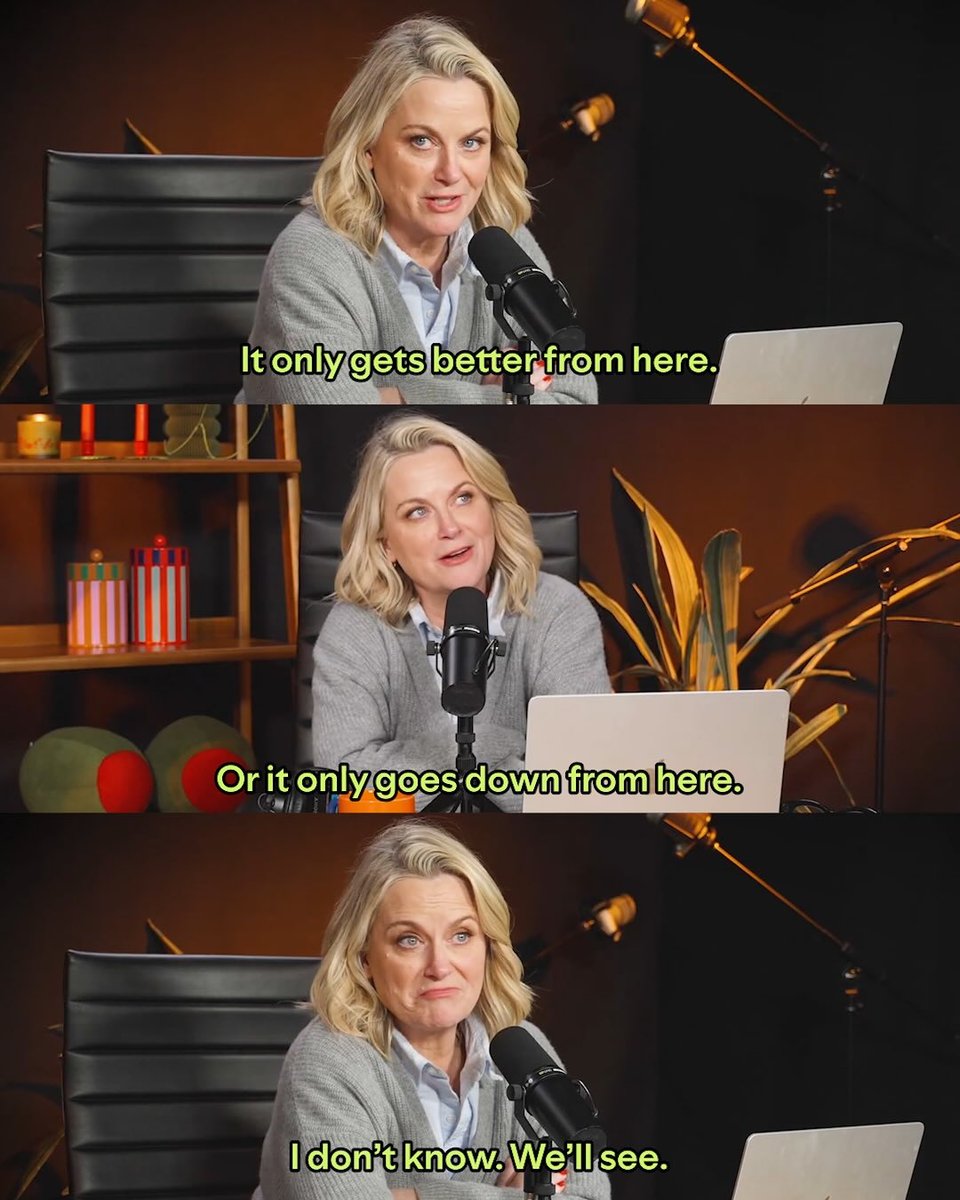
Negative Capability
Negative Capability is a term originally coined by poet John Keats, described as the capacity to remain "in uncertainties, mysteries, doubts, without any irritable reaching after fact and reason.” (Keats, 1817/2002, p. 60). In other words, the ability to resist explaining away the things that we do not understand. Sitting in a place of uncertainty and letting it be okay.
Psychiatric–mental health nurse practitioner and professor Trae Stewart (2026) explores the concept of Negative Capability in relation to reshaping education and support of healthcare professions, identifying that the capability to tolerate ambiguity nurtures emotional intelligence. Within fixed categorical structures, uncertainty is often positioned as if it equates incompetence. There is also a sense of a cultural bias with certainty correlating with authority. Meanwhile the qualities of doubt, presence, and curiosity can lead to a more nuanced understanding of someone else's experience as well as a more durable therapeutic alliance (Stewart, 2026).
Diagnostic categories mask diverse experiences and recovery trajectories rarely follow an expected linear path (Stewart, 2026; Voronka, 2016) Using value pluralism to embrace both/and encourages cultural humility and more fully recognizing the layered nature of the human experience. It means holding more space for multidimensional growth and speculatively hopeful Mad Time (Bruce, 2017; Sinclair, 2025). How do we reimagine safety and the felt sense of safety? How do we provide a sense of expansiveness amidst distress?
This (?) correlates with the ideals implicitly held within a kairotic space and affirms the sanist concept that there is a 'right' way of existing within our bodyminds. A structure's oppressive concept of time serves to further support that it is the individual's responsibility to fix themselves to fit in more easily. Could a different approach lead us to learn more expansive support methods firsthand from Mad bodyminds?
Other Than That
I am forever learning, doodling in the margins, making lists, and texting memes to spark joy.
See you on the internet.
(your tiny ghost in residence)
Allison
References
Keats, J. (2002). George and Tom Keats 21, 27(?) December 1817. In G. F. Scott (Ed.), Selected letters of John Keats (Rev. ed, pp. 59–61). Harvard University Press. (Original work published 1817)
Stewart, T. (2026). Embracing uncertainty: John Keats’s negative capability in psychiatric mental health nurse practitioner education. Nurse Education Today: International Journal for Health Care Education, 158, 106925. https://doi.org/10.1016/j.nedt.2025.106925
Voronka, J. (2016). The Politics of ‘people with lived experience’ Experiential Authority and the Risks of Strategic Essentialism. Philosophy, Psychiatry, & Psychology, 23(3–4), 189–201. https://doi.org/10.1353/ppp.2016.0017