
DEVLOG 1 - The Initial Concept
Hi hi!
Welcome! I’m teaisfortoby, the developer of the mystery puzzle game PATIENCE IS A VIRTUE. This is the very first devlog! We've got a lot to cover, so let's just dive in.
WALLPAPER
To start, here’s that free wallpaper you were promised:
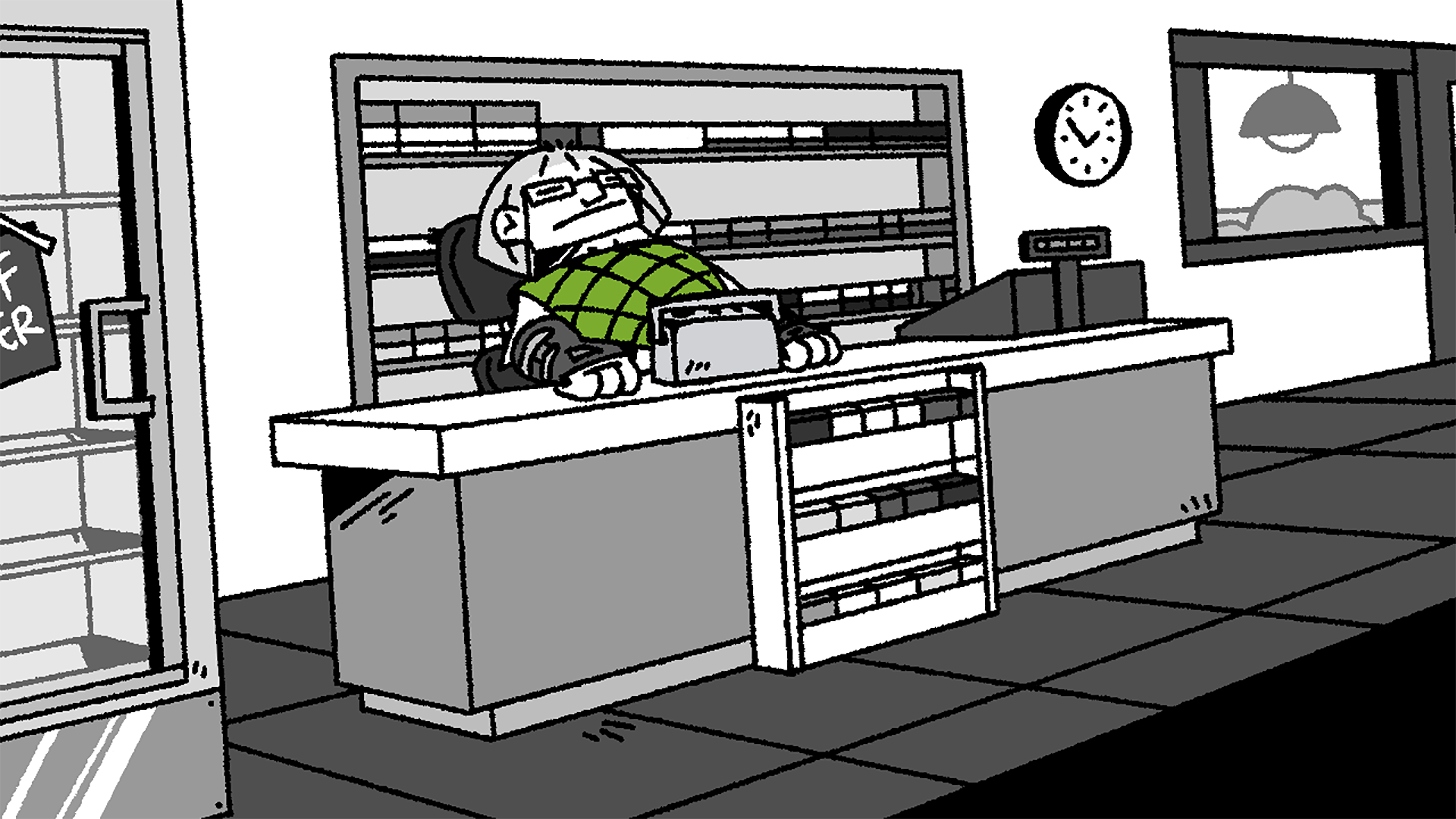
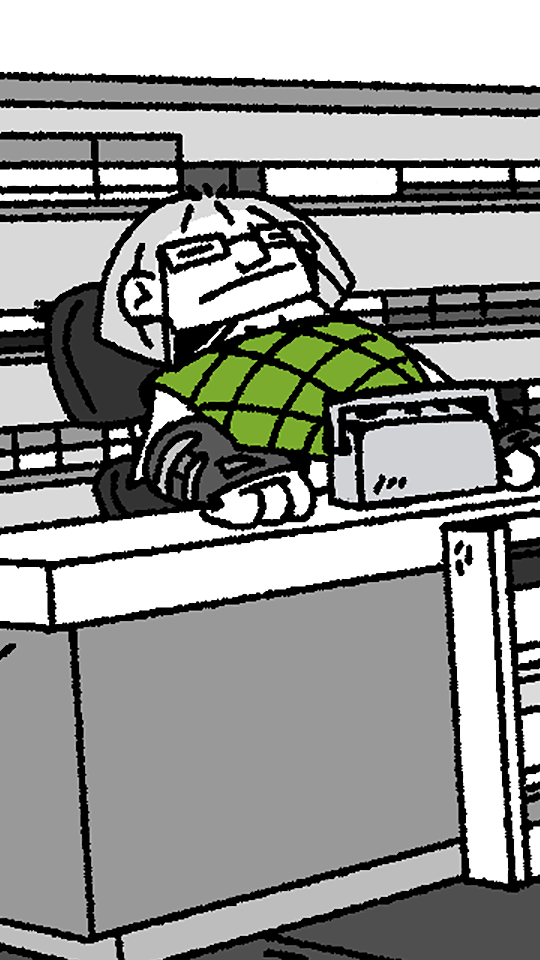
You can download those directly from here — just click the three dots or press and hold on mobile. You’ll get another one next month! Now back to business.
NEWS
It’s been a very busy month for the game! The Wholesome Direct showed off our first trailer, and the demo released on Steam! The support so far has been unbelievable. I never imagined so many people would be interested in this story. Thank you all so so much! If you haven’t watched the trailer yet, here’s your chance:
THE INITIAL CONCEPT
For this first log, I want to look back on how PIAV’S gameplay loop has evolved. It’s been in active development since 2024, and it’s come a long, long way since then.
I had the idea to make what would become PIAV near the end of 2023. At the time, I was in the process of getting diagnosed with some of my disabilities, and I found the whole experience very isolating. I have invisible disabilities, so there was no external proof of my symptoms. The only “evidence” was what I told people about myself, and nobody could ever feel those sensations themselves. I felt like a stranger in my own body. I needed to write about it, mostly for myself.
It started, oddly enough, as a dress-up game! The idea was that the main character would get dressed up by the player every day, go to work, then come home. Rinse and repeat. You’d pick which mobility aids he would use while you dressed him, so you would also have to gauge his energy levels, if he could walk without a cane, et cetera. Players wouldn’t get to see him go to work, but they would see how he felt about his day when he came home. Ultimately, you would watch as he grew to hate his body to the point that he found it unbearable (which, in my initial outlines, involved some pretty intense body horror). I liked the idea, but it was missing something about my experience that I couldn’t put my finger on.
I went back to the drawing board and tried to pinpoint exactly what was so alienating about my diagnosis journey. The symptoms were bad, of course, but I realized that I hated trying to communicate those symptoms to others even more than the pain. How do you tell an able-bodied person that you’re constantly uncomfortable in a way that they’ll actually understand? This was the part my initial concept was lacking. It wasn’t just about struggling with my body, but about how other people’s reactions were changing the way I thought about it. So, I decided I wanted to challenge how you communicate with other people. Thus, the core of the game’s puzzles was born: you can only say the important stuff using other people’s words.
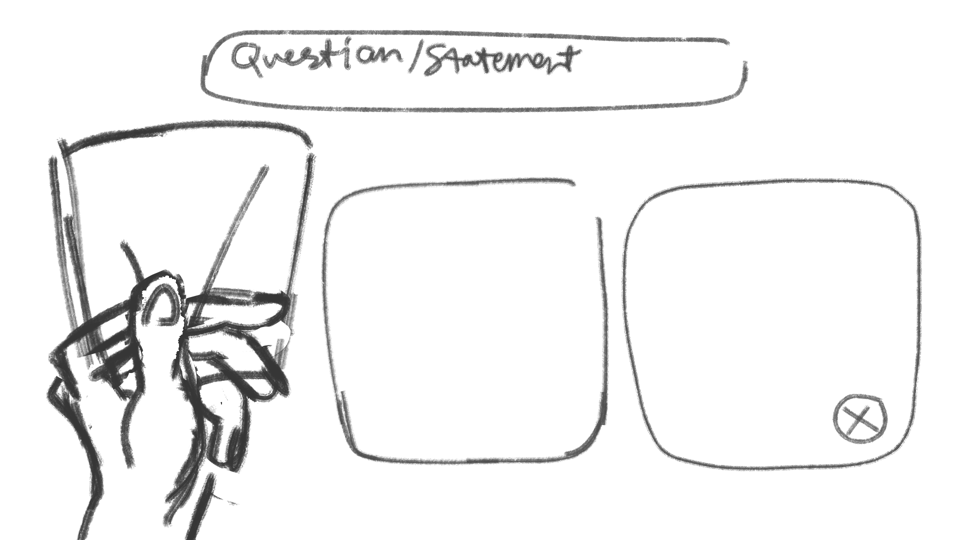
At first, Louis’s dialogue was going to be made up entirely of puzzles, so that he would never say anything with his own words. There was a big tradeoff with this, though: if there was a puzzle every time Louis needed to say something, then either a) Louis would need to speak very rarely or b) a lot of the puzzles would have to be easy. Option A would make it harder for players to understand Louis emotionally, and Option B could completely break the flow of the conversation.
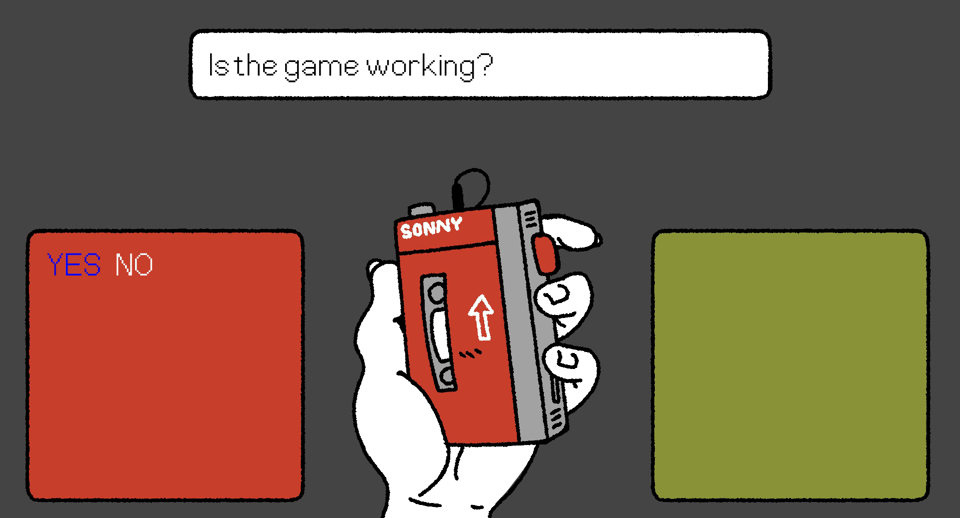
I ended up settling on the system’s final iteration: Louis would only enter “puzzle mode” if he felt like he couldn’t communicate with someone otherwise. It meant puzzles were rarer, but it gave the writing a lot more room to breathe. Conversations flowed better — dialogue didn’t need to be written specifically with Louis’s answers in mind, there weren’t dozens of tiny pauses, and players could get more insight into Louis as a person.
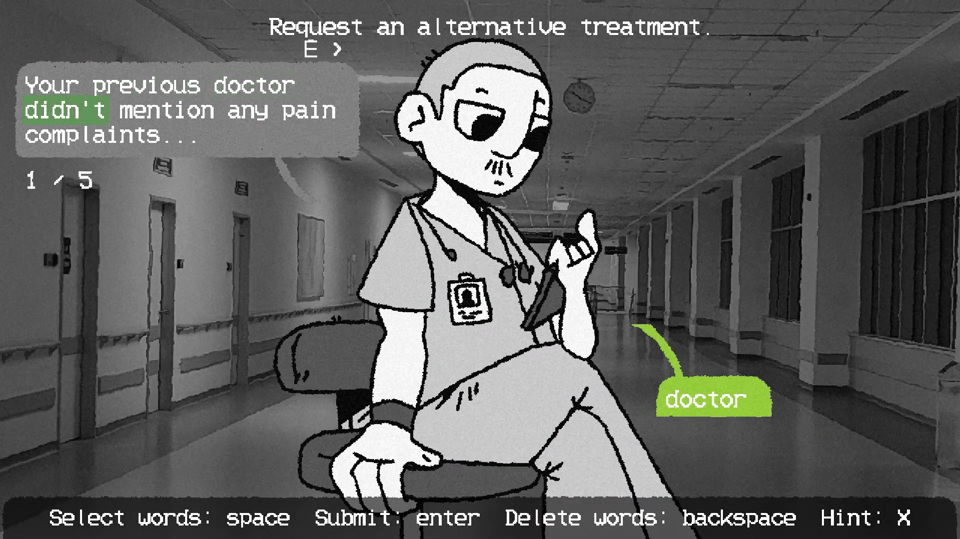
Combined with some dialogue choices and adventure game style investigations, it made for a gameplay loop I’m quite happy with.
Thanks for reading. Wishlist the game and play the demo if you haven’t!! See you in July!
