You ain’t got time for all this
The web continues to have great reading, I continue to have (okay) ideas.
The original thesis of this newsletter was, there’s already too much stuff on the internet. You can’t possibly read it all. Despite that condition, here’s even more!
The unfortunate end of too many online writing forays is “I just switched up the theme/software for my weblog, expect me to write a lot more in the future” and then…nothing.
I’m trying a different thing, in service of both keeping this thing going and continuing to make well-meaning contributions to the endless volume of worthwhile things to read on the web. Pop-up, thematic newsletters will materialize when the time is right. In the mean time, I return to the original charter of this quasi-periodical and throwing more stuff on your pile of great online writing.
The local maxima we need to reach the next global maximum : wherein I make predictions on software development for the year.
I don't think hype-y ideas like “token-maxxing” or agent swarms are going to get us past the "yikes! everyone is a prolific coder now”-shaped challenges facing software developers. The way through probably rhymes with re-inventing how we review and evaluate software as a holistic product.
Oddly enough, agent review of code is still middling at best. Even when you consider that "code review as imagined" and "code review as practiced" are quite distinct in most software teams.
But, I don’t think getting through this moment in software development looks like a return to self-imposed friction, adopting craft as an identity, or practices like pair programming. It has to start with “everyone can produce tremendous volumes of code, what now?”, disregarding all the assumptions we made along the way that code is risky to produce or scarce.
🎧Recommended listening: Late at Night, Keith Jarrett.
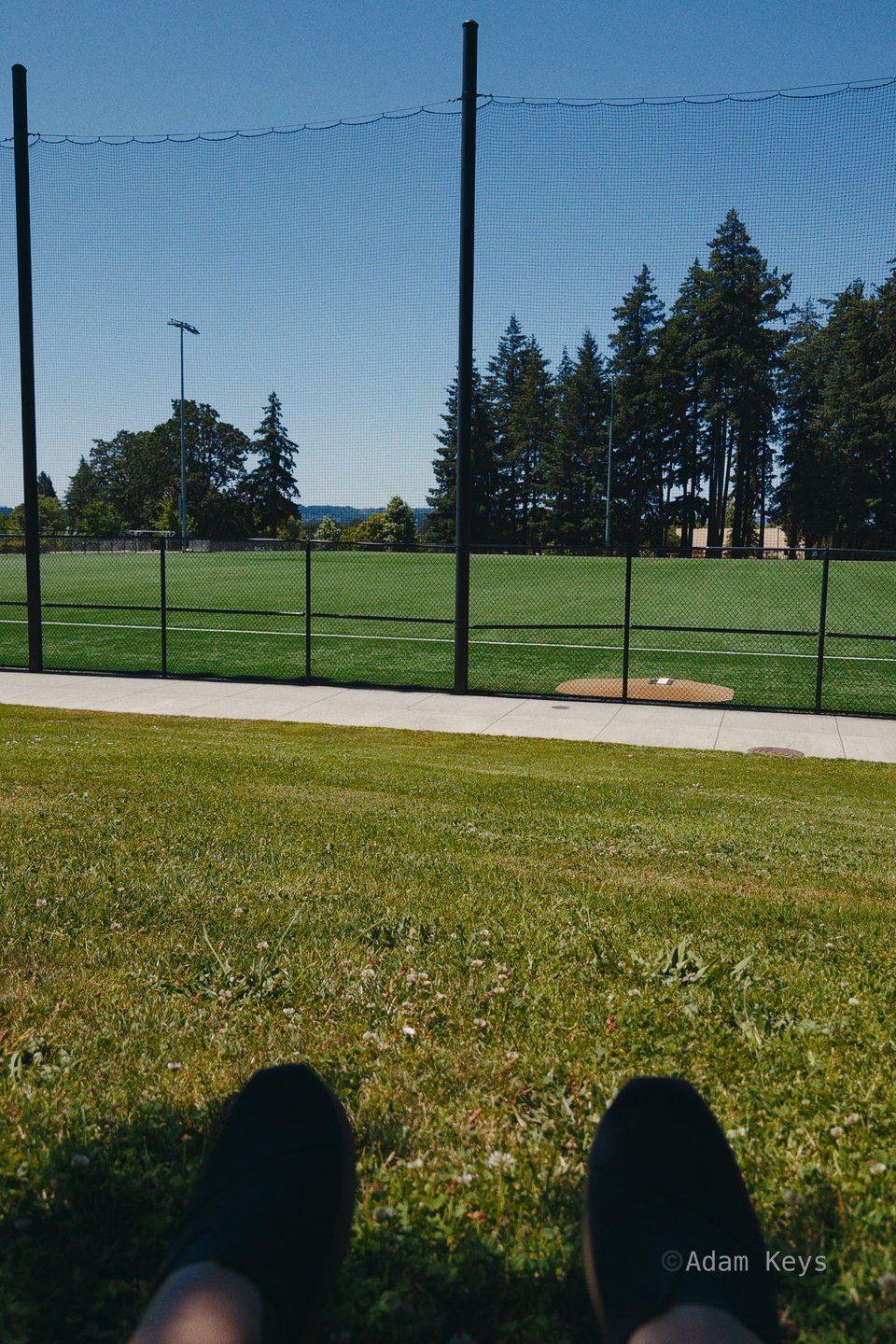
If you, like me, are about half-way through The Power Broker, I highly recommend checking out your town’s parks and public works. It brings the whole journey together.
I haven’t tried attending or watching a city council meeting, but I imagine that also does something for the experience. I am not sure if it’s positive, though.
How To Read More: might I recommend “start small” and “parallelize”. Possibly, don’t even worry about reading books in particular. Keep your eye on what you’re reading, how much you’re reading it, and how it’s making you feel. If the answer is excited, fulfilled, intrigued, and curious to know more, then you’ve gone in the right direction. And of course, throw more books.
Dropping to blog level: When times get weird, switch from longer and more structured forms to shorter, ad-hoc forms. Experiment more. “It’s been quiet around here. Too quiet. … I’m solving this problem by dropping to log level. That is, I am returning to another practice that has always served me well at times of learning and change: blogging. Fewer long-form essays, more raw, less-polished work.” The galaxy-brain move here, is having a website, under your name and control, and call it a blog or a newsletter or hypertext experiment or whatever the moment demands. The important part is writing on the web. (This is a callback to the leading item here!)
Resident: vibe coding firmware (our new sandbox library for ESP32 devices): Matt Webb is up to stuff. Surprisingly capable, affordable, Pez-dispenser-sized little hardware gizmos. A software stack built for “what if?” and suggesting ideas, with your voice if that’s your thing, to a coding agent that knows how to write the code and get it on the device. This is a neat future!
Thanks for reading!


