
The carrot is gone. So is the stick.
Another swing at saving America's coal plants, regardless of cost.
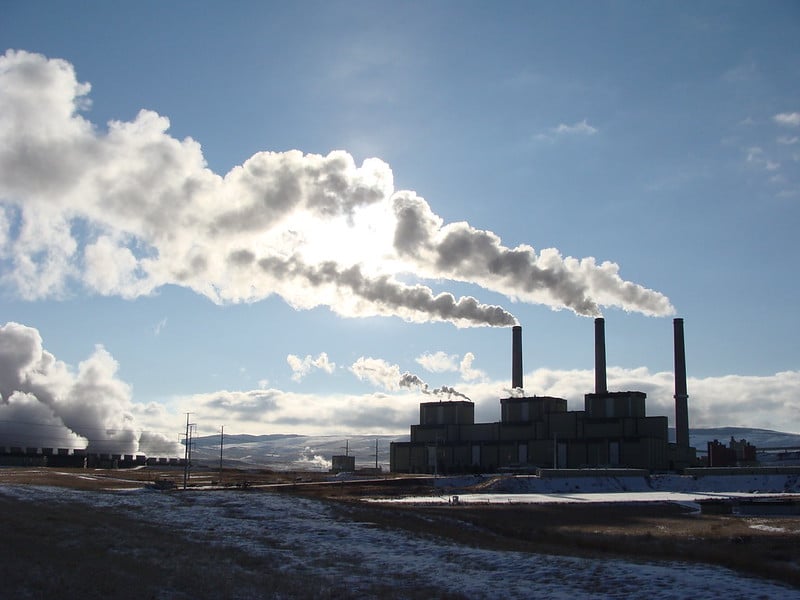
On Monday, the EPA announced it was ending what Grist called “the last pillar of Biden’s climate agenda”: rules that limited how much carbon pollution American power plants are allowed to produce.
While the US has had some limits on smokestack pollution under the Clean Air Act, these particular rules were the first restrictions on greenhouse gases and were only put into place in mid-2024. So what did they do?
Coal plants that plan to stay open beyond 2039 would have to cut or capture 90 percent of their carbon dioxide emissions by 2032, the EPA said. Plants that expect to retire by 2039 would face a less stringent standard but still would have to capture some emissions. Coal plants that are set to retire by 2032 would not be subject to the new rules.
At the time, trade groups for investor-owned and other utilities, as well as manufacturing groups, cried foul. Given how underdeveloped carbon capture technologies are, the groups said the move was just an order to shut down coal plants by another name. Indeed, carbon capture technologies have so far gotten more press than results, but coal plants were already retiring at a rapid clip before the rules were put in place.
It was only last Friday a federal appeals court ruled an Energy Department emergency order to keep an otherwise retiring Michigan coal plant open was an overreach of federal law.

