How Much Does It Really Cost To Live Abroad As A Digital Nomad?
The Price Of Paradise: How Much Does It Cost To Live Abroad As A Digital Nomad?
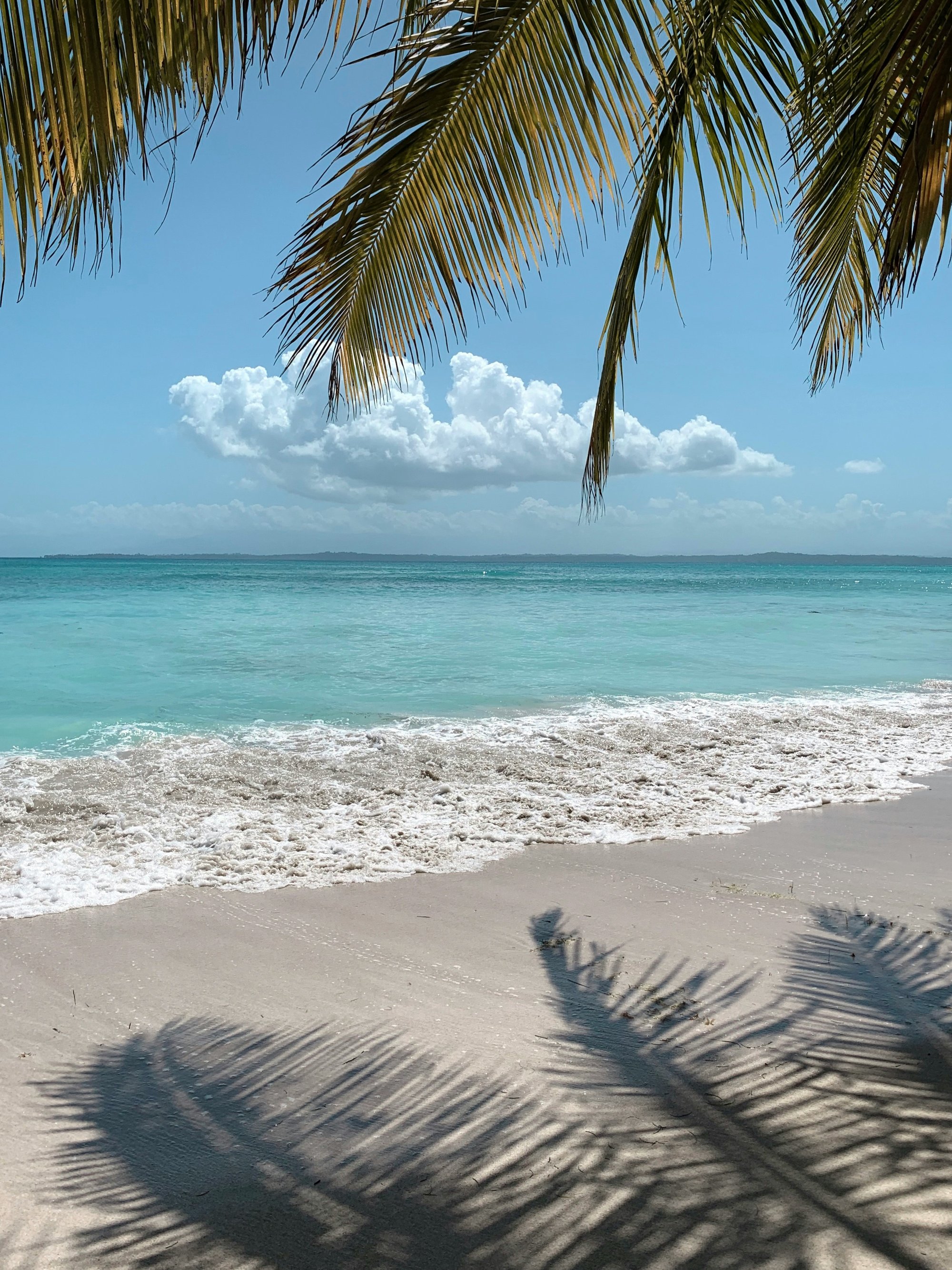
Let’s cut to the chase. You’ve seen the Instagram reels. You’ve watched the YouTube vlogs. You’ve scrolled through TikTok feeds showing a guy named Dave sipping a $3 coconut on a beach in Thailand, working on his laptop from a bamboo hut, and captioning it: "Living my best life for $800 a month!"
It looks incredible. It looks attainable. It looks like the ultimate escape from the 9-to-5 grind and the crushing cost of living in cities like New York, London, or San Francisco.
But here’s the dirty little secret that the influencers often gloss over: Dave might be stretching the truth. Or at least, he’s omitting the part where he stayed with a friend for free, hasn’t paid for health insurance in two years, eats only street food, and is currently burning through his savings because he forgot to budget once again.
The reality of digital nomad life is a lot more nuanced than a single monthly figure. The cost of living abroad isn't a flat rate; it’s a spectrum that stretches from "barely surviving on rice and beans" to "living like a local king with a private chef." And the biggest variable isn't just where you go, but how you choose to live there.
In this newsletter, we’re going to strip away the filter and get into the nitty-gritty of the numbers. We’ll break down the real costs of housing, food, transport, visas, and the hidden expenses that catch most new nomads off guard. Whether you’re aiming for a budget backpacker vibe or a comfortable mid-range lifestyle, let’s figure out exactly what your wallet needs to handle.
The Big Variable: Location, Location, Location
The first thing to understand is that "living abroad" is not a monolith. The cost of living in Tokyo is vastly different from the cost of living in Chiang Mai. The cost in London is worlds apart from the cost in Medellín.
Generally, we can categorize destinations into three tiers:
Tier 1: The Budget Kings (Southeast Asia)
Countries like Thailand, Vietnam, Indonesia (outside of trendy spots like Canggu) are the holy grail for budget nomads.
Monthly Estimate: $1,200 – $2,500 for a comfortable life.
The Vibe: You can rent a nice apartment with a pool, eat out for every meal, take taxis everywhere, and still have money left over for weekend trips.
The Catch: Infrastructure can be spotty, humidity is high, and the "expat bubble" can be isolating if you don't make local friends.
Tier 2: The Sweet Spot (Southern Europe, Eastern Europe, Costa Rica & More)
Places like Lisbon, Madrid, Tenerife, San Jose, Rio de Janeiro offer a balance. They have great internet, European-style amenities, and a vibrant culture, but they are cheaper than Northern Europe or the US.
Monthly Estimate: $2,000 – $3,500.
The Vibe: You get a modern apartment, access to healthcare, and a rich cultural scene. You might need to cook some meals to save money, but you can still enjoy the nightlife and dining.
The Catch: Prices are rising fast in popular hubs. Lisbon and Mexico City have seen rents skyrocket in the last few years.
Tier 3: The Luxury Tier (Western Europe, North America, Australia, Japan)
Living in Berlin, London, Sydney, or Tokyo as a nomad is expensive. While you might save money on rent compared to NYC, the overall cost of goods, services, and dining is high.
Monthly Estimate: $3,500 – $6,000+.
The Vibe: High quality of life, excellent infrastructure, safety, and stability.
The Catch: You need a high income to sustain this lifestyle. The "budget nomad" dream dies quickly here.
The Breakdown: Where Your Money Actually Goes
Let’s dig into the specific line items. This is where the math gets real.
1. Housing: The Biggest Chunk
Rent will likely consume 30% to 50% of your budget.
Budget: In Tier 1 countries, you can find a decent studio for $400–$600. In Tier 2, expect $600–$1,000. In Tier 3, $1,500+ is the baseline.
The Trap: Short-term rentals (Airbnb) are notoriously expensive. A monthly Airbnb in Bangkok might cost $1,200, whereas a long-term lease negotiated directly with a landlord could be $500.
Pro Tip: Try not to book a month-long Airbnb for your first month unless you have to. Go there, scout the neighborhood, and negotiate a long-term deal.
Utilities: Don’t forget electricity (AC is expensive in hot climates), water, and internet. In some places, internet is included; in others, you’ll pay $30–$50/month for fiber.
2. Food: The Best Part Of The Budget
Food is where you have the most control over your budget.
Street Food: In Thailand or Vietnam, a delicious meal costs $2–$4. In Mexico, $3–$6. If you eat like a local, your food bill can be under $300/month.
Western Food: If you crave a burger, pizza, or a latte from a hipster café, prices jump to $10–$15 per meal. Eating Western food every day can easily double your food budget.
Groceries: Supermarkets in Europe are comparable to the US. In Asia, local produce is affordable, but imported cheese and wine can be pricey.
Strategy: Mix it up. Eat street food for lunch, cook dinner at home, and treat yourself to a nice restaurant once a week.
3. Transport: Walking vs. Public Transport vs. Uber
Public Transit: In cities like Tokyo, Berlin, or Mexico City, public transport is affordable and efficient. A monthly pass might be $30–$60.
Rideshare: Uber and Grab are ubiquitous and often cheaper than in the US, but they add up. If you take Uber twice a day, that’s $15–$20/day, or $450/month.
Flights: One of the joys of nomad life is hopping to a new country. A flight from Bangkok to Bali might cost $150. A flight from Madrid to London might be $100. Budget $200–$400/month for travel if you’re moving every month. If you stay in one place, this drops to zero.
4. The Hidden Costs: Visas, Insurance, And Digital Gear
This is where the "Dave On The Beach" calculation can kinda fall apart.
Visas: Tourist visas are often free or cheap ($20–$50), but they usually only last 30–90 days. To stay longer, you need a Digital Nomad Visa or a residency permit. These can cost $500–$2,000 upfront, plus renewal fees. Don’t forget the cost of "visa runs" (flying to a neighboring country to reset your stamp) which can cost $200–$400 per trip.
Health Insurance: This is non-negotiable. Standard travel insurance often doesn't cover long-term stays or pre-existing conditions. A good international plan (like SafetyWing or Cigna) costs $40–$100/month. If you get sick without it, you could be bankrupt in a day.
Co-working Spaces: If you can’t work from your apartment, you need a desk. A monthly pass at a co-working space is $150–$300.
Gear Replacement: Laptops break, phones get stolen, and adapters get lost. Set aside a "nomad emergency fund" of $50–$100/month for gear repairs or replacements.
The "Nomad Tax": Inflation and Lifestyle Creep
There’s a psychological phenomenon known as Lifestyle Creep. When you move to a cheap country, your first instinct is to live like a king. You rent the penthouse, eat at the best restaurants, and take Ubers everywhere.
But then, you realize you’re spending $3,000 a month in a country where you could live comfortably for $1,500. You’ve adjusted your baseline to the high end. This is dangerous. If your income drops or you need to move to a more expensive city, you’ll be in trouble.
The Golden Rule: Live like a semi-local, not just like a tourist. Think about riding scooters, eating yummy street food, going to free meet-ups, and more to reduce costs. This keeps your costs sustainable and helps you integrate into the community.
The Real Numbers: Three Scenarios
Let’s look at three realistic monthly budgets for a single digital nomad.
Scenario A: The Budget Warrior (Chiang Mai, Thailand)
Rent (Studio): $450
Food (Mix of street/local): $300
Transport (Scooter rental + gas): $100
Internet/Phone: $30
Co-working: $100
Insurance: $50
Fun/Travel: $200
Total: ~$1,230/month
Verdict: Very doable, but requires discipline. No luxury, but plenty of freedom.
Scenario B: The Comfortable Nomad (Medellín, Colombia)
Rent (Nice 1BR in El Poblado): $800
Food (Mix of cooking/restaurants): $500
Transport (Uber + Metro): $200
Internet/Phone: $40
Co-working: $150
Insurance: $60
Fun/Travel: $300
Total: ~$2,050/month
Verdict: The sweet spot. You live well, have a social life, and aren't stressing about every penny.
Scenario C: The Premium Nomad (Berlin, Germany)
Rent (1BR in city center): $1,400
Food (Restaurants + groceries): $700
Transport (Public + occasional Uber): $150
Internet/Phone: $50
Co-working: $250
Insurance: $80
Fun/Travel: $500
Total: ~$3,130/month
Verdict: High quality of life, but requires a solid income. You are close to US/EU cost levels.
The Safety Net: The Emergency Fund
Here is the most important advice in this article: Try your best, to not go abroad without an emergency fund.
Things happen. You get sick. Your laptop gets stolen. Your visa application gets rejected. Your client pays late. You need a buffer of at least 3 to 6 months of living expenses saved up before you leave.
If you are living on $2,000 a month, you need $6,000–$12,000 in the bank before you book your one-way ticket. At the very least $3,000 to $5,000. This isn't just for fun; it's for survival. Without it, one bad month can force you to go home, ending your dream prematurely.
The Bottom Line: It’s Cheaper, But Not Free
So, how much does it really cost?
If you are smart, disciplined, and willing to adapt, you can live a high-quality life abroad for $1,500 to $2,500 a month. This is significantly cheaper than living in major US or UK cities, where a similar lifestyle might cost $4,000–$6,000.
However, if you try to replicate your home lifestyle exactly—eating at the same restaurants, drinking the same imported beers, and staying in the same luxury hotels—you will find that the cost savings disappear.
The magic of the digital nomad lifestyle isn't just about saving money; it's about value. For the price of a studio apartment in Manhattan, you can rent a villa with a pool in Bali. For the price of a night out in London, you can eat a feast in Da Nang.
The cost is what you make it. Do your research, budget realistically, and remember: the goal is freedom, and living a great lifestyle abroad.
What’s your target monthly budget for your next nomad destination? Are you aiming for the budget warrior route or the comfortable nomad lifestyle?
Safe travels, and may your budget always be balanced and your adventures endless!
Powered By Lumo. Curated & Edited By The Digital Life Tribe.