
Telling You Today: July 26, 2026
2026-07-26
Knee Update
It's been six weeks since I cracked my patella, and I'm honestly feeling pretty decent. The first few weeks were frustrating: my knee was fully immobilized, my leg was swollen and purple from all the pooled blood (apparently when you break a bone it BLEEDS), and I didn't leave the house much. After a few weeks my orthopedist switched me to a hinged brace. He definitely fits the "ortho jock" stereotype, but maybe because of this he quickly recognized I'm an active person who wants to return to being active – so he's prioritized getting me bending my leg and moving around.
Even after just two weeks with my leg straight, I was shocked by how much muscle I lost. My right quad basically disappeared. Which I guess is why they want to get you moving as soon as possible. My friend Bob told me he'd had the same injury years ago and the doctor didn't do any of this - they waved off PT, kept the leg straight for much longer - and it just delayed his recovery.
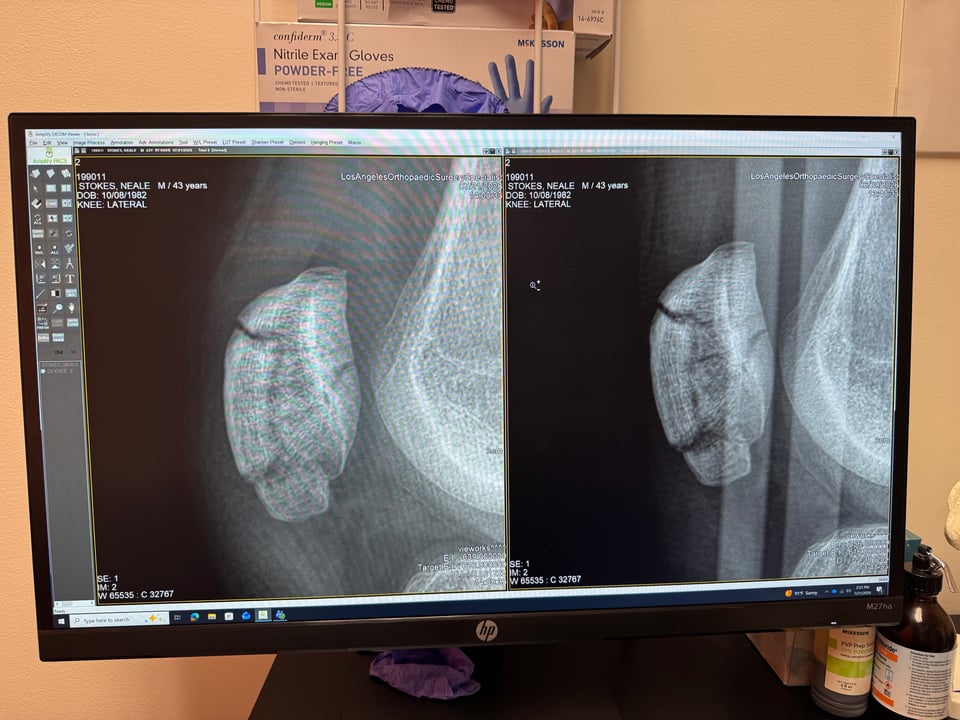
I went back for another x-ray this past week (pictured above - the left side is the more recent scan) and while the bone is not fully healed, it's made some progress. The big dark crack at the top is the straggler, and they wouldn't ok me for PT until they see a little more callus formation in that area. But the PA set my brace to 90 degrees and told me I didn't have to use crutches, so now I can walk around a bit and do some basic leg extensions. I've gone into work the past few weeks. I can't bike but I just take the bus to work, because cars are dumb, and also the bus is actually great. If you've never taken a bus in L.A., you're missing out. They're all brand new, ice cold, and the people watching is great. The worst part compared to biking is just that you have to wait, but the route I take to work is direct and has good headways. I'm catching up on some podcasts and enjoying the relief of that frigid bus AC during our miserable heat wave.
Door Holding Rules
I've been thinking about opening doors, because while on crutches it became complicated. Most people want to help when you're injured or disabled, which is good. But a lot of the well-intentioned door-holding was also awkward and sometimes unhelpful. It reminded me that I thought up a few personal rules for door holding that I try to stick to. These mostly address the mechanics of where you stand to hold a door – what you could maybe call "blocking." Or maybe that's confusing because it sounds like I'm blocking the door, which is actually what I'm trying to avoid. I mean blocking like for a play.
Basically I decided I don't ever want to be standing on the side opposite the direction a door swings, leaning awkwardly through the doorway to hold the door. It never felt right, and in some cases one ends up actually obstructing the opening slightly. It's also kind of physically hard to resist the force of a door closing with your arm fully extended like that – you have no mechanical advantage.
So I decided I should endeavor to hold the door by standing on the side of the door that the door swings into. It's better because your body is close to the opened door, you're fully clear of the doorway, and your hand is close to your body. Someone can walk through without having to brush past you or adjust their body to fit a smaller opening. This is simple if you're walking up to a door that opens towards you - you're already set up. If someone is about to come out, just pull the door open and hold it for them. If you're with someone and you want to hold the door for them, just pull it towards you and then step to the side while they pass.
The more fraught situation is when you're headed for a door that opens away from you. The following maneuver takes some confidence: if someone's on the other side of the door, you have to assertively move through the doorway, then immediately step to the side and hold the door. My theory is that for a split second, they might find you being rude, but then they'll quickly realize what you're doing and it won't matter. It's hard to be mad at someone who's holding the door for you! The same goes for if you're being followed, by either companions or strangers. This one is easier, because you just walk through the doorway and then step to the side and hold the door as they pass by.
This might be hard to picture, so I found some stock photos to explain. Basically, you almost always want to be positioned like this, no matter the direction you or others are traveling through the doorway:
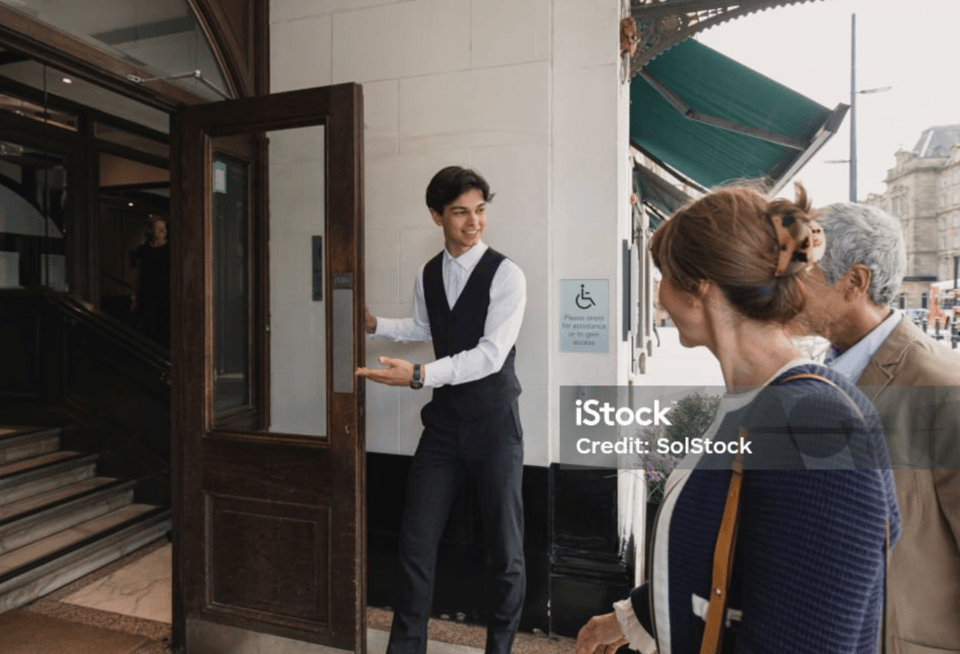

 I do think this guy should be holding the door open wider, but it's still decent:
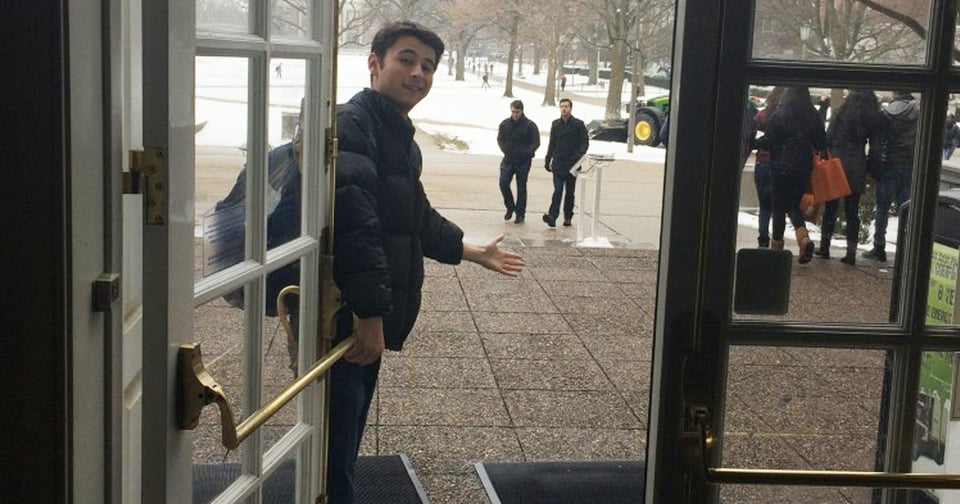
On the other hand, look at how awkward this looks:
 This holder's body is fully blocking the doorway. Benefit of the doubt: he could just be holding it until she is able to grab the door, but if he stays there and tries to hold it for her as she passes he'll be simultaneously struggling against the hydraulics of the door closer, and having to squish himself to the side while still wrapping his arm around the jamb. The door will close slightly as he moves, the holdee will have to adjust their body to avoid contact as she passes, it's just a mess. No one is going to feel good.
Another example. This is even worse. Look at how skeptical she is – she can sense that it's wrong. She'd obviously prefer to just navigate this door herself. Even with hands full, backing into the door to hold it would be preferable to squeezing past this guy.
 Then there's these creeps:
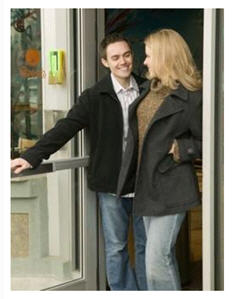
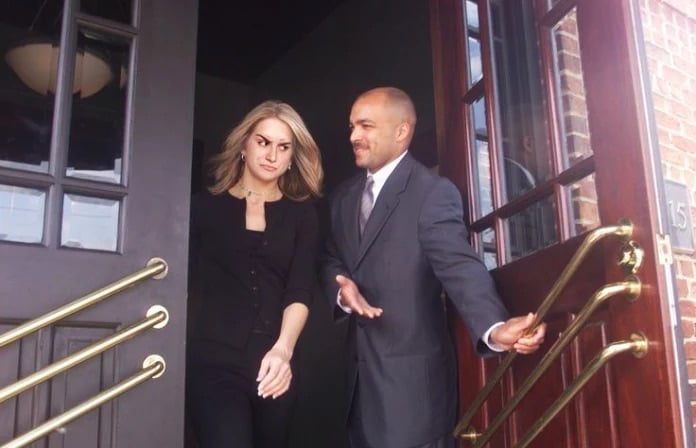
I realize these last two are probably staged to accompany (wholly uninteresting) discussions about gendered door-holding etiquette, so they're hamming it up a bit. But they still demonstrate the mechanics of subpar door holding.
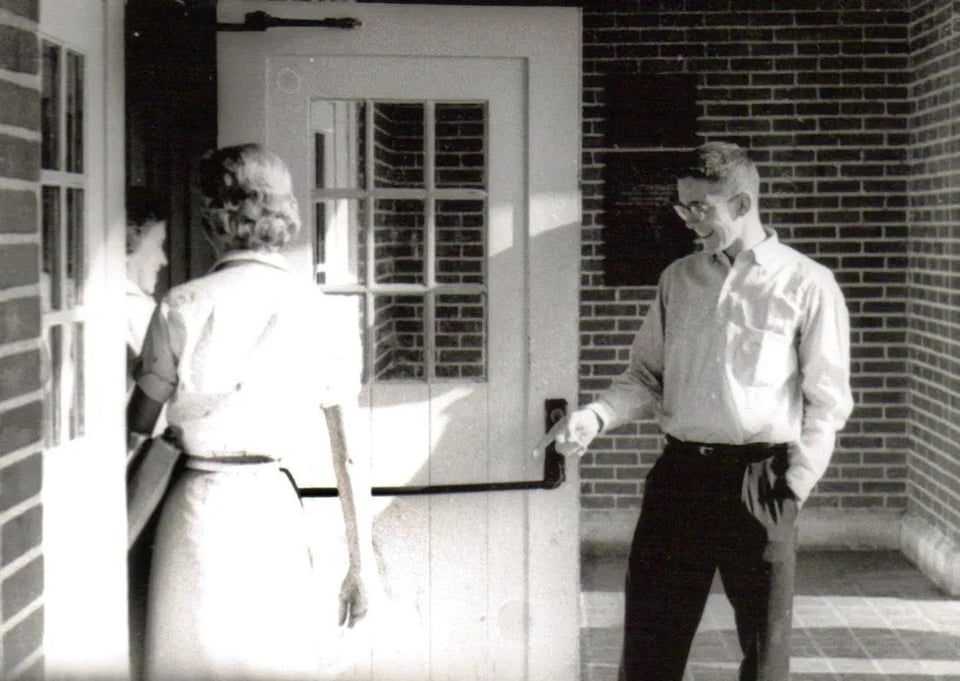
I was going to include this one as a positive example, especially because I like how he's dressed. But there's actually some weirdness here. If you look closely, he's not even holding the door! He's just pointing at these women with his other hand in his pocket. Is he holding the door, or just a bystander? Or is the person on the inside of the door actually the holder, doing exactly what I'm arguing against? I don't actually know what to make of this but I'll leave it in.
Finally, there's one thing I haven't decided on: How close behind you does a stranger have to warrant holding the door? This is tough. I have a working theory for people behind you: when opening a door for yourself, you should look just slightly right or left, but not back. Then you can see a little bit behind you in your peripheral vision. But you don't turn fully around. This way, if someone's in that limited field of view, they're reasonably close to you and holding the door makes sense. You also avoid making eye contact with someone who's far behind you. This is the classic pitfall of turning all the way around - it feels bad if you make eye contact with someone and don't hold the door for them, but it's also silly to stand there while someone thirty feet away catches up. They'll feel a little guilt and have to sort of trot toward you, and you'll in turn feel bad for that. Once again, it just doesn't feel great for anyone involved. But the peripheral vision thing might be a good approach, because you can tell if someone's just a little behind you and could potentially feel you're being rude by letting the door slam in their face. Alternatively you could look kind of behind and down, so if you see some legs you can get a sense of proximity without risking eye contact. I'm pretty open on this one - please let me know if you have any thoughts or an approach that works for you!
Recommended Things
- It's a pretty rough but Heidi Blake's epic reporting on the Tate Brothers is worth enduring to truly understand how bad these guys are.
- I actually never read The Odyssey so I got Emily Wilson's translation and read it over a couple of days. I haven't seen the movie yet but if they're not roasting meat and drinking wine in every scene I'm gonna say it's missed what the work is truly about.
- To tie them both together, here's Rebecca Solnit on both things.
- I'm only halfway through but I'm loving Jordan Harper's A Violent Masterpiece. It's solid crime fiction but it's also just written about L.A. in a way that make me feel like he really understands the city, like we live in the same place. Excited to tear through his other novels after this.
Pics
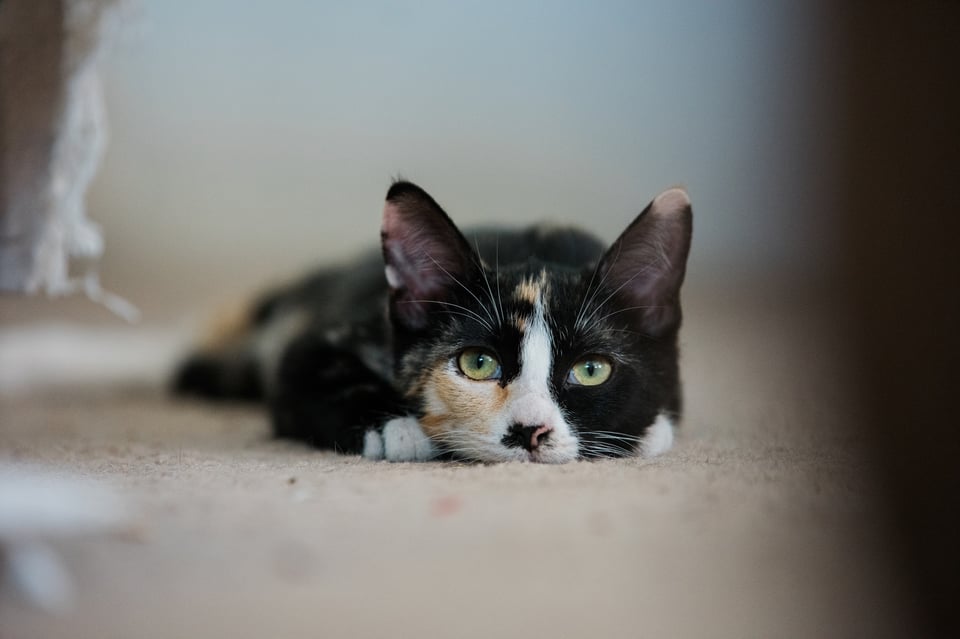
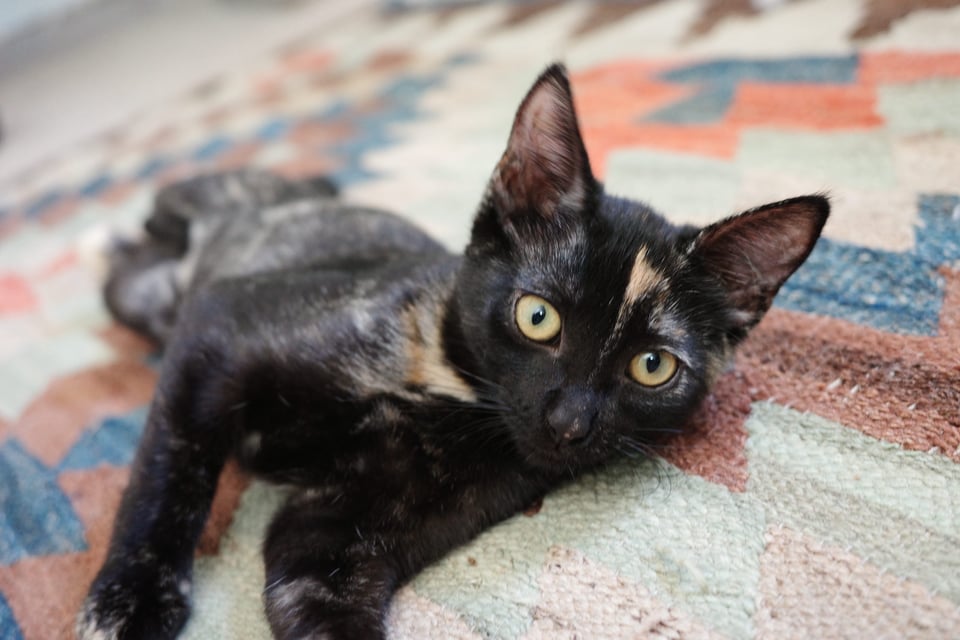
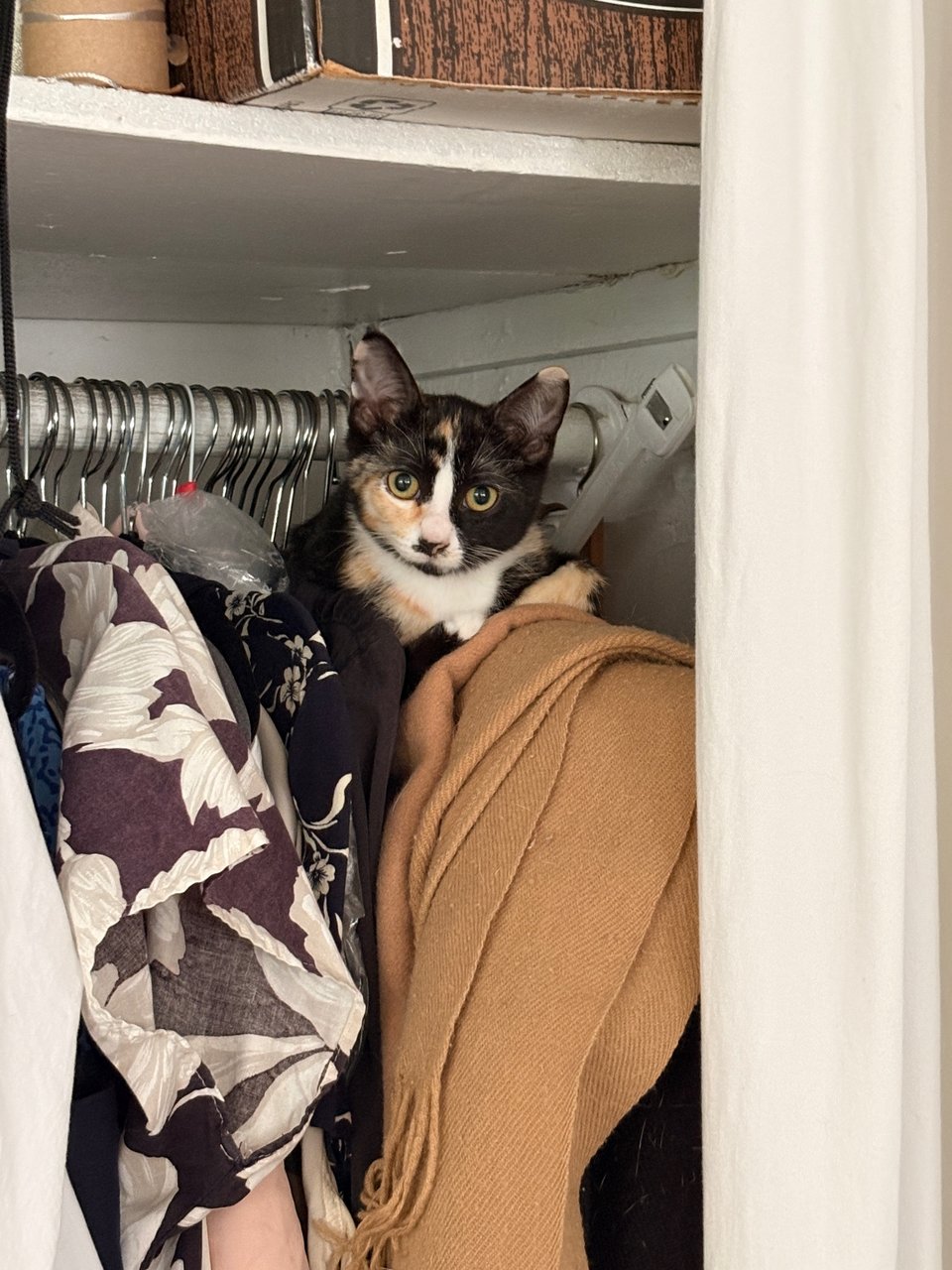
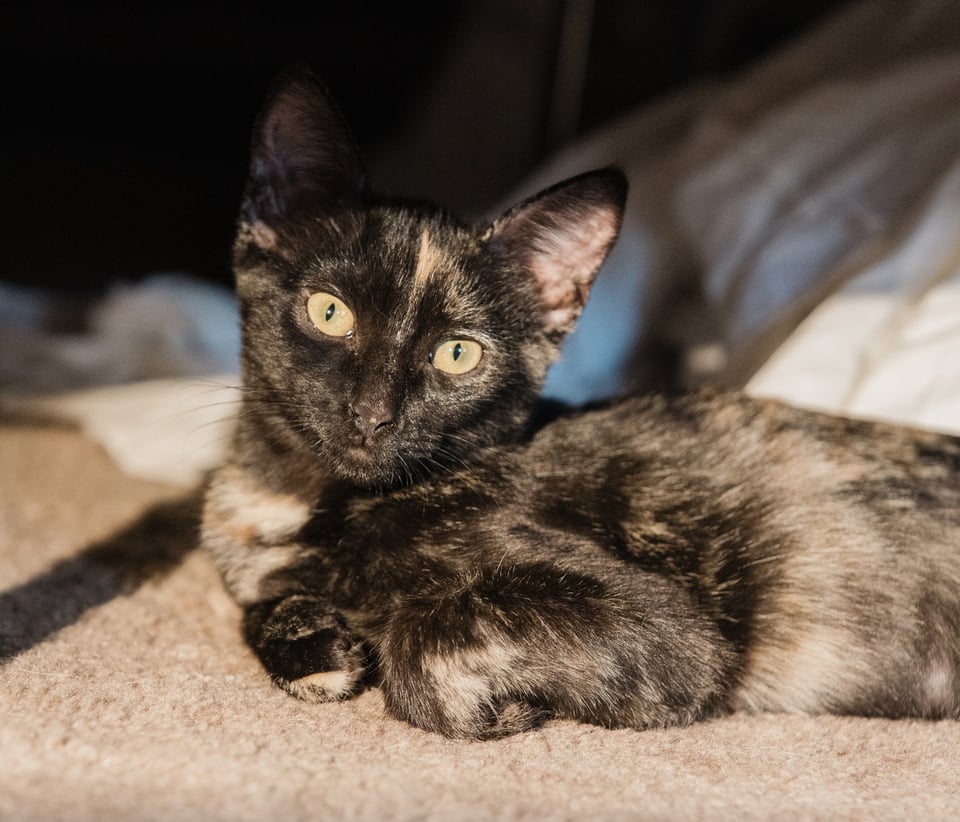
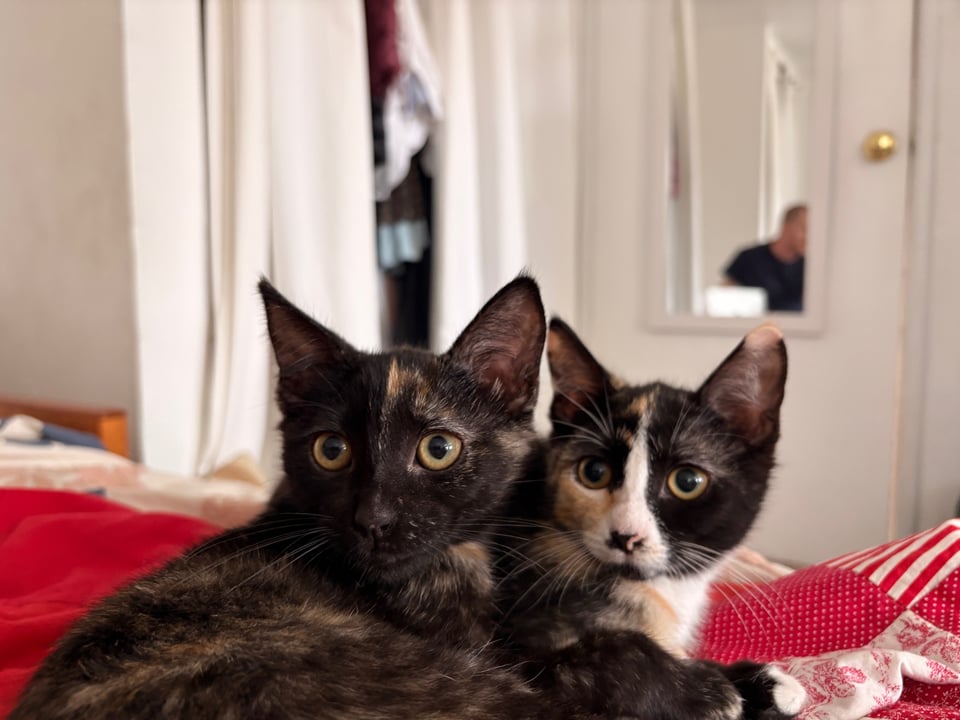
KITTENS ONLY. We're fostering these sweet sisters, Coco and Smokey! LMK if you'd like to come meet them, or if you know anyone who'd be interested.
Don't miss what's next. Subscribe to Telling You, Today: