
Writing while human: on errand avoidance
Can I make boring things doable? And some events, essays, and podcasts.
Hallo friends, and welcome, new readers!
Today’s Notes from a Science Historian:
Newsflash: upcoming events
Writing while human: on errand avoidance
New monster-adjacent essays published
New podcast episodes released
Newsflash
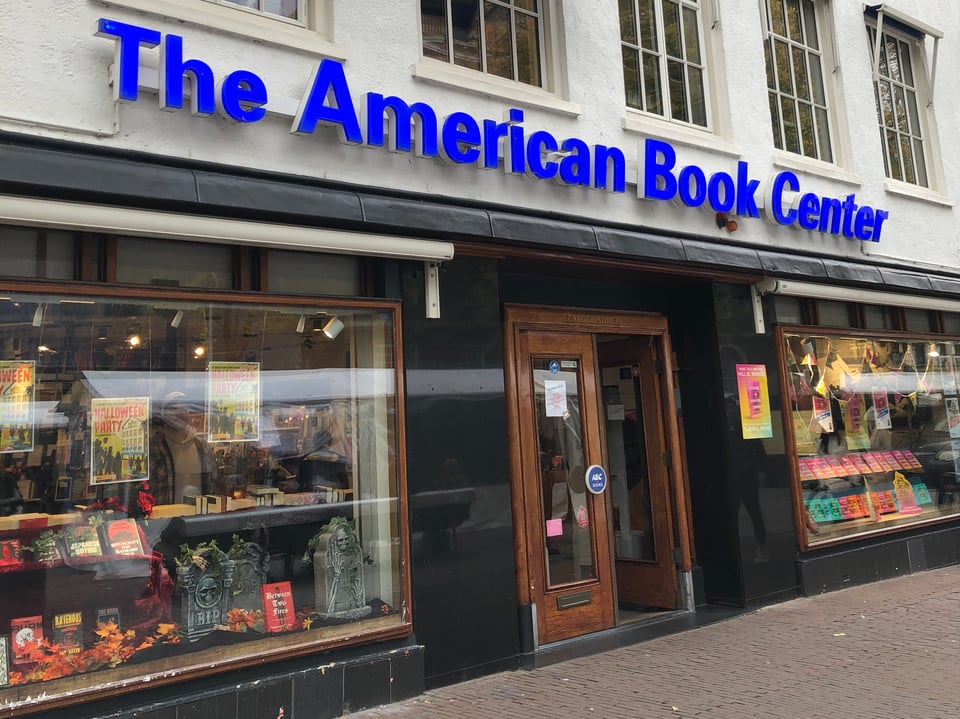
FREE book event, register now: Friday 13 Nov, 17:00-18:30, American Book Center, Amsterdam.
TBA: I’m doing an event in Switzerland in late January! I’ll share this as soon as it’s on the event website.
Writing while human
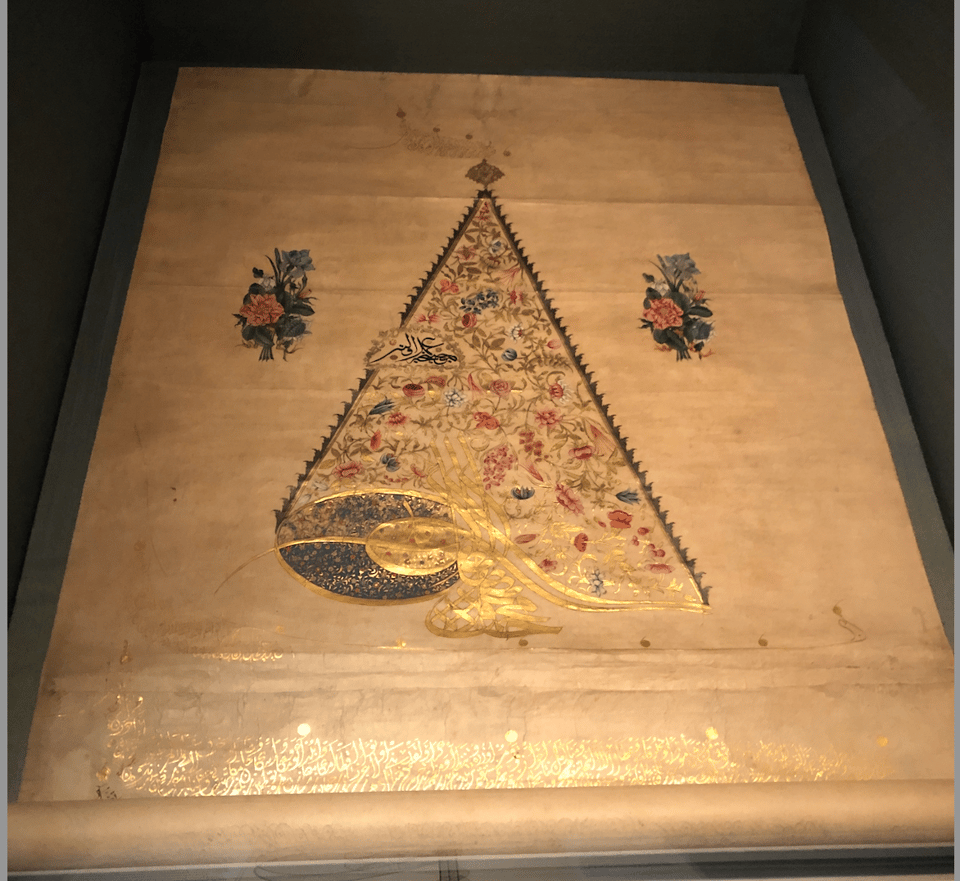
Being an early modernist by training, I expect paperwork to look visually extraordinary, like the Ottoman example above. About a metre (three feet) in height, with golden writing, this decree grants land to Beşir Agha, the chief eunuch of the imperial harem. Agha, born in Ethiopia, was enslaved as a child and trafficked to the Ottoman empire. He would become one of the most powerful figures at the Ottoman court.
In Humans: A Monstrous History I wrote about the Ottoman court in the chapter on gender. It was thrilling to see in person a material trace from story. But the all-round awestruck feeling of running into centuries-old paperwork when you don’t have to do the paperwork creates unreasonable expectations for life in the present.
A lot of writing advice is about getting your butt in the chair, moving your pen across the page, or wiggling your fingers on the keyboard. As for the research that comes before writing, people recommend being strategic, patient, and methodical while making sure you don’t use research as an excuse to avoid writing.
That’s all good advice, but it’s only part of the story. I’ve become too good at prioritizing writing, research, and getting the word out about my writing at the expense of far less fun, less creative, and less rewarding mundanities that are also part of the life of the mind. Those unmentionable activities might be lumped together under the lumpen word of paperwork.
Many quick-to-do but boring things I put off don’t become any less boring with time. In fact, they often feel worse in anticipation. When they pile up (prime example: entering expenses into spreadsheets) I end up spending days on them. I lose weeks of quality time and bandwidth at once.
I noticed my emergent spreadsheet allergy a couple of years ago. I would complete step one of a three-step filing task that would take less than five minutes to complete in one sitting. But try doing four hundred at once, once a year. That’s weeks-worth of minutes. Yet I still procrastinate on spreadsheet entry tasks that are boring but are neither horrible nor time-consuming if you only have a few to do at a time.
WHY do I do this?!?!?
I think the answer is displaced feelings. Soul-crushing errands that make me feel meh are perfectly fine to do, but remind me of something bigger that I can’t fix in five minutes.
Like the uncertainty of being a freelancer.
Like the political volatility of the world.
Like the way so many economies are structured to reward the super-rich and to help them erode democracy and human rights while punishing those of us who need to earn a living, and who try to do it without grinding other people into the dust.
Can I metabolize those feelings into actions that help me resist what I can resist, and ignore what I can’t? Maybe.
When I achieve exit velocity from the current spreadsheet hell-cauldron I’ll draw a cute diagram and give myself a tick for each day that’s tidied away. It sounds too simple to work, but every time I’ve built an effortless habit it’s been because I focused on a tiny, concrete action that sounded too simple to work.
Subscribe for free to receive subscriber-only goodies!New bylines
In my review of Eleanor Johnson’s Monstrous Bitch: A History of Terrifying Women (Princeton UP, 2026) for Drafting the Past, I summarized some of my strong reservations about the book.
ICYMI: I reviewed Eoghan Walls’s wonderful historical novel Field Notes from an Extinction for Foreign Policy.
If you don’t have a(n institutional) subscription, here’s a gift link (you’ll need to provide an email address), a gift link to a PDF without the images, and a link to a home-made PDF of the article with images.
Two new podcast episodes
I chatted with Gareth Edwards about the long arc of monsters in the history of geography, from antiquity to the age of European oceanic exploration and empire, on the Untitled History podcast.
I chatted with Michelle Franklin about category-making as a choice, and about how the monstrofuturism (as I call it) of Star Trek: TNG and The Muppet Show offer better ways of telling stories about humanity, on the Legends and Lectures podcast.


Add a comment: