May 2025 // An Interlude in China Mainland
A compilation of photos from a trip to China.
Main Dish: Moments from a Trip to China
Foreword: On Journaling
The most difficult problem of traveling is deciding which of my seven notebooks to leave at home. Packing feels like having to pick my favorite child. Yet, the go-go-go of travel rarely gives me the time or mental space to sit down, let alone write, so I end up lugging around my careful selection untouched until I return. After a long time without journaling, my mental state slowly frays until memories and key good parts of my personality start to leak out like water through a cheesecloth. This time, I was determined to maintain my sanity by relying on a faster, more portable journaling method. I managed to produce, through thick and thin and iron will, 18 days worth of stream-of-consciousness multimedia journal entries documenting my entire internal journey in Mainland China.
Looking back through these journals almost two months later is jarring. I managed to capture many precious and fleeting moments, but I’m (still, after all this time) shocked at how I become such a different person under different circumstances. These entries are fascinating to me in the same way I’d crane my neck to look at the scene of a car crash from the passenger seat.
I didn’t yet know when I suggested this trip late last year how much more volatile my mental and physical state would become. Yet in rereading my entries to create this compilation, I found that between all the moments I had cracked, the journal was instrumental to bringing me back, at least even partially, so that I could experience the present. Rather than a passive record, this journal was a tool through which I grasped my agency and direction.
This exercise has proved to me one crucial thing: I cannot live life without observing it. If meditation is the tool used to observe one’s mind without judgement, journaling may be a similar tool but for observing one’s life, while also giving one the ability to change, reframe, curate, redirect, and transform. Journaling is the act of choosing what to focus on, and what you choose to focus on has a great effect on what you become.
4/26-5/1: Jilin
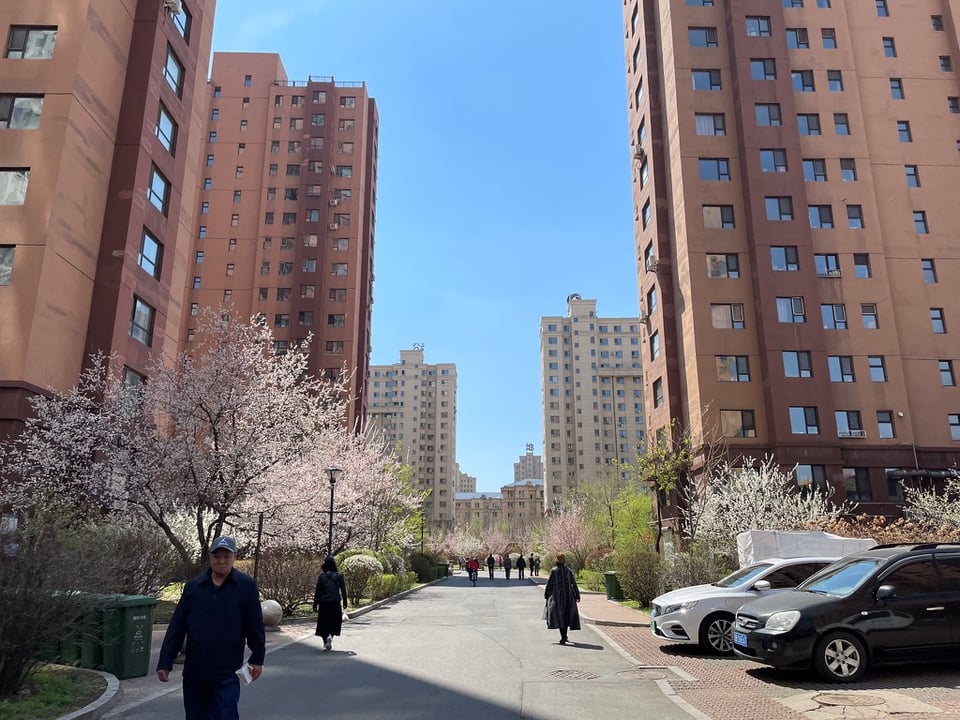
The brutalist style of architecture is just as I remember from 8 years ago, although the residential park looks much nicer. I got a second wind of the sakura here in Jilin where the latitude makes the late April temp as crisp as that of Feb-Mar in Kansai.
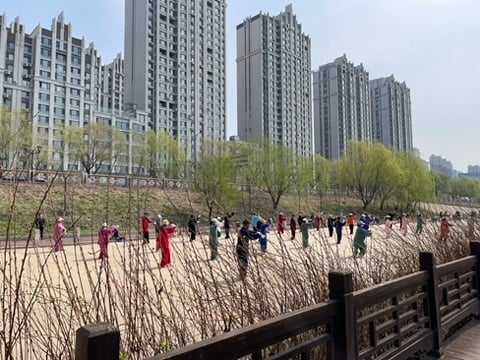
Noise hits you like a wall the second you step out of a building. I had cultural whiplash coming from Japan, where noise is carefully controlled and highly discouraged, to China, where the casual unleashing of public noise made concert earplugs everyday carry. Noise was sometimes unpleasant, like the dialogue of someone’s unmuted soap opera on trains, the unrelenting honks of car horns on the 14-lane main roads (if hell was a place it would be a 14-lane main road), the artificial chipmunk voice of someone’s douyin feed at the next table over in a restaurant, a guy hacking up a loogie, someone hollering down the street about a normal thing (people often joke about this, but polite, everyday Mandarin can indeed sound angry). Noise was also an essential piece of communication, community, and revelry. I admired how fully communal spaces were utilized there. Walking down the riverside on a Sunday morning, we saw more than three groups of people dancing in various ethnic styles to music booming from speakers. On another day, we saw groups practicing taichi to an atmospheric background track and a cluster of elderly folk musicians playing a session.
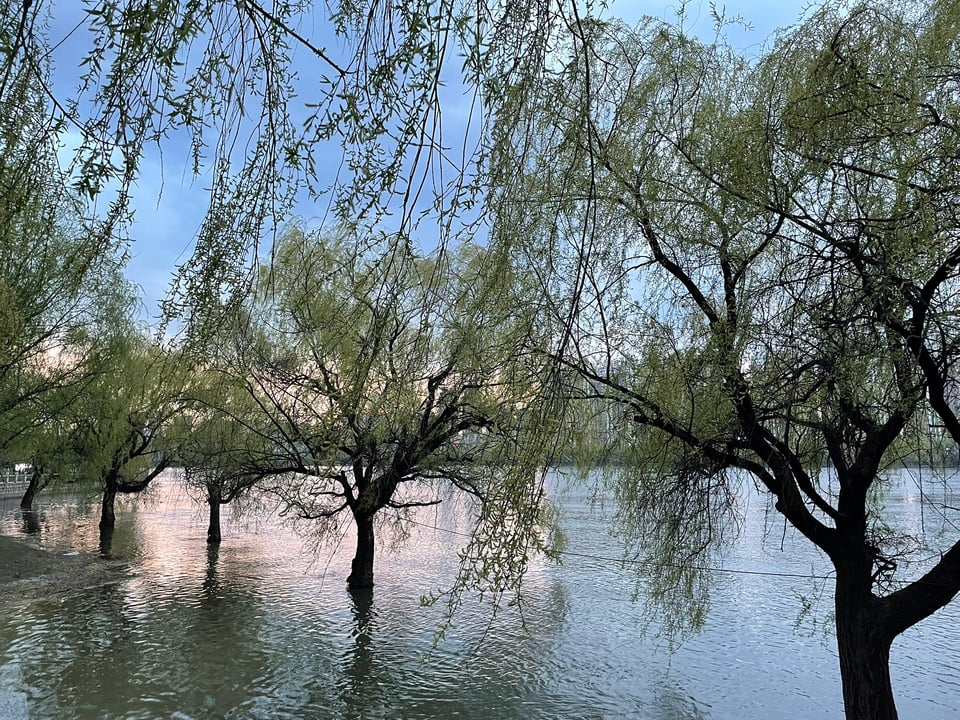
Every afternoon we had these massive dinners with extended family. Some folks I had not seen in 20 years. After dinner, when the unventilated chain-smoking began, I escaped to the Song Hua Jiang and walked the riverside, where my father would meet me later in the evening.
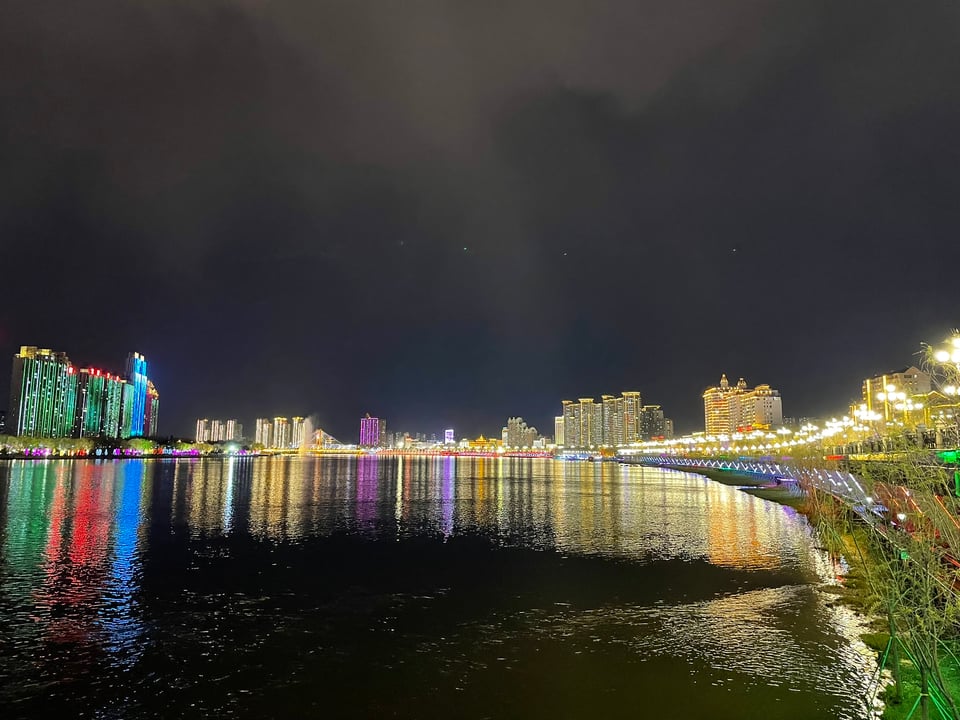
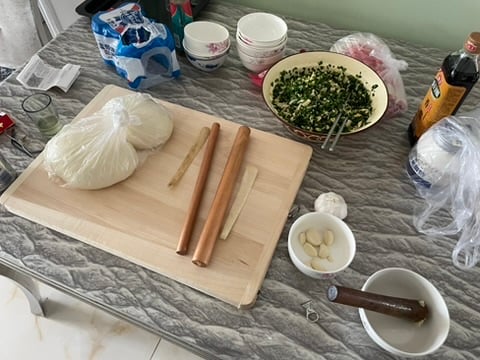
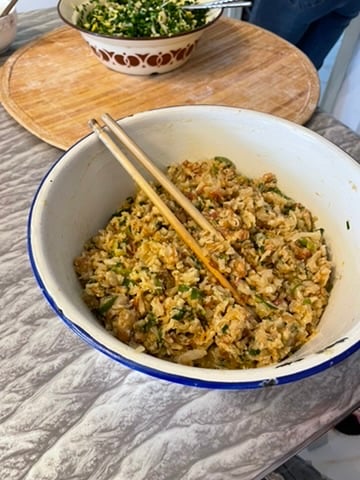
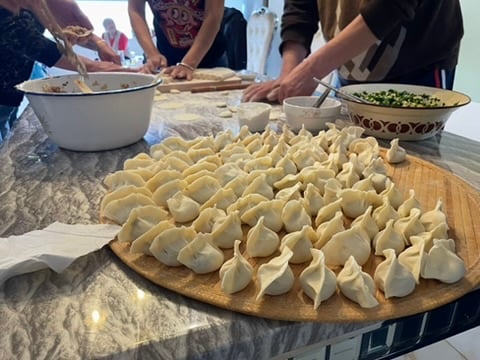
The highlight of the trip was lunch on our final full day. I had never seen a full 9 person’s worth of dumplings come together this quickly in my life.
5/2-5/6: Xi’an
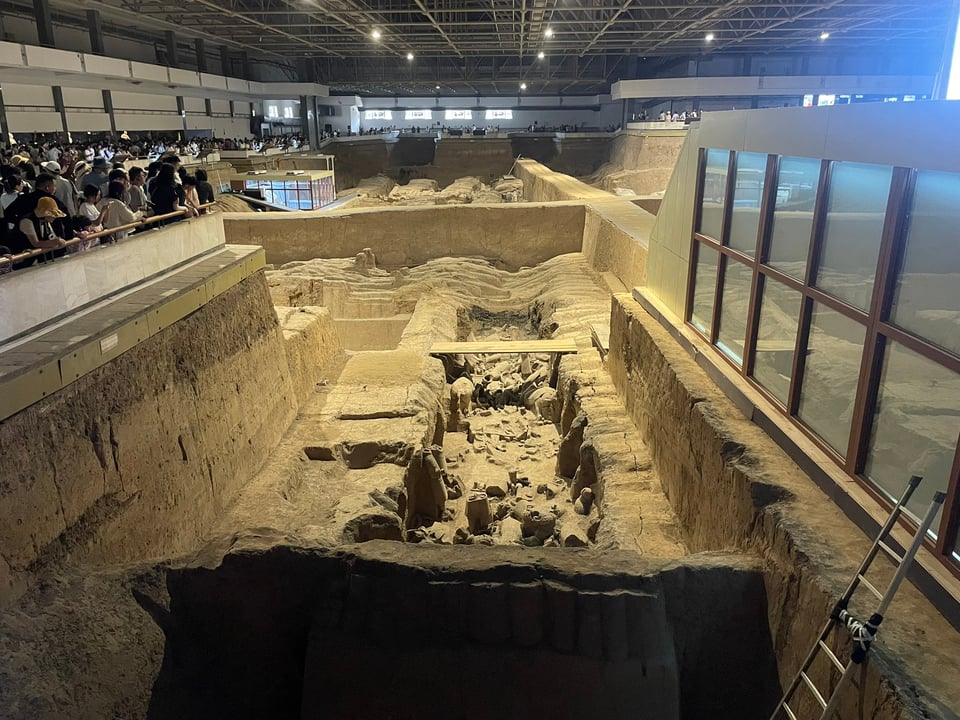
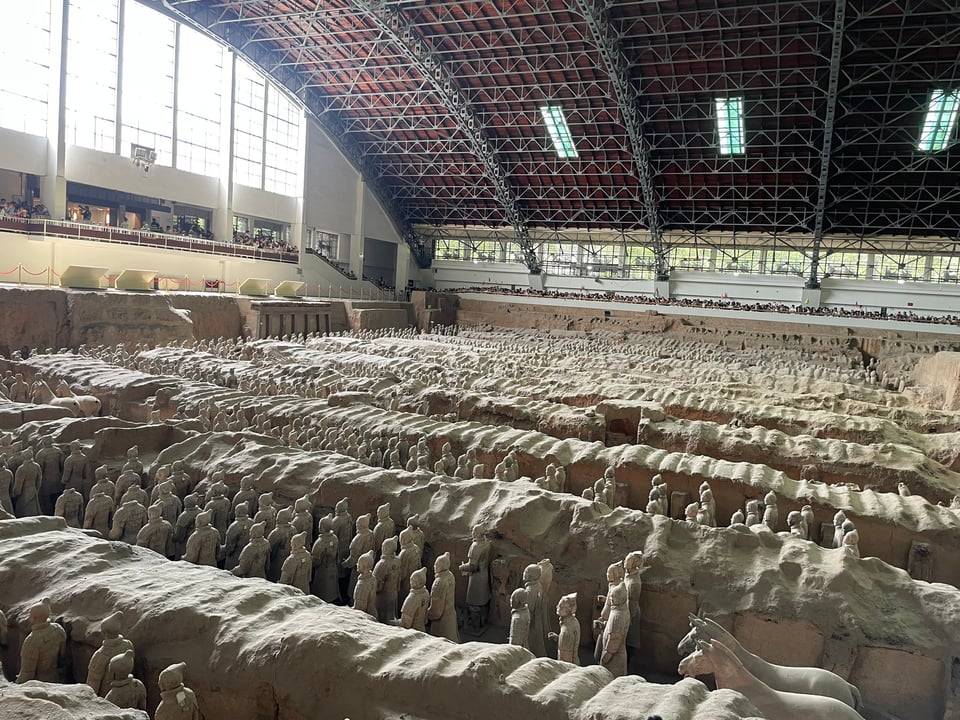
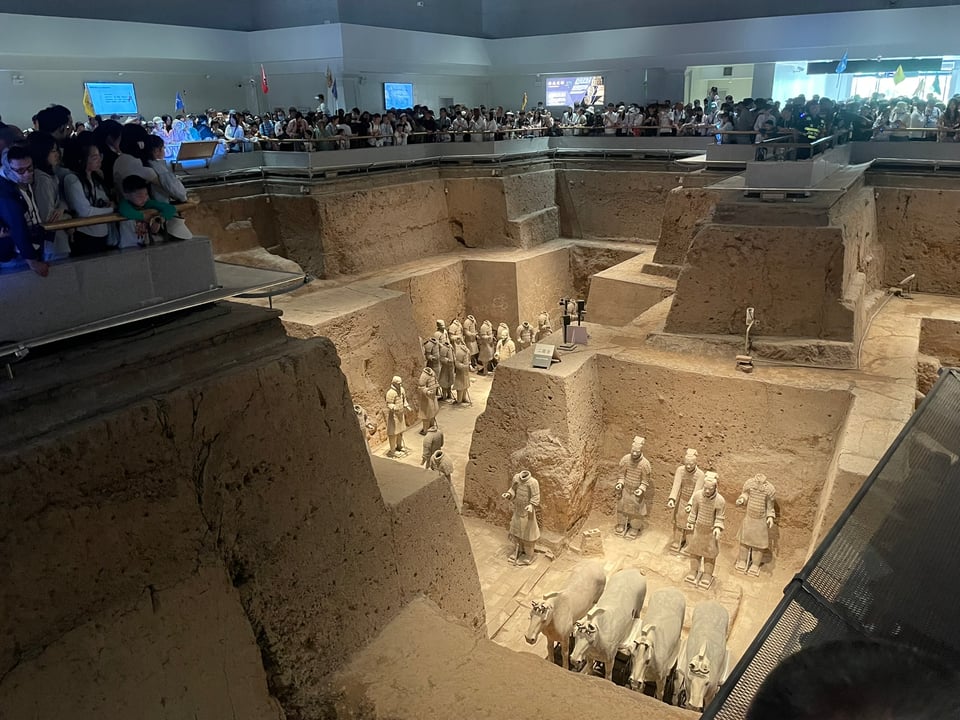
After Jilin we began our two week sightseeing journey, first traveling south to Xi’an. We unfortunately timed this leg of the trip with the Chinese labor day weekend. I had never seen so many people, both clay and flesh, in one place in my entire life.
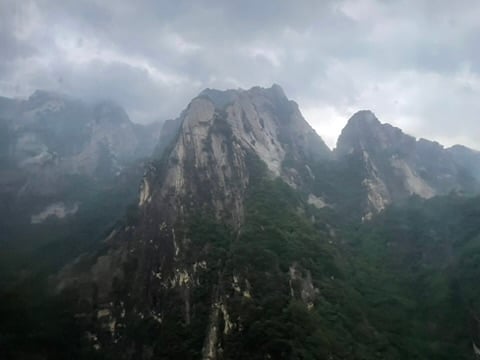
We hiked the famous Hua Shan, a mountain of mythical importance in the Chinese canon. I kept listening for the pronunciation of this mountain’s name but it ended up being a mysterious 50-50 split between huá (rising) and huà (falling). My grand-aunt pointed out edible plants while we waited in line to enter the mountain park (to my delight, since I had been curious about the urban foragers in Jilin). A ropeway ferried us to the northern peak and from there we slowly made our way to the other peaks, stopping at Baiyun Peak along the way.
I always believed the traditional ink paintings of mountains were stylizations that didn’t really exist (or at least, were beautified and enhanced versions of their original references), but the striations, the clinging vegetation, and the way the cracks resemble a cascade of branching rivers was real and stunning. An earlier mountain we climbed (Lì Shan) had signs that indicated the rock there was a type of gneiss. Perhaps these were the same.
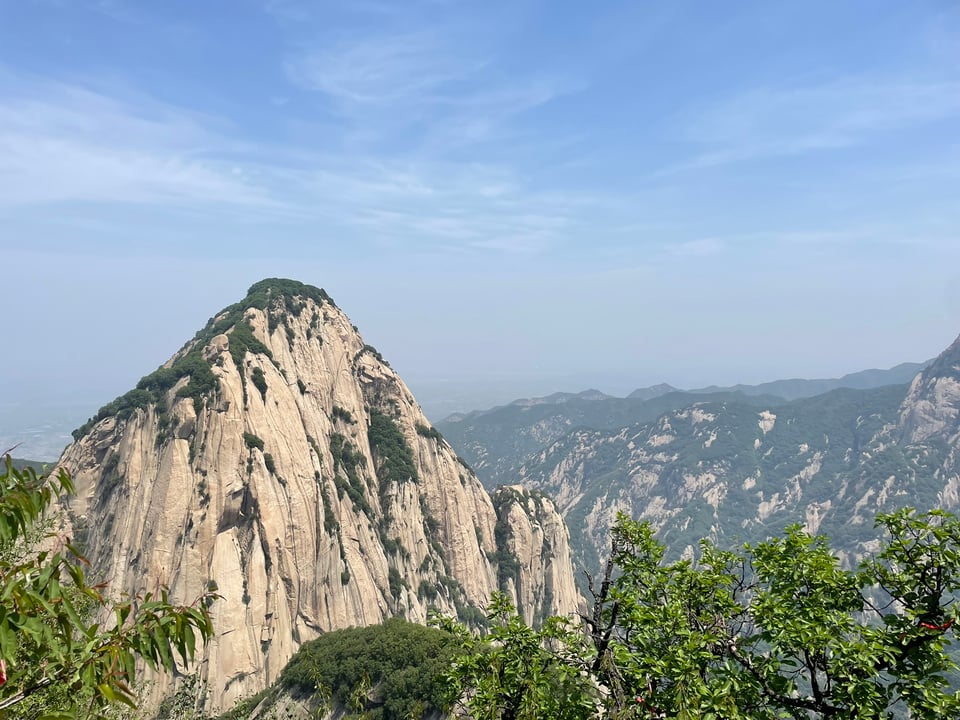
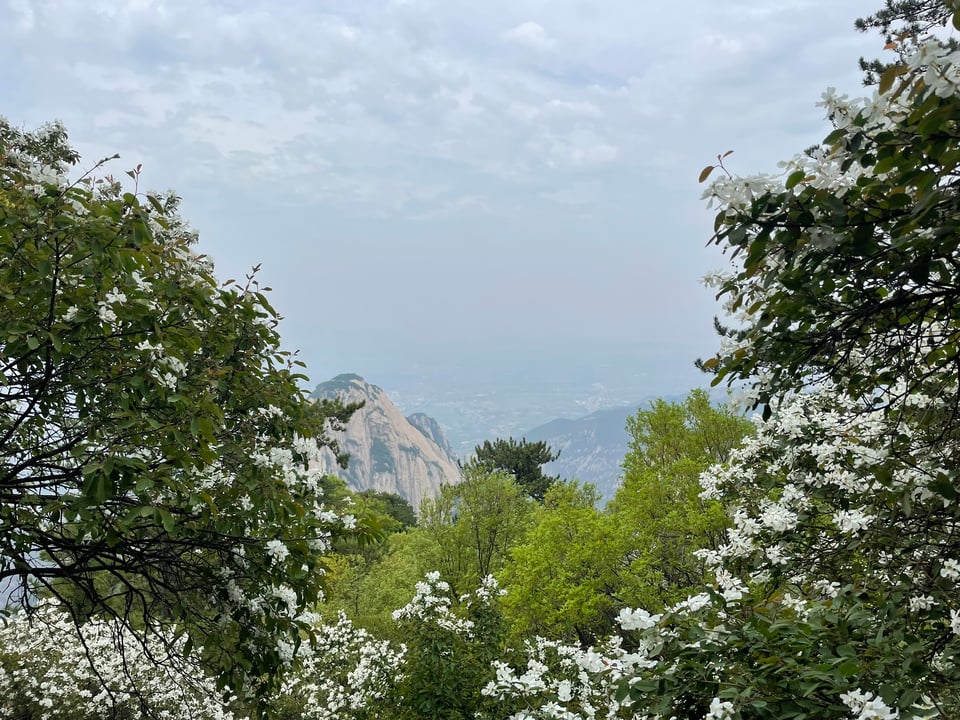
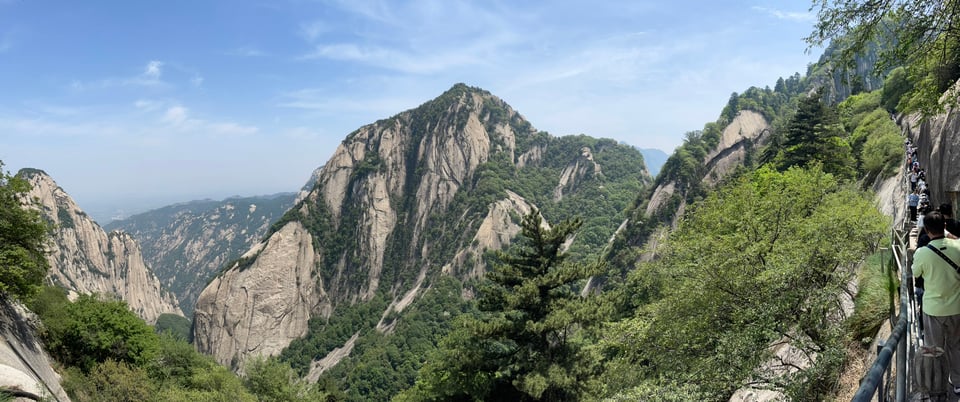
Hua Shan is known to be quite a strenuous hike, even if you start with a ropeway and only traverse between peaks. In the states I’d expect a mountain like this to have thin crowds even on a long weekend, but to my surprise, this place was packed with people like sardines. In fact, throughout our entire trip I noticed Chinese people everywhere do not give a fuck if they’re out of shape, they will hike the shit out of a famous mountain for that peak selfie.
We arrived at the western peak after huffing and puffing up a steep flight of stairs. My inspirational great-uncle, who is past 80, trucked along the entire time no problem.
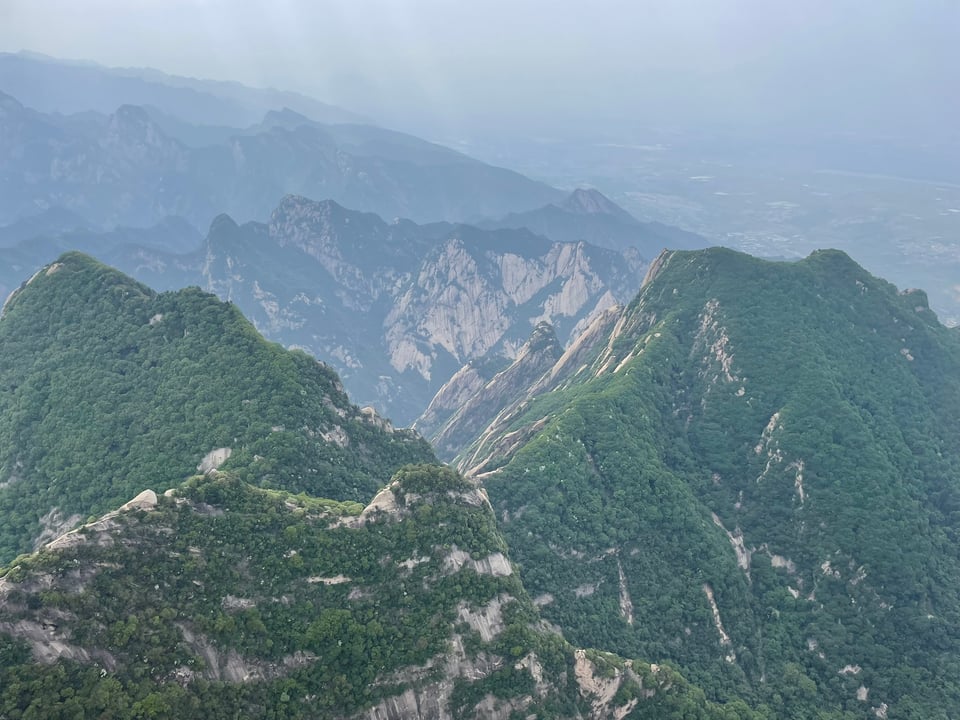
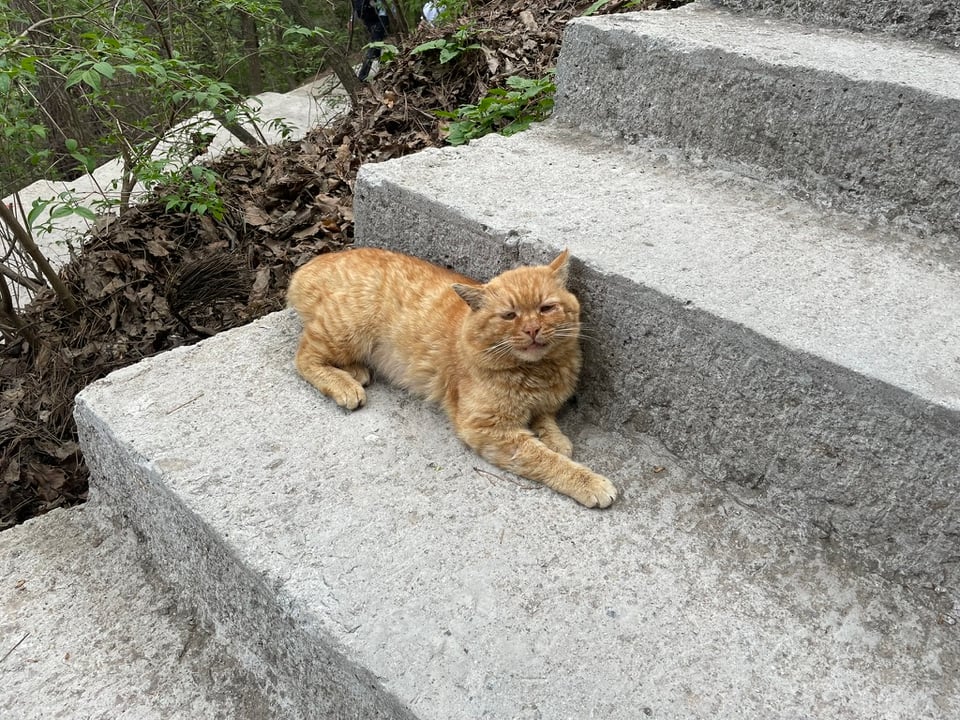
My favorite part of hiking is feeling like you exited society and entered Earth, but uniquely throughout this entire trip, I felt like I never left society. Mountains were carved with steps, packed with people, embedded with elevators, and filled with the voices of people pitching for sales. Noise is essential, and inescapable.
On our way to the ropeway down, we were cut off by a sudden rainstorm that temporarily closed off the ropeway. We were stuck on the mountain for far longer than expected, watching drama unfold and a fight that involved the police (apparently there were police on the mountain). After the rain let up, we managed to get on the ropeway safely back down.
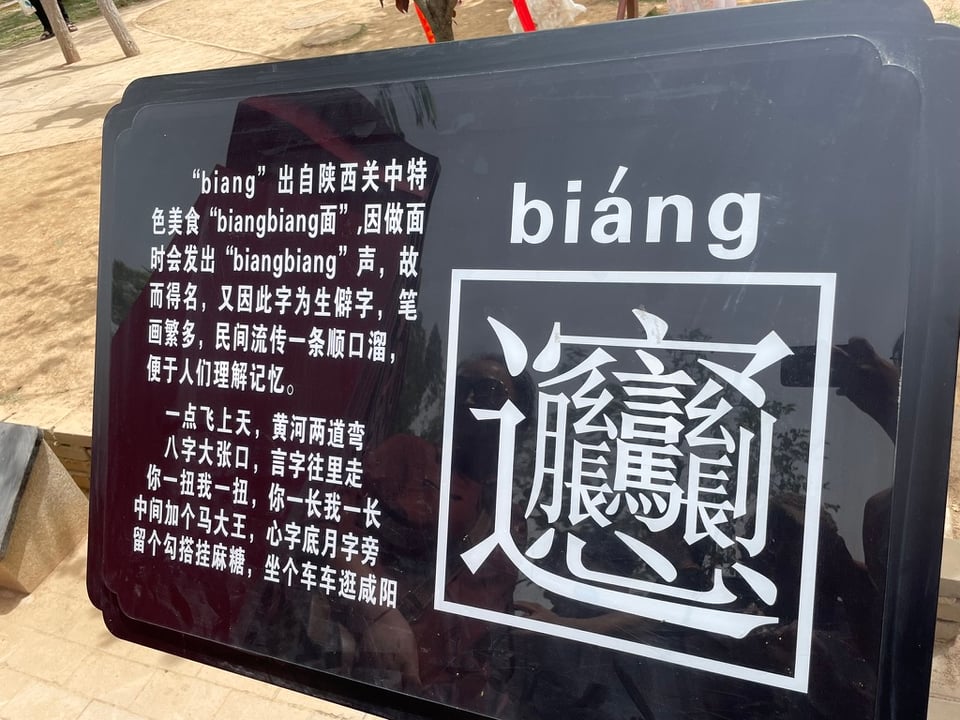
Our next stop was at a theme park where we discovered an amusing sign explaining the origin of one of the city’s specialties, biangbiang面, or biang biang noodles: very wide and very long noodles in a broth or a sauce.
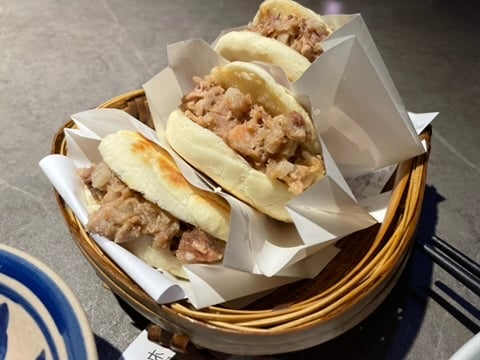
Another specialty here resembles a pita bread sandwich encasing a generous filling of pork.
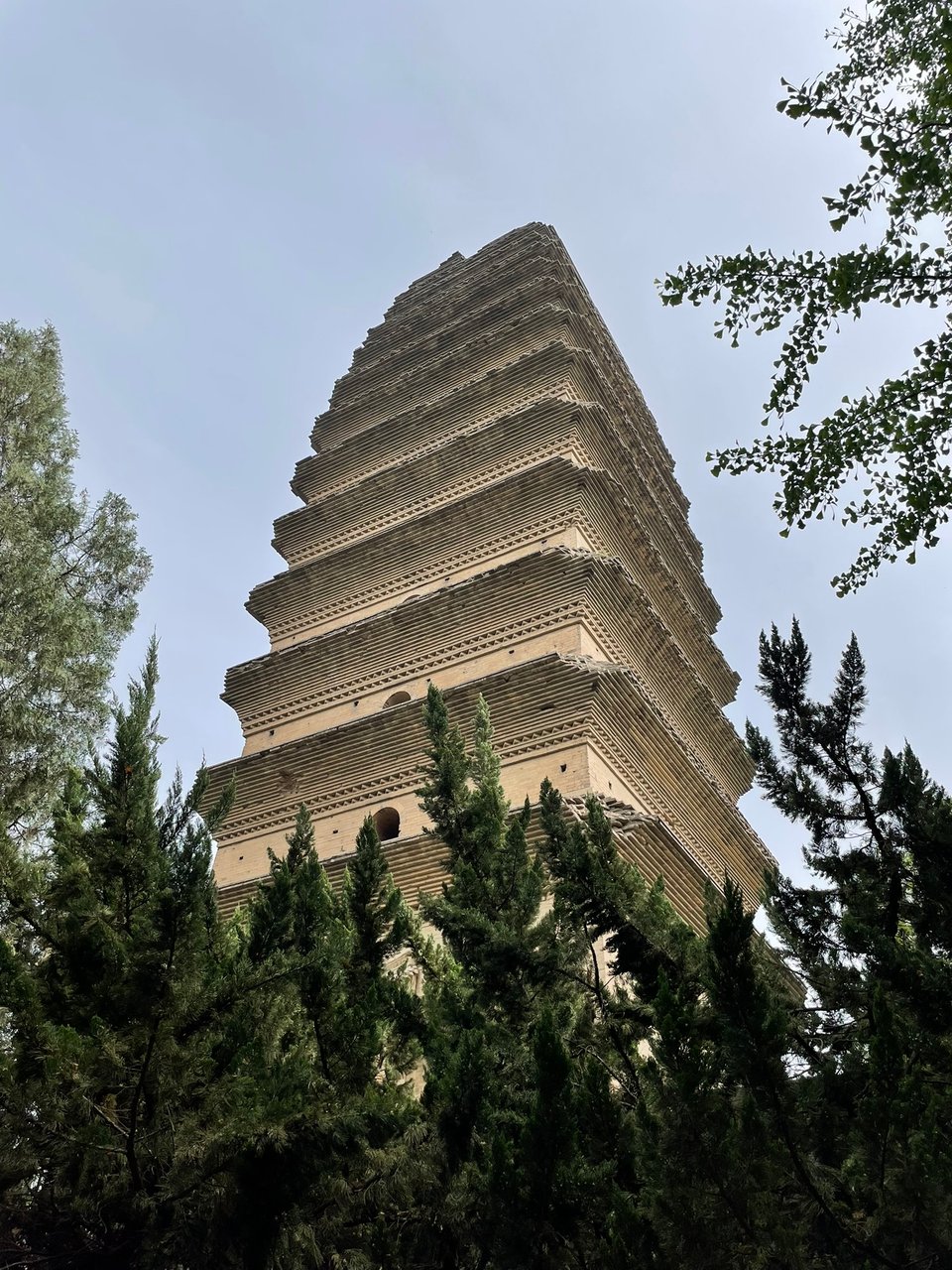
We did a lightning round at the Xi’an Museum where our very tired, very knowledgable tour guide took us rapidly through the highlights of the exhibits.
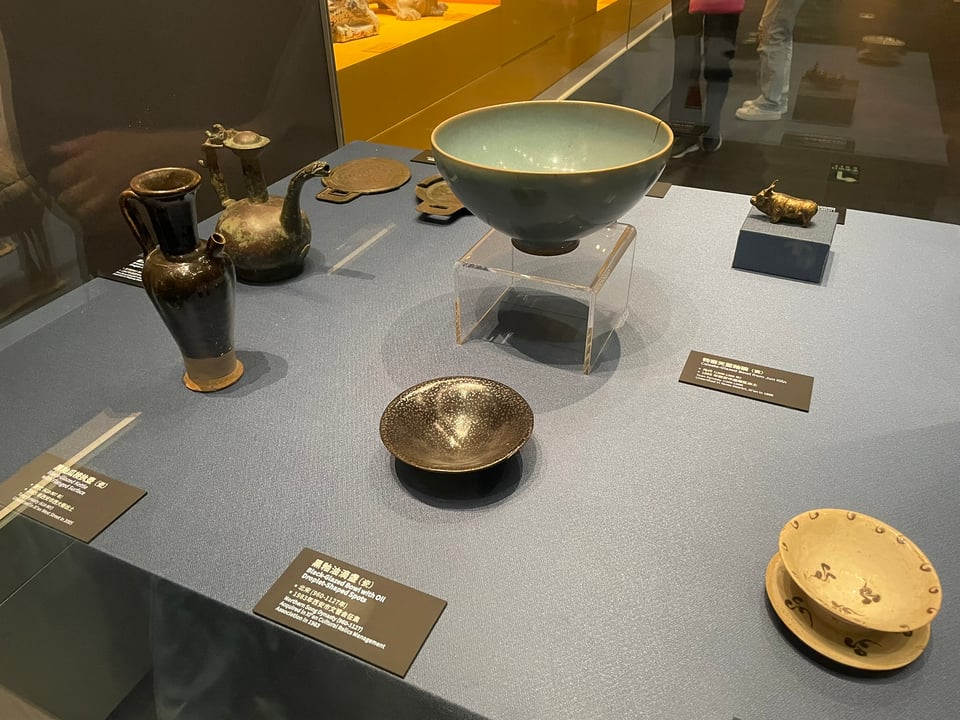
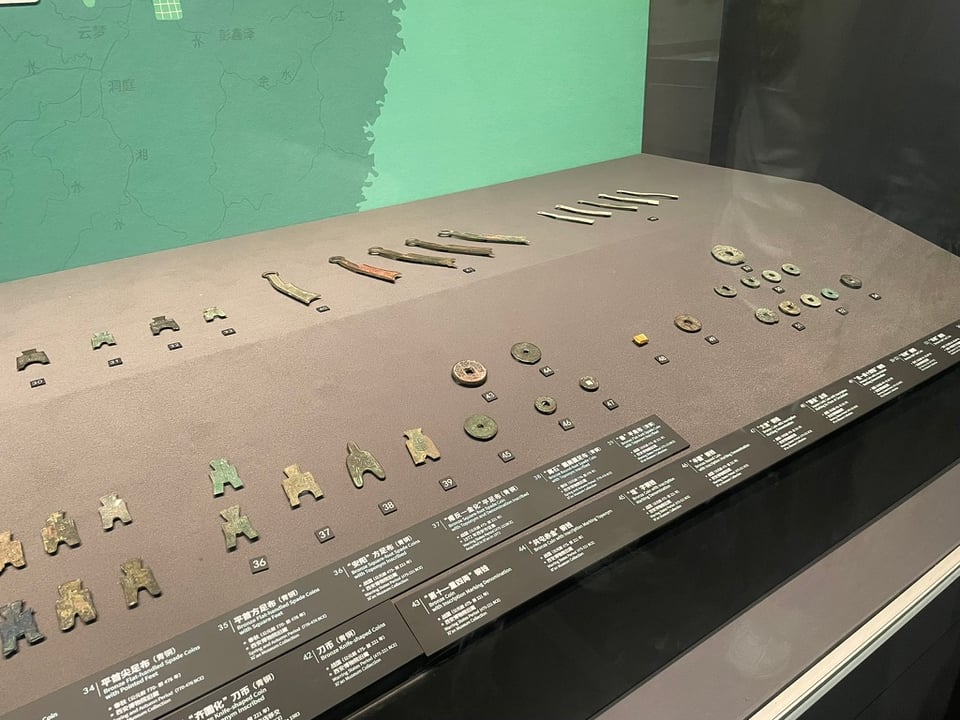
My favorite memories with my brother always involve food. I have a distinct memory of us in San Francisco, me half-running behind him with a bag of bread and pastries he wanted to try, or the day we went out and got Humphrey Slocombe together with my sibling and walked through a park together at sunset. When we locked down at his house during the early pandemic months, he would bring home delicious treats from the Grand Lake farmer’s market and different local bakeries every weekend. His freezer was a shrine dedicated to Straus ice cream that we had to gorge on once when the power went out in the summer. After dinner, he’d always split an apple with me. I don’t know anyone else who could make a large square chopping knife move like a delicate blade to core an apple.
My grand-aunt and I let my expert brother lead the food exploration at Yong Xing Fang, a shopping district packed with stalls selling Xi’an specialties.
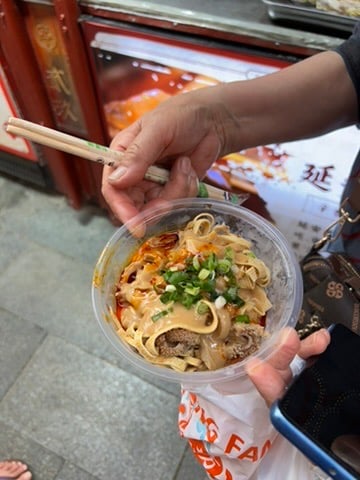
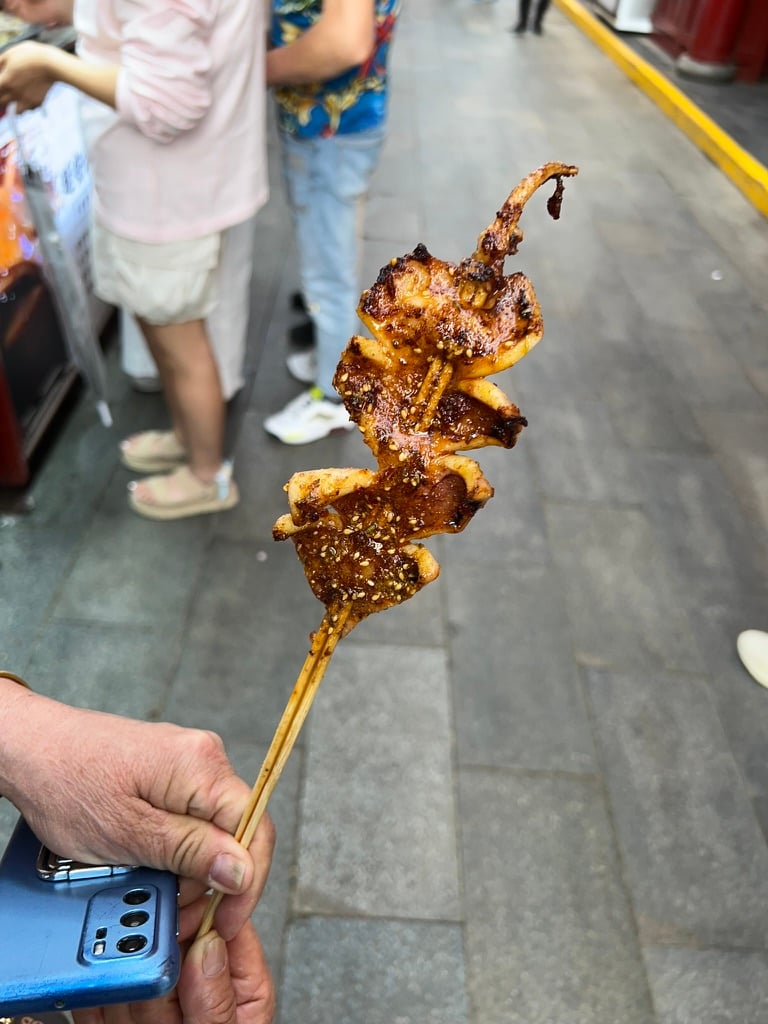
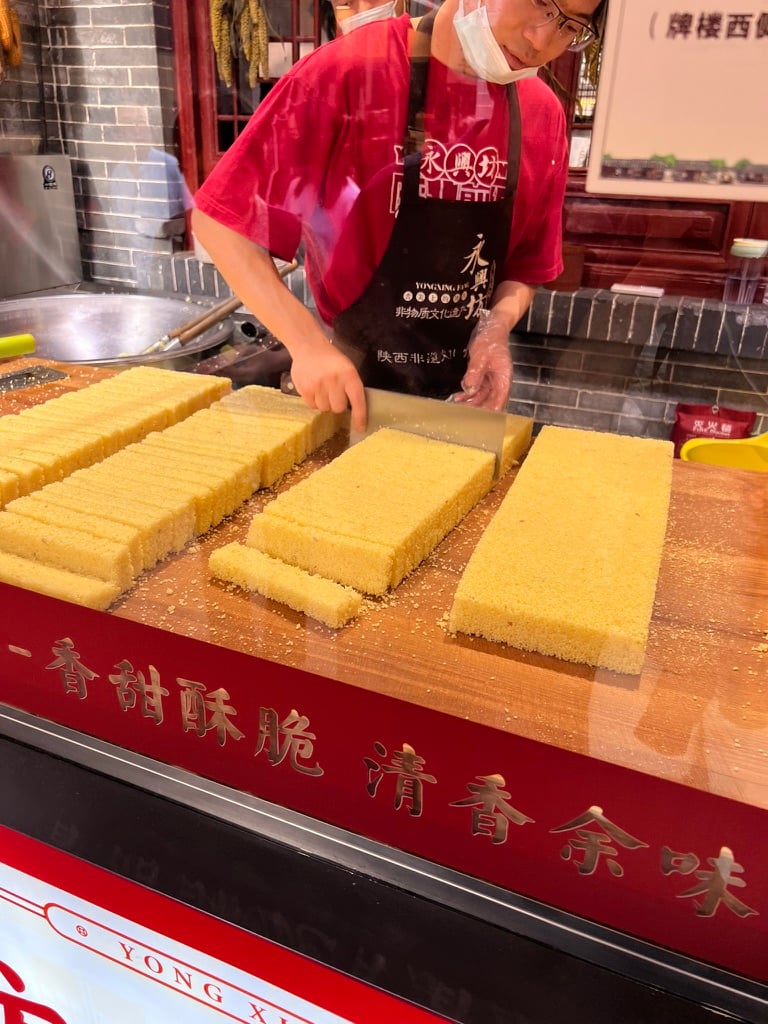
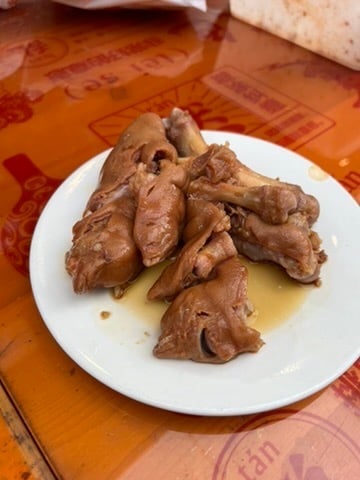
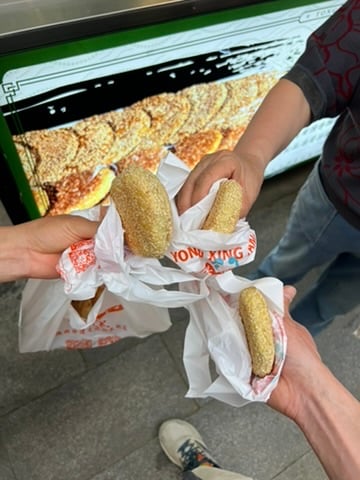
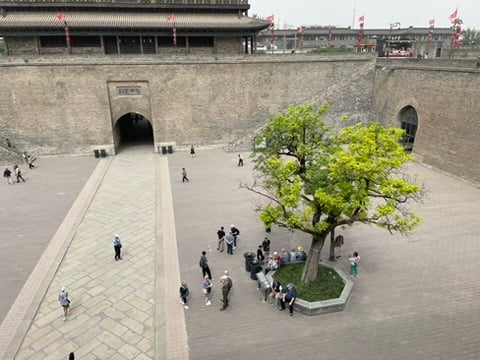
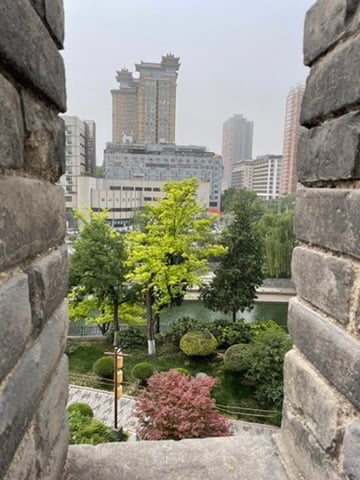
Although I am a little more used to speaking Mandarin than my brother is, he excels at listening. We worked together often to form one semi-functional communication team. I was glad he was here to help me understand when our tour guide explained the story behind this tree, surrounded by the four walls of this famous fortress, meant to be a visual pun forming the word 困 (meaning siege) to symbolize victory in war.
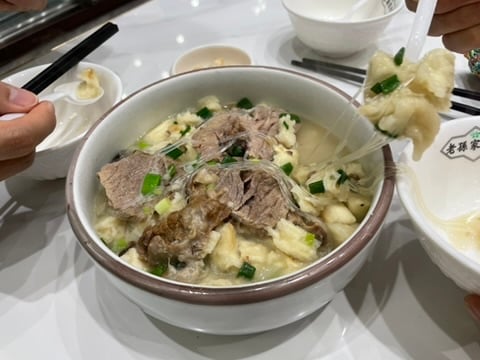
We discovered another specialty, where you rip tiny pieces of a dry, round bread into broth. This originated as a more appetizing way to eat rations.
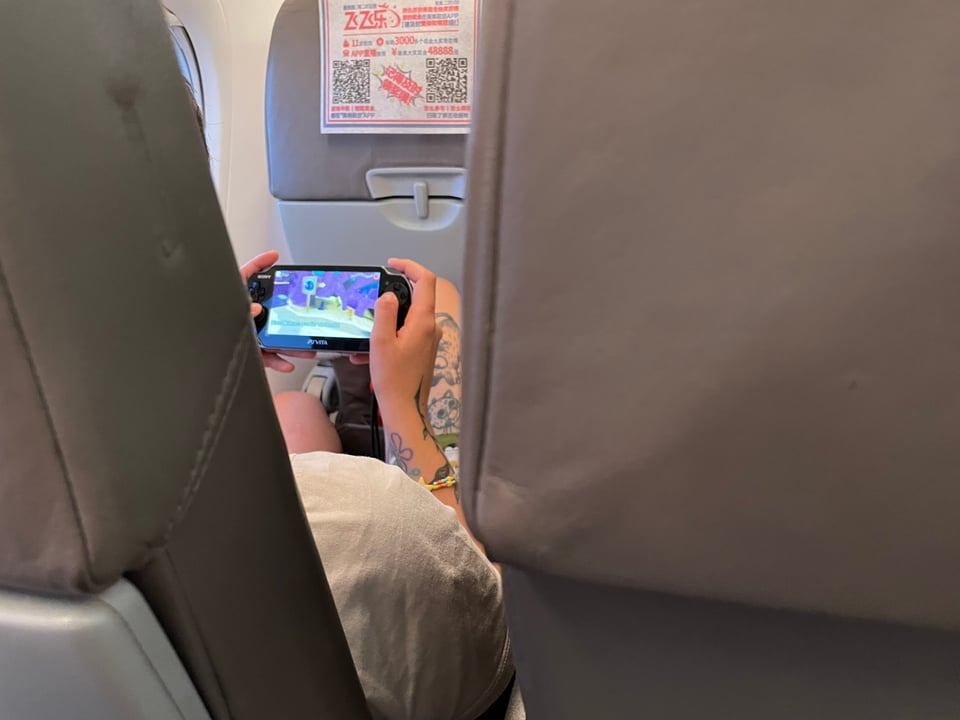
It struck me sitting on the plane to our next destination that I hadn’t been on a plane with company, let alone a member of my family, since I flew back to Seattle with my sibling in 2023 after a wedding. My brother tapped me on the shoulder and pointed out the person sitting in front of us playing a video game on an ancient console of yore, the PS Vita. Moments after I snapped this photo my dad scolded us for being obviously nosy, just like the good old days.
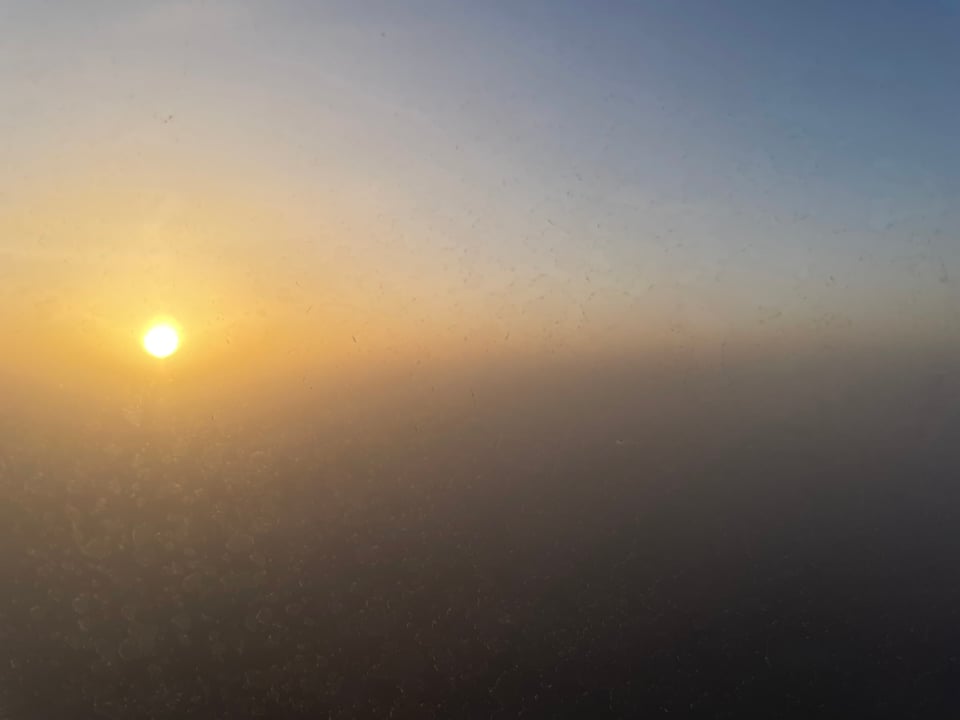
A majority of the plane flights in my life were necessary evils for getting to important places, mostly to and from my hometown and university. I’ve never been afraid of the middle seat if it meant I could sit closer to the exit, and the easy access to bathroom of the aisle seat was always preferable to me than being blockaded into a window seat, but watching my grand-uncles and grand-aunts gasping and giggling while pointing out the windows and taking 50 shots of the same sunset every flight made me rethink the window seat. The plane seemed less of a lonely liminal space for getting from point A to point B with everyone around.

5/7-5/12: Zhangjiajie, Fenghuang, Changsha, etc.
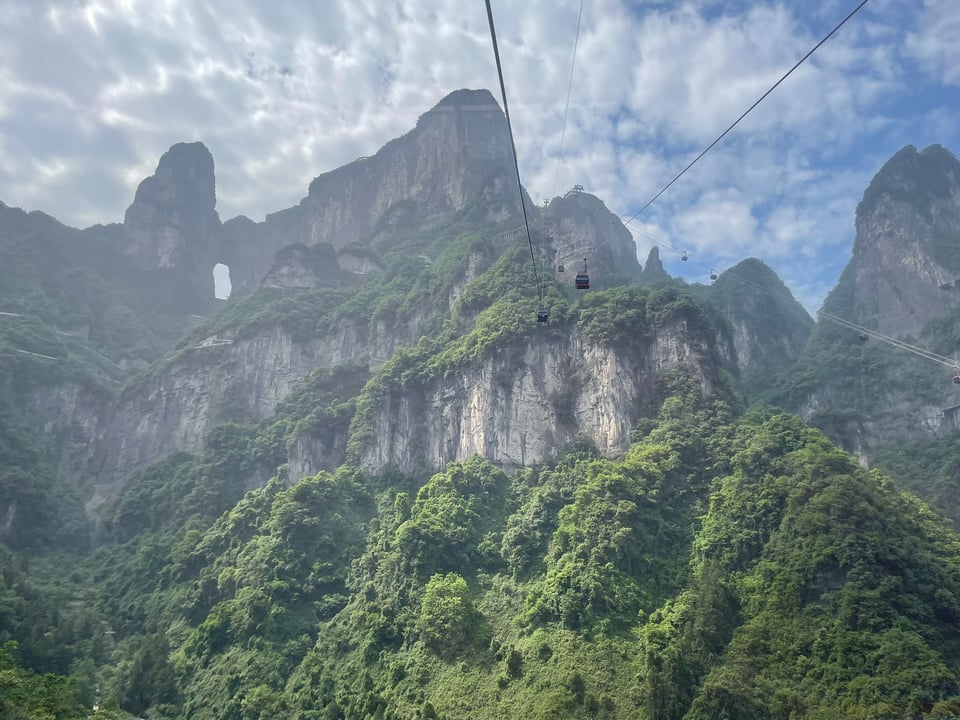
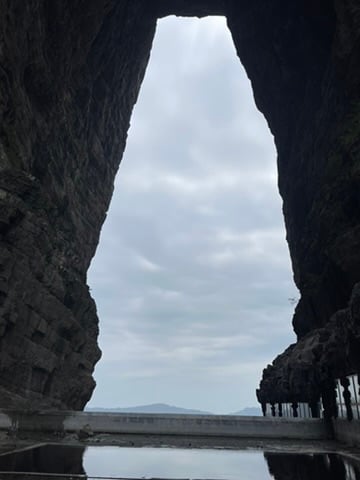
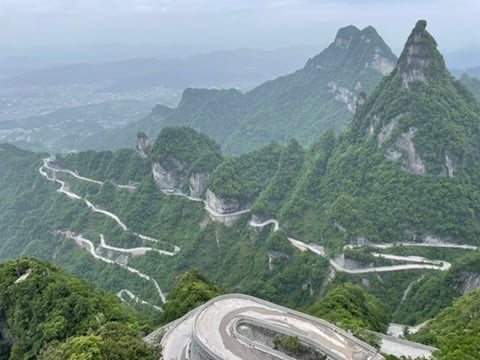
Zhangjiajie is a really lush region. Our first stop was Tian Men Shan, known for a large natural cave that a French climber free-solo’d in 2007.
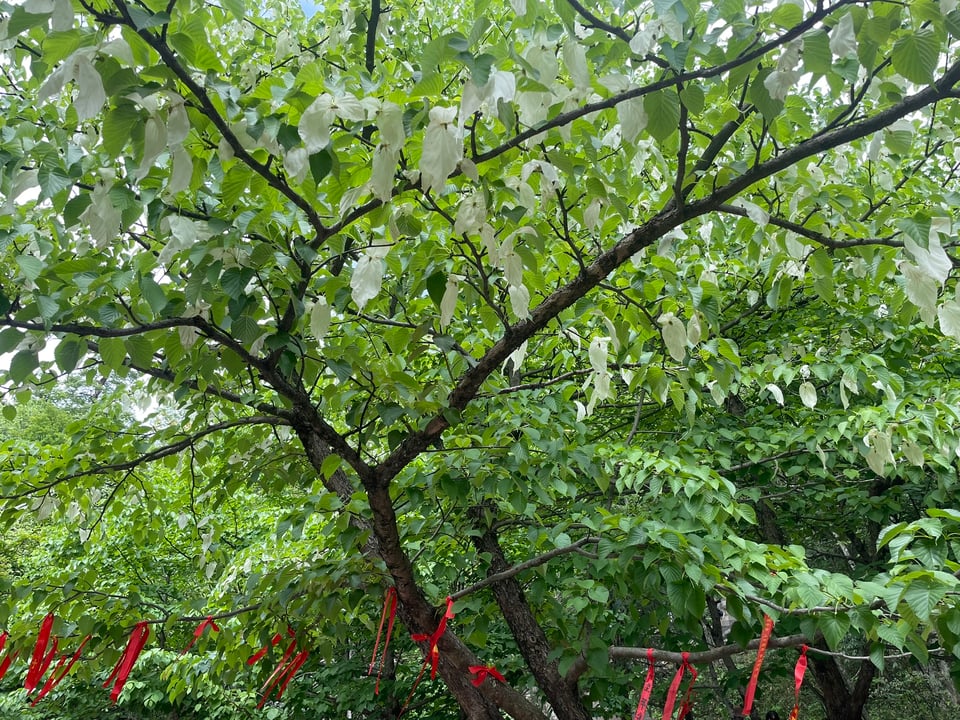
The mountain has a special garden of dove trees, which have flowers that resemble dove wings. We came at the perfect time as they only flower from May to June.
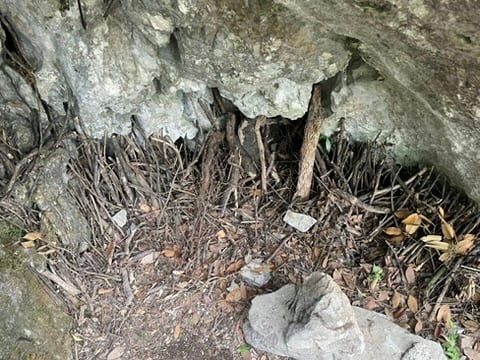
Throughout the mountain we kept seeing branches propped underneath rocks in a way that looked like baleen. Apparently each of the branches supporting the rock represent a wish for one’s child to have a straight back (?? I forget exactly).
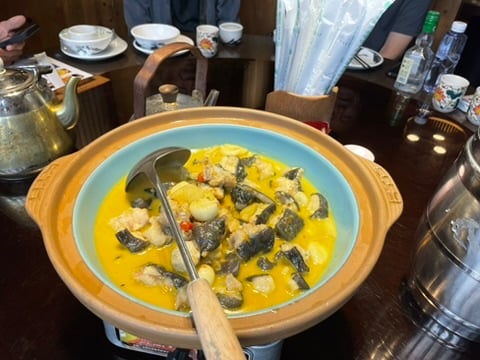
For lunch we ordered a mysterious item called 娃娃鱼. My brother and I had no idea what this was (we assumed it was a fish due to the name) until the cooks were like, we got a really good one, wanna see it before we cook it? So we walked over to a big plastic bucket on a scale and looked inside to find a massive honking salamander. I became a little afraid. The actual dish was nothing to be afraid of-the stew had a nice spicy balance and the salamander had an interesting, gelatinous texture and buttery flavor. The bone (cartilage?) structure was not familiar to me, so finding a bone piece in some bites was like a culinary surprise.
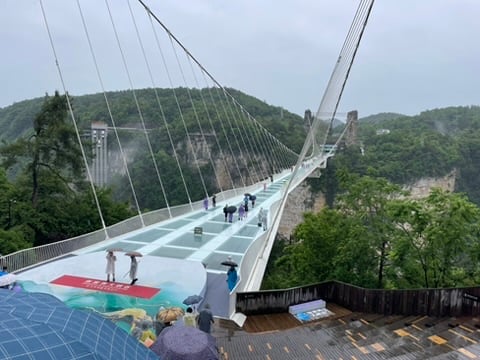
After this, I fell extremely ill to food poisoning (not from the salamander) so there were a lot of bad times and no pics. Skip to a few days later after slight recovery-we arrived at a famous glass bridge at the Zhangjiajie Grand Canyon.
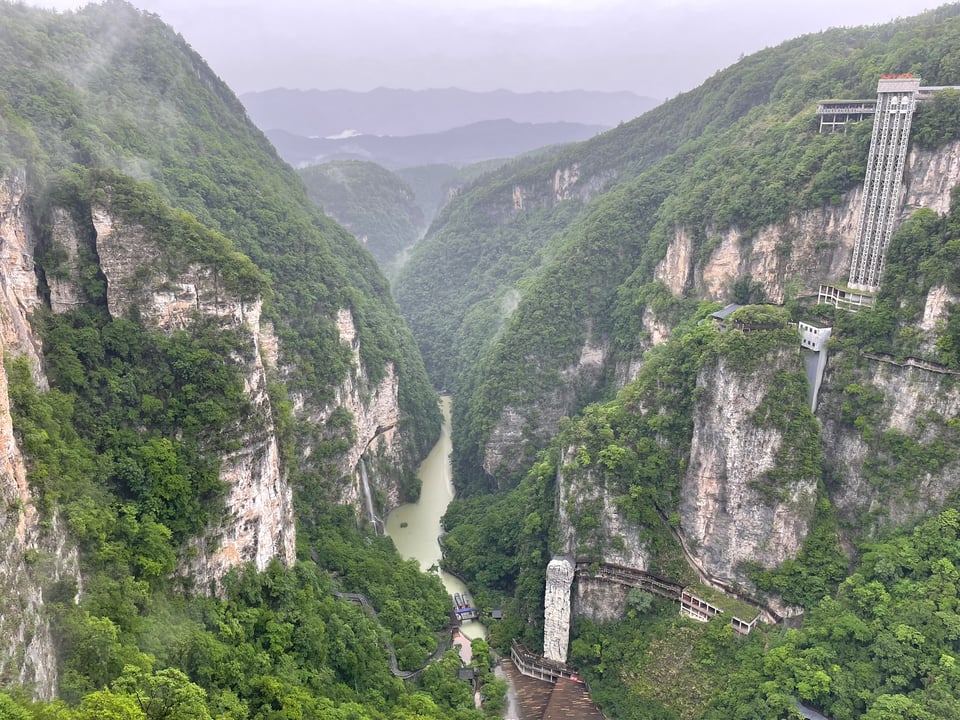
At the bottom of the elevator embedded in the mountainside, right before the dock where we got on a short out-and-back boat ride, there was a platform where I saw a White-capped Redstart! Rather than photos, videos are much more useful in bird identification. I kept replaying and rewinding the video to get a blurry look at its wings and tail.
We took a car to Xiang Xi afterwards where we saw the architectural style of the ethnic Tujia people. The buildings were perched on stilted platforms on steep cliff sides above water.
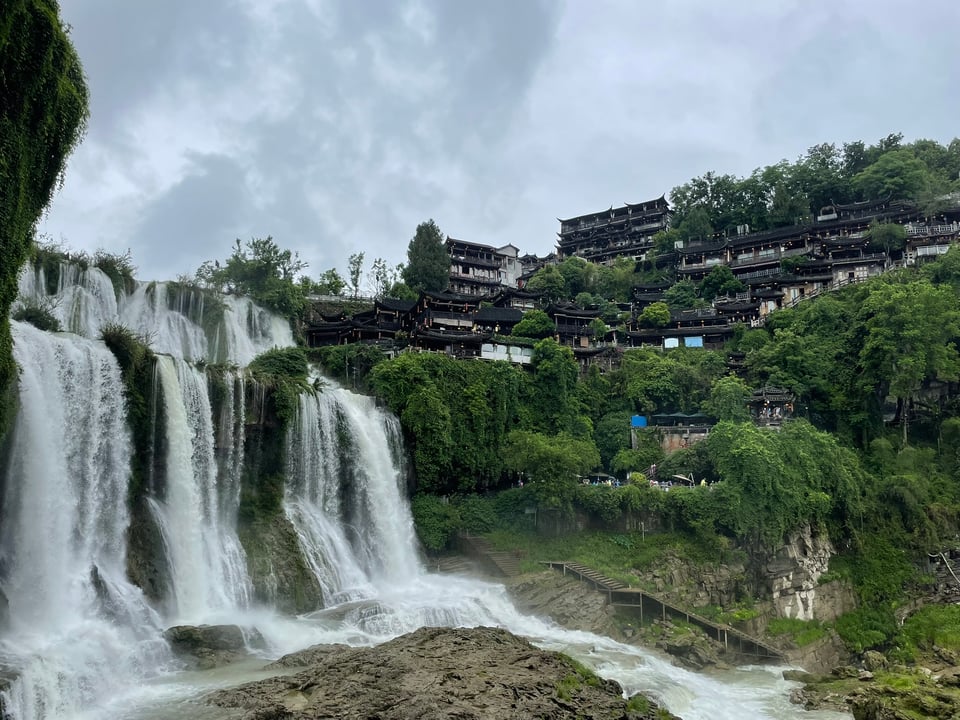
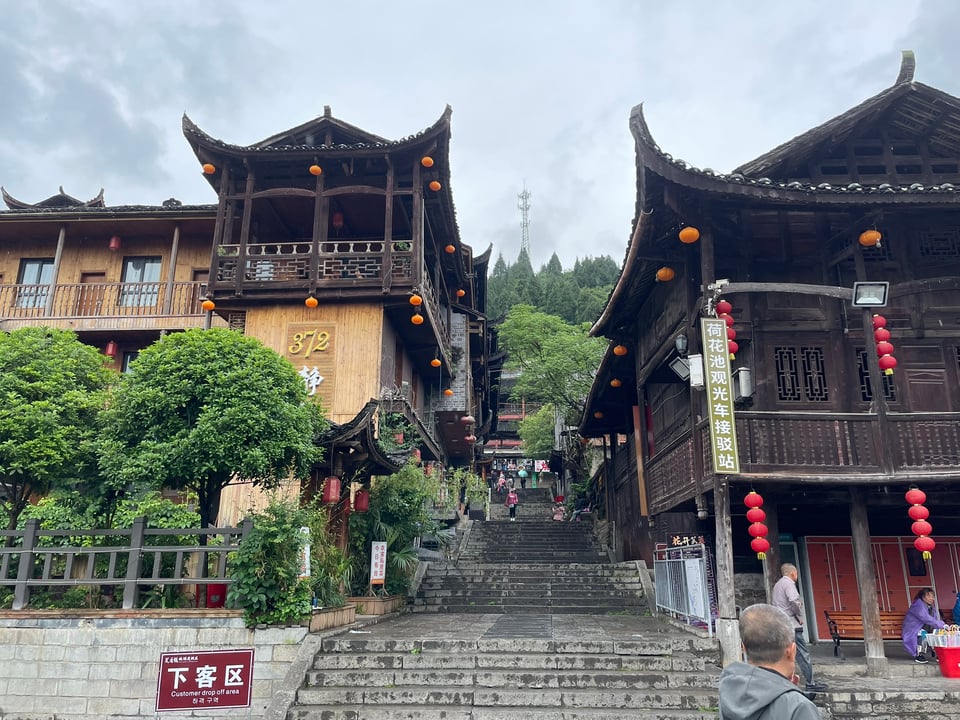
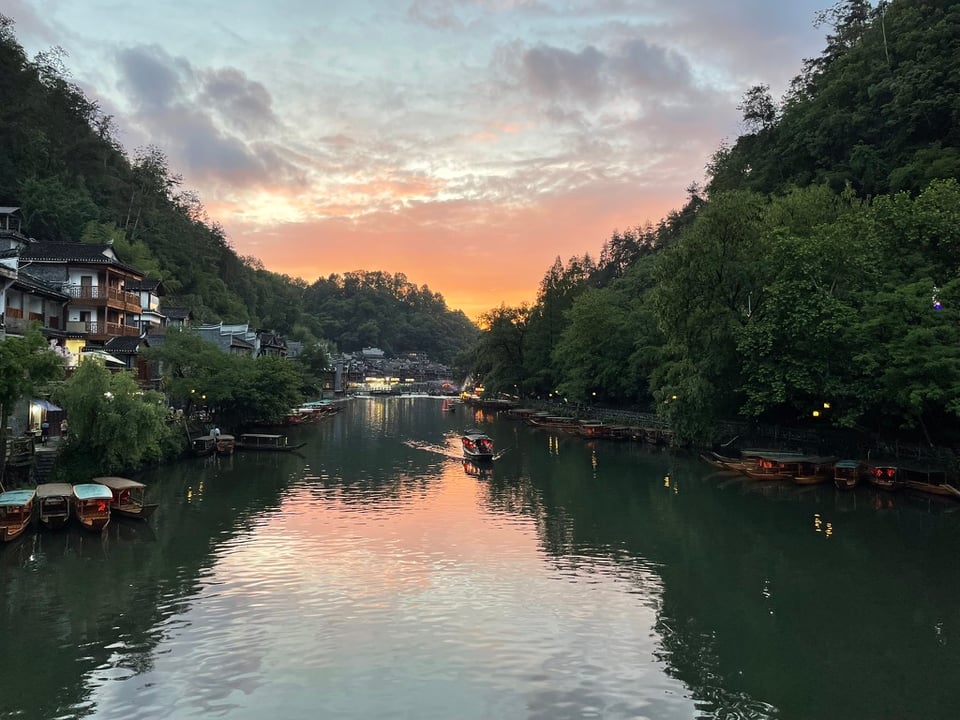
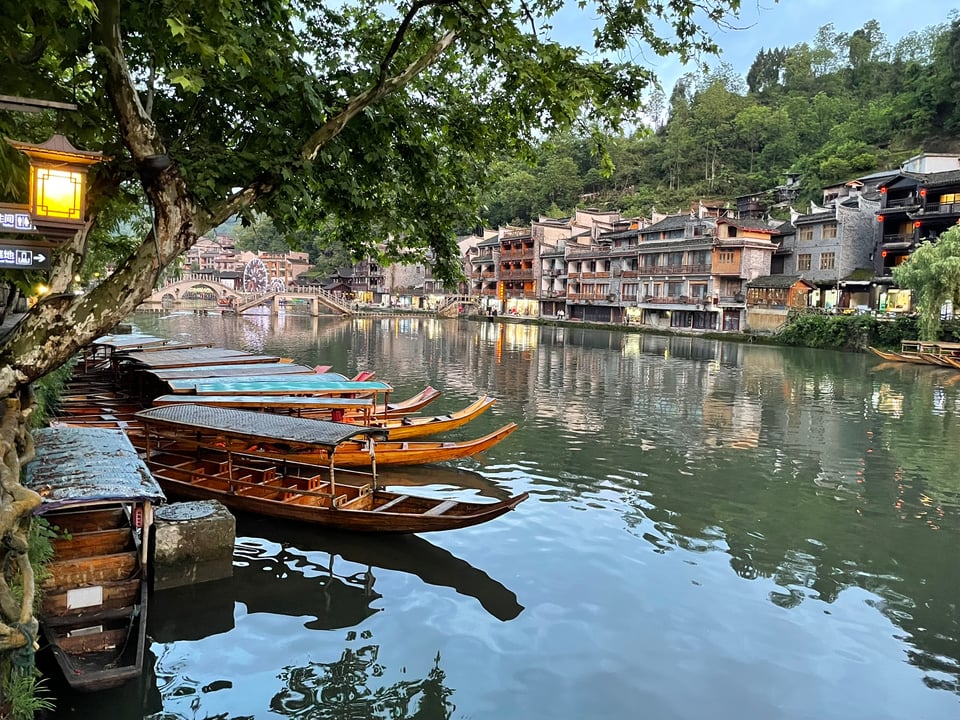
Our final stop here was at a gorgeous town (no doubt curated with a Venice vibe for tourism) called Feng Huang. We caught a beautiful sunset here.
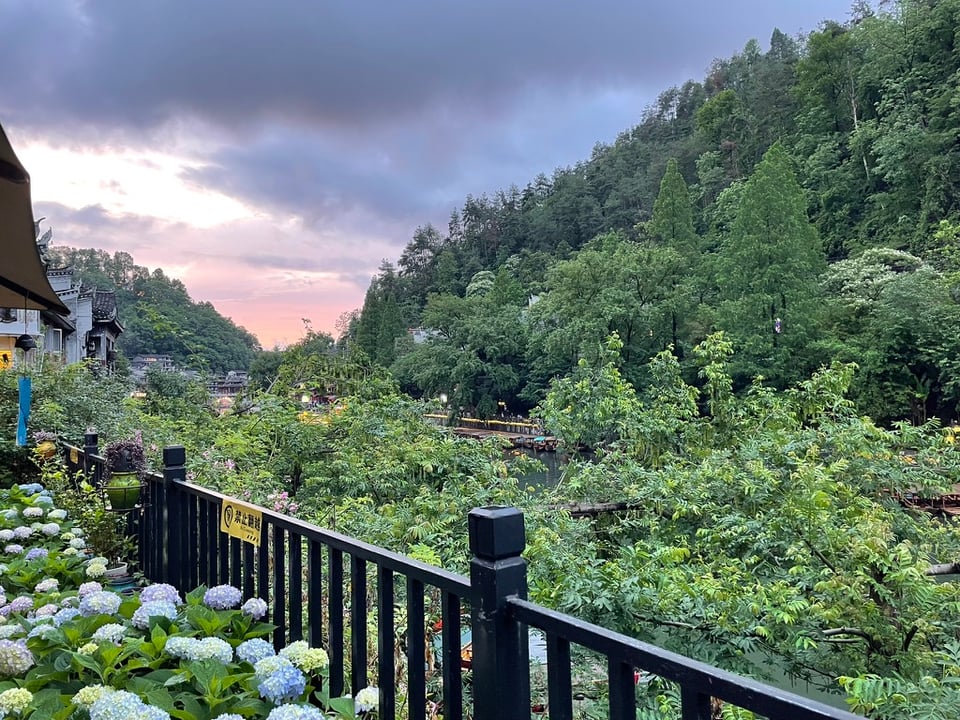
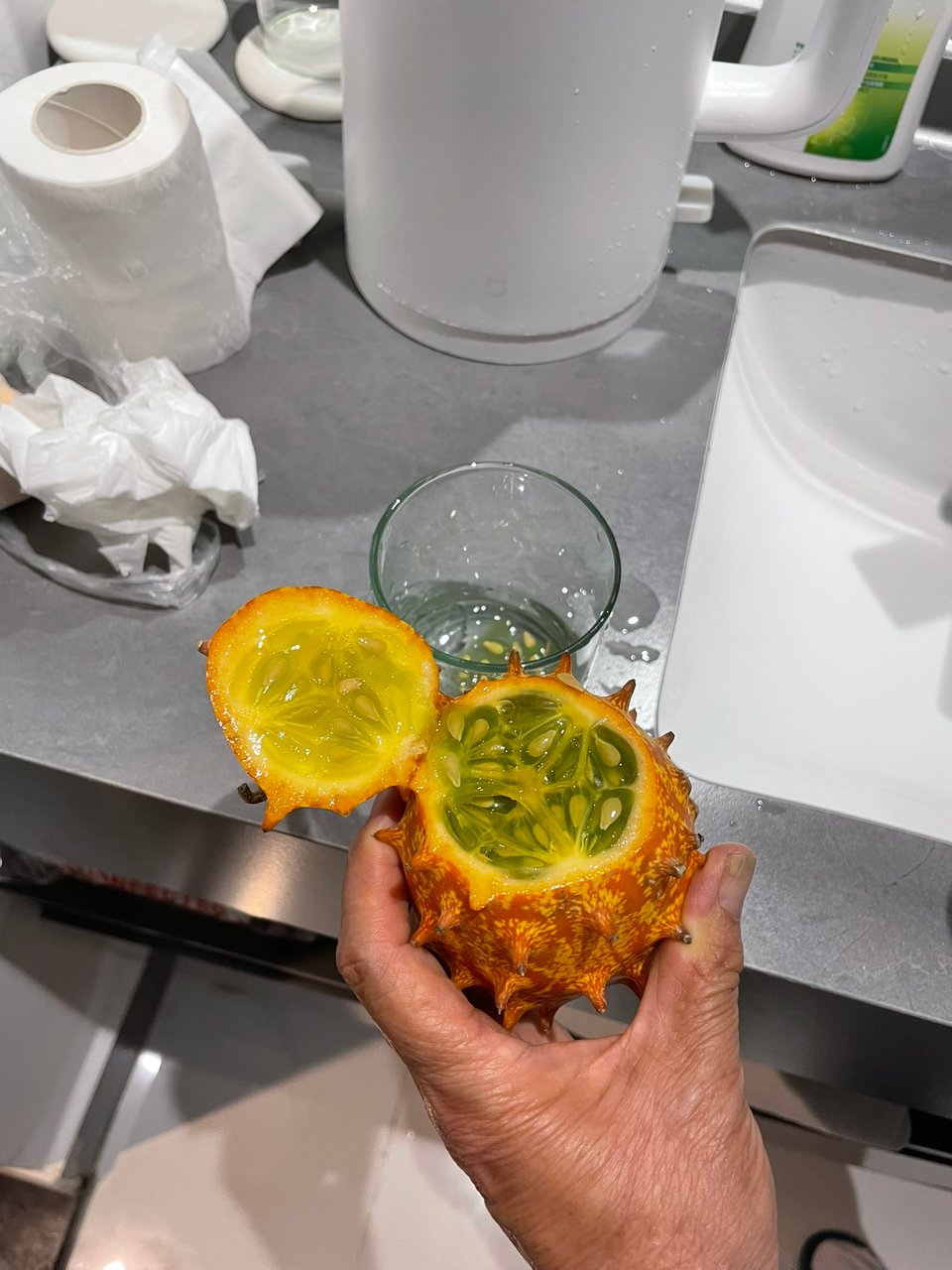
We strolled by some folks selling 火山果, a relative of the cucumber. Apparently you just drink the stuff inside with a straw. It was indeed like a slightly tart cucumber. Apparently rubbing the juice on your cold sores helps heal them faster.
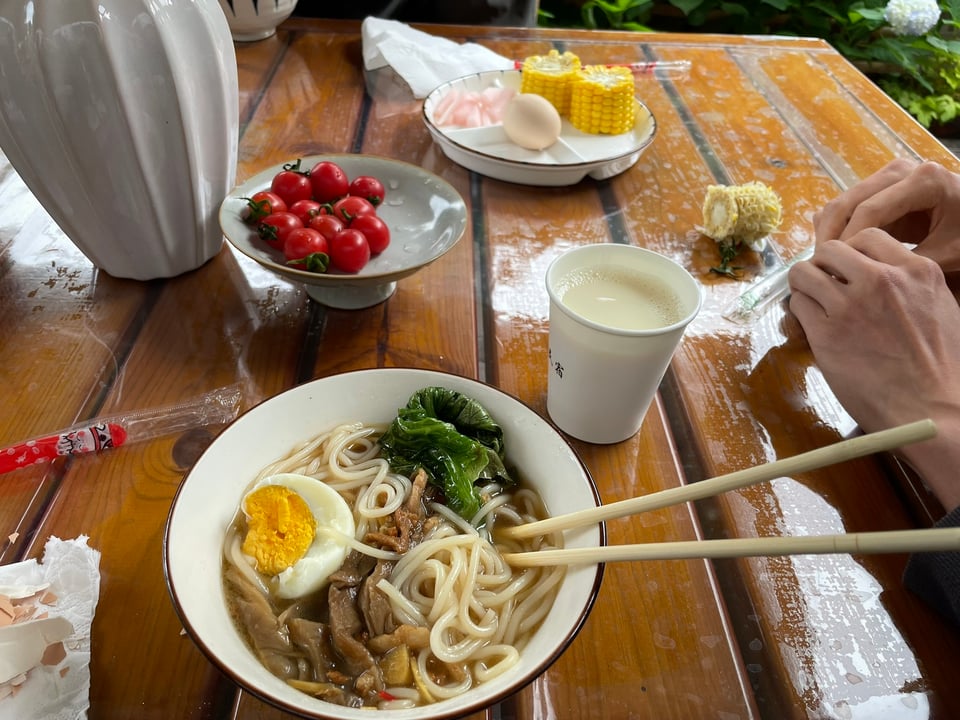
In the morning we had the best breakfast I had ever had in my life maybe. I forget how tasteless produce is nowadays. The cherry tomatoes had a sweet and strong floral flavor, the egg had a rich depth to the yolk, the corn was sweet but also had a little something else. It’s difficult to express how much flavor was in each ingredient. The soy milk I had in Jilin was better since you could opt for no sugar, but this soy milk still had a delightful nuttiness that shown through the sweetness.
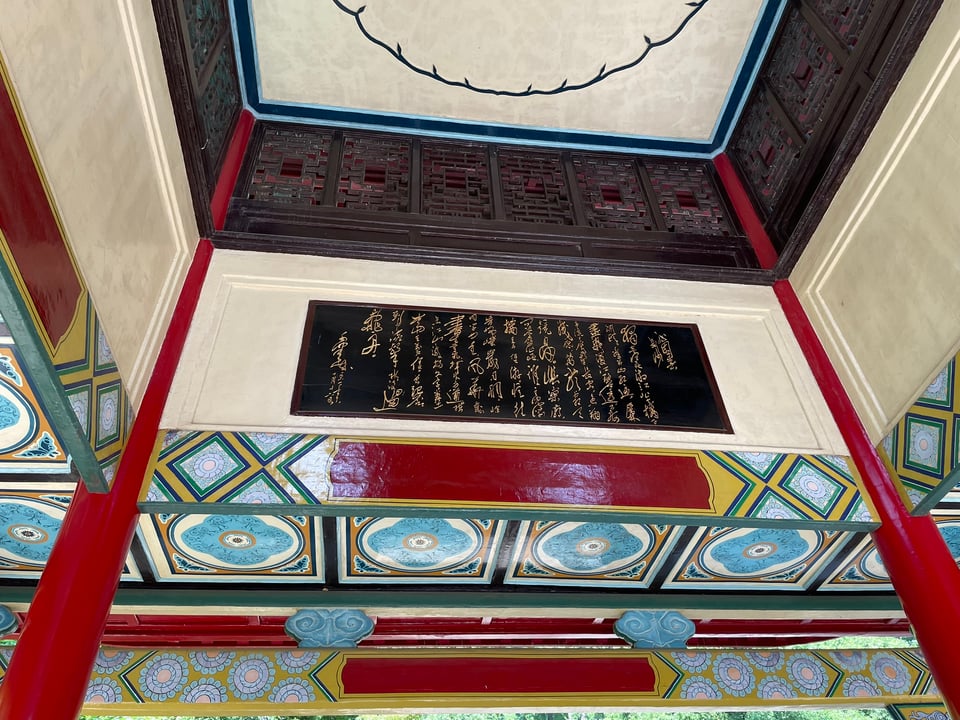
We had a little train snack on the way to Chang Sha, where we walked around a small mountain park with some pretty little structures and a temple.
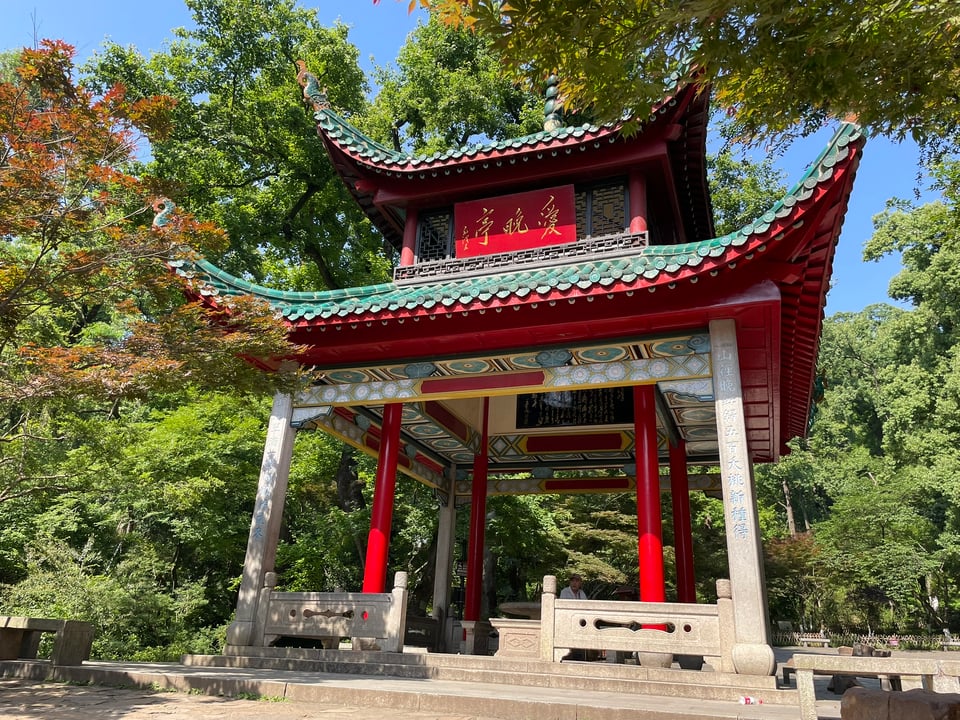
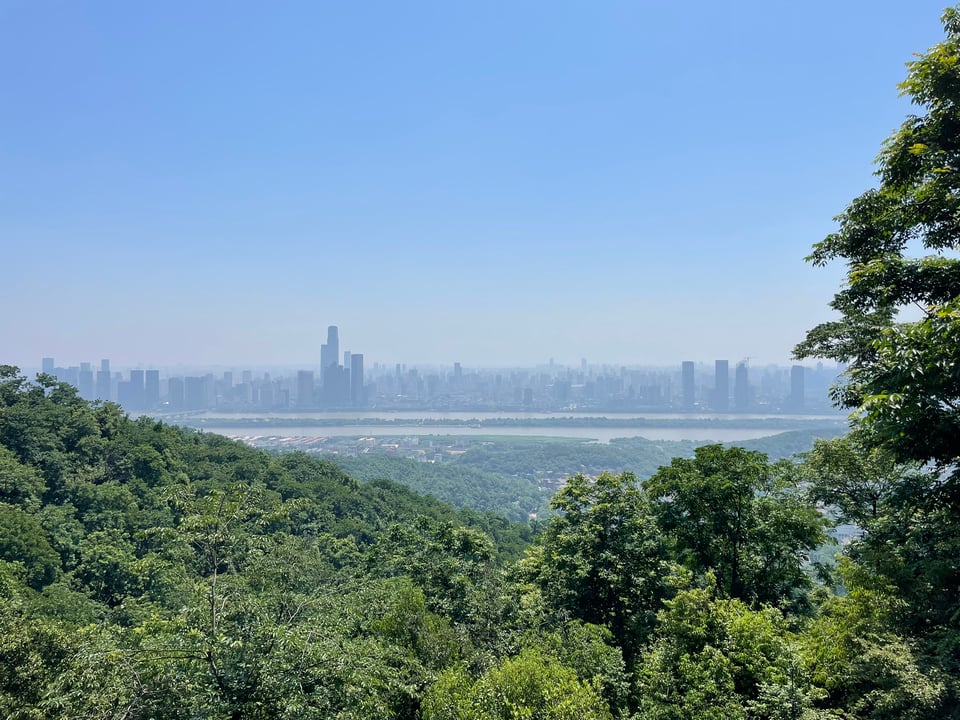
At the top we were treated to a decent view of the city. The skylines don’t seem as iconic or varied here, but the blue sky meeting the greenery wasn’t so bad.
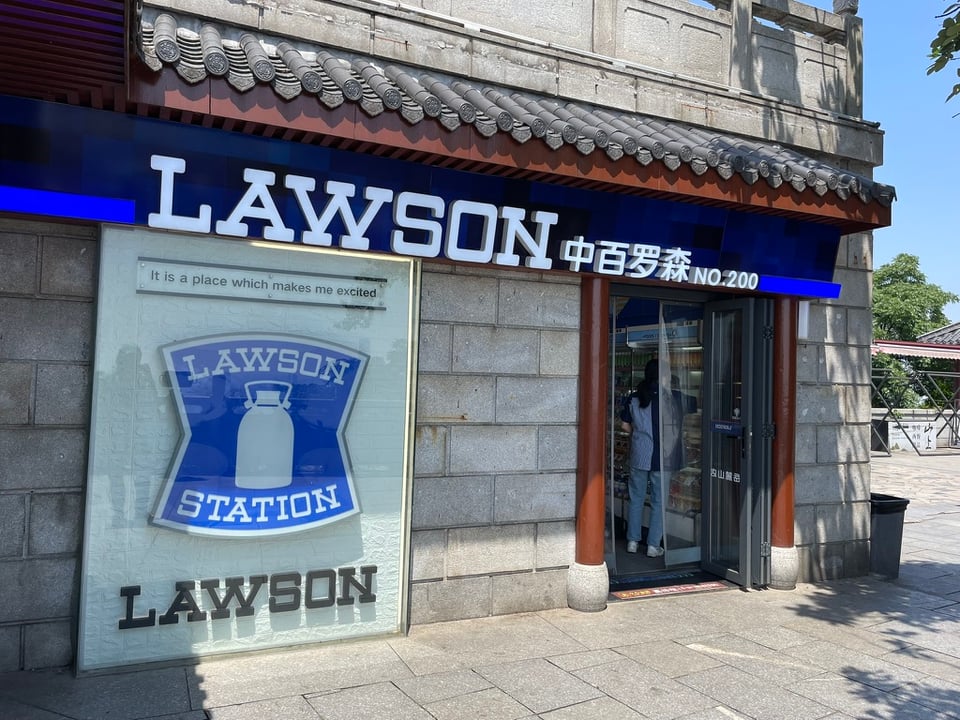
At the top of the mountain I also learned what Lawson’s name is in Chinese! It predictably doesn’t sound anything like the word Lawson in English. Incredible to find this American store chain that moved to Japan where it made it big before finding its way here to China.
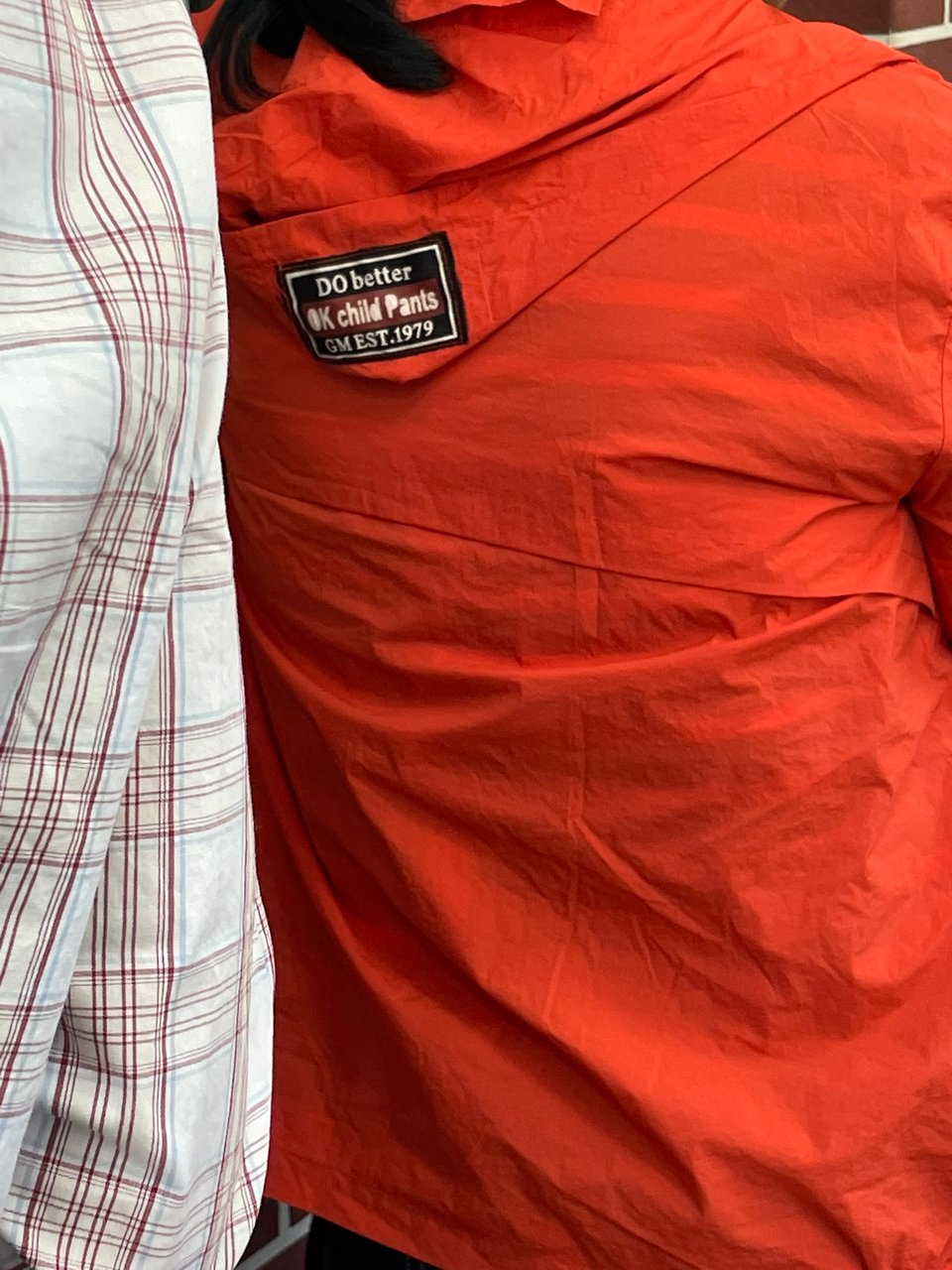
Looking back through my photos, I saw this mysterious picture of some great English quotes on someone’s jacket.
On our last plane together on the way to Shanghai, where we split up to take our respective flights home, my brother tapped me on the shoulder again, this time to point out the moon. His attention to the details of life never fails to inspire me.
Work thoughts: The Beef Bible
Unexpectedly, translating meat-related content (from menus, pamplets, etc.) has been the most difficult part of the translation side of my job thus far. By now I’m quite used to conducting domain-specific research for historical or technical topics, but nothing could have prepared me for cuts of beef. Terms vary within the same language (e.g., British, American, and Oceania each have their own set of terms), and to make matters worse, the specific areas referred to by each term are different across cultures because everybody splits up their beef differently. You can find some decent compromise when there is no direct equivalent for a word in any other topic, but what can you do when you need to refer to, say, the core of a specific feather muscle in the shoulder near the spinal area of the cow, in a concise and understandable way that fits on a nice sit-down restaurant menu????
The worst offender I’ve seen so far is the Japanese, British, and American terminology all sharing the use of the term “sirloin” and having it refer to different areas of the cow. Is there no international standard beef terminology??? Why is the land of beef so lawless and uncertain??? Can we just abandon words to grunt and point at a picture of a cow????
Every time I translate more beef things I sit down and try in vain to solve the mysteries once and for all. I always end up feeling like an empty smashed plastic water bottle rattling at the bottom of a trash bin with 50 open tabs of explanations of meat cuts in multiple languages and half of the tabs are of slightly differing (sometimes interactive and 3D) diagrams of cows divided into colorful sections. By the end of each fruitless research session I feel like I need the foulest shot of liquor so I can feel something besides despair and I don’t even drink. I need a shirt that says, “I did 60 hours of research and still don’t know what sirloin actually is but I can tell you every possible name for the tripe from each of the cow stomachs AMA.”
After going through the five stages of grief I finally arrived at some level of clarity on meat and my own mental wellbeing and compiled a decisive list on J to E beef terms in my ever-growing personal translation glossary. This section is what I call my beef bible. It is easily the most useful and powerful document I have ever produced in my life.
Media
Why I Broke Up With New York, Lena Dunham
Dolly Parton’s Quietly Inspiring Defense of Marriage, Casey Cep
A Spring Farewell, Yuka Nakamae
Lazarus (2025)
Dredge
Slow Horses - Mike Herron
Sometimes I get in these obsessive moods where I need to gobble up the most wantonly self-indulgent, tooth-rotting, brainless romance manga with the prettiest art that I can find, then I go on a deep dive exploring what the kids are into these days. This used to happen every 6 months after I retired from active manga reading and now it’s trickled to about every other year or so. I was surprised to find on this round that the popular rankings were dominated by trope-dependent isekai stories. Ironically, while most isekai romances are centered around breaking out of some fate or mold, they all end up telling the same story about a heroine whose circumstances give her god-like control over her world. Are we lacking so much control that we need stories about the security that only omniscience can bring? It seems we’ve graduated from a craving of silly drama to a desperation for inner peace and fulfillment that only a hard reset on the world can possibly bring. The fact that many of these stories revolve around exercising prophetic knowledge for entrepreneurial gains is also very clearly giving recession indicator.
Next Month’s Menu
Burnt out. I need to go into isolation under a waterfall on some harsh mountain.
Your crushed cigarette butt,
Alex
