
Sundry #3: perception, Van Gogh & more interesting links
Issue #3 · November 12th, 2015 · View in your browser
1. Why you often believe people who see the world differently are wrong
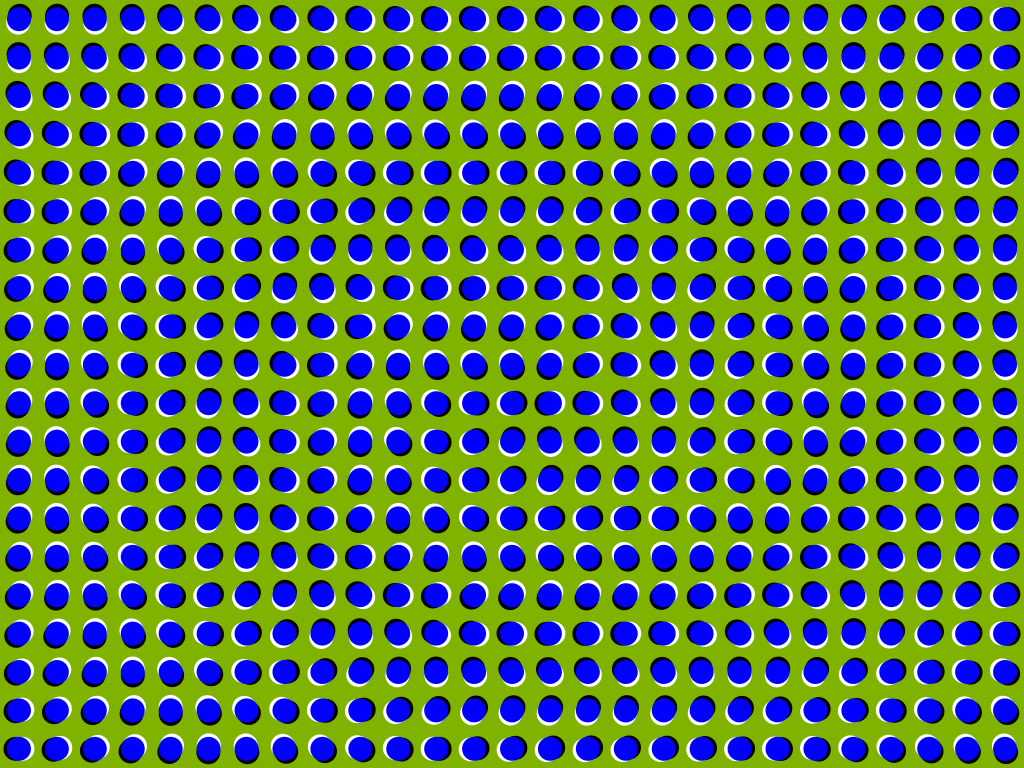
The idea that you reached your conclusions after thorough analysis and unmediated thoughts/perceptions is called naive realism. Your personal reality is not an observation of the external world. It's a reflection of what's happening inside your mind. See the swirling image above? The way we perceive things makes you see it as moving. In reality, it is still. The same goes for our political opinions according to psychologist Lee Ross: you are sure what you believe is objectively right. The “other side” is too. Don't try to convince others by presenting your arguments so as to make “them” travel the same logical path as you. Rational, open-minded debate is not necessarily the way to go.
- Are the elite universities really any better?
Higher education has the third largest number of lobbyists in Washington, D.C., after pharmaceutics and electronics. Elite colleges in the United States do deliver more cognitively complex coursework but fail to outperform other colleges on major criteria such as standards and expectations of the course work and the level of the instructors’ subject matter knowledge. They even fall behind lower-tier universities when it comes to professors supporting change in the views of their students. They still yield better jobs but you'll get poorer education. + Brain Pickings: “Bravery is always more intelligent than fear, since it is built on the foundation of what one knows about oneself: the knowledge of one’s strength and capacity, of one’s passion.”
- A tip to memorise anything, faster
I, too, am fed up with these linkbait articles that make me believe I'm going to find some really useful idea by reading them. Let me not fail you this time. Instead of reading and re-reading again something to memorise it, try to read it once and test yourself right away. Practice recalling instead of staring for an hour in front of what you're trying to learn. It's called the “testing effect” and has growing body of research supporting it. Let me know how it goes.
- Farnam Street: Lifelong Learning
*Thanks,
Ulysse*
Add a comment: