11 Expert Tips to Order Millet Food Online with Confidence
Shopping for millet online? Discover 11 expert tips on sourcing, labels, freshness & trusted brands to order millet food with total confidence.
Millets have quietly moved from forgotten grain-store staples to the centerpiece of modern healthy eating. Packed with fiber, minerals, and a low glycemic index, they're winning over people who want nutritious alternatives to refined wheat and rice. But as demand grows, so does the number of online sellers claiming to offer "the best" millet products — and not all of them deliver on quality. If you're new to buying millet food online, or simply want to shop smarter, here are eleven expert tips to help you order with total confidence.
1. Know Your Millet Varieties Before You Shop
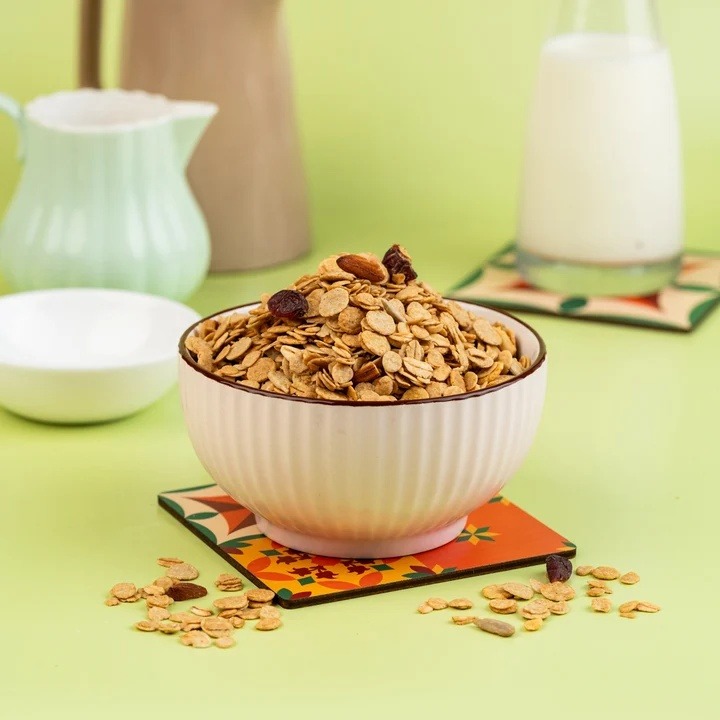
Millet isn't a single grain — it's a family. Foxtail, finger (ragi), pearl (bajra), little, kodo, barnyard, and proso millet each have distinct textures, flavors, and nutritional profiles. Before adding anything to your cart, get familiar with which variety suits your cooking style and health goals. Ragi, for instance, is excellent for calcium intake, while foxtail millet works beautifully in place of rice. Knowing this upfront prevents disappointment when the product arrives.
2. Check the Ingredient List, Not Just the Marketing
Many "millet snacks" on the market are more sugar and refined oil than actual millet. Always scroll past the flashy packaging language and read the ingredient list. A genuine millet product should list millet flour or whole millet grains as the primary ingredient, not as an afterthought buried below maida, palm oil, or artificial flavoring agents.
3. Look for Transparent Sourcing Information
Trustworthy sellers are usually happy to tell you where their millet comes from — which farms, which region, and how it's processed. This transparency is a strong signal of quality control. If a website has zero information about sourcing or manufacturing practices, treat that as a red flag rather than a minor detail.
4. Compare Nutritional Labels Across Brands
Not all millet products are created equal, even within the same category. Two brands of millet cookies can have wildly different sugar, fiber, and sodium content. Before finalizing your order, open two or three product pages side by side and compare the nutrition panels. This small habit can save you from unknowingly picking the least healthy option in a "healthy" category.
5. Read Verified Customer Reviews Carefully
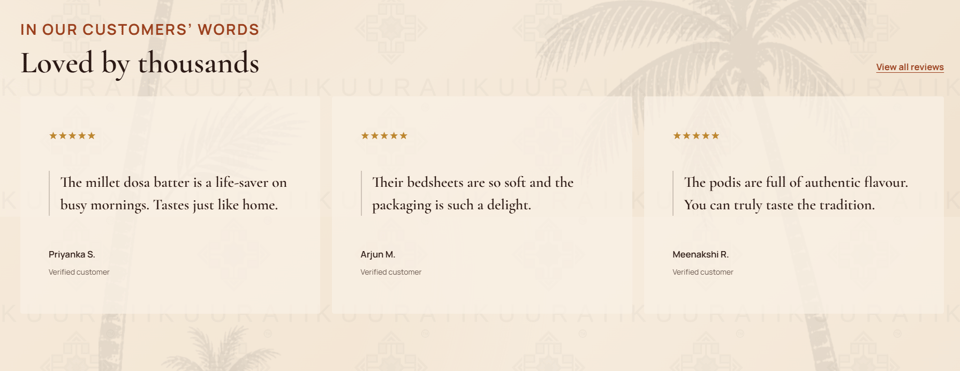
Star ratings alone don't tell the full story. Spend a few minutes reading the actual written reviews, especially ones that mention taste, freshness, and packaging condition on arrival. Look for patterns — if multiple reviewers mention stale products or delayed shipping, that's worth noting regardless of the overall rating.
6. Prioritize Sellers with Freshness Guarantees
Millet-based snacks and flours can lose flavor and nutritional value if they sit too long in a warehouse. Look for sellers who mention batch production, recent packaging dates, or freshness guarantees on their product pages. A seller confident in their turnover rate will usually display this information prominently rather than hiding it.
7. Understand the Return and Refund Policy
Food products are trickier to return than clothing or electronics, so it's essential to understand a seller's policy before you order. Reputable online stores will clearly outline what happens if a product arrives damaged, expired, or not as described. If this information is vague or missing entirely, it's wise to proceed cautiously.
8. Watch Out for Overprocessed "Millet" Products
The millet boom has led some brands to slap the word "millet" onto heavily processed snacks that barely qualify as healthy. Puffed millet coated in excessive sugar syrup, or millet chips deep-fried in low-quality oil, don't offer the same benefits as whole or minimally processed millet foods. Learning to distinguish genuine millet nutrition from millet-washed junk food is one of the most valuable skills for any online shopper in this category.
9. Explore Trusted Specialty Platforms
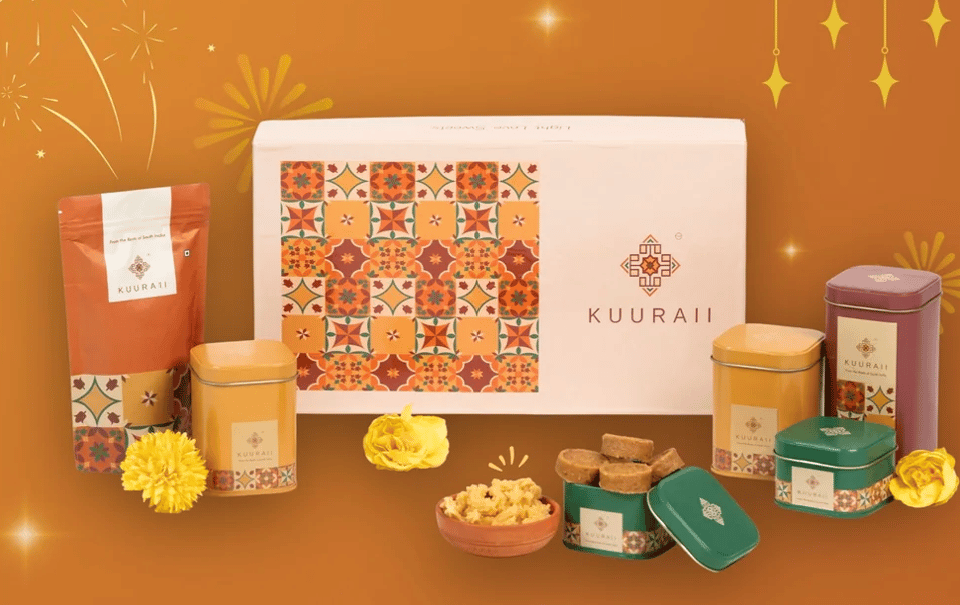
While large marketplaces carry millet products, specialty platforms dedicated specifically to millet foods often curate better quality and offer more variety. For shoppers looking for a reliable specialty option, you can order kuuraii millet snacks, which focuses specifically on millet-based foods and makes it easier to explore different varieties without wading through unrelated products. Specialty platforms like this tend to have deeper category knowledge, which often translates into better sourcing and product curation.
10. Check Packaging and Shipping Practices
Millet flours and snacks are sensitive to moisture and air exposure. Before ordering, check whether the seller uses airtight, resealable, or vacuum-sealed packaging. Good packaging isn't just about aesthetics — it directly affects shelf life and product quality by the time it reaches your kitchen.
11. Start Small Before Committing to Bulk Orders
It's tempting to order in bulk once you find a promising millet brand, especially when discounts are offered for larger quantities. However, it's smarter to start with a smaller trial pack first. This lets you assess taste, texture, and freshness without a big financial commitment, and it protects you from ending up with a large quantity of a product that doesn't meet your expectations.
Final Thoughts
Ordering millet food online doesn't have to be a guessing game. By understanding the different varieties, scrutinizing ingredient lists and nutrition labels, checking reviews and return policies, and choosing sellers who prioritize freshness and transparency, you can shop with genuine confidence. Millets offer real nutritional value when sourced and processed correctly — the key is knowing how to separate quality products from marketing hype. Apply these eleven tips on your next purchase, and you'll be well equipped to build a pantry full of millet foods that actually deliver on their health promises.