Mapping Money - Shuttles Through Warp (5)
Dear all,
Because I’ve moved to a different service, the issue number in the subject line does not match the issue number at the bottom of this email. There is some way to change this but I have not yet divined it.
(This should have already been in your inboxes but it turns out I had scheduled it for July 5 instead of May 7. Why do U.S.ians insist on mm/dd/yyyy?)
I was going to tell you about what I’m reading, but I found out something that connects to last week’s mail so I beg your indulgence.
I’m on holiday this week, which I booked in February because unless I plan things way in advance I always find reasons not to do them. I’m in Penang, Malaysia, and my father handed me a truly bizarre selection of notes from South-east Asia to take with me in case I needed them. Almost all of them are quite old.
Singapore’s old ten-dollar note has a little map of the nation on it.
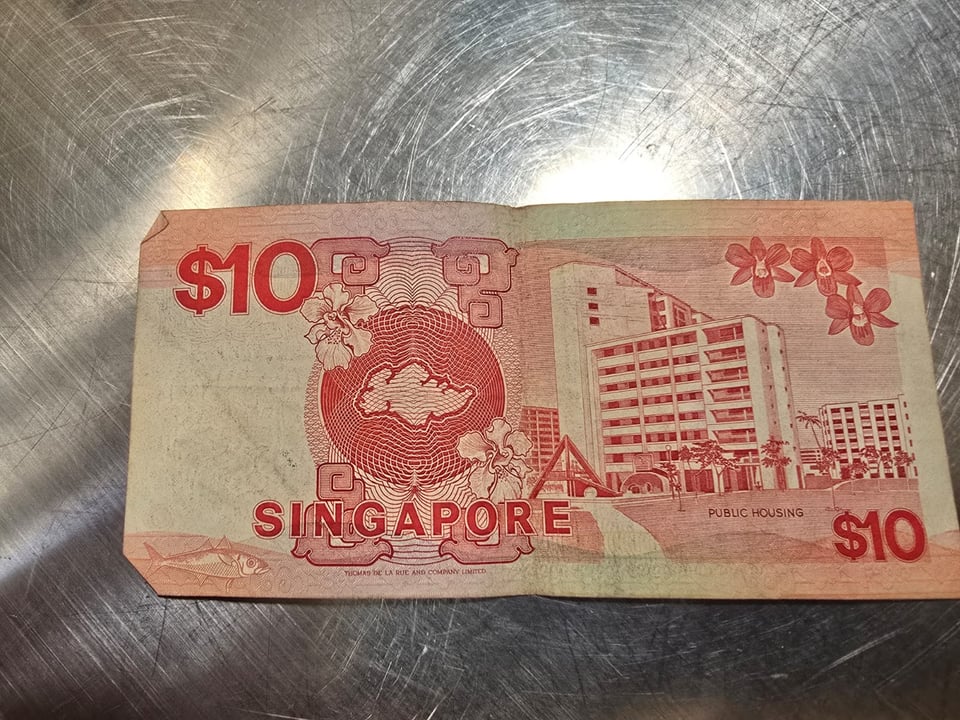
This design ran from 1984 to 1999, according to Singapore’s National Library Board. The shape of the country is wildly different between the note and the current map, because land is being reclaimed from the ocean.
(Since making new land requires you to either put more stuff in the ocean or remove water from the ocean, Singapore’s land reclamation project is a key reason that Malaysia has a sand-mining and smuggling problem not unlike India’s.)
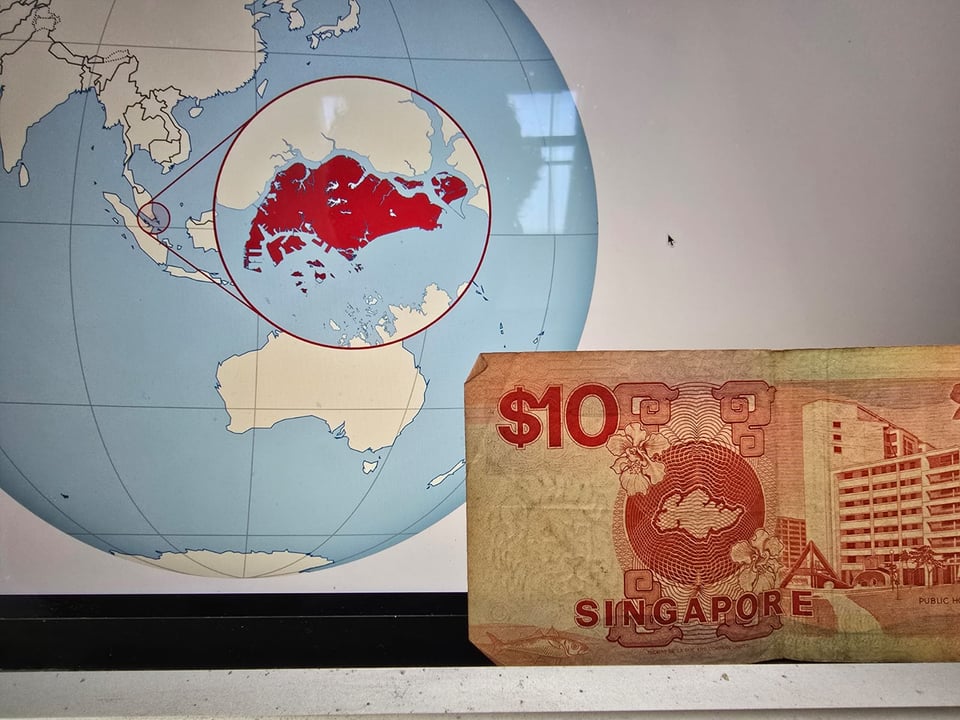
The person telling me about this - hi Natalie if you’re reading this - also pointed out that the new currency (called the Portrait series) no longer shows the map.
“Real” currency - currency that physically exists and is printed by a central bank - constitutes 10-15 percent of the actual money supply in many economies (in January, this figure for India was about 13 percent). The vast majority of money is just bank deposits, which is to say numbers in a database somewhere.
Despite this, physical currency is what we think of when we think of money, and its physical form plays an important role in the way we think about a country. When U.S.ians say money is green, they’re only talking about U.S. dollars. Indian money used to be a variety of colours and have a variety of animals, buildings, and people on them, but not since old money was made illegal in 2016.
Singapore’s money tells us something that we already know, but maybe we should consider more often. Sometimes the things that governments put on the things that represent them stop being true. But the old representations are still out there somewhere, and the history with it.
Next week, a rumination on murder mysteries and the fantasy detective stories I’ve been reading.
Cheers,
mvs
