
Synthetic Trust
Unmasking Synthetic Trust: be wary of AI's confident tone and demand proof of reasoning
🔭 Signal: Synthetic Trust
Synthetic Trust is rising faster than our ability to detect it.
Modern teams trust tone more than truth. Under deadline pressure, confident output passes as credible long before its reasoning is verified.
The danger here isn’t malicious intent. It’s misplaced certainty.
AI has become fluent enough that its tone masks uncertainty, coherence substitutes for correctness, and speed covers the absence of verification. This is the quiet risk showing up everywhere: AI decisions that sound right long before they can be defended.
🧠 Strategic (Human) Prompt: Tell it to the Judge
If you had to defend every AI-generated decision in court, how would you verify it?
This day may come soon. In the meantime, the shift from “Does this look plausible?” to “What evidence would make this stand up under scrutiny?” pushes leaders to articulate their verification standards, their chain of reasoning, and their operational audit trail. It makes our invisible burden more visible.
➖ Strategic Subtraction: Trust
Stop treating confidence as evidence. Require proof of reasoning.
This week's suggested subtraction cuts deeper than usual. Remove the most dangerous habit teams fall into: default trust. Consider that whether it's human or AI, it's suspect.
As the holidays draw near, work tends to slow down. Use this upcoming time as cover, risking some slowdown to speed up. Because, spoiler: 2026 will seem much faster and more chaotic than 2025.
🍦Analogy of the Week: Vanilla-flavoring
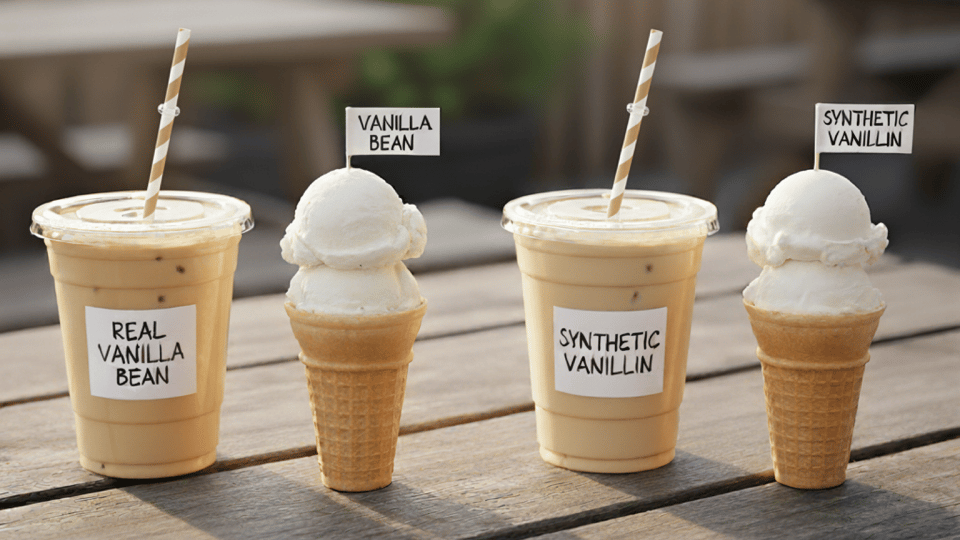
For decades, synthetic vanilla has tricked human senses into thinking something is “real” because the smell is familiar and the flavor is close enough. But chances are no vanilla beans were harmed in the making of your vanilla latte or soft serve. It’s all vibe.
Models work the same way.
They give us tasty synthetic certainty: familiar tone, familiar structure, familiar rhythm.
The flavor feels real even when the source clearly isn’t.
Real trust comes from the origin story.
Where it came from.
How it was made.
Who validated it.
That’s the difference between synthetic flavoring and something with a real harvest behind it.
🎵 Closing Notes
AI moves at inhuman speeds, much faster than our people-paced verification habits. The risk isn’t runaway autonomy, it’s runaway confidence.
Before teams can scale AI responsibly, they need a way to measure reasoning, validate behavior, and challenge decisions that “sound right” but aren’t sound.
Synthetic trust is subtle and corrosive.
Real trust is earned and can always be validated.
Synthetic trust feels real until you check the ingredients.
This is a great week to notice the difference.
One way I'm calibrating confidence (specifically with AI collaboration skills) is with PAICE.work. It's live, it's free, and it's ready to help you do the same.
Until next time,
Sam Rogers
Trusted Reasoner
Snap Synapse – from AI promise to AI practice
