
"Pegasus 3", or Too Many Ways to Stay #1
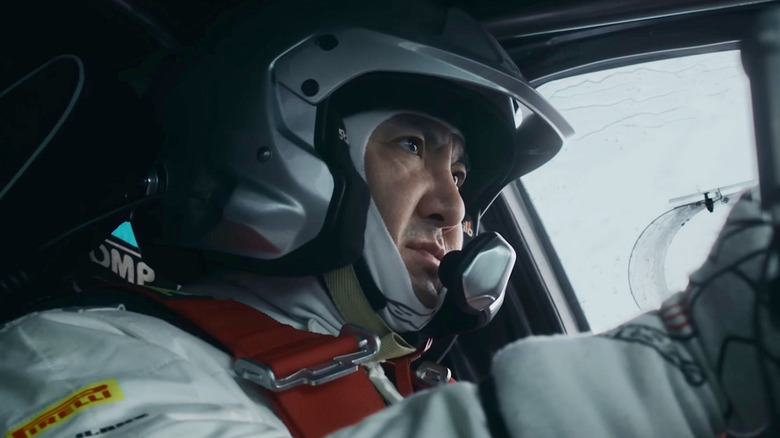
There’s a smaller drama at the heart of the rousing feel-good sports pic Pegasus 3, the mega-hit Chinese racing comedy that’s also this year’s global top-earner ($530 million USD earned since February 17th). Here, a smaller, but maybe predictably cynical B-plot—about the clash between an idealistic veteran race driver and the corrupt tech company that only seems to give him everything he wants—sets the stakes for a bigger, crowd-pleasing main story, about who will win the grueling Muchen 100 rally. Both parts are satisfying since the movie’s initial cynicism, about trying to do good in a rigged system, gives way to its sweet and genuinely arresting triumph-of-the-human-spirit narrative. It’s also inspiring to see writer/director Han Han, formerly an indie darling known for his breakthrough 2017 time-travel dramedy Duckweed, score his biggest box office hit yet with the second sequel to his 2019 Lunar New Year comedy Pegasus, a mostly affable and ultimately audacious comeback dramedy.
Maybe I shouldn’t be surprised that Pegasus 3 shifts gears and sticks the landing even better than Pegasus 2, which was also a better, more well-rounded movie than its predecessor. It’s still remarkable to see that Han Han’s latest and biggest success is also his most sure-footed step forward as a populist filmmaker with great instincts for going big without necessarily diluting the edge in his voice. That alone is incredible to witness from my humble perspective, writing as somebody who saw Pegasus (2019) in theaters and hasn’t stopped raving about its amazing kissoff anti-climax since then. I couldn’t have guessed anything else that followed. Pegasus 3’s triumphs are about as irresistible and disarming as its idealistic protagonist’s exceptional success story.
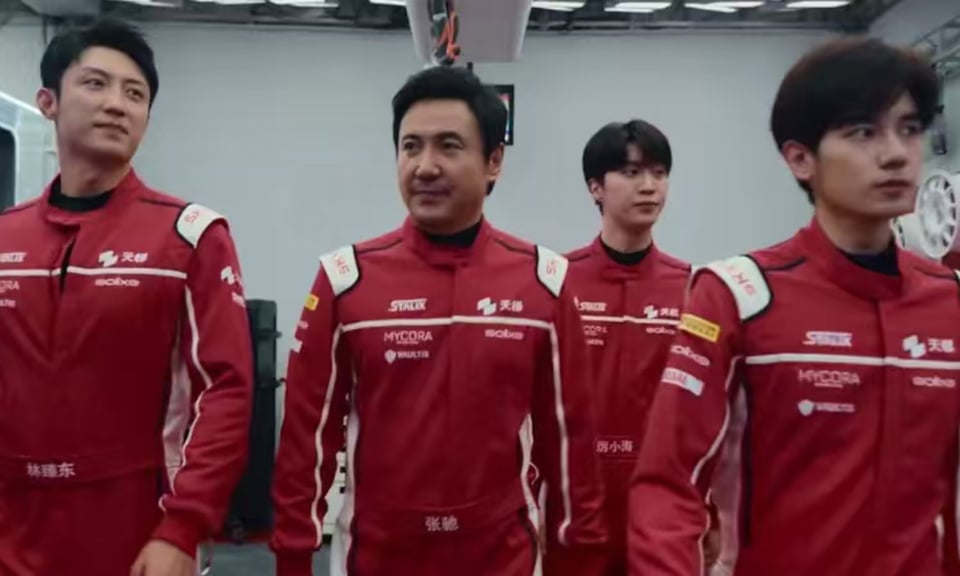
Pegasus 3 follows the further misadventures of Zhang Chi (Teng Shen), a socially maladroit racer who’s also both principled and humane off the track and also ingenious and indomitable on the road. After defying the odds and winning the final Bayanbulak rally, Zhang and his loyal team-mates get a rare chance to race for the national team at Muchen 100. The only catch is that Zhang’s team are sponsored by a shady tech company, whose sophisticated cars threaten to replace the race’s more human elements with automation. You can likely see where this part of the story is headed, though you might have a harder time anticipating the dramatic twists and funnier comic turns that Han Han uses to pave Zhang’s road to competing as an independent “privateer", an unlikely option that he dismisses early on in the movie.
Through the magic of hindsight, Han Han’s most impressive quality as a filmmaker now seems to be his burgeoning knack for toggling between the bigger and smaller emotions in his underdog-focused genre hybrids. In a short amount of time, he sets viewers expectations by not only establishing who Zhang’s peers and colleagues are, but also how they can help Zhang to compete on Muchen’s international stage, even though his big dream has always been to represent China, not himself.
Then, after some amiable, character-driven, and even economically structured setup, Han Han swiftly takes what’s essentially a sub-plot off-ramp—where Zhang trains with and then competes against fellow Chinese racers for a competing slot in the national team—and uses it to skewer the middle-managed soullessness of tech/corporate culture. You can be the guy who always wins, despite also being a typically desperate and often unrecognized genius team player, but that won’t necessarily save you from also being the perfect patsy for a bureaucratic company that only sees its star figureheads as good optics.
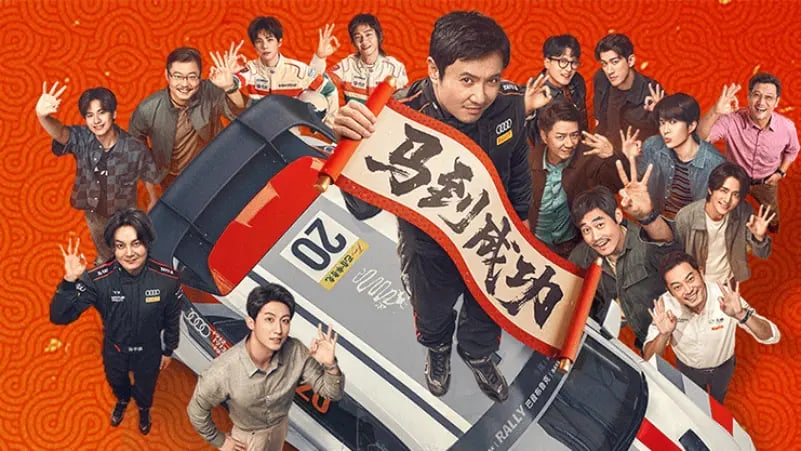
So when Zhang and his guys do ultimately get back on track and refocus on the Muchen 100 rally, they do it with the renewed conviction that, while there are a number of good people struggling against tough circumstances in this movie, there can still only be one clear winner. The team that wants it the most ultimately wins, and that truism is ultimately borne out during the race itself, which takes us through a variety of weather and track changes and is presented dynamically throughout with a number of fun, over-the-top, and very well-executed melodramatic twists. Most of this part of the movie, which seemed like it fly by at about 40+ minutes long, concerns evasive maneuvering and on-the-fly tactics that will likely attract even the least sporty among us. The racing scenes also mostly look great, even better than the ones in Pegasus 2.
With each new movie, Han Han seems to only get better at adapting his skills for the next big test of his skills. His movies have always had crowd-pleasing instincts, but they weren’t always this smooth or seamless in their execution. It’s especially thrilling to see him pull off what so many other high-concept Chinese comedies struggle to, specifically by not only making Pegasus 3’s more satirical elements both cogent and a little biting, but also meaningfully synthesizing those comic elements into this movie’s general-audience-pleasing ambitions. I can think of a number of other Chinese comedy standouts, like Successor (2024), also starring Teng Shen, Johnny Keep Walking! (2023), featuring Detective Chinatown co-lead Dong Chengpeng, and Too Cool to Kill (2022), featuring Pegasus series mainstay Wei Xiang. But only one of those titles manages to deliver on its high-concept promises, and it’s tellingly a remake of a popular Japanese comedy.
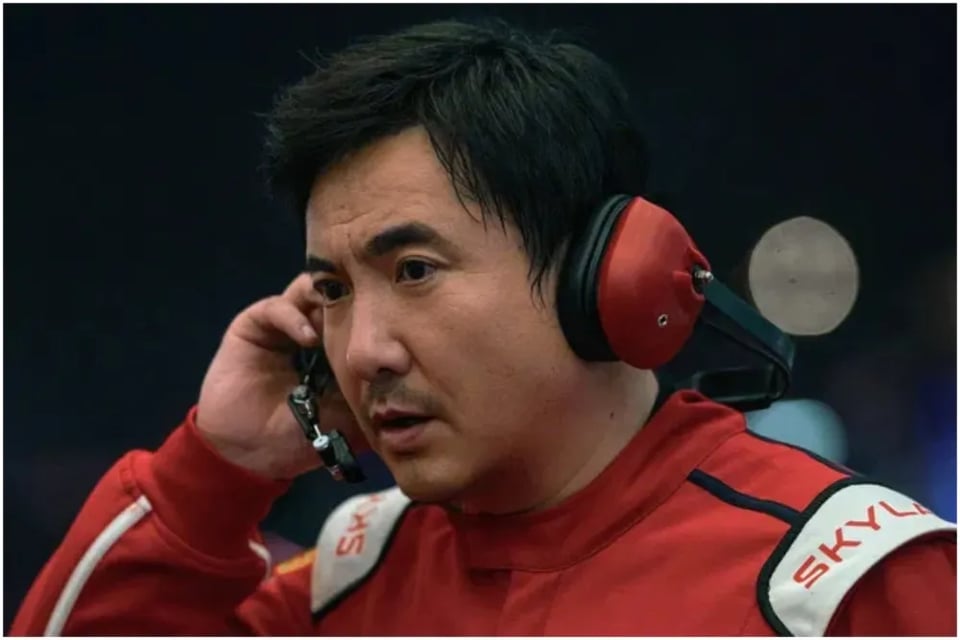
You don’t have to care about any of this to enjoy Pegasus 3. Han Han perfects rather than reinvents what already worked about his last two movies and without much fuss or self-conscious dithering. So no, you don’t have to have seen Han Han’s earlier movies, or even the last two Pegasus movies, to appreciate its filmmaker and his team’s collective knack for blockbuster craftsmanship—the best proof’s on-screen.


