The Body is a Mother
The writer as human
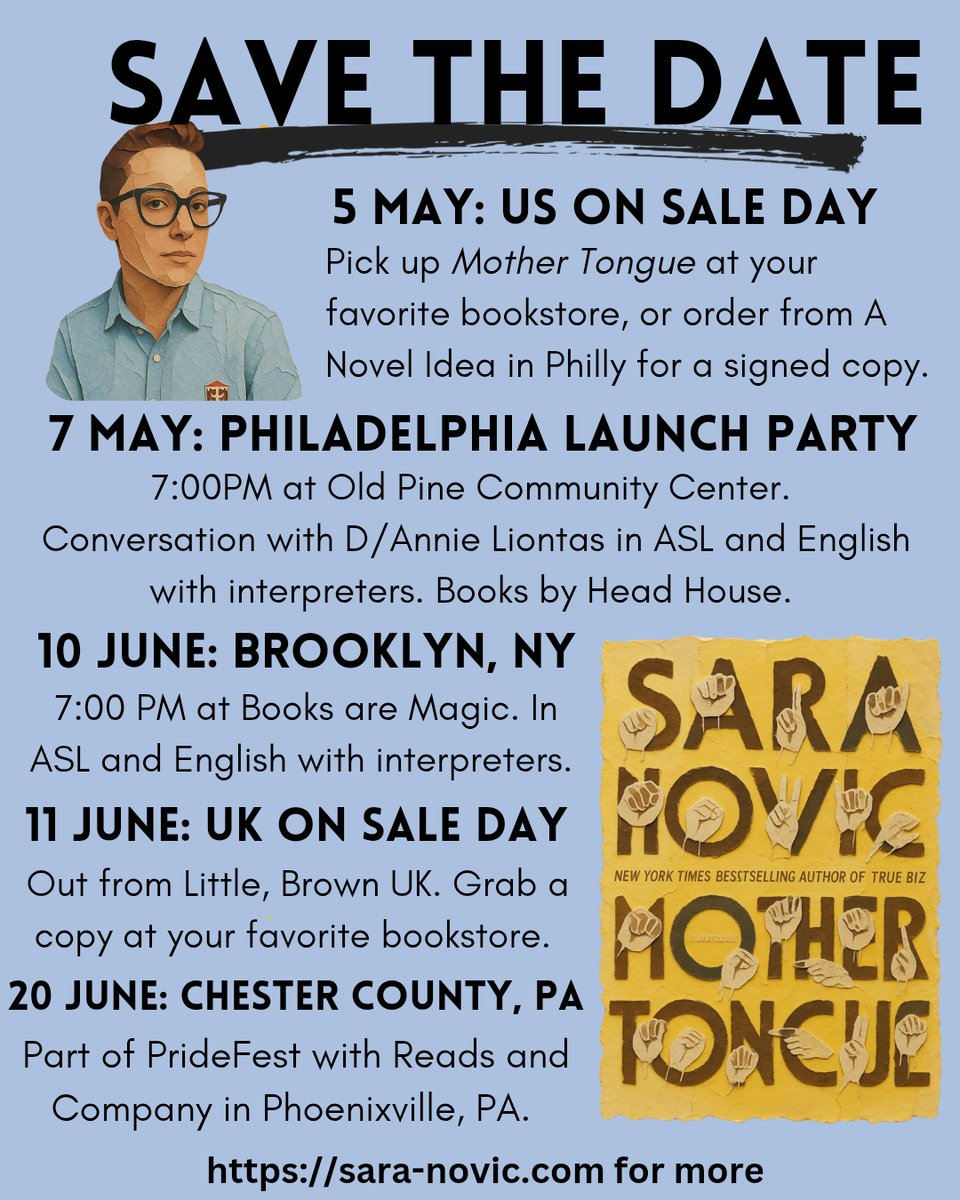
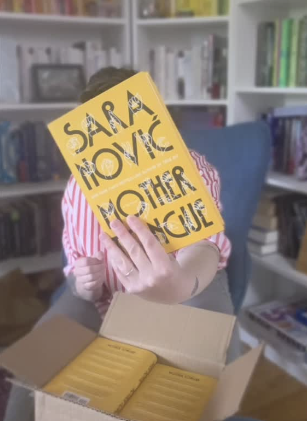
Hi, hello! Mother Tongue is out TOMORROW, Tuesday May 5th! Get your copy from your favorite bookstore, or put in a request at your local library branch. While you’re waiting for your order to arrive, you can check out a sneak peek of the first chapter over at BOMB Magazine.
Also! There are just a few tickets left for the Philly launch party, this Thursday, May 7 where there will be conversation with the badass D/Annie Liontas, and a large sheet cake. Grab a seat here.
This past week I made my postpartum foray back into being a public human being. At home, my body is currently not my own—it is a source of food and warmth and comfort and more food for a newborn. But out in the world sans newborn, I am myself again, or at least I’m pretending to be in a fake it ‘til you make it kind of way.
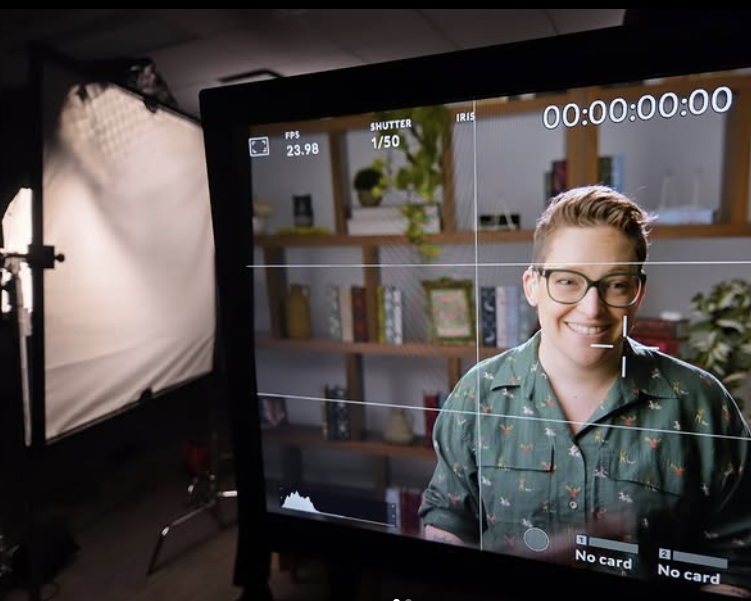
On Tuesday I visited Penguin Random House to record video content (read: trying to remember how to wear hard pants! Rushing in and out of the city between newborn feeding times!) Then on Thursday, I had the pleasure of attending my friend Emma Eisenberg’s book launch for FAT SWIM. (read: A rare accessible literary event with ASL interpreters! Sculptures! Dramatic readings! Zines!) Emma and her conversation partners spoke brilliantly about (anti)fatness, queerness, and a central theme of the story collection—the mysteries of having a body.
Embodiment is something I’ve been thinking a lot about lately. For a long time I hated my body in the usual ways: not thin enough for a childhood played out on the floor in the back of the Weight Watchers meeting. Not chaste enough for the Evangelical youth group leaders who’d so thoroughly convinced me that desire—any at all, and queer desire specifically—would relegate me to a fiery end. Not hearing enough, but occasionally not deaf enough, or not deaf-looking enough (whatever that means??) either. Not healthy enough for the doctors who could not be convinced that the wayward beat of my heart was something more than teenage angst.

I long thought of my body as untrustworthy, an adversary. I spent a lot of time trying to hide or change it. I often joked that I wished I had no body at all, was simply a brain in a jar. Without my body holding me back, I thought, I could get a lot more work done. My journey out of that way of thinking is what follows in Mother Tongue.
Society often positions writing as a heady, intellectual-only pursuit, and I used to believe that, too. But now, as a deaf person and a parent, I know different. ASL is a language that requires embodiment. In order to be understood in signed language, you need to throw your weight behind your words. You need to employ facial grammar and nonmanual markers that are almost always embarrassing when caught frozen in photos. ASL literature and language can of course also be heady and intellectual, but it must be embodied. These lessons have taught me how to create more visceral, three-dimensional prose in English, to throw my weight behind those words, too.
Then there’s parenthood. When in labor, you are pretty much only a body. But there are lots of moments in which sleep deprivation, rocking, feeding, carrying a baby (and beyond) can reduce parents to physical laborers.
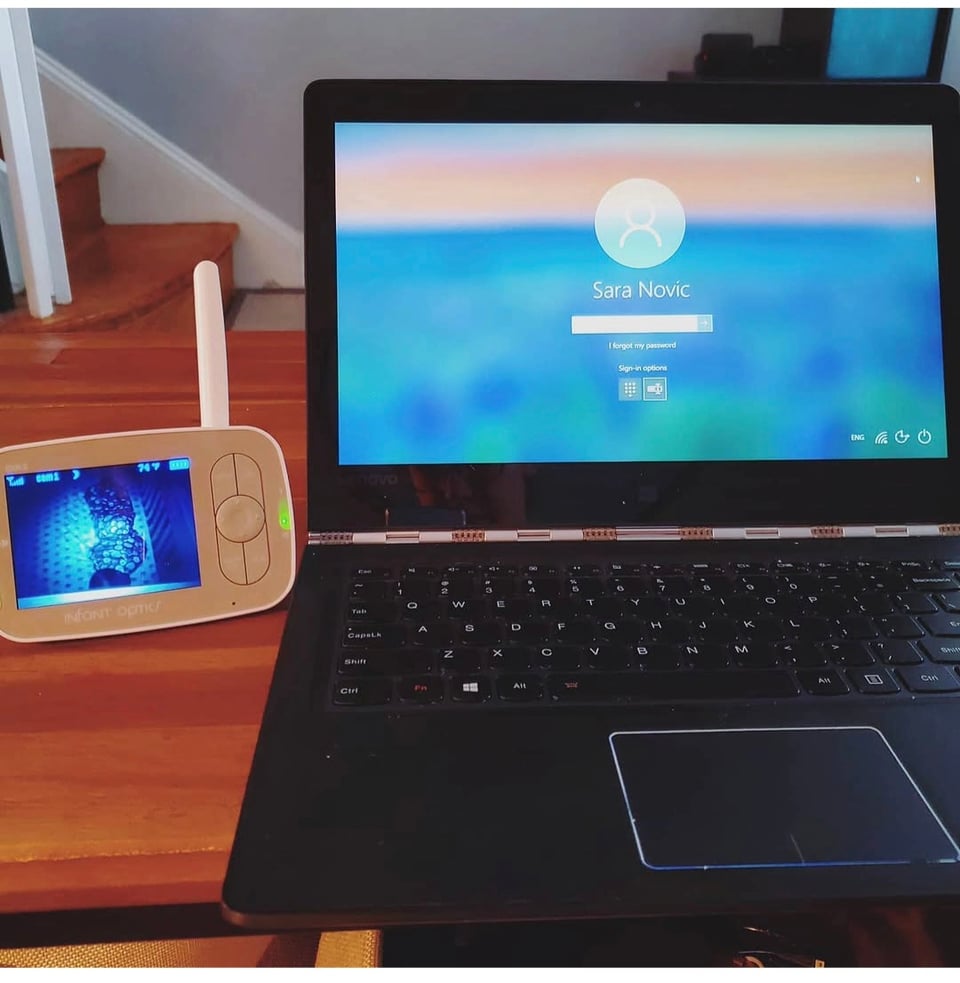
I think this is why so many women writers feel the need to divorce their writing career from their child-rearing, for fear that their work will not be taken seriously if readers remember they have a body. It’s true (and unfair) that these kinds of motherhood work-life balance questions are not typically asked of men, just as it’s often true and unfair that the reality of the division of labor weighs heavier on birthing parents and mothers. But I don’t think it’s true that the physical nature of our tasks makes our writing less serious or important.
Parenthood, at least for me, has forced me to become more creative with my time management in actually getting said writing done, a restriction I find useful in the same way a poet who sets up a strict rhyme or syllable scheme might. But parenthood has also made me a more creative thinker in asking me to be more expansive in my thoughts, the words I use, a flexibility to make connections and to change my mind more than I used to.
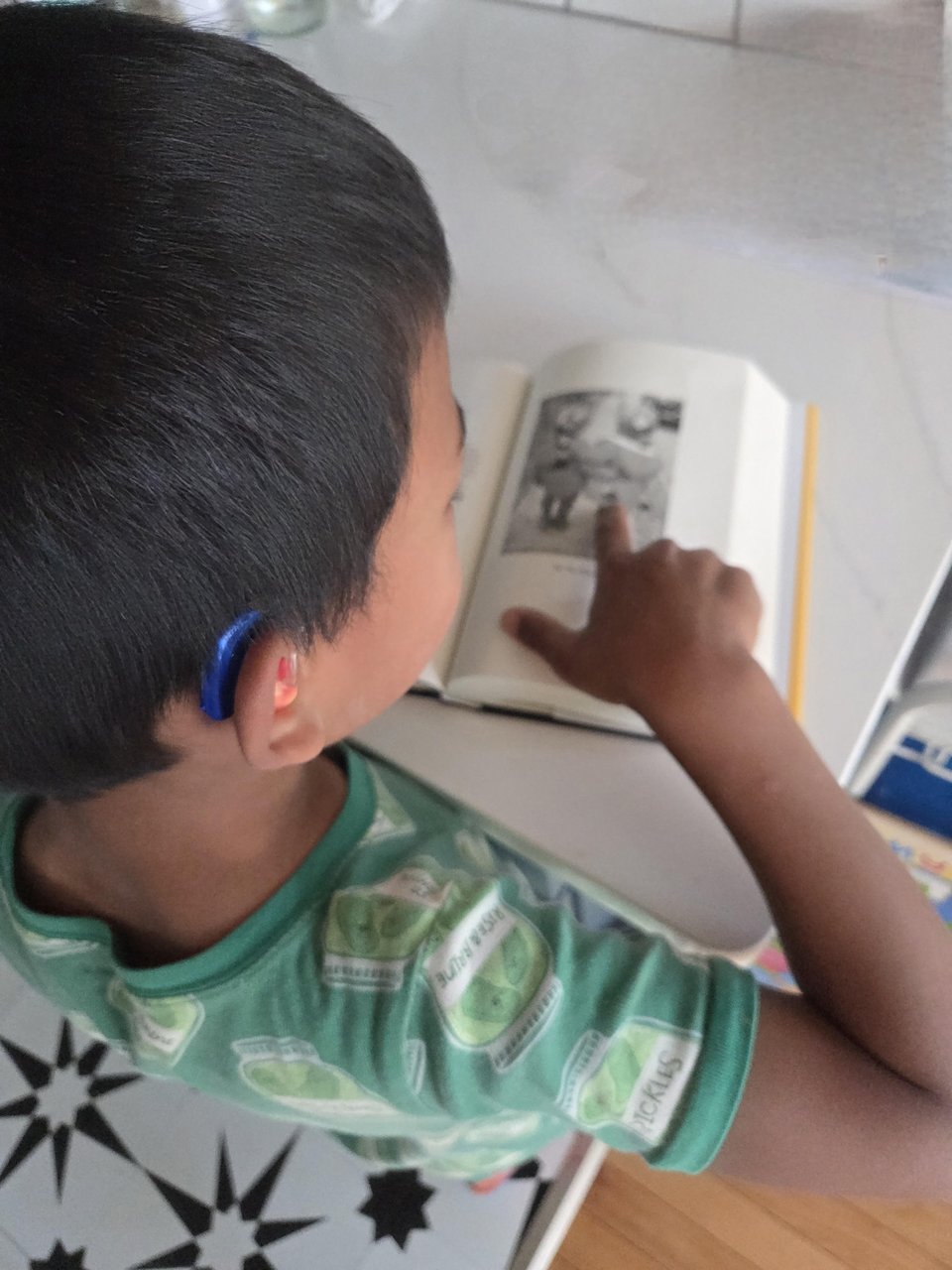
Because of my kids, I feel an amplified sense of urgency to speak out on the messages inside Mother Tongue about ableism, xenophobia, racism, eugenics and all the other horrors. But with them I also feel more joy. My children compel me to take my brain out of its metaphorical jar (cage?) and go outside again, to sit on the swings, to walk through a tulip farm, to drink from the hose. Through them, a second life, and brand new experiences that may just fuel the next book.
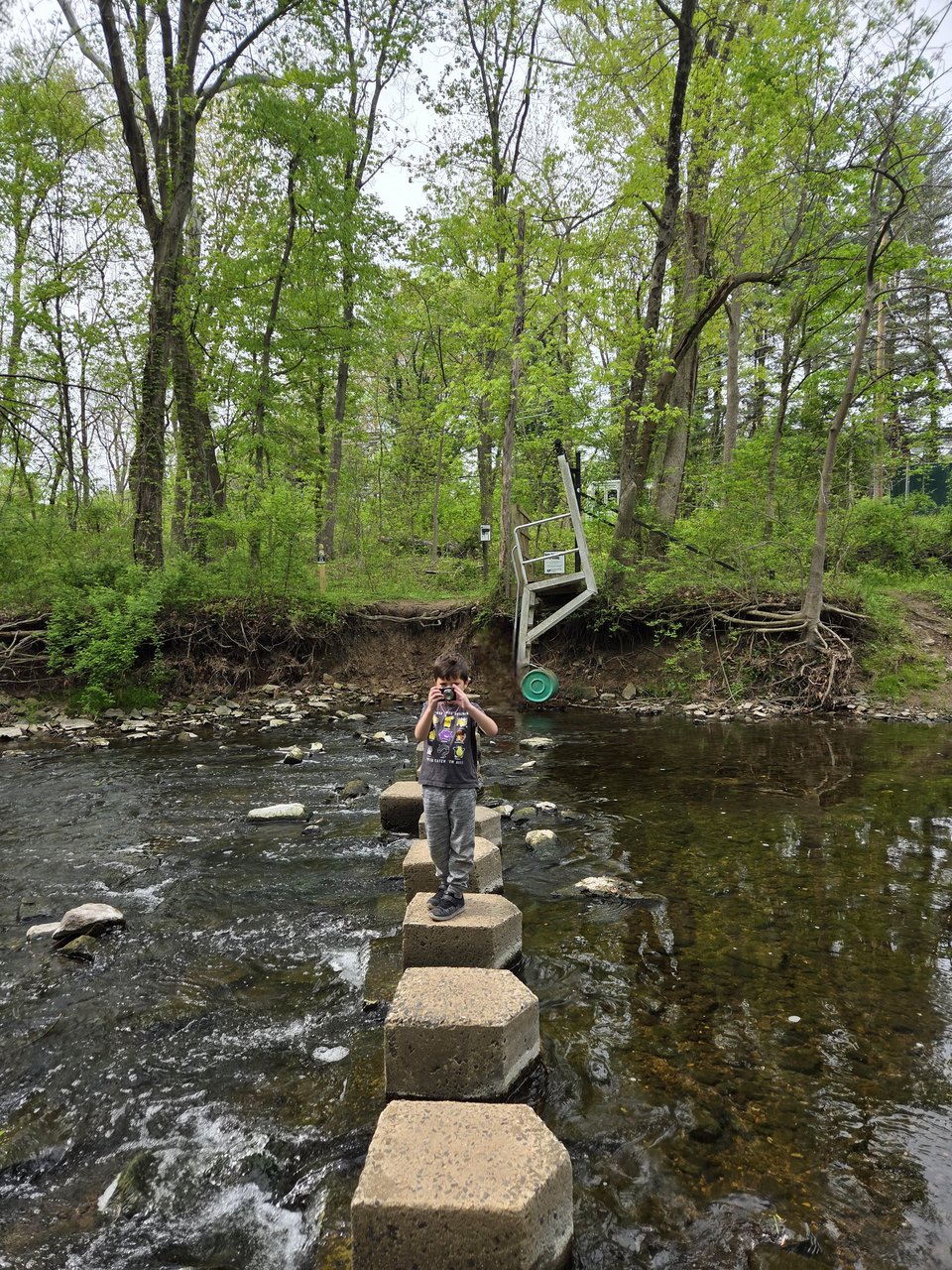
This is not to say that parenthood or disability are requisites for creativity, or that everyone experiences them this way, but they’re so often branded as creativity killers that it feels important to me to highlight another way of being. Still, there are so many different kinds of bodies and so many ways to be embodied. If readers take one thing away from Mother Tongue, I hope it’s that our wonky and imperfect forms can actually surprise us, if only we are brave enough to meet them where they are—in that murky, messy gray space in-between.
I actually have more to share about the embodiment of a book—the book as a physical object, and all the detritus that makes book-writing possible. But this has gotten long, so keep an eye of for a bonus letter this month where I can share with you some of the behind-the-scenes materials from the drafting process.