Wayward Wormhole 2026
We edit the book, we edit the book, we edit the book.
This is such a crap market, but every market is a crap market. The job market is crap and the publishing market is crap and the grocery market is crap. There’s nothing new to say here, and I’m bored of everyone else’s complaints on this topic, so I won’t burden the reader with mine.
Instead let’s talk about Barbados.
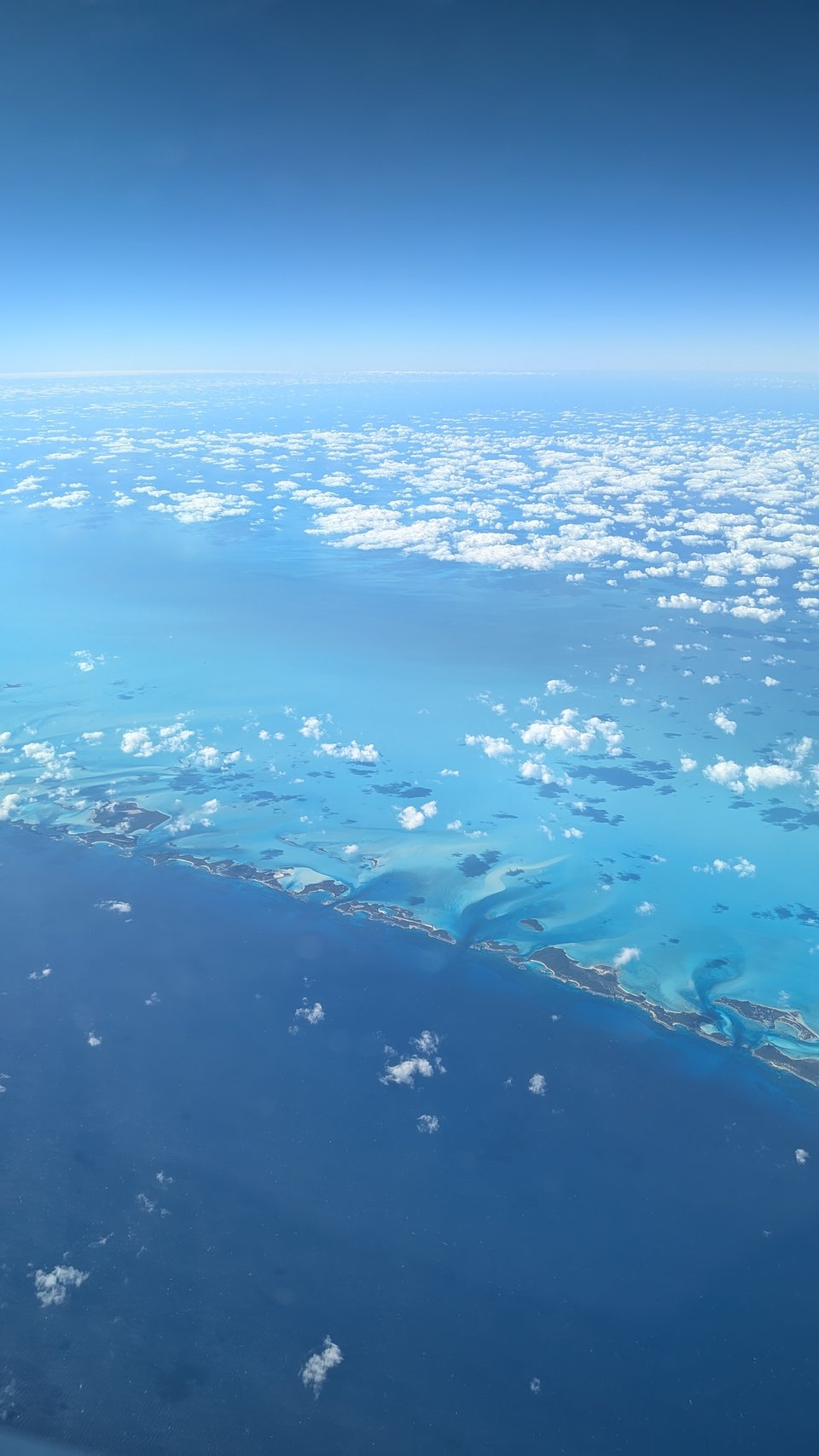
In February I attended Cat Rambo’s writing workshop, Wayward Wormhole, in Bridgetown, Barbados. I was especially excited to attend this workshop because its subject matter was novellas, my favorite form to write and read, and because one of my favorite authors was an instructor.
Attending writing workshops is a privilege. Having the money to travel and to take time off work or school and to leave whatever domestic or social obligations you have behind for a couple of weeks is a privilege. In my daily life I feel so busy and committed that half the time all I can spare for a writing practice is thinking about what happens next in the project. A writing workshop, especially one away from home, is a forcing function for space, for clearing the pond so water can well up.
In 2024, I attended Wayward Wormhole in New Mexico with a very rough novel draft and while the feedback I got on the draft was good and useful, I benefitted more from the daily lectures and coursework the instructors presented. Even more from the feeling of suspended time, where I got to put my daily life (work, housekeeping, my impending divorce) on pause and just live as a working artist, talk about books and art and life with other artists. So I went to Barbados feeling stressed and frazzled but excited to reconnect with folks who had also been in New Mexico, excited to learn from authors I respected, hoping that when I got there, it would feel worth the trip.
I applied to this workshop with the first section of a novella I started in November of 2024, inspired by the end of my marriage. By the end of that November, my first husband had died (suddenly and alone in his apartment during what looked like a regular night of TV, takeout, and a mixture of both red wine and vodka. Seemed like a pretty good night, albeit during a very sad and dark chapter of his life. If nothing else, I hope he got to eat some of the leftover Ethiopian food I found in his oven days later, toasted to a charcoal briquette.). The book project took on a different shape. I found myself not only writing a story about ghosts and alcoholism and a big old house, but about marriage, and wifehood, and the kind of commitment that you push into so hard it bleeds you out and kills you.
It was a hard book to write; a different genre and different style than my usual, but also dealing with subject matter much more personal than I usually put on the page. All the characters in fiction have elements of the author in them, and while protagonist of this book isn’t me, many of the experiences and the emotional journey of her narrative are directly drawn from my own life. I didn’t like writing this book because I didn’t like revisiting this part of myself.
By February of 2026 I didn’t need a lot of emotional or psychological help processing my first husband’s death (I have been in so much therapy. So. Much. Therapy.). But I needed help looking back in time at the person I was before we split up, the person who believed intensely that if she loved another person enough and took good enough care of them that he would rise to the occasion, overcome his challenges, and dignify the effort I was putting in to keeping him alive, become the person I thought he was when I married him (or maybe the person he actually was, but cancer and COVID and Tito’s washed that person away). I needed help forgiving myself. And I think looking at the novella draft through the more clinical lens of the workshop helped me do that, because it helped me separate the heartbreak that went into the book from the spirit of the book itself. I think that’s part of what writing a book is about: making room for the spirit, whatever that looks like, to inhabit the work.
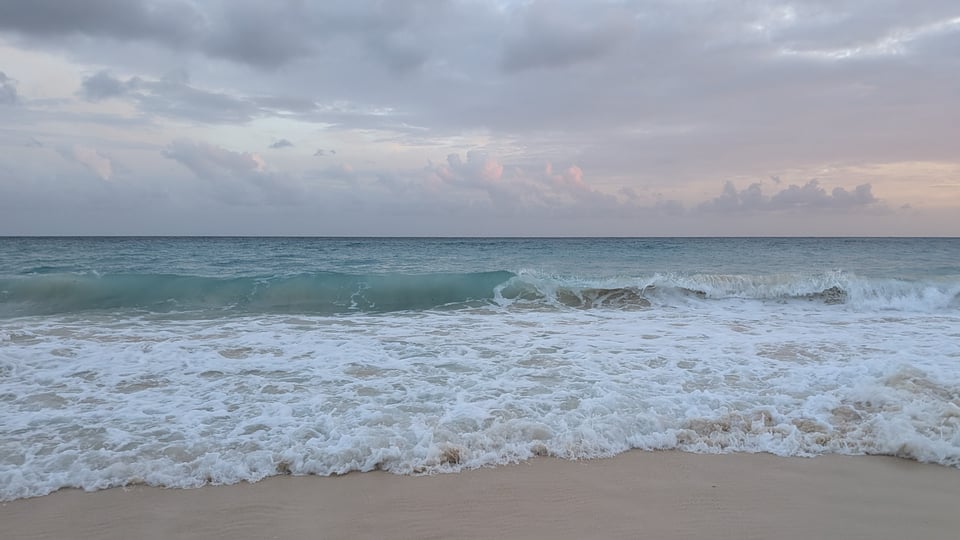
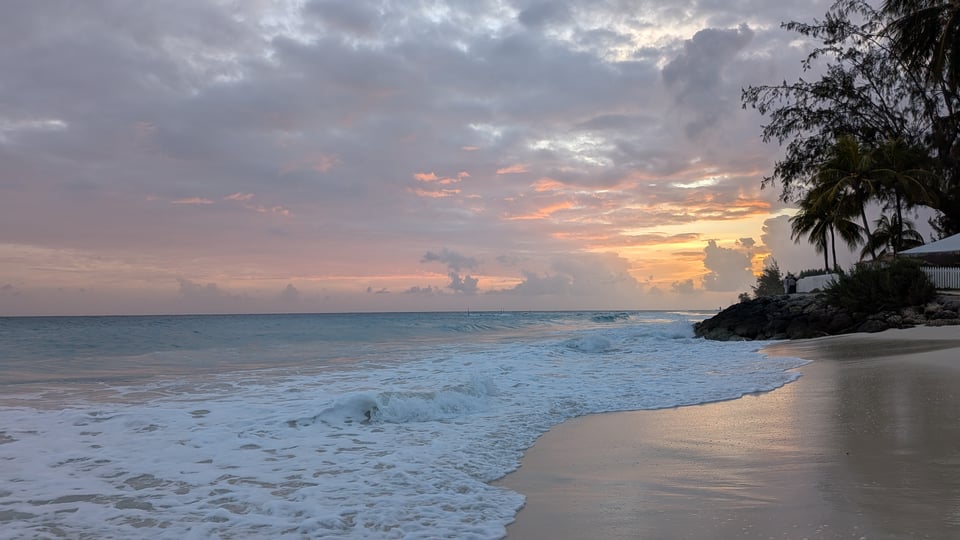
One sultry evening I stood on a white-sand beach watching the waves, and realized that earlier that day I had told a group of strangers about Brad’s death and my role in the disposition of his estate (a process which, incredibly, is still ongoing), with none of my usual safeguards, the things I used to do to separate myself from whatever their reaction might be, to prepare to accept their condolences or their religiosity or their incredulity, even before I told the story. Later that week, for unrelated reasons, Cat would give me a freshly tumbled amethyst as an appreciation for doing them a favor. The Ancient Greeks believed amethyst was both a curative of and a protector against addiction.
The wind was in my hair and music was playing. For the first time in two years, I thought I have nothing to be ashamed of.
The book is better for having gone to the workshop. And so am I.


Add a comment: