
My camera's Buddhist origins, and photography as a practice in compassion
I’m not a brand loyalist when it comes to camera gear or, well, anything. Having said that, I wanted to share some fun history about the primary camera brand I shoot with, which is Canon. Specifically, I primarily shoot with two Canon mirrorless cameras: my R5II and my R6II.
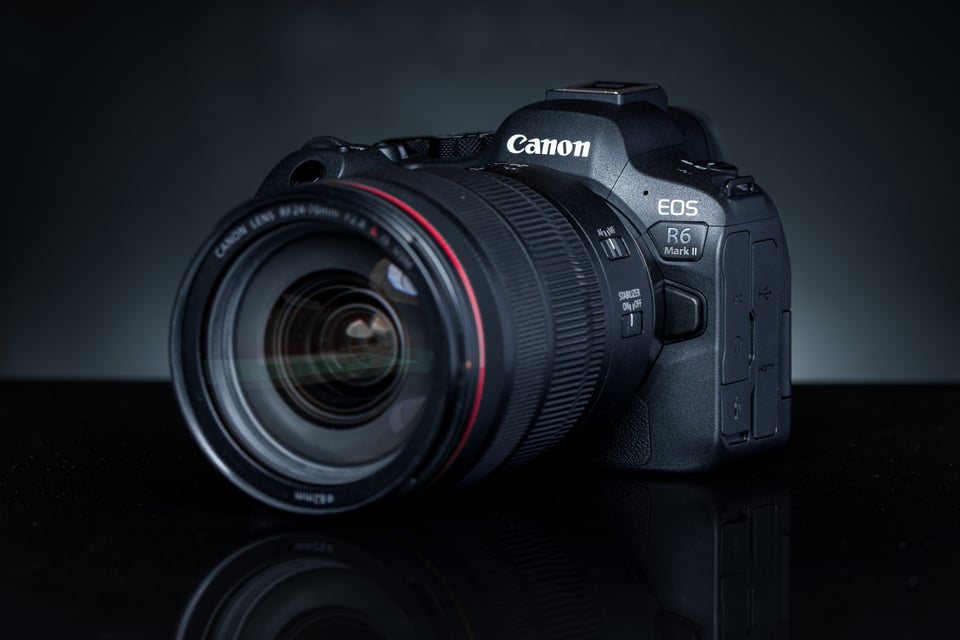

I don’t have very deep reasons why I shoot Canon. I do remember that one of the last cameras I shot with after college, before I took a years-long photography hiatus, was a Canon Rebel T7. During law school (in and around 2009-2012), the only camera I had was a Canon PowerShot SD200 point & shoot. And then when I got back into photography a few years ago and knew I wanted a mirrorless camera, Best Buy had a huge sale on a Canon R50, so I got one and then ended up in the Canon mirrorless ecosystem and stayed.
But now that I’m shooting Canon, it is cool to think of the origins of the name itself, and how that serves as a metaphor for why I do photography at all.
The brand name Canon comes from the name Kwanon / Kannon, which is the Japanese name for the Buddhist goddess and bodhisattva of compassion. The company’s original name was “Kwanon” and they literally had the goddess on their company logo (i.e., in 1934):
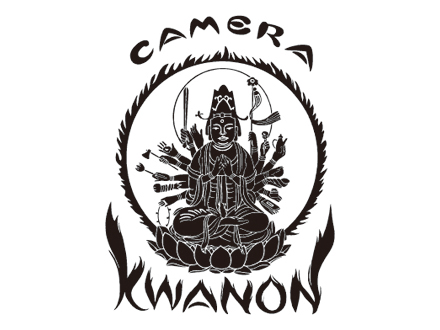
Canon explains on their website that their original engineers included Kwanon’s name and imagery “hoping the deity would share her benevolence as they pursued their dream to produce the world's finest camera.”
Kwanon is one of the most popular figures from Buddhism. In Vietnamese she’s known as Quan Âm, in Chinese (pinyin) she’s known as 觀音 Guānyīn, and in the original Sanskrit she’s known as Avalokiteśvara. Her full name means literally “the one who perceives the sounds of the world,” i.e., she who hears the cries of all suffering beings.
In the original Canon logo above, she is depicted as “thousand-armed Kwanon” (the “thousand” is hyperbole and just means “a lot”). A well-known story about Kwanon says that, upon hearing the cries of the suffering, she exploded—distraught—into fragments. Those fragments took on new forms to continue the work of liberation, and thus it is said that Kwanon appears in the specific form each being needs to lead them out of suffering. The thousand-armed form echoes this, indicating the myriad, infinite means by which Kwanon responds to and remediates the suffering of all sentient beings.
And hey, wouldn’t you know it, I’ve made art of her before:
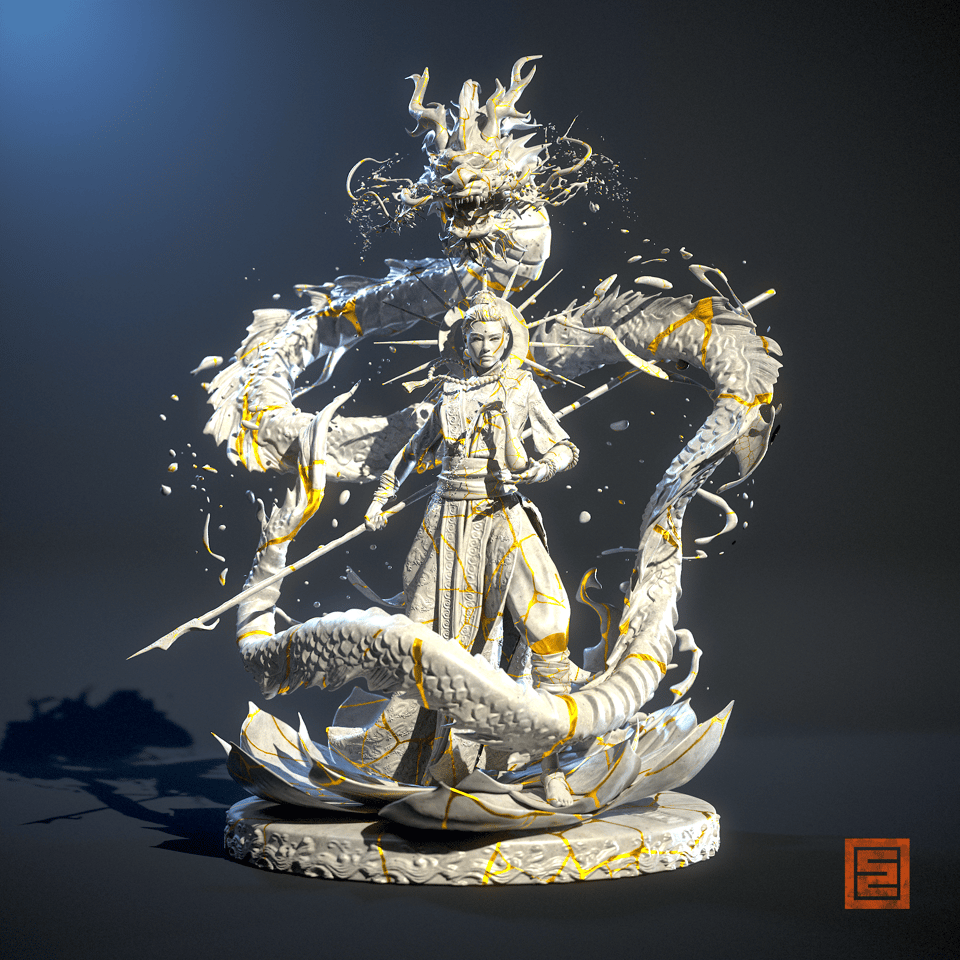
My rendition of Kwanon is a common variant form in which she appears, especially around Asia: She is depicted with a dragon and holding a spear, symbolizing her command over instinctual nature and primal forces, as well as her patronage over fishermen. She stands on a lotus, the perennial symbol of enlightenment which arises from the “mud” of existential suffering. In her left hand she carries a vase with holy water and a willow branch, both used for anointing aspirants at the start of esoteric rituals.
Although my immediate family was Christian, my extended family are Pure Land Buddhist, so I grew up with many, many images of Quan Âm. She is a figure of profound significance to me and to other Vietnamese people. If you visit Vietnam, you’ll typically find statues of Quan Âm and The Virgin Mary (because Vietnam has a significant Roman Catholic population as well) next to each other, such as on taxi-cab dashboards. The energy is giving maternal, protective, and nurturing.
I love this history of the Canon name because it touches on why I do photography at all, which is that all photography for me is an act of compassion. (And yes, that’s true even if you shoot other camera brands!)
Especially the last few years, as I’ve centered human beings and our activities in my photography, the camera has been a way to connect with my community and to better understand the people and lives in that community, and by extension to connect with and better understand myself as a being in community with others. The camera has been a bridge and vehicle for connection over and over again.
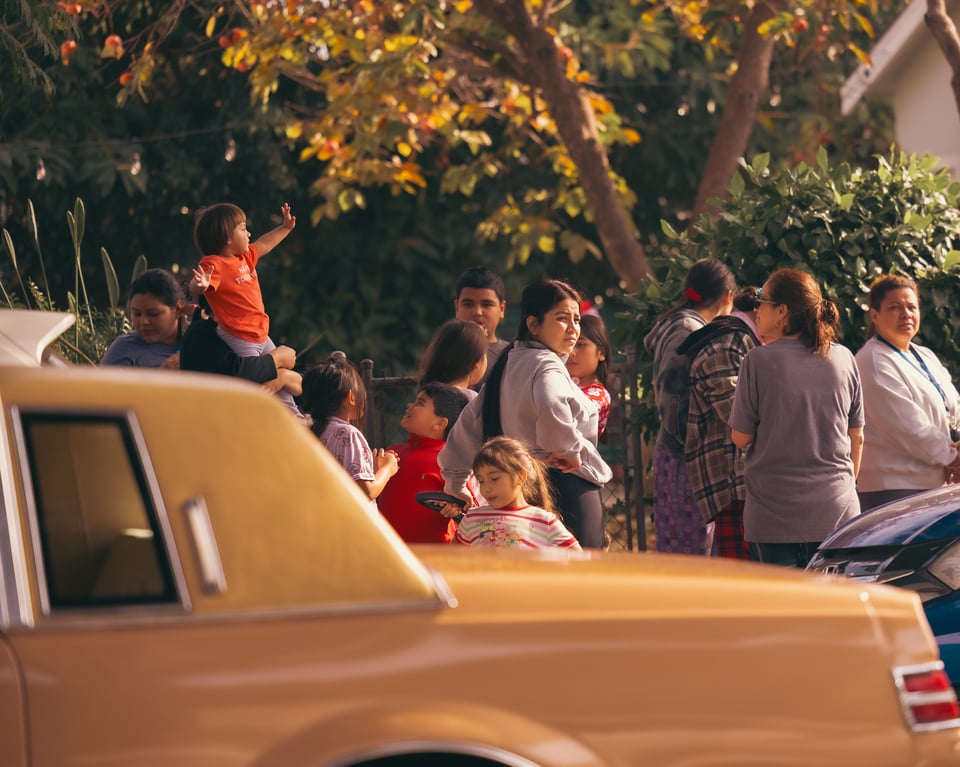
One of the greatest compliments I got was from my friend Oscar, a member of Litostyle, a beloved lowrider car club with roots in the Long Beach projects. I was the sole photographer invited by Litostyle to document their 2025 Christmas toy giveaway to kids in those projects. After I shared my photos with the club, Oscar told me that I “reveal light where others see only darkness.” That is now tattooed on my heart, dude.
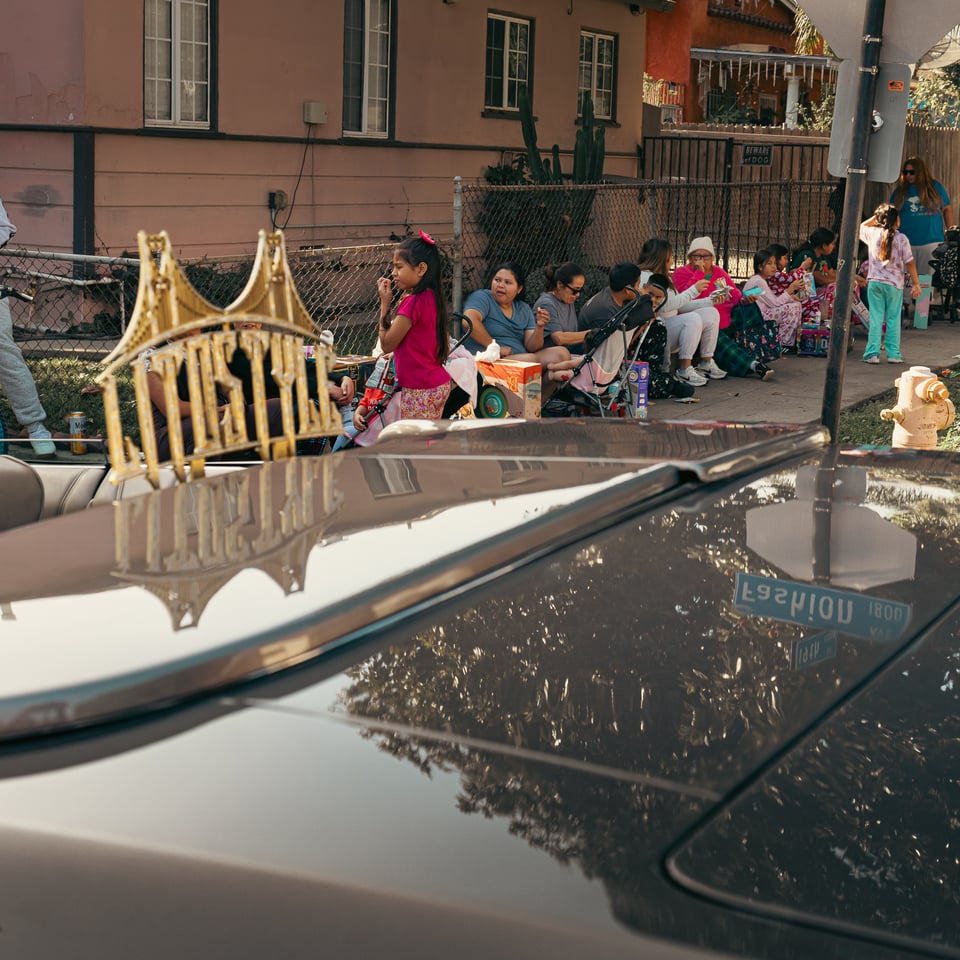
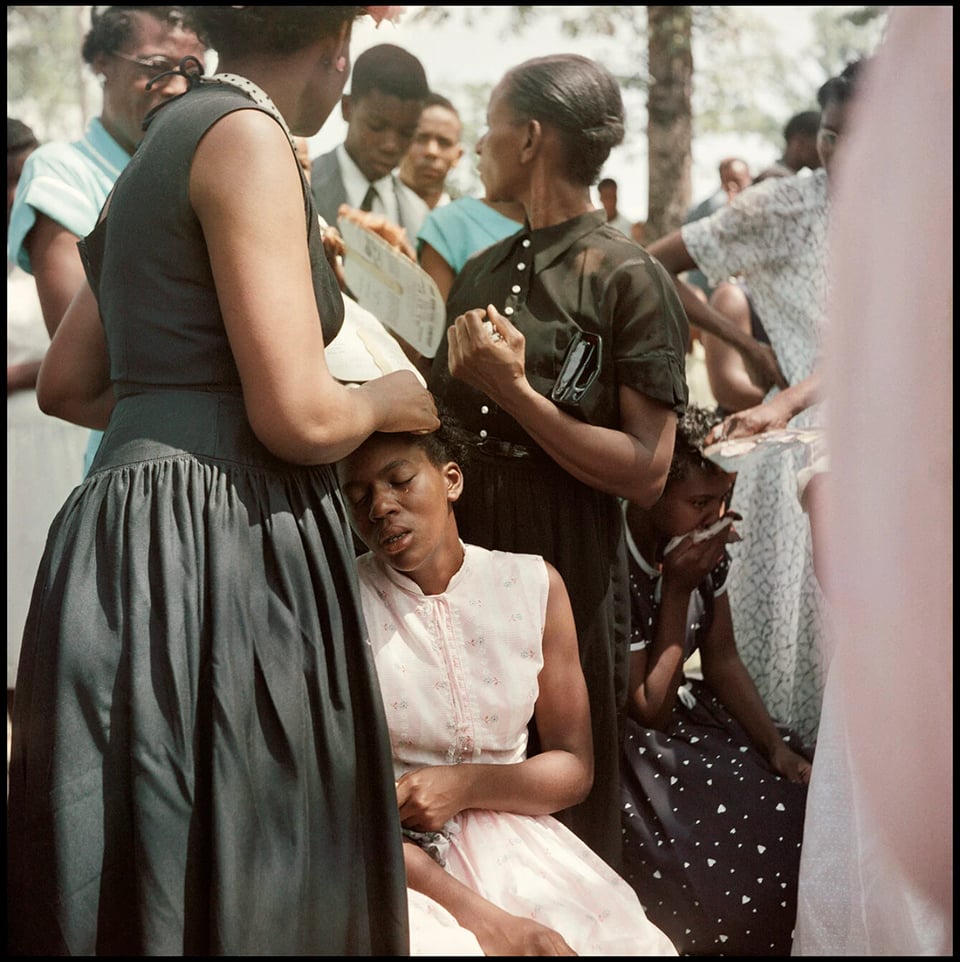
Likewise, one of my favorite photographers, Gordon Parks—who among other things documented the lived realities of Jim Crow segregation in the United States—said in 1967:
I picked up a camera because it was my choice of weapon against what I hated most about the universe: racism, intolerance, poverty.
This quote is so important to me that I have it on the front page of my website.
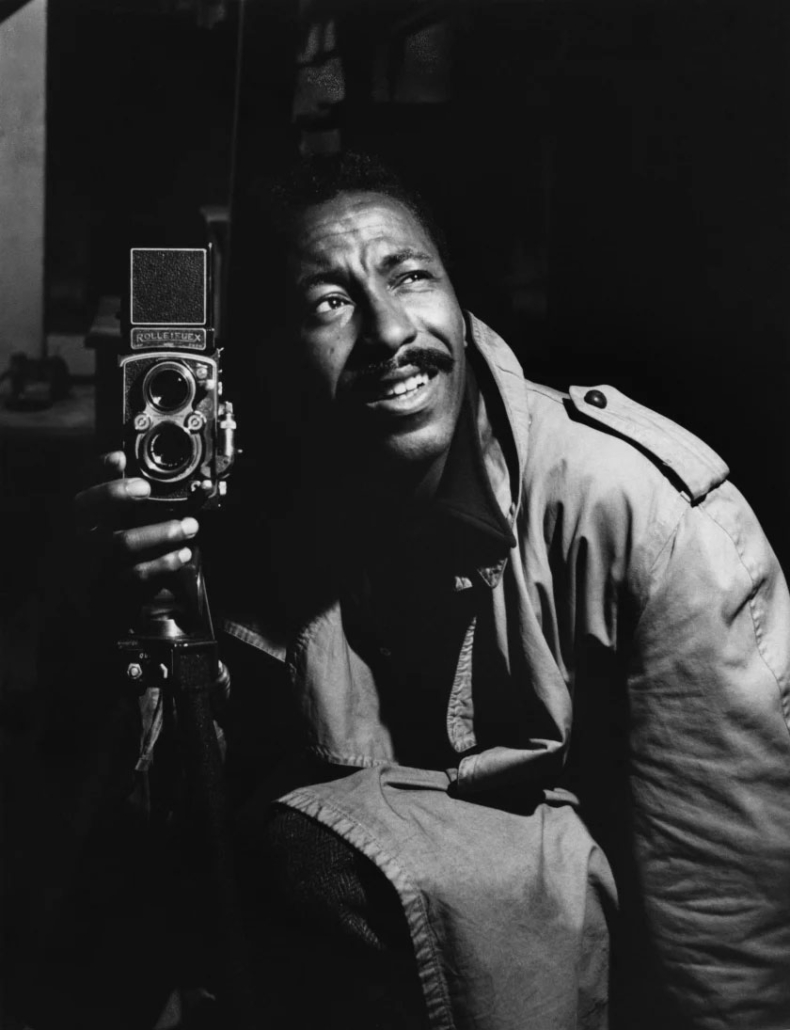
(He was so handsome.)
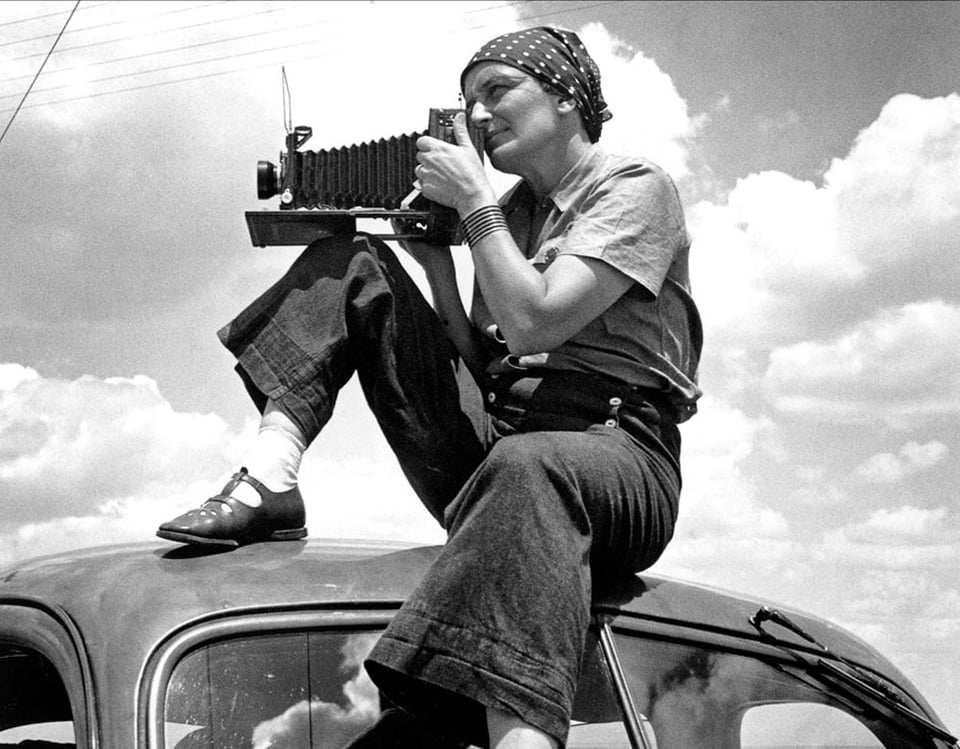
Another legendary photographer, Dorothea Lange—who among other things inspired Gordon Parks to buy his first camera (and both of them at various points worked for the U.S. Farm Security Administration to document American life)—frequently focused on the role of empathy in photography. This is so abundantly clear in Lange’s iconic image of the Migrant Mother:
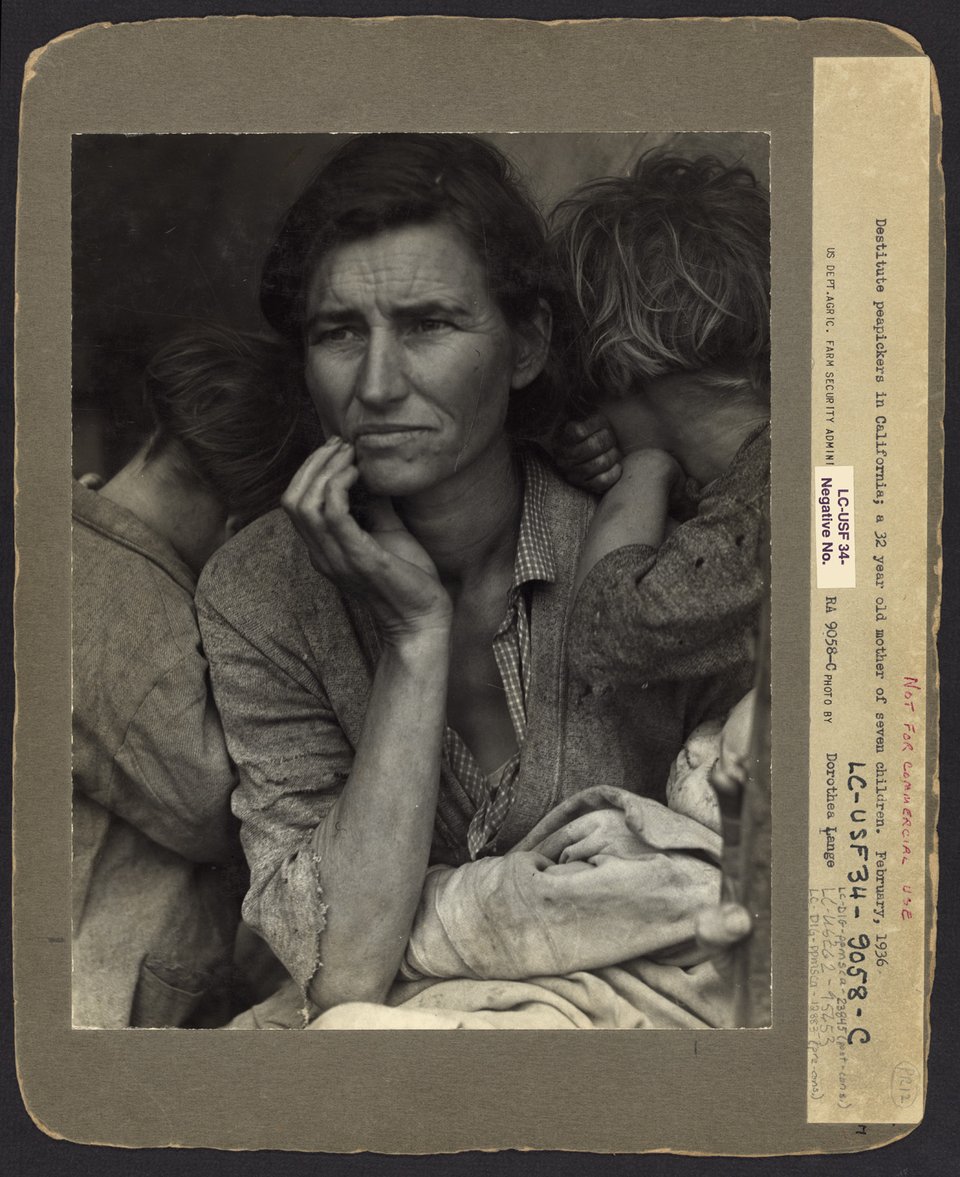
In explaining how she got this photo, Lange said:
I did not ask her name or her history. She told me her age, that she was 32. She said that they had been living on frozen vegetables from the surrounding fields, and birds that the children killed. She had just sold the tires from her car to buy food. There she sat in that lean-to tent [shed] with her children huddled around her, and seemed to know that my pictures might help her, and so she helped me. There was a sort of equality about it. The pea crop at Nipomo had frozen and there was no work for anybody. But I did not approach the tents and shelters of other stranded pea-pickers. It was not necessary; I knew I had recorded the essence of my assignment.
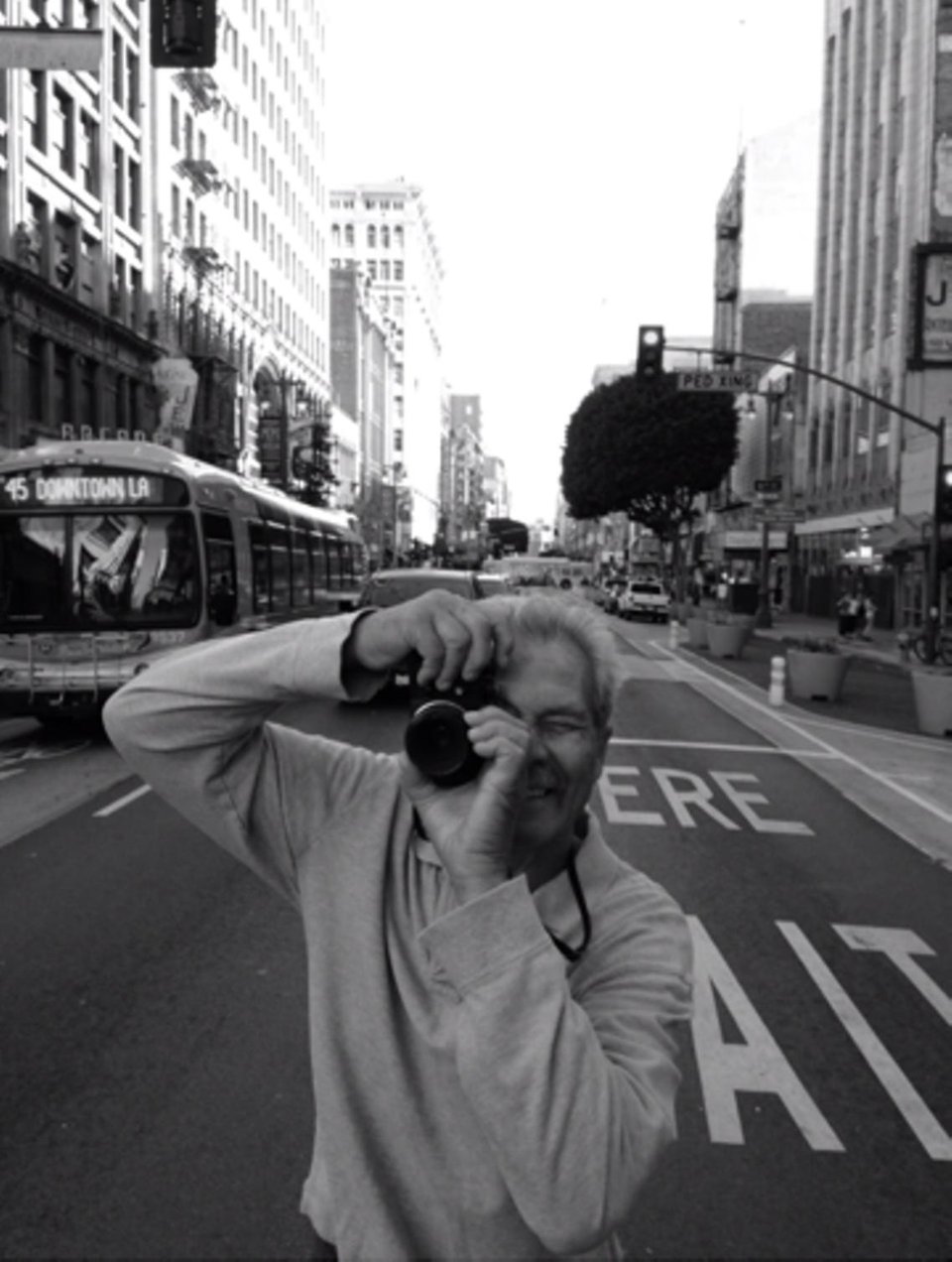
And recently I’ve been re-studying videos and works by John Free, the lifelong L.A. street and documentary photographer who passed away in 2024. We are blessed that we have many YouTube videos of John explaining his philosophy and process, including to his students. Throughout those videos, John explains that what should drive the photographer is compassion for their fellow human, and to let their heart lead their vision.
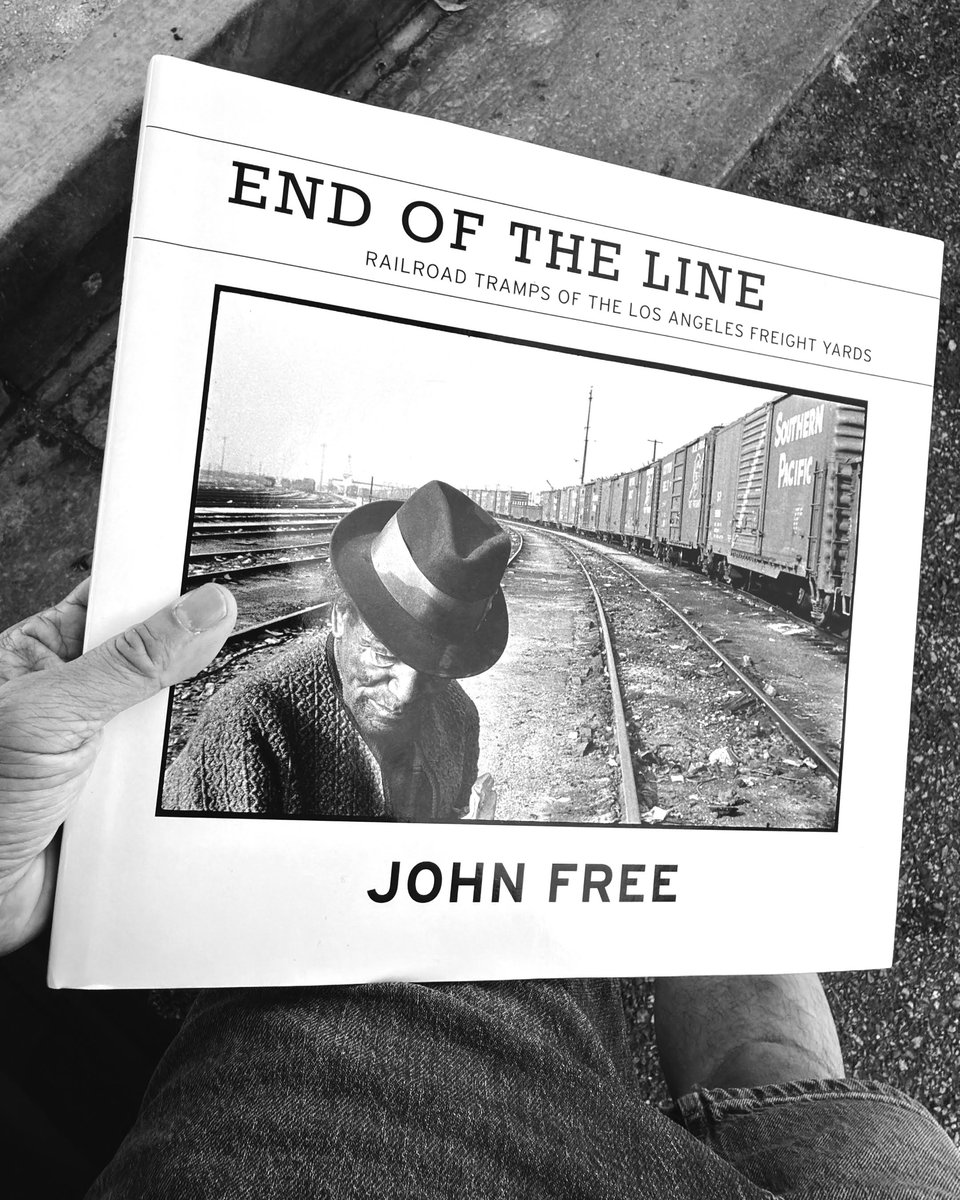
I recently got a copy of the only photo book John ever published before he passed, End of the Line: Railroad Tramps of the Los Angeles Freight Yards, from one of his former students in Santa Monica. One of my learnings from studying the book is how much he saw himself as being in community with the people he photographed; they were not merely subjects or props for his photography, but real people the camera was memorializing and dignifying through its frames. It’s my understanding from reviewing materials online and from speaking with John’s family, specifically his son Scott whom I’ve been corresponding with, that John encouraged photographers to print and give copies of photos he took of people to the people themselves.
This email ended up being a long one! But I hope I’ve painted a picture of the lineage and legacy that I see myself participating in. This also obliquely explains why I took a break from Instagram recently: I needed to get back in touch with this inner core of my art, what drove me to make images at all. This whole thing we are doing, it’s to create magical portals of understanding between each other. Now that I have this craft, I feel duty-bound to use it to exercise compassion, empathy, and love, over and over again.
Earlier I wrote that there is a story that the goddess Kwanon, upon seeing the suffering of all sentient beings, exploded into fragments. In some interpretations of that story, each fragment is like a shard of glass. And those shards, when splintered and multiplied, represent Kwanon and her compassion-mind permeating all aspects of existence, intimately reflecting and responding to every single unit of human experience.
I believe that this is a metaphor for what every camera does. A camera fundamentally consists of a box with a glass element that focuses light onto a surface that can “record” that light. Each camera, in the hands of the photographer, becomes a tool that generates one opportunity after another to reflect and respond to the experiences of others. And the deeper esoteric meaning of this is that that light reflects back onto us, mirror-like, to reveal what it means to be ourselves.

Copyright © 2026 Sam T. Lam.
To see my work and read more about me, please visit https://www.samtlam.com.
And you can email me at [email protected].