When efficiency shows up as a bad user experience - 31 July 2026
This week's thread
The marketing world is obsessed with seamlessness. We remove clicks, reduce steps, and iron out every wrinkle.
However, the concept of Friction as a Force for Good argues this is misguided. It suggests that deliberately making things harder, slower, or more exclusive can increase perceived value and make an experience more memorable.
It's a powerful, counter-intuitive strategy for any brand willing to swim against the current of convenience.
This week's concept
Friction as a force for good
In a world of seamlessness, brands can stand out by making life hard for consumers.
Thread ONE
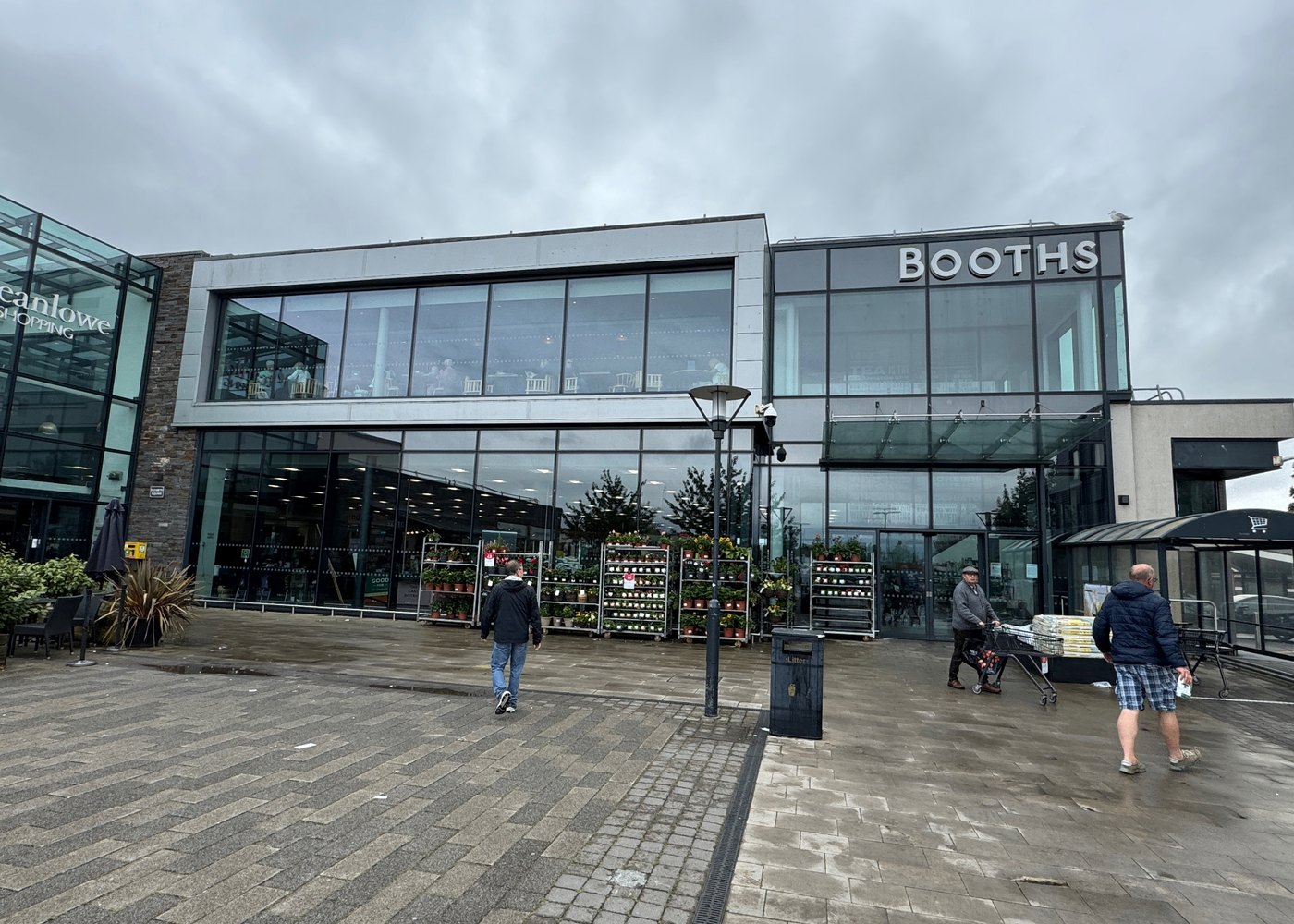
Booths supermarket
Northern supermarket chain Booths removed its self-checkout machines, going against the grain of retail efficiency. Customers found the machines unreliable and impersonal. By reintroducing human cashiers, Booths deliberately added a layer of friction to prioritise a better, more personal service.
Why it matters
Prioritise human interaction over automated efficiency where it strengthens your brand promise.
Thread TWO
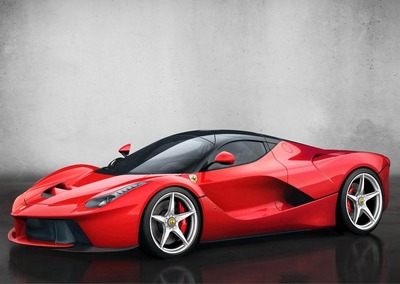
Ferrari scarcity
Ferrari maintains its value by making its product exceptionally hard to buy. Potential customers must meet strict criteria and often join long waitlists. This engineered scarcity and purchase friction is central to the brand's allure, turning ownership into an achievement rather than a simple transaction.
Why it matters
Manufacture scarcity to transform a simple purchase into a significant accomplishment.
Thread THREE
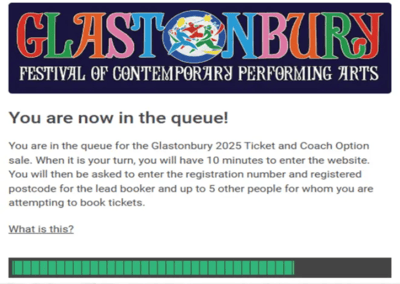
Glastonbury
Getting a ticket for Glastonbury festival is notoriously difficult, involving a frantic online battle the moment they are released. The difficulty of entry is part of what makes being there feel so special (though recent changes to the system have unfortunately been optimised for efficiency!).
Why it matters
Use a difficult entry process to build a pre-emptive sense of community and shared identity.
The thread, pulled tight
Consumers do not always want the path of least resistance. In an age of algorithmic ease, making people work a little can increase desire, create meaning, and signal quality. Employing Friction as a Force for Good is a reminder that the best brand experiences are not always the fastest or most seamless.
From the archive
Starbucks name on cup
Writing a customer's name on a cup adds a small moment of friction to the coffee-making process, but it makes an otherwise routine transaction feel more personal and human.
Continue the thread
When has making something harder paid off for a brand?
Reply with the best example you've seen. I read every response, and the best ones often end up on Uncommon Thread.
Keep pulling the thread