What People Tell You Is (Sometimes) An Illusion - 10 July 2026
This week's thread
You run a survey. The results look clear. But the findings do not quite stack up with what you see in the real world. This is a classic case of Bad Market Research, where lazy thinking makes it hard to gauge public opinion.
The problem is not that people are liars. The problem is that the questions invite easy, context-free, or socially desirable responses. What you are left with is an illusion of insight: a dataset that raises more questions than it answers.
This week's concept
Bad market research
Lazy thinking makes it hard to gauge public opinion.
Thread ONE
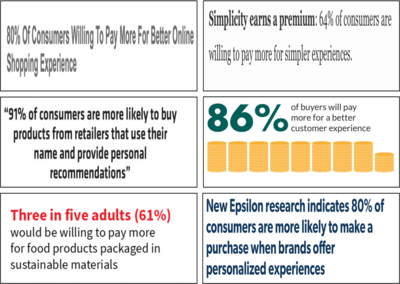
Willing to pay more for…
Ask consumers if they are willing to pay more for sustainable or premium products and most will say yes. It is an easy, aspirational answer to give in a survey. Yet actual purchasing data often tells a different story, with price and convenience dominating at the point of decision.
Why it matters
Stop asking about hypothetical willingness to pay and start observing or testing actual choices.
Thread TWO

New Coke
In 1985, thousands of blind taste tests showed that consumers preferred a new, sweeter formulation of Coca Cola. The company took this at face value, replacing the original Coca Cola with a new drink using the sweeter recipe. But the ensuing backlash to New Coke shows the limitations of objective thinking. Insiders forgot that, in the real world, people don’t consume drinks blindfolded. The data ignored the strength of the original Coca Cola brand.
Why it matters
Make the research context as close to the real world environment as possible.
Thread THREE
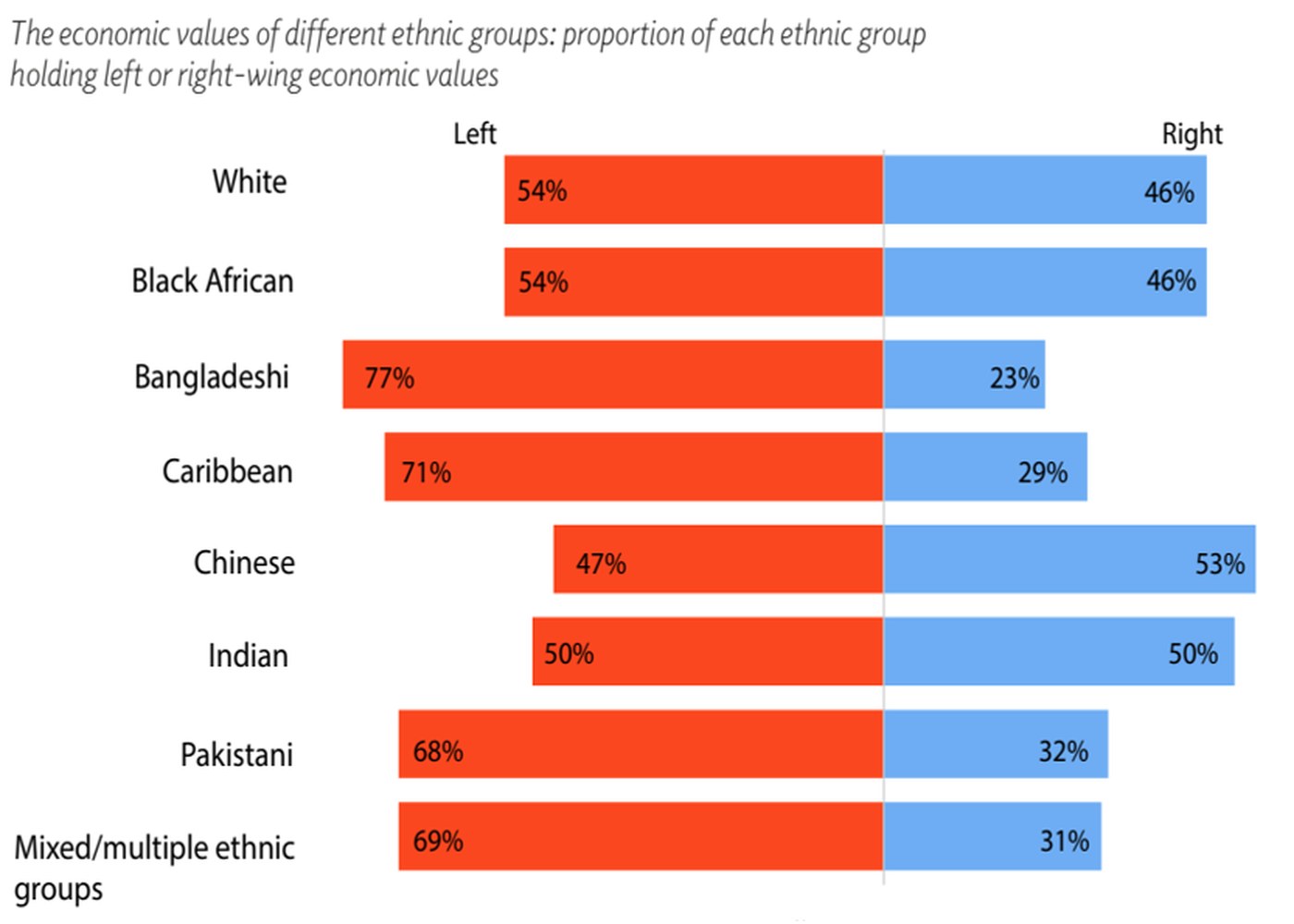
Ethnic minorities
Using crude demographic buckets like 'ethnic minorities' makes for tidy charts but poor strategy. These terms obscure huge variations in attitude and behaviour. For instance, UK voters with Indian and Pakistani heritage have different political leanings, a nuance lost inside a single 'Asian' category.
Why it matters
Segment your audience based on shared attitudes or behaviours, not just lazy demographic labels.
The thread, pulled tight
Real understanding requires thorough questioning. This is the difference between Bad Market Research and uncovering a genuine human truth. The former is easy, the latter is valuable.
From the archive
Immigration levels
The same pattern appears when you ask about immigration. Most people say levels are too high, but support for specific types of immigration, like for health workers, is often strong.
Continue the thread
What's the most misleading research finding you have seen?
Reply with the best example you've seen. I read every response, and the best ones often end up on Uncommon Thread.
Keep pulling the thread