We don't want the best option. We want the easiest one. - 4 September 2026
This week's thread
We claim to want the best, but we consistently choose the path of least resistance over the optimal outcome. From Google searches to grocery shopping, minimal effort usually wins.
This is not necessarily laziness: we are wired to conserve mental energy, which makes us default to whatever is most accessible. Understanding this cognitive shortcut is more useful than another focus group telling you people value 'quality' above all else.
This week's concept
Easy preferred to best
We like decisions that require little effort.
Thread ONE
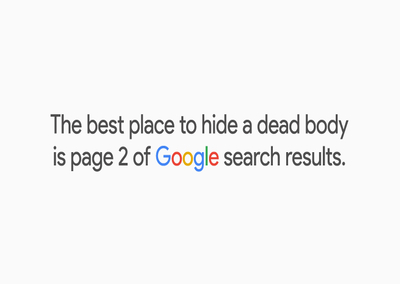
Google page 2
A mere 0.63% of Google searchers ever click to the second page. The 'best' answer could be on page three, but for the vast majority, if it is not on page one, it effectively does not exist.
Why it matters
Invest in being the most accessible answer, not just the most comprehensive one.
Thread TWO
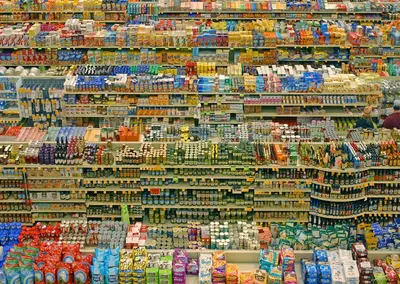
Supermarket items
Supermarkets offer a dizzying array of choice, with around 40,000 items on their shelves. Yet the average household buys the same 300 products year-on-year. We navigate overwhelming options by defaulting to the familiar and easy, creating a tiny repertoire of go-to brands.
Why it matters
Prioritise mental and physical availability over adding yet another product feature.
Thread THREE
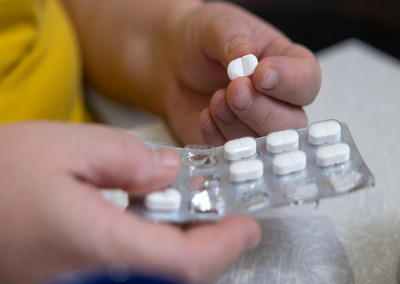
Paracetamol
In the UK, deaths from paracetamol poisoning fell by 43% after a simple legislative change. The government did not ban the drug; it just reduced pack sizes, making it harder to gather a lethal dose. This small amount of friction had a dramatic impact on a life-or-death decision.
Why it matters
Use friction strategically to discourage negative outcomes, not just to slow users down.
The thread, pulled tight
Marketers obsess over being the 'best' or 'most innovative', but the real win is being the easiest to choose, buy, and use. The principle of Easy preferred to best reminds us that reducing friction is a more powerful growth lever than adding features.
From the archive
Confirm password
Should you force a user to confirm a password when they complete your form? It certainly slows things down: removing the 'confirm password' box increases form conversions by 56% while not negatively affecting the password reset rate.
Continue the thread
Where have you seen 'easy' beat 'best' this week?
Reply with the best example you've seen. I read every response, and the best ones often end up on Uncommon Thread.
Keep pulling the thread