#3 Leaving Nottingham
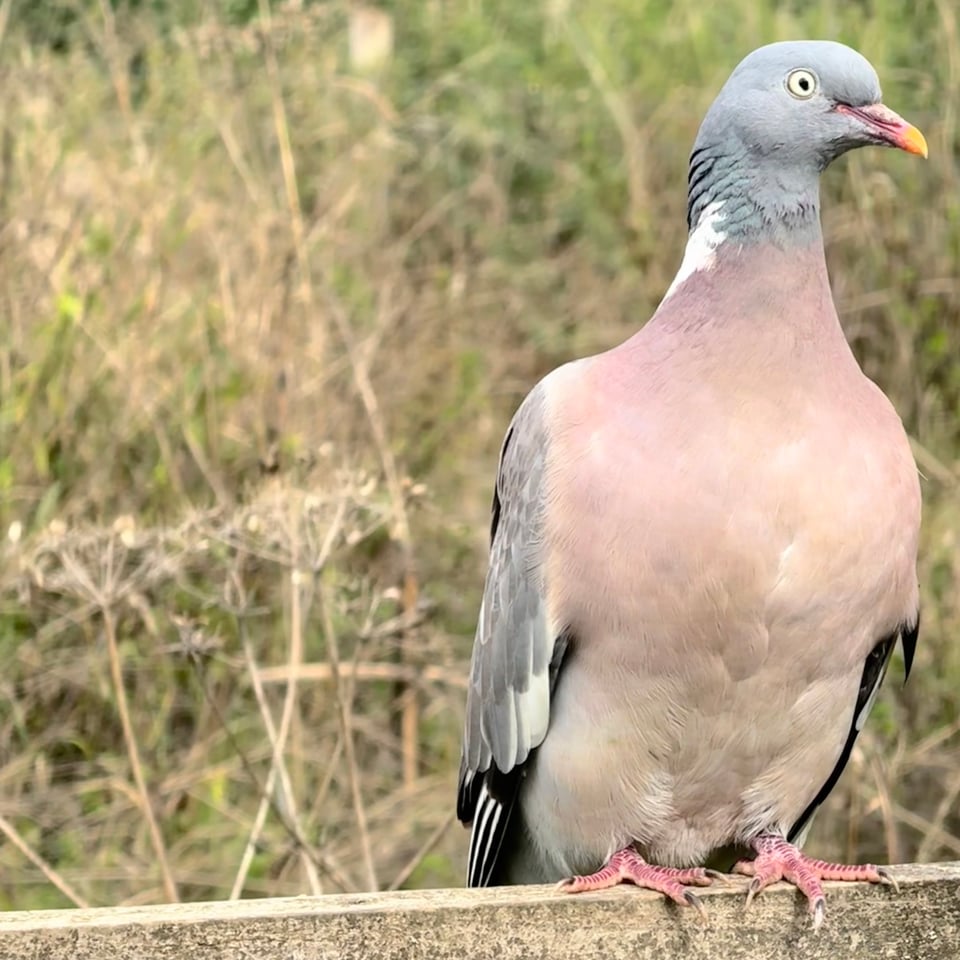
Nottingham wrap-up, how tone affects a show's beginning, a scripted show done the hard way, and a truly massive pigeon.
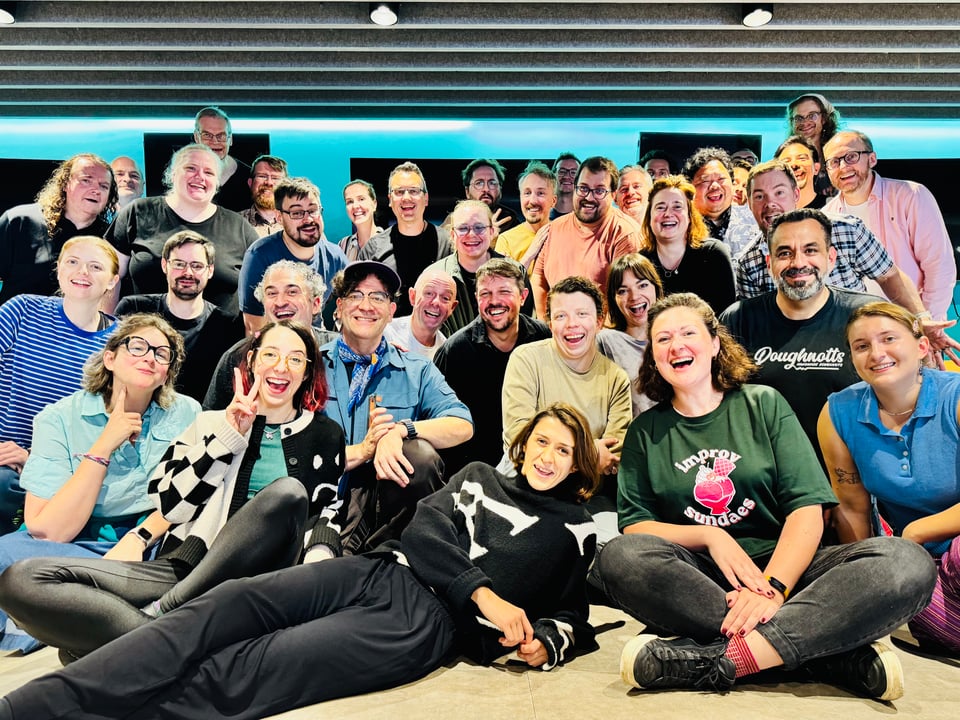
PGraph is currently wrapping up our week in Nottingham as guests of the Robin Hood International Improv Festival, the largest improv festival in the UK.
I've missed this! It feels like only now has the festival scene gotten back to the level it was pre-pandemic. Suddenly we find ourselves reconnecting with performers we met years ago (some as far back as 2011 in Edinburgh!), as well as meeting new kindred artistic souls from countries that are now on our bucket list. In fact, we’re heading to Germany in November, and starting to make plans for 2027.
The festival has been absolutely wonderful. Liam and Lloydie (the producers) and all the staff have been so welcoming. It’s been truly a joy to be a part of.
[Beginnings and The Tone Brush]
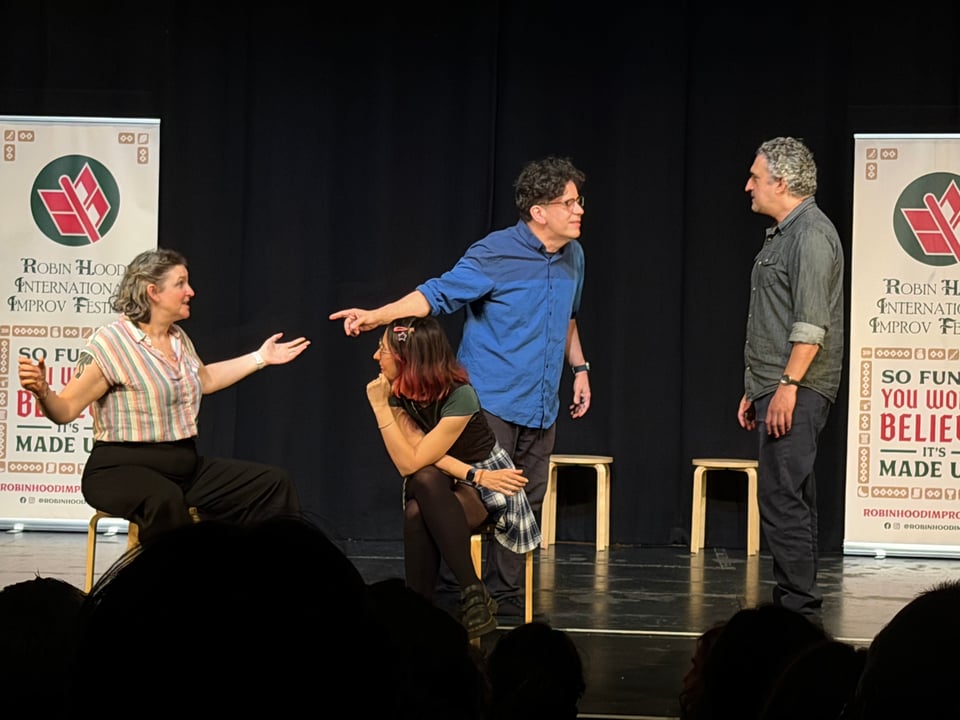
Here in Nottingham, we're doing all the usual festival things: performing, watching too many shows, staying up way too late nerding out about improv in pubs, guesting in shows, and… teaching.
At the beginning of the week PGraph led a 3 day/15 hour version of our narrative intensive. We started teaching it in 2011 and we've now brought the intensive to a ridiculous number of places all over the world. But the surprising and gratifying thing is that every time we do it, I still learn something new- some small epiphany that clicks into place. The individual exercises become a little more cohesive, and the connections between them become more apparent.
The intensive is a distillation of how we approach improvised plays- what we find important, practical, fun, and inspiring. And the longer we teach it, the more we focus on the very beginnings of stories- where we get to know the world, the characters, their relationships, and their “normal” situation.
We love to stress the importance of not rushing into the "inciting incident," AKA the thing that propels us into the story’s action. Before anything exciting occurs, it's important that the audience really understands who the characters are… so that when the crap hits the fan they care about what happens. If everything is rushed and merely surface level, there will be no investment in the fate of the characters and no one will give a fig if they succeed or fail.
As we were running our students (all 33 of them!) through these opening scenes, the same sort of questions kept coming up:
how do I keep things interesting?
how do I know what to do?
how do I stop from feeling antsy before anything big happens?
My standard answer is that these beginning scenes are a lot more compelling than you think they are. At the start we just want to know who these people are, and we’ll be delighted by their personality quirks, their shared history, and their relationship dynamics.
Later on in the intensive we do an exercise centering around tone. The gist is this- one student is given a word (like “cozy” or “fearful” or “happy”) and a setting. They then start the first scene of a show with that tone and location. The other performers join the scene and do their best to match the vibe. So everyone who joins in will be “fearful,” for example.
Our instinct is often to contrast the initial tone. So if someone is fearful we are brave. If someone is sad, then we are happy. But by everyone matching the tone instead, we paint the show with a single tone brush, and that performance takes on a very specific/unique feeling in comparison to other shows.
The realization I had teaching this time around was that having a strong tone to start a show is precisely what helps performers have fun just living in the world/their characters during that initial scene. Whereas it might feel directionless or like treading water to hang out in a scene with no particular vibe, if everyone is playing “cozy” then 1) there’s already a fun game to play as improvisers, and 2) you have something to latch on to and filter your character through.
As always, specificity, detail, and agreement save the day. If we can all get on the same page out of the gate, we don’t need conflict. Conflict will come later when it feels right/earned.
I’m grateful to be doing something with my life where I still learn new things. I hope that will always be the case, and more importantly, that I will always be open to a new lesson when it appears.
[idea #3/1,000,000 - Focus Group]
(wherein I share ideas that are kicking around my brain that haven’t been made real…yet)
Imagine a mostly scripted show (*gasp*), but it uses improv to devise the material.
There are six performances, one week apart, and in the first week we present the audience with an original short play that runs about 40 minutes.
During the break we invite the audience to submit suggestions for ways to improve the play- something minor, something major, and a new character.
After the break, we use those suggestions to improvise revised scenes from the play.
The next day the writer takes the improvised scenes and the suggestions, and does a rewrite of the script ASAP, and sends it out to the cast.
At the next performance there is a brief presentation about what has been changed in the play so far, and then the new version is presented.
The process then repeats until the end of the run.
This sounds so fun to me, and adjacent to how the Neo-Futurists operate. But it would require an intense amount of dedication from the cast and writer.
[What Comes Next - Brighton]

Next weekend, the 11th through the 13th, PGraph will be performing and teaching in Brighton, hosted by AndAlso Improv!
Link to our workshops on Saturday and Sunday!
[Flip the Script]
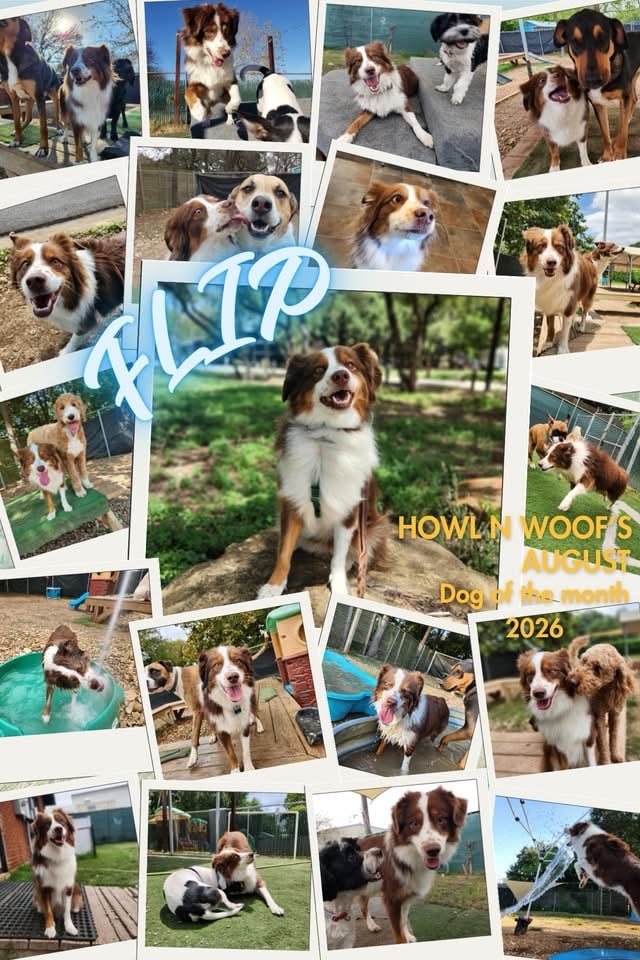
Big congratulations to Flip for being named “Dog of the Month” at Howl n Woof, the doggy daycare/boarder he attends (and is at currently). Love you!
Add a comment: