Bird of Passage: July 2026
Confession: I am writing this quickly, the day before this email is supposed to go out.
Confession: I am writing this quickly, the day before this email is supposed to go out. June was a fun but FULL month for me, one where it never felt like there were quite enough hours in the day. It included…
The end of my son’s second grade year.
Participating in a local native plant garden tour, spending a day showing our unruly, wildflower-filled yard off to friends and strangers.
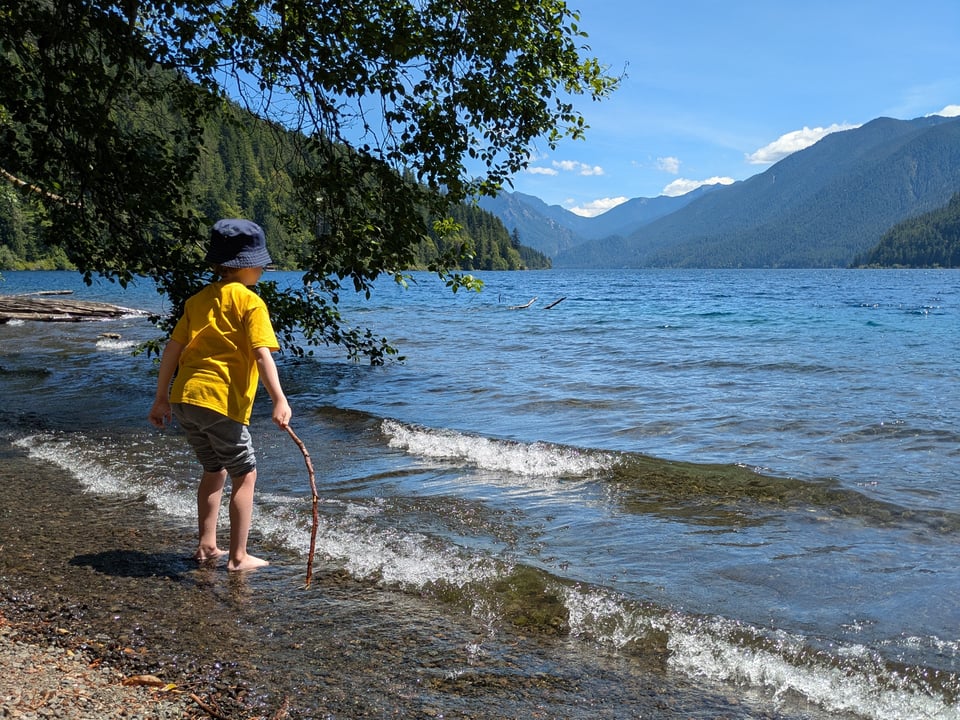
A wonderful week-long family vacation to the Olympic Peninsula.
A chaotic post-vacation re-entry, where I had to scramble to catch up on work with very limited childcare.
Leading various summer programs for my part-time school garden job (picture me doing things like taping construction paper petals to plastic bowls to use in a pollinator-themed relay race game while my son played Minecraft in the next room).
Harvesting more summer squash and green beans than we can possibly eat from our own little front yard vegetable garden.
Having not one, but two pieces of writing come out in actual print magazines (see below), and lining up interviews for a new writing assignment that won’t be published until months from now.
I am already eyeing my July calendar with suspicion, as it includes work travel for both me and my spouse, but hopefully it will also include homemade popsicles and trips to the pool. Onward!
Words About Birds
My first-ever piece for National Wildlife (the magazine of the National Wildlife Federation) was published this month! I contributed a story for their “gardening for wildlife” column on how to make your yard a safe and welcoming habitat for nesting songbirds, a topic suggested by the magazine’s editors. I hope you’ll check it out!
I also wrote the cover story for the summer issue of Living Bird (the Cornell Lab of Ornithology magazine). It’s about some fascinating new research into the deep history of hybridization between different species and genera of warblers and how it may have contributed to the bright colors we see in warbler species today. To my delight, the folks at Cornell also created downloadable color-by-numbers pages of different warblers to go with it!
Not by me: Although I remain hugely skeptical of the use of generative AI to produce writing and images, there are other areas where AI technology does have enormous potential for good, and I enjoyed this article from Audubon about how AI is being incorporated into bird research and conservation. (I actually talked a little about machine learning in my book in the chapter on flight calls, but that was before the ChatGPT era!)
Another topic that I covered at length in my book was how stable isotope analysis is used to study bird migration, and I continue to be delighted whenever I read about another cool application of isotope analysis. Here’s a cool article from The Conversation about how scientists are analyzing oxygen isotopes locked in fossil bird eggshells to learn about how plants responded to a changing climate 15 million years ago during the Miocene Epoch. Whoa!
Book Recommendation of the Month
Orbital by Samantha Harvey. My reading in the past month has been mostly vacation-oriented rather than work-oriented, which means I’ve been reading mostly fiction, and I really enjoyed this short meditative novel that won the 2024 Booker Prize. It follows four astronauts and two cosmonauts over a single 24-hour day on the International Space Station as they orbit the Earth sixteen times and reflect on their lives, news from home, and their place in the universe.
Thank you as always for being a reader! See you next month.


Add a comment: