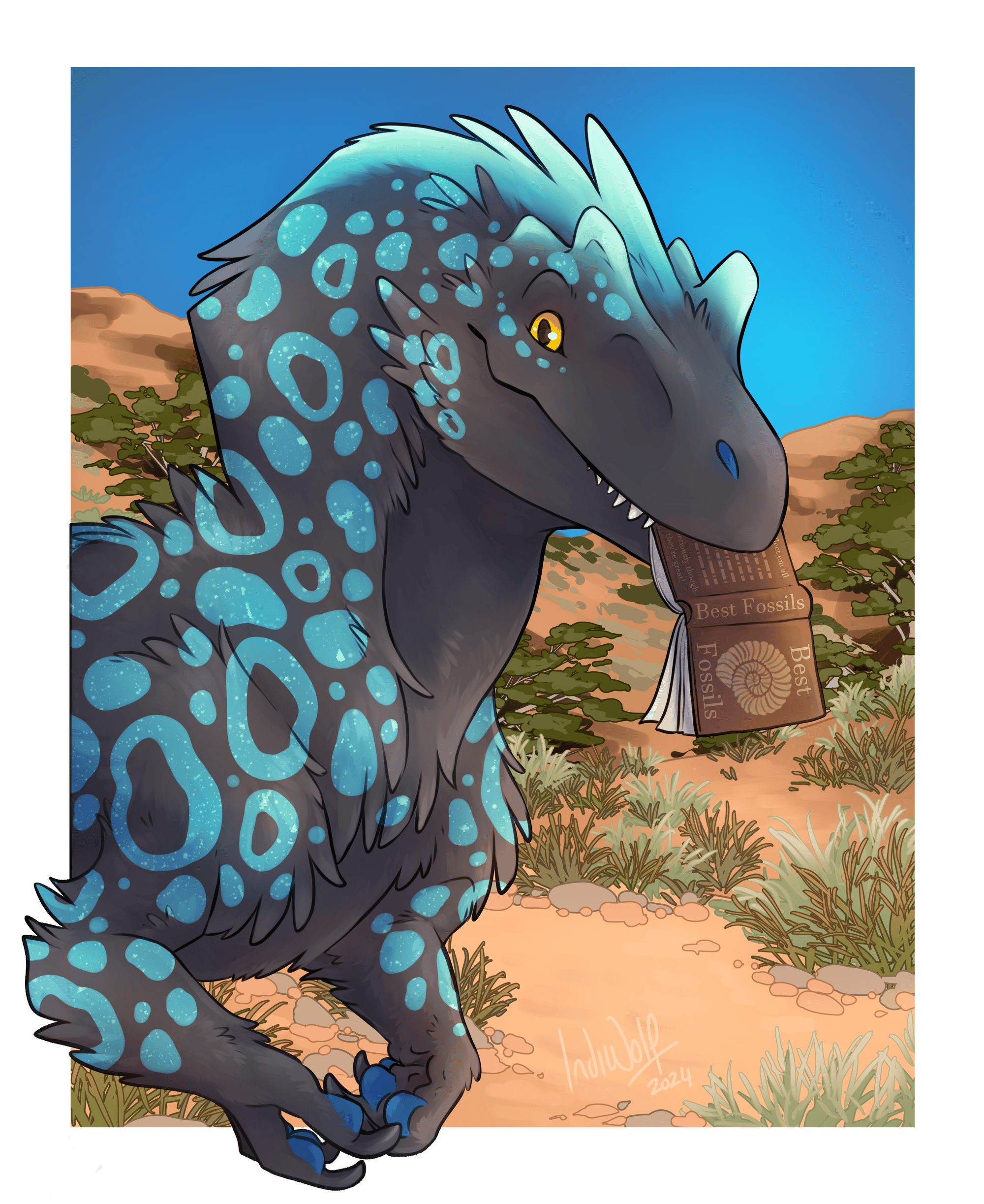
Friday Fragments #24
Reading is never risk free.
It had been a while since I had a tune-up.
I learned to write as all writers do, by writing. I learned to write by reading and thinking, rejecting some ideas and taking others with me, generally struggling to take what’s in my brain and illustrate it for you. But this is also like learning to cook without ever asking what techniques other cooks use, and so I went back to a book that I remember being very helpful in one of my earlier instars, Storycraft by Jack Hart.
Any advice book - therapeutic or professional - is “take what you need and leave the rest.” Not everything will hit for a variety of reasons, such as time elapsed since the book was written, differences in class, variations in gender, and on. Still, I expected that there were some useful ideas and strategies that I’d forgotten since I last opened the book over a decade ago. What I didn’t expect was for a nugget of Hart’s advice to get stuck in my teeth.
Not surprisingly, novices often want to write narratives with bad-guy protagonists, but bad guys seldom work as narrative protagonists. For one thing, they seldom show us the way things should be done. For another, readers can’t identify with them. And for yet another, readers expect heroic - or at least likeable - protagonists, which is why criminal protagonists in Hollywood movies usually come off as loveable rogues. If you give some sociopath protagonist status in a nonfiction story, readers will invest the brute with positive qualities he doesn’t deserve.
There’s plenty of reason to pause when telling stories about “bad guys.” When true crime blew up, it carried a steamer trunk of ethical issues with it. Hart glances on the edge of this point in his caution against idolizing horrific violence and abuse, even if only out of concern for readers and what makes a good story. But at no point does Hart stop to consider what makes a good guy or a bad guy, how the writer, institution they write for, and the social world they move in all shape the hypothetical moral binary. It feels too close to seemingly endless online discourse over coziness, what sort of characters readers want, and the mistaken idea that stories are safe.
It’s worth keeping a salt shaker handy for whenever book discourse rises from the hazy depths of Booktok and squelches by. We know social media thrives on paid endorsements, outrage, and pointed takes designed to slurp up attention whether the person making the point is being genuine or trolling. Journalists eat this up, picking out posts with high engagement of proof of a cultural moment and all of a sudden everyone’s directly or obliquely posting their feelings on whether first person narrative is pleasant or the worst thing ever. But the very fact that so many of us seem on a hair trigger to get defensive and discursive over things like cozy fantasy, morally gray characters, and whether an author writing a terrible thing is condoning that terrible thing worries me.
Our fixation on squeaky clean and instructive stories worries me when we’re seeing American conservatives trying to bury academia underneath their treads as fast as they can. It worries me when book bans and attacks on libraries are widespread and commonplace, the works of anyone other than white, cis, straight people treated as lethally contagious. It worries me when the kinds of stories that focus on queer people, the way we love each other, the norms of our communities, the ways we have sex or don’t, are not only erased from society but any expression even approaching such queerness is treated as morally suspect, as if such stories can taint by contact. It worries me that the conversation so often comes back to the desire for straightforward, relatable characters clearly divided into right or wrong as examples for us to emulate, whether through a crime report in a newspaper or grim-looking men in capes saving the world in time to make another problem that’ll set up the next Hollywood blockbuster. Right thought leads to right action, as if our thoughts and motions must always be in perfect accord and perceived as such - even to ourselves. The snarled, sticky emotional complication we all live with is meant to be shorn away so that we have a simple, instructive story of how life should be. Of the correct feelings to have and lessons to take home. Palliatives.
We have to keep learning that fiction is fiction. We have to keep learning that stories are created by carving some elements away, subjective even when we swear objectivity. We have to keep learning that who is telling a story, about whom, is part of an author’s push against the world that we’re meant to notice and, where necessary, push back on. We have to keep learning that readers bring something to the stories they’re taking in just as authors are creating a world through a pinhole.
Of course, Hart was writing about narrative nonfiction. There have to be facts that the narrative touches. But many of his suggestions follow basic storytelling advice and structure, in his case formed in editorial offices of newspapers and magazines with their own professional conventions and ideals. Instructive stories about how things should be done, the good guys getting the bad guys or at least trying. Could there be any better way to entrench an establishment view that leads people to believe that the world is simple, clear cut, and we know good from bad when we see it? Itself a form of fiction.
We may as well pluck out our eyes lest we sin.
I encourage you to try something dark. I encourage you to rethink the villains, and, most of all, monsters. When a character makes you feel uncomfortable, perhaps they are meant to. Especially if you’re writing them yourself. Maybe a morally tarnished character resonates with an uncomfortable part of ourselves that’s worth getting to know instead of playing the game where we tell ourselves not to think about it and then think about it more.
A character with a sparkling moral compass is not necessary for a narrative. Heart of gold is a trope, not a requirement. A story doesn’t have to give us five instructive bullet points of what to do by its conclusion. And perhaps we should be rattled sometimes. No one ever said reading comes without risk. We do have the power to close the covers and stop whenever we choose. But to start following a story, any story, is to open the possibility that you’ll be different for reading it. Reading is active. The very spirit of reading is based upon gaining a different perspective, learning something we didn’t know, indulging our curiosity or schadenfreude. Why would we do this and not expect to be confronted or changed in some way? Some flavors are strong and are meant to be, and even shock of bitter can teach us something.
Support original writing.Upgrade to help me keep telling stories.
Scribblings
Tyrant Lizard Queen got its first review! Publishers Weekly says
Combining evocative storytelling with meticulous science, Black offers a captivating and intimate portrait of Earth’s most famous carnivore. Dinosaur enthusiasts and general readers alike will find much to savor.
The Kaiju Papers is a wonderful project that searches the filmography of Godzilla for hope as we set about envisioning a better future. I’m proud to contribute to the project’s first literary magazine in the form of “m4m,” a lyrical exploration of the feelings that draw gigantic, violent monsters together. The issue is free, and you can find it here.
Was Paranthropus larger than we knew? Fossil footprints found in Kenya might indicate just that. I’ll tell you more at Smithsonian.
How did giant sharks like Otodus megalodon evolve to be so big? For Smithsonian, I run through five factors that allowed sharks to evolve gigantic sizes over and over again.
How do seals and sea lions hear underwater? Evolving to handle water’s pressure led to an unexpected anatomical solution. I’ll tell you all about it on my blog.
Forests thick with angiosperms evolved millions of years before the K/Pg impact, much earlier than previously thought. A fossil site in New Mexico holds the crucial clues (and will be on my mind if I ever update When the Earth Was Green). This week’s new article for premium subscribers, right here.
Everyone knows the Dinosaur Renaissance changed the terrible lizards forever. But how much of that impression has to do with rhetoric rather than a true correction of what everyone supposedly thought about the reptiles? In the latest I Want My DinoTV, I look to NOVA’s “The Hot-Blooded Dinosaurs” to consider how paleontology perpetuates false histories so that new findings can seem more spectacular.
Stomping to a City Near You
A heavy storm swept in just before my event this week at Snug Books. Many people couldn’t make it, so on August 25th I’ll be back at Snug Books for a little make-up session if you still wanted to get your book signed and ask questions about When the Earth Was Green!
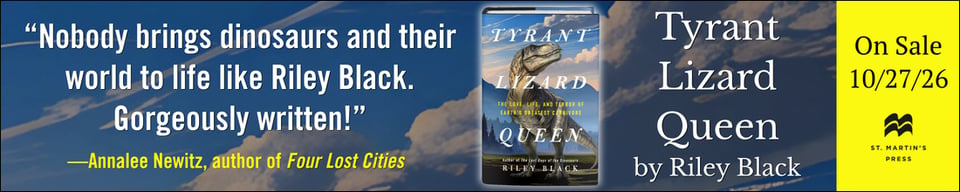
East Coast tour dates for Tyrant Lizard Queen are starting to come together! On October 27th I’ll be at the central Enoch Pratt Library in Baltimore, on November 4th I’ll be at the public library in Lewes, Delaware, with dates to come for VA, NY, and MA.
Ear Perks
You know what I’m going to write about next for my premium subscribers? An ichthyosaur that was very, very pregnant.
Given how deep I’m getting into my shark book, I know I’m going to keep bringing up sharks as if I’ve been bitten by one.
A curious depression among sauropod trackways might represent an attempt at a nest. Given all the footprints around it, I don’t blame mom for looking for a better spot.
Playing Maneater has been a fun way to get a little shark time as I work on MEGATOOTH. It’s a blast if you love some open world mayhem, everything I wanted from JAWS: Unleashed and Chris Parnell’s deadpan line reads absolutely make this chomper.
