The magic of drawing
A quick review of Witch Hat Atelier, an early highlight of the new anime season.
by Kambole Campbell
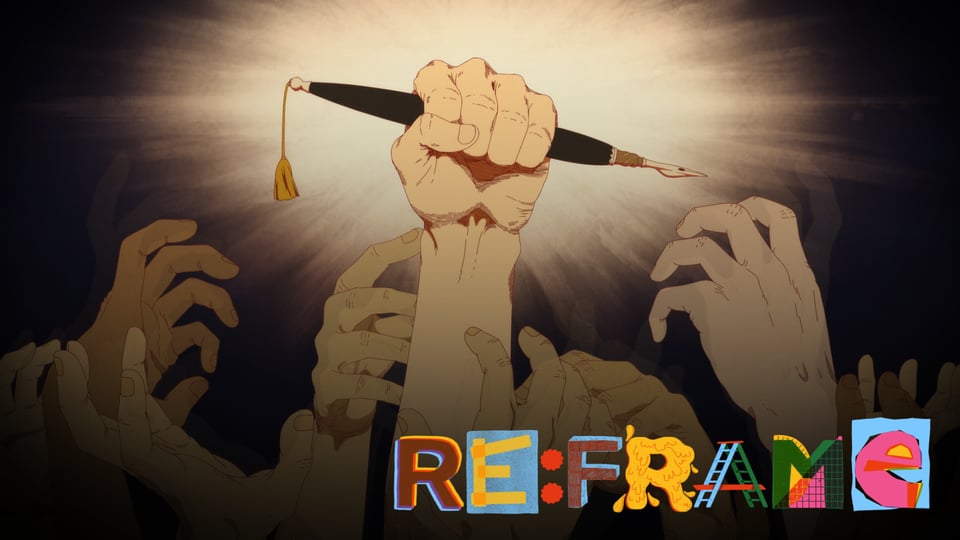
Looking at the immense illustrative detail of Kamome Shirahama's work on Witch Hat Atelier (and as a group of animation enthusiasts), it's easy to buy into the notion that magic isn't cast, but drawn. So it makes sense that the series adaptation treats the very texture of paper as something which is itself sacred, under the direction of Children of the Sea's Ayumu Watanabe (who also has ANOTHER show out this anime season based on my favorite Jump series, Akane-Banashi.)
While the show doesn't fully embrace this style at all times, pop-up storybook interludes underline important pieces of history or character moments, a stylistic flourish to add interest to little bits of exposition but also an homage to the style of the original artist, which also happens to neatly tie into what makes the laws of magic in Witch Hat Atelier so appealing. Even with its ostensibly digital look in most other places, Witch Hat Atelier understands the thematic importance of a sense of texture and tactility: as the surly apprentice witch Agott points out, the ink stains on one's hand signify a sacred effort which proves one's worthiness of the profession of witchcraft — which in itself is an interesting and somewhat contradictory notion from a secret society who have appointed themselves the arbiters of who does and doesn't deserve access to this profession.
It feels like the show is coming out at the exact right moment, as a gentle counterpoint to a number of things troubling me across visual arts industries. For one thing, it's a story about learning magic which, as far as I know, does not put money in the pocket of a transphobic bigot actively using her well of cultural cache to shape UK law for the worse for trans people. I would rather not this become the sole talking point around reasons to watch Witch Hat Atelier because watching another show doesn't really equate to meaningful action, but the timing is undeniably serendipitous.
And, for fear of bringing generative AI into every conversation about art, it's a simple but encouraging notion that in Shirahama's story, the world of magic is accessible just by picking up a pen and applying yourself. Magic doesn't come easily to anyone, but it is technically accessible to everyone. The central conflict of this world however, is that this accessibility is a closely guarded secret: the general populace are intentionally given the impression that the ability to use magic is a hereditary gift that one is born into. The precocious main character Coco, through a little bit of (well-meaning) snooping on the kindly witch Qifrey, learns that all it requires is a pen and some technical knowledge. (Qifrey is a man, which leads into another neat little distinction: everyone in the show so far who uses magic is referred to as a witch, regardless of gender.)
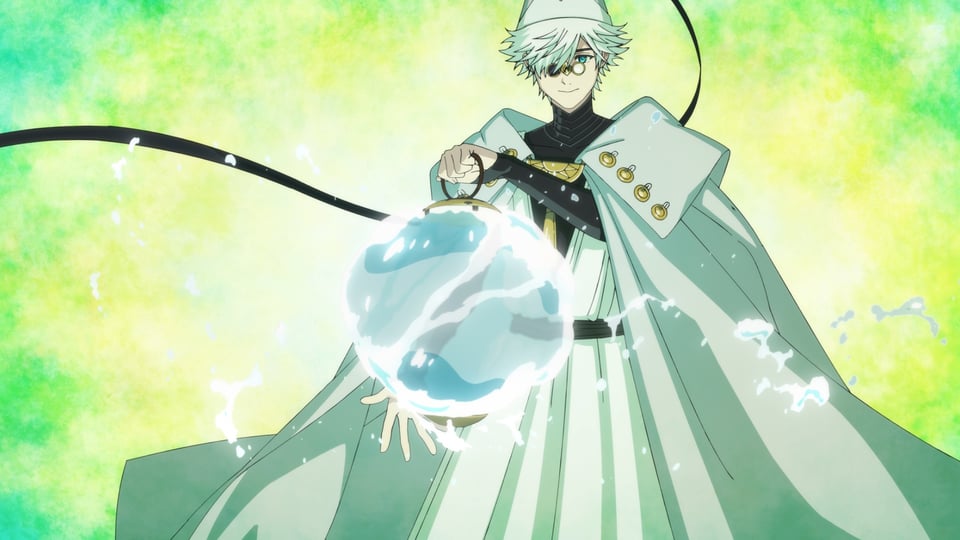
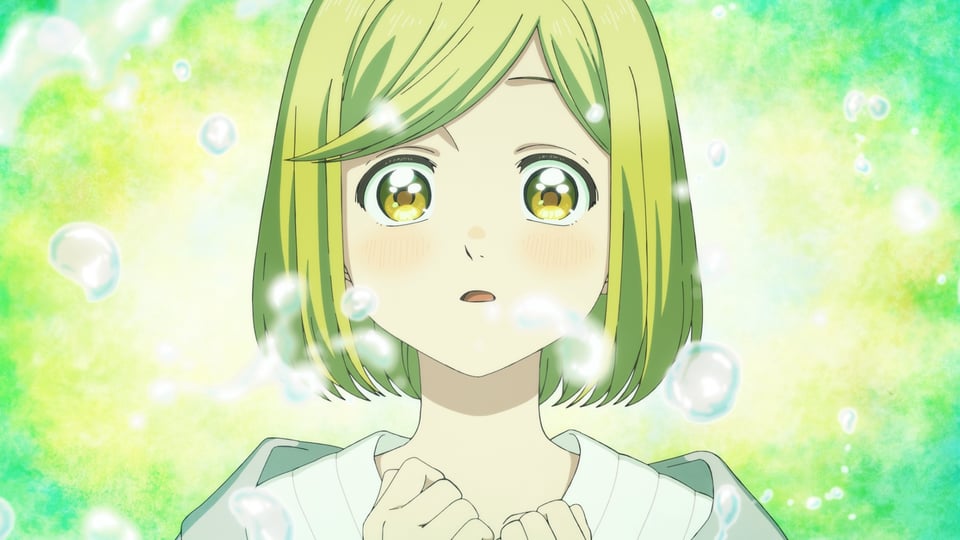
It's early days yet, but the world of the show is incredibly inviting, not because of a sense of escapism or fantastical wonder, but because of the political depth immediately suggested by its premise and a palpable sense of history just waiting to be discovered. It is also, of course, just really nice to look at, whether that's in the aforementioned storybook cutaways or in witnessing a character effortlessly leap through the sky.
The detail isn't just reserved for these bigger moments, but seeps into every aspect of the show: like observing how a witch stops their flight by breaking the magic circle drawn on the soles of their shoes and the close attention paid to costuming and movement. There's no doubt so much more to come, given that these are but tentative glimpses into a world kept hidden, and the secret machinations hidden further within.
Witch Hat Atelier will stream on Crunchyroll on April 6 at 7:00 am PT / 10:00 am ET