"The future of indie animation is in events"
In the second part of our conversation, Signe Baumane and Bill Plympton talk about the future.
by Kambole Campbell
Speaking to indie animation legends Signe Baumane and Bill Plympton about curation for New York's Metrograph cinema (watch via Metrograph's digital player), the conversation inevitably touched on the future of indie animation.
Particularly, around the role of the online space. We asked them about different routes forward for independent animation finding an audience, and being sustainable: sustainable in terms of its artistic lifeblood but also in terms of practical needs. Both saw rather positive and negative views of building digital audiences, often in ways that opposed each other.
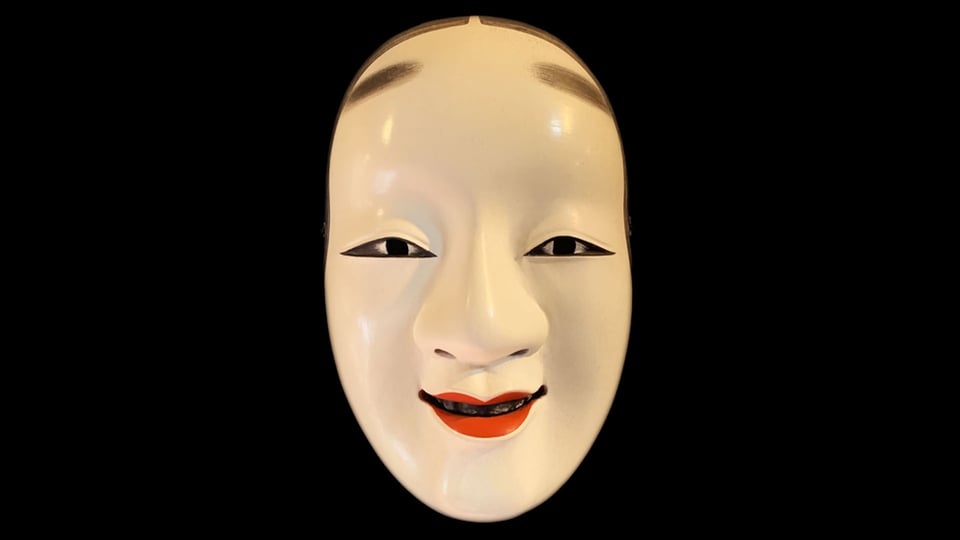
Bill Plympton: A good buddy of mine, Pat Smith, who made Beyond Noh, has been making shorts like two or three a year. He's really fast with them. And he puts them online, he makes good money of selling his films online, and there's certain rules that he follows, and he knows that that will increase the viewership. PES is another guy who is doing independent stuff, financing it himself and making the films himself, and he does very well too. I think Fresh Guacamole made what, $50,000 or $100,000 or something like that. So there are markets for independent filmmakers beyond just advertising and, and, you know, film festivals and, and, theatrical shows like our one at Metrograph. There are a lot of markets available for people who make films by themselves, for themselves.
Signe Baumane: The examples of PES and Pat Smith are very nice examples, but it doesn't work for everybody. I think that when you put content out – and that is called content, and I don't make content, I make films – when you put content out on YouTube, that is what you become, a content creator. And you depend on the algorithm and you have to cater to the audience. And the audience wants certain things. Pat Smith said Beyond Noh didn't score on YouTube whatsoever. He had to take it off because it was ruining his algorithm, because his audience didn't want to see this film, but Beyond Noh is a really good film, right?
So if you are making films, only making films that are catering to what an audience wants, then it's like eating sugar. Everybody knows sugar is not good for you, but you're gonna feed them sugar because that's what they want. And no vegetables!
BP: That's too cynical! That's too cynical. What about Don Hertzfeldt? He makes films strictly out of his brain, he doesn't care who the audience is, and he gets mobs of people. He's an animation rock star! And he finances his own films and they sell everywhere all over.
SB: But that's not for everybody, not everybody is making that kind of film, that's what I'm saying.
BP: He's great and he's talented and worked very hard to do that.
SB: Yeah, well, I guess I'm not talented and I guess I don't work hard enough.
BP: [Laughs] You're making three feature films! Come on, how many people can say that?
SB: I know, but I don't have 10 million views on YouTube! I'm just saying that approach is not for everybody. I'm happy for everybody who can make money, but out of 10,000 people, there are 3 people who we can name, right?
But there are more people creating, and then I've seen on YouTube, really amazing films, and they have 5 views because the algorithm doesn't pick it up and doesn't promote it a certain way, so you have to be very savvy with digital media to do certain things.
For me personally, I do believe that the future of indie animation is in events, like, events, where people get to meet new creators and then these new creators get a chance to establish their name, and then later they have their own shows. I believe that there is an increase in independent animation, this interest is offline, it's in person.
An event where you actually are, instead of flipping through films randomly, you're actually sitting and watching curated programmes, and if you're bored with one film, you have to sit through if you want to see the next film, right?
That commitment is an investment, and you seeing a curated program is also learning patience and learning something new from this patience and commitment. Anyway, sorry.
But the future of funding, where the funding is coming from – me and Bill Plympton, we have two entirely different strategies how we fund our projects, and I'm not here to speak for Bill, but my projects are coming through nonprofit fiscal sponsorship, where we have private donors who donate their money through our fiscal sponsor, and that's how we get financed on my projects.
I feel that independent film may be going the way how opera is going. Opera used to be a valid entertainment and made a lot of money, everybody would go to opera and pay money to show off and hear the music, and then with time other forms of entertainment came in. Opera became marginalized, right, but it still has funding and it's coming from nonprofit and it's still valuable, it still has value to society and to culture, but it's not making the income that it was before.
BP: Signe brought up a good point on how she finances her films. That would be a great show.
Everybody wants to know, "where do you get your money? How do you make it work?"
SB: We should have a battle of financing. We throw money at each other, slap each other with dollar bills. Wait, wait, wait, Bill, I have it, I have it, I have it. We ask the audience to give a dollar bill, either to you or to me, to decide, who is the winner? Then we count the money and we know who is the winner!
Watch Baumane and Plympton's curated selection on the Metrograph's digital player: Link
/out of frame
Kambole: By the time this letter will have been sent, I will have attended my grandfather's funeral. William Campbell passed away just shy of 95 – he was funny, kind and consistent in all of his best qualities for as long as I can remember. I hope he's with my grandmother now.
🎼 Toussaint: In non-animated related news, I've been on something of a Peter Greenaway kick these days. I've watched The Draughtsman's Contract (magnificent) and The Cook, The Thief, His Wife and Her Lover (horny, portrait-esque, and macabre), and I'm looking forward to making time this week to watch A Zed and Two Noughts, Drowning by Numbers,and Nightwatching. Naturally, I've also been listening to a bunch of Michael Nyman scores while out and about. Here's a live performance of one of my favorites, "An Eye for Optical Theory."
❄️ Rollin: It's a snow day here and my internet is down, so consider my out of frame way out.