Primal, re-animated
Genndy Tartakovsky's (mostly) silent, adult animated action series returns for its strangest and most affecting season yet.
by Kambole Campbell
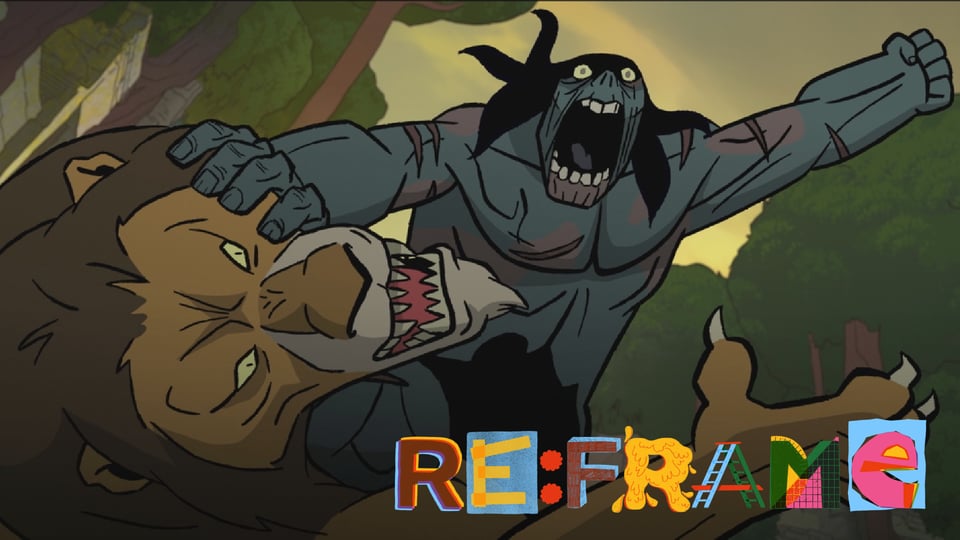
While adult animation in the United States (or at least, commissioned in the United States) has finally begun to branch out tonally and stylistically – take Scavengers Reign and Common Side Effects or The Midnight Gospel – it's long been a branch of animation where it feels like explicit patter is king. So Genndy Tartakovsky's Primal, even with all of its viscerality, pulp fantasy leanings and copious bloodshed, felt incredibly pure by comparison.
Its principal characters, the neanderthal man Spear and his tyrannosaurus travel buddy/steed Fang, of course cannot communicate with language, so they do so physically. And so all of Primal became about physical (or at least, non-verbal) communications with the world as this odd couple moved through it, and the story managed to sustain a surprising amount considering, consciously avoiding moving into gimmick territory by occasionally interrupting this silent status quo.
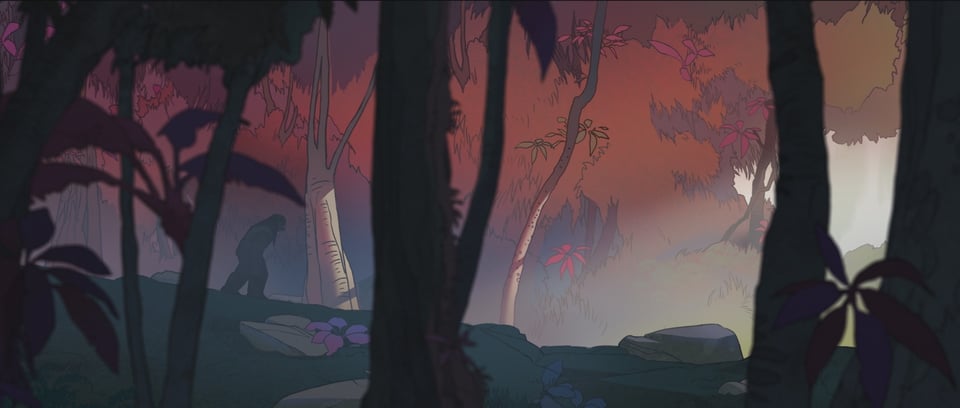
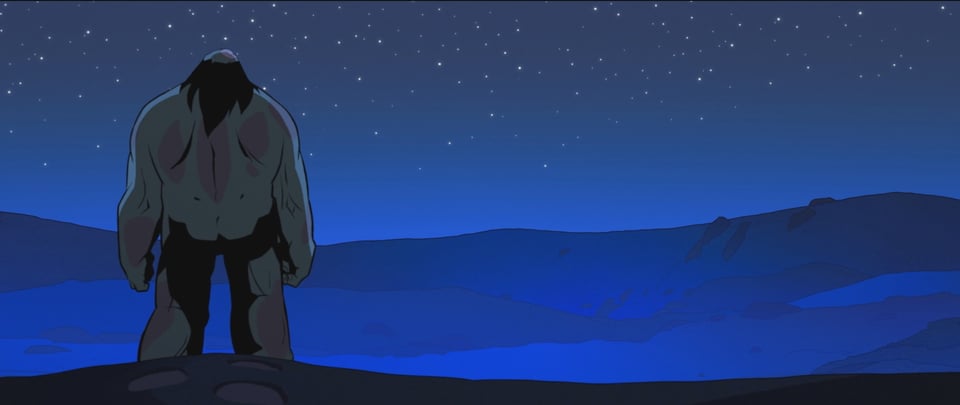
For those who follow this newsletter but don't know what the show is about, it's mostly about Spear and Fang travelling across an unforgiving landscape and fending off very unfriendly fauna, while building a bond of trust together. They eventually meet Mira, a homosapien human, and help her escape slavery. Spear dies defending her village from another attack, and it seemed for a while that his story was done for good, left to be continued by his offspring.
It pleased me to no end that Tartakovsky swerved around this anticipated approach, instead drawing on Primal's previous encounters with the supernatural and bringing Spear back from the dead as a shambling zombie. It's to the show's credit that this feels like further tragedy and not just a cheap reversal: Spear has no memory of his human life, and follows echoes of it in instinctive ('primal,' perhaps!) attempts to reclaim his old self.
This makes for a surprisingly reflective take on the characteristics of the zombie: more childlike than monstrous, though without skimping on the body horror (Spear has a portion of his skull lopped off, brain awkwardly hanging out for a couple of episodes). The timing couldn't be better too, with other audiences perhaps primed to the idea of a friendly and curious zombie outside of the context of a "zom-com" like Warm Bodies, through 28 Years Later: The Bone Temple, which released the weekend after Primal's premiere. While one also has the repressed evils of Britain on its mind, both also refuse to simply cave to the common genre logic that a zombie has no soul, perhaps because it's simply more tragic if they do.
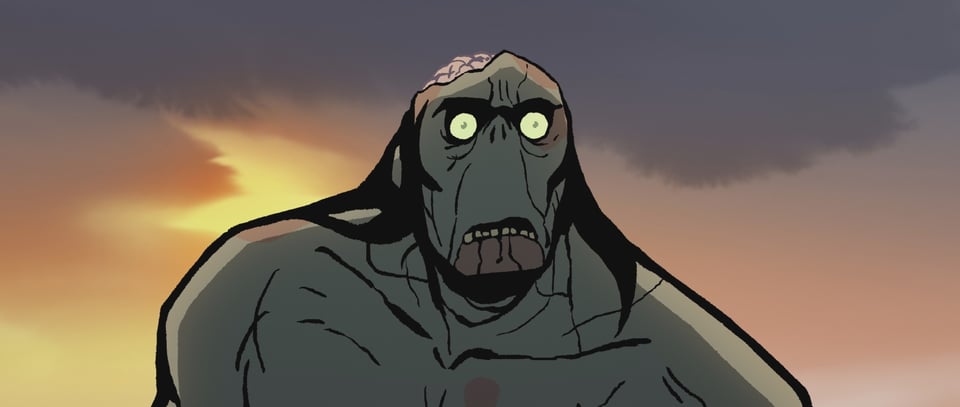
The artists at Studio La Cachette emphasize this through the askew way Spear plants his feet, the tentativeness with which his hulky frame approaches a grasshopper (whom through a faded memory he associates with Fang). Primal is of course thrilling when it approaches batshit action set-pieces with the stylised verve one would expect from the guy who made Samurai Jack (indeed, a lot of the creative team have partnered with Tartakovsky since that time). But what's most impressive is that there is so much room left for quiet, for storytelling told primarily through animated acting. There's also everything I already love about the show's art too: chunky clean lines on the character drawings contrasting with more delicate background art of sweeping untouched vistas and lush, dense forest and whatever environment the show feels like wandering/rampaging through on any particular week. Though here, the contrast is made even greater by the fact that Spear's body is literally decaying.
And while there has been a sweetness in seeing the unlikely combo of neanderthal man and dinosaur grow closer, it's more surprising still that the show feels at its most sensitive in an even more outrageous premise – filtering the loss of that relationship through the eyes of a zombified husk. Spear clawing back his humanity without even realizing – through one act of charity begetting another, just as violence in the show begets even bloodier violence – is why this season works so well. As rendered by its artists it's a literal land of contrasts, explored with a boldness and a purposeful embrace of visual storytelling that I hope echoes throughout other animated projects.
/out of frame
🧟 Kambole: I actually interviewed Genndy Tartakovsky (!) for Animation Magazine before Christmas, on a particularly difficult day, so I'm happy I made it work (let alone made it through a coherent conversation).
🐶 Rollin: We're big fans of Animation Obsessive over here, and regularly read each newsletter, but the recent send on the visual design of 101 Dalmatians is by far one of my favorites. The movie has long stood out among Disney standouts, and Animation Obsessive gives an excellent explanation for why.