No more animation landlords
The recent (re)announcement of Warner Bros. acquisition is but one representation of how corporate higher ups have made poor custodians for the art.
by Kambole Campbell
You could almost hear the chorus of exasperated sighs online at the announcement that Paramount, not Netflix, is going to be the vulture picking the bones of Warner Bros, Discovery. Yesterday, Warner Bros. announced that it found the Paramount deal preferable to the Netflix one and gave the streamer a chance to up the ante; Netflix declined. And now it seems that one of the largest libraries of animation is soon to be in the hands of the studio that also owns Nickelodeon, and with that, fears of cold-hearted consolidation. (Though obvious, it should be noted that this is not something people in the employ of Warner Bros. want.)
No matter what way you spin it, it would have sucked if Netflix made the acquisition, despite promises to run Warner Bros. as a distinct entity with things proceeding as usual. I'm no Hollywood business analyst, but Netflix doesn't exactly have a vested interest in the theatrical experience. Things are also bad with Paramount, with the Ellisons sucking up to Donald Trump and embracing poisonous work culture. A stride towards monopoly is also inherently bad in and of itself, with consequences reaching far beyond our chosen topic of discussion at Re:Frame.
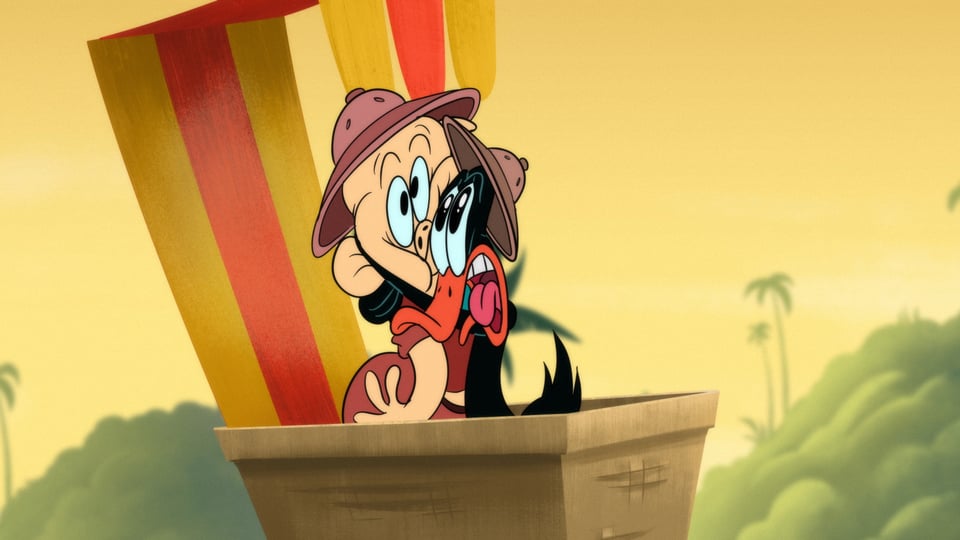
Honing in on that however: American animation was not exactly thriving at Warner Bros. Discovery under David Zaslav, however, as the head of the company began what is now apparent as stripping the company for parts. Some of its most famous and influential work in Looney Tunes (yeah and Merry Melodies etc) only just found a new home in TCM because HBO Max struck them from its library. (There's a bizarre paradox in that these companies are being valued on what they own, while showing utterly no concern for the preservation of what they own.)
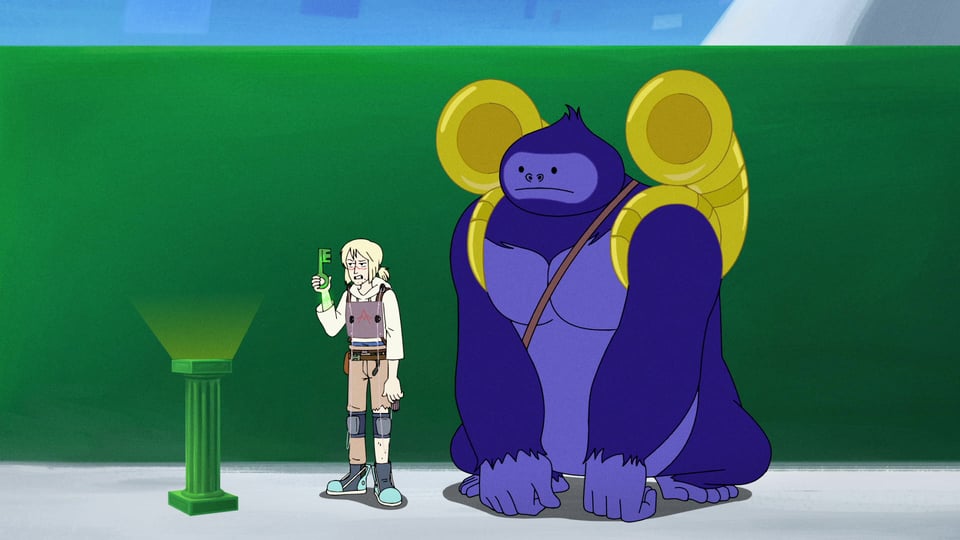
The last few years have seen Cartoon Network and other Warner Bros. animated classics similarly struck from streaming (some being shopped out to other streamers) – mind you, not annihilated entirely, because physical media still exists and streaming is not synonymous with "access" – but in the cases of shows which never made it to disc, it was curtains anyway. Think Infinity Train (which only got two of its four seasons on disc), O.K. KO: Let's Be Heroes! (which had none), what's left of them available at unfriendly prices, and even that is impermanent as digital ownership is dicey at best. Rollin has already waxed lyrical about why having things you can hold or put on a shelf is important, so I won't reiterate it here.
While these companies move some abstract numbers around to try and gradually ruin art forever, there are other ways where those who hold control over animation production have been threatening to make things worse. We've mentioned the brief scare about Adobe announcing that it was gonna retire Animate (once upon a time known as Macromedia Flash), not only suspending updates but also apparently cutting off artists from the ability to access their work files as soon as 2027 – something which would have utterly catastrophic effect on animation and video game studios which had structured themselves around this software (not to mention those who are educated in how to use it, a method which may have become obsolete). Adobe eventually walked this back, thank god, but now everyone is, rightly, on high alert.
The point is that it feels as though the industry is shrinking both in terms of what can be made, who can make it, how they make it, and where it's shown. It's at least encouraging to see something like the Knights of Guinevere pilot being greenlit to full series at the independent Glitch Productions, because perhaps 2D animation can find new creative (and financially viable) life outside of a studio system which treats it like the dirt on its shoe. As much as I wish for it, it can't all be indie projects however, and it can't all become dependent on a Kickstarter crowdfunded ecosystem. But it certainly can't survive when left at the whims of fickle property owners who would happily kick out the people making them money (and the legacy which makes them valuable at all) at a moment's notice.