The immortal blood of Lupin III
Monkey Punch's gentleman thief has lived a long life, and his latest film sees him confronted with the stagnation of immortality.
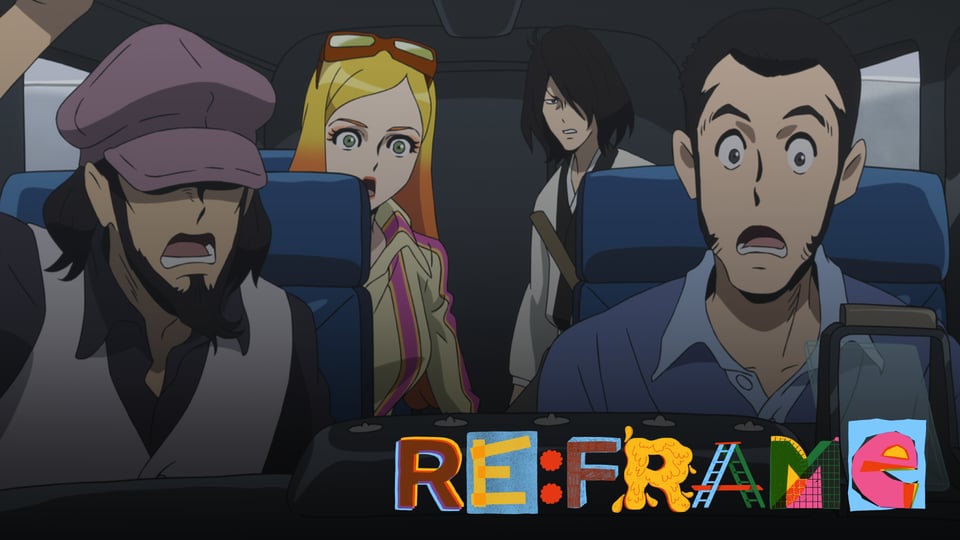
© Monkey Punch All rights reserved.
© TMS All rights reserved
by Kambole Campbell
Lupin III will be 60 next year. The impish gentleman thief, his never-ending chase for treasure and his neverending flight from his rival on the other side of the law, Zenigata, has carried on since 1967 upon his creation by the manga artist Monkey Punch. And though there are essential things about the man and his comrades (and one frenemy) that have remained consistent, Lupin III has always felt like a very adaptable series.
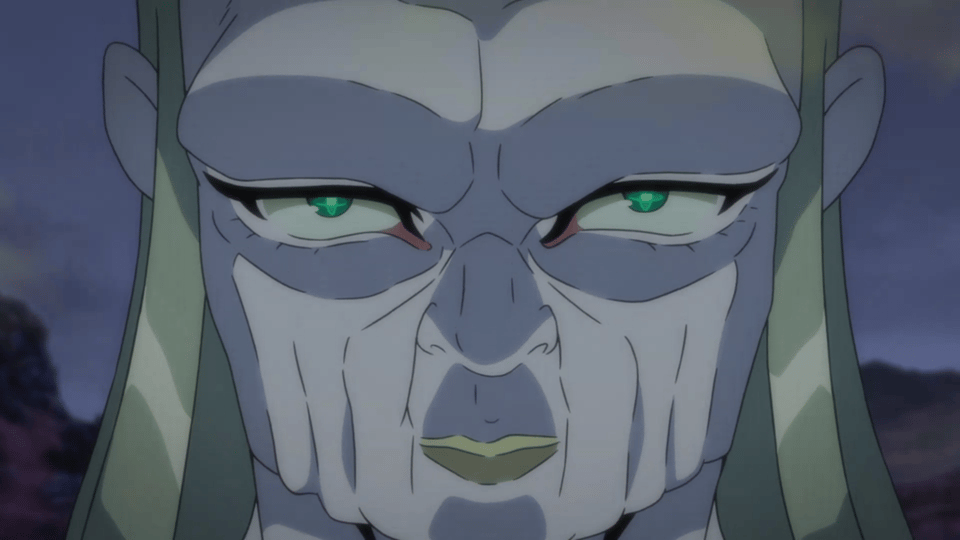
Perhaps that's why I didn't bat an eyelid when the new feature film, The Immortal Bloodline, out in UK cinemas from 21 February, introduced a freakish cocktail of Resident Evil-esque undead monsters, shepherded by an undying super-evolved ape man called Muom. It wouldn't be the first time that Lupin – who is at the end of the day, a guy who just wants to steal stuff – has faced off against the supernatural. Just in Part IV: The Italian Adventure, he battled a resurrected Leonardo Da Vinci. But the spooky setting of the island serves more purpose than to simply put Lupin up against a threat he and his friends can't overcome through martial ability or a well-placed bullet.
On a meta level, it's a look in the mirror: what does it mean to live when you've been alive so long? To Lupin (the character) immortality means stagnation, the control that Muom holds over this strange little island in the Bermuda Triangle (!) is meaningless, just a way to perpetuate replications of himself, or force people into becoming puppets or part of his dogma.
Through change and rebellion, Lupin actually lives, he appreciates art and jewels through the history of those who have held it before he pinched it, and so many other ephemeral pleasures. The series has been through so many iterations and will likely be through many more that Lupin is also by effect immortal himself, but it's fun to watch him because he's always shapeshifting, while staying true to the tenets of the character which make him fun to watch. (For more on what informs that core, I defer to the ever-excellent Animation Obsessive, and their detailed and erudite history of how Miyazaki and Takahata built their take on the character, one which people view as the version of Lupin which all other versions orbit.)
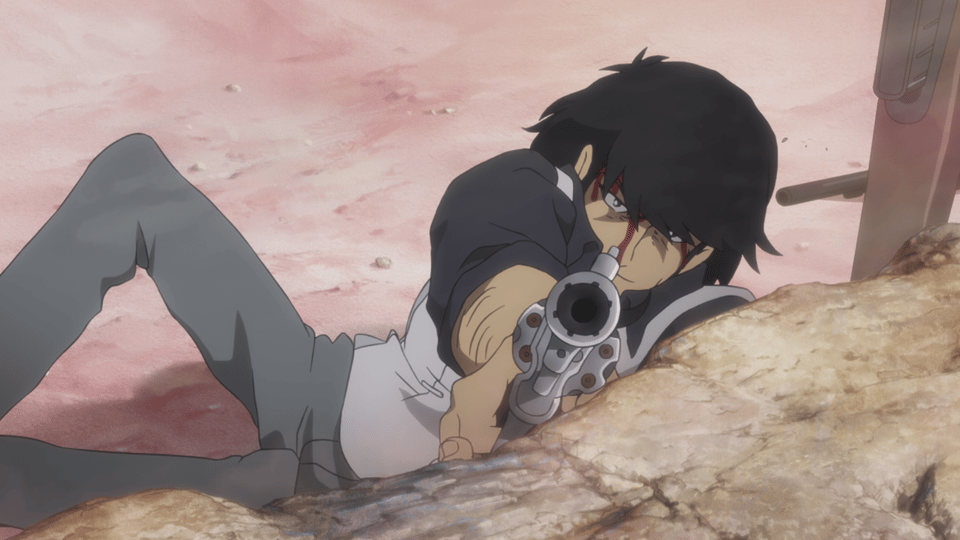
Lupin has been done in the tone of pulpy serials like Indiana Jones (he's done battle with Nazis a couple of times too), suave espionage and womanising as in James Bond (or his Japanese counterpart Golgo 13, the manga for which debuted the year after Lupin). The more recent Part V ran with the idea of the gentleman thief still has application in a world of digital fabrication, where Lupin still gets by in a slippery world of surveillance states which inspire a cop mentality in everyone, not just the Interpol agents who have been doggedly chasing him for half a century.
As the AniObsessive crew mentioned, the series has changed its tone and look as easily as Lupin has changed his jackets, indeed that flexibility is the main selling point. The jackets themselves are associated with a specific vibe (for example, the infamously weird pink jacket era is homaged in the later blue jacket era).
It's strange then to think that with how consistently the character has been on screen over the last decade, Takashi Koike's Immortal Bloodline is being billed as the first traditionally-animated feature in the series in 30 years – half of Lupin's lifespan! This is mostly branding, a distinction between shorter 50 min runtimes of the recent OVAs and the 90 minutes of Immortal Bloodline. But it's odd to think about nonetheless given the instrumental position the character has in the world of animation thanks to The Castle of Cagliostro. The last Lupin feature film was animated in 3DCG in Lupin III: The First (as directed by Godzilla Minus One director Takashi Yamazaki), which at the time felt like a foreign concept for the series as it's always relied on cartoonish exaggeration as opposed to the sense of weight associated with 3D. Still, it worked out fine.
So in The Immortal Bloodline, it's nice to see the old ways find exciting purchase in this admittedly odd adventure: it's both the climax to a miniseries (Sayo Yamamoto's outstanding The Woman Called Fujiko Mine, on which Koike was a character designer), and four specials (Jigen's Gravestone, Goemon's Blood Spray, Fujiko's Lie, Zenigata & The Two Lupins) but still feeling like a middle chapter in a bigger story.
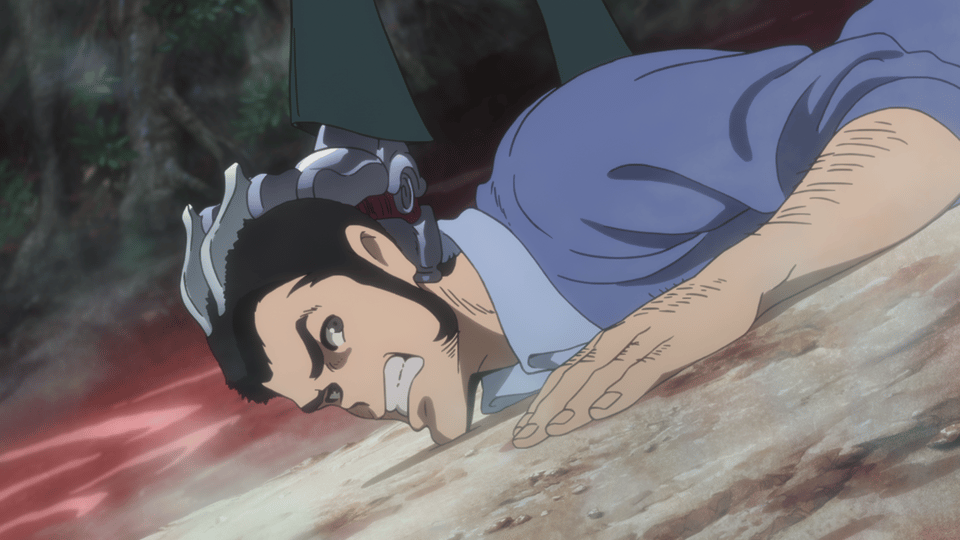
Though it feels old-fashioned in places where I wish it didn't (Fujiko starts the film as a damsel, then spends the rest running around wearing barely anything, and not as part of her usual seductress game), this doesn't take away too much from my excitement at the other traditional touches. Koike's team of artists capture planes and cars in hand-drawn 2D as opposed to the industry norm of slightly incongruous 3D objects (a symptom of wider practices I won't get in to), chases in air and on land feel fast, flexible and tactile in a way expected of the man who made Redline. In more personal encounters, there are thrilling switches to fluid animation on 1s, with drawings that feel like they’re on the verge of exploding, such as during a one-sided battle between Goemon and Muom.
Koike's rugged artstyle fits the character like a glove, chunky lines and more jagged silhouettes long having pointed at spikier versions of these characters as in A Woman Called Fujiko Mine and its various spinoffs. That’s as much character work as is being done, though, otherwise Koike & co. lean on what we know about the cast. Goemon is fun to watch for seeing how his stoicism occasionally breaks, as is Jigen's sarcasm and playful camaraderie with Lupin. Fujiko will always be a wild card, and Zenigata's proclamations that he's going to follow Lupin to the ends of the earth to take him to jail still feel more like a statement of loyalty and devotion than it does bitterness.
Though Immortal Bloodline doesn’t quite expand on what it means for Lupin to have gone on this long, there’s nothing wrong with it simply being another good-looking caper where Lupin defies corrupt authority as well as oblivion. Another adventure will come along soon enough, and given how wild this one gets, there’s not really any predicting what the next one will look like.