quantum of sollazzo logo

quantum of sollazzo

Archives
Sponsor
Subscribe
August 29, 2026

preview 673: quantum of sollazzo

Quantum of Sollazzo

NO. 673 ·

alt text

Did someone forward you this email?
If so, you can subscribe here.

You can view this email online here.

Things that caught my attention

My friend and data guru Edafe wrote a brilliant commentary to last Quantum's link drawing similarities between transformers and compressors. Her take is on the relationship between LLMs and neurodivergent brains and it resonated a lot. Edafe maps her own AuDHD brain (the "autistic wolf" and the "ADHD wolf") onto how LLMs work: both are pattern-matching, context-hungry, limit-bound "fancy autocomplete" running on a very greedy battery. She's blunt about the trade: she uses LLMs as magnifiers and translators of unspoken neurotypical rules, but never to outsource thinking, because unguarded use breeds "domestication through convenience." You'll find it in the AI section.

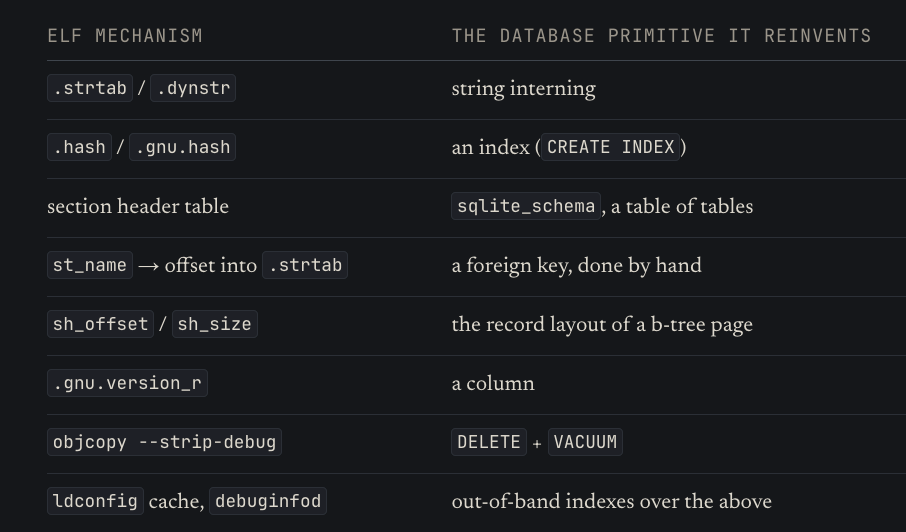
Similarly mind-blowing is the tutorial showing that executables in the ELF format are fundamentally databases, and shows how to interact with them with SQLite. As the author says, "ELF is a database that refuses to admit it". Go to the tools & tutorials section.

Also, note the two topical data visualisations by the European Correspondent. They are becoming truly a brilliant source of insightful dataviz, as is Data Sheets with their recent exploration of the Butterfly Effect.

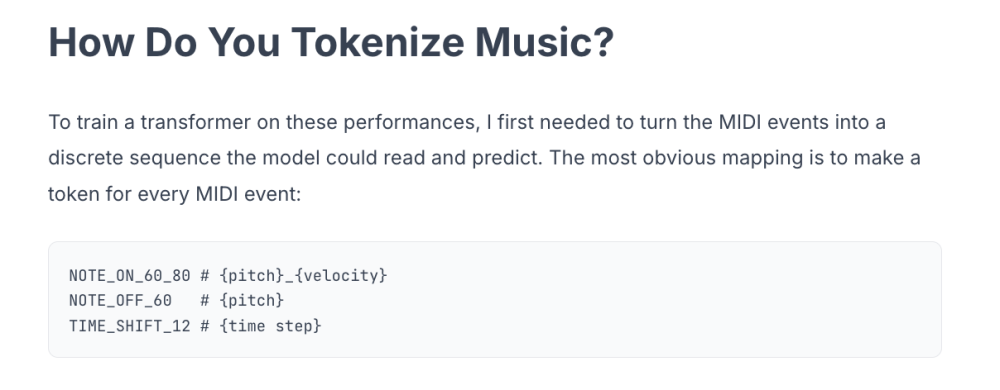
Worthy of attention, but more on the geeky side, the brilliant story about training a 125M-parameter Model to Autocomplete Piano. Listen to the autocompletion of Beethoven's Für Elise, and tell me it's not amazing 😃

·

Wired has a good story about how "easy" it has become to apply to jobs these days. "Thanks to a dwindling supply of open roles, “one-click” applications, and the rise of artificial intelligence, it’s easier than ever to apply for a job. We’re all paying the price."

There are multiple factors at play here, but AI is becoming the most prominent. In my previous job, I tried to recruit our Head of Product Management. Previous experience in hiring at similar level: no more than 30-40 applications, if we were really lucky. This time last year, we had 300. A whole lot of AI slop, and aside from the obvious time wasted, I began to wonder what that would do to the accuracy of our (brilliant, but very human) shortlisting panel. An obvious reaction to this – which I've discussed in previous issues of Quantum – is to throw AI at this problem to help the struggling panels. But this introduces questions of bias and fairness (and, yes, as I wrote in QoS 672: humans have these traits too).

Recruitment is just one area where AI's contribution is complicating things and muddling ethics. The BBC reports that schools and councils are now struggling with fully AI-assisted complaints, adding strain because of an increase in both the number and the length of those complaints. Services like this are actually advertising themselves as adopting AI to automate processes like the railway's Delay Repay form-filling.

The problem that's emerging here is that many of our societies processes were designed with a reasonable level of friction for humans, and this required a certain level of resources. But AI is not subject to friction the same way, and therefore the process' resourcing assumptions no longer hold true. When friction stops in our AI-driven world, will our systems fall apart?

·

Quantum #669 had an open rate of 44% and a click rate of 8%, and the most clicked link was this data-driven look at link rot on the old web.

'till next week,
Giuseppe @puntofisso.bsky.social

Topical

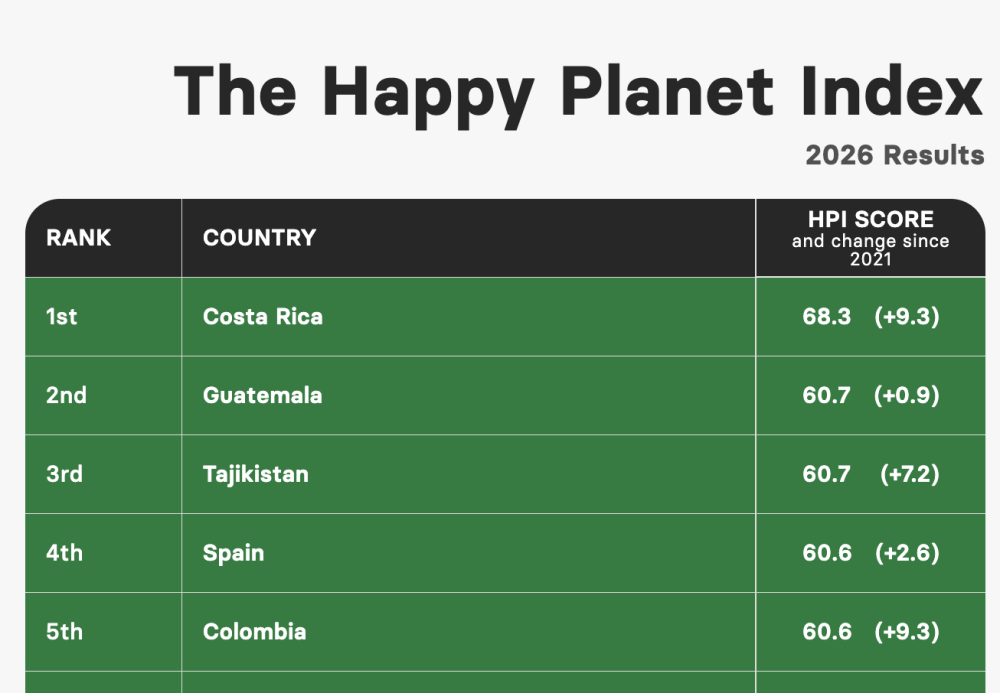
The 2021 Happy Planet Index - Happy Planet Index

The Happy Planet Index presents 2026 rankings measuring how effectively countries achieve long and happy lives for their citizens within sustainable ecological limits. HPI 2026 combines life expectancy, wellbeing scores, and ecological footprint to calculate overall sustainability.

Screenshot_2026_08_28_at_15_13_06_uploaded.png

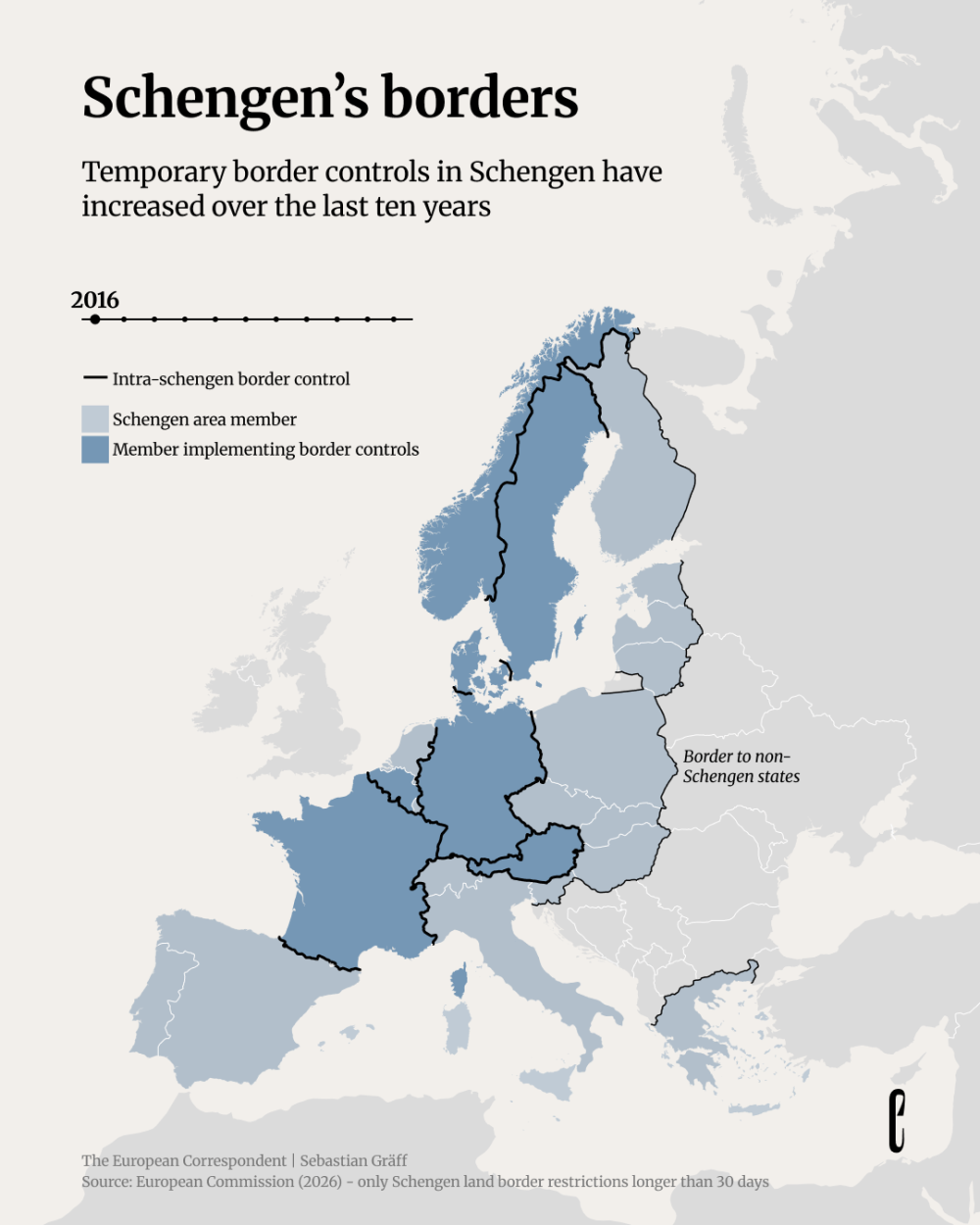
Europe's (not so) border-free zone

Aoife White for The European Correspondent looks at border checks within the Schengen area.

Europe_s_not_so_border_free_zone_027c77a8_3_chosen.png

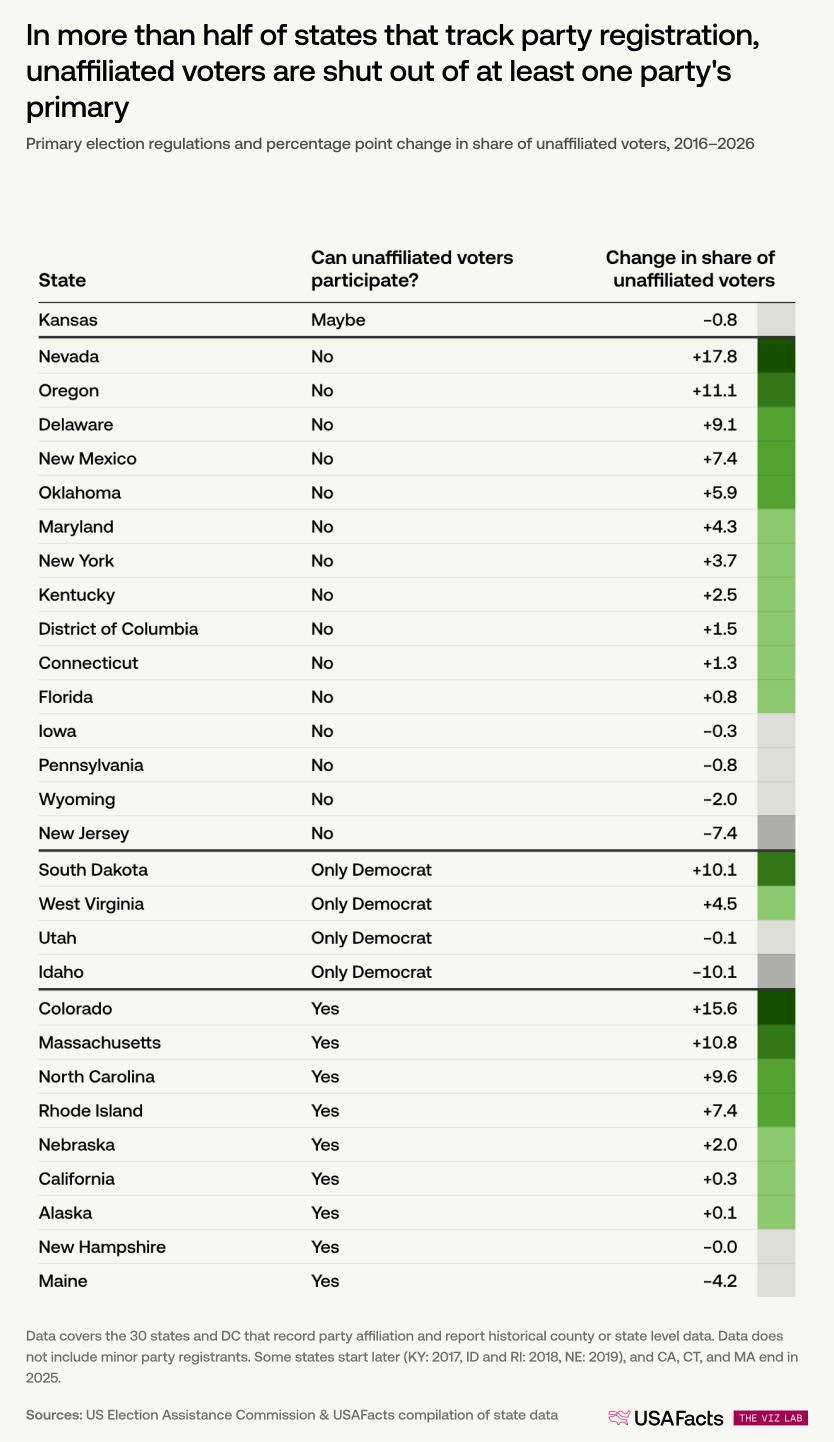
More voters are registering outside the two party system

USAFacts analyses data that suggests that voter registration outside the two major political parties has grown significantly across America.

More_voters_are_registering_outside_the_two_party_system_076cf73c_8_chosen.png

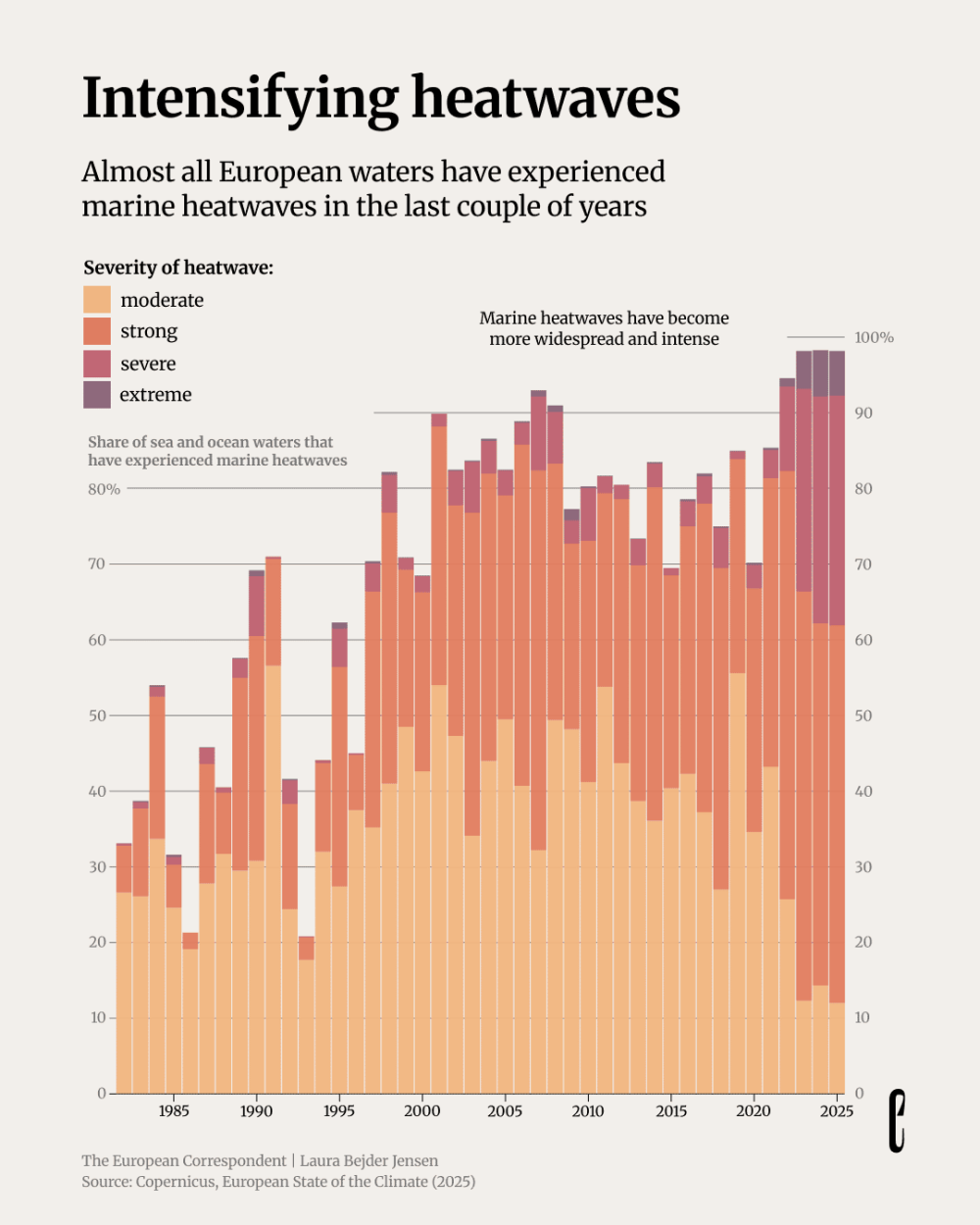
Even the oceans are struggling to keep their cool

Another great data analysis by Laura Bejder Jensen for the European Correspondent (hey, second link in this issue!)
Europe's oceans are experiencing unprecedented marine heatwaves, with 98% of waters affected in 2025 compared to just 40% in the 1980s.

Even_the_oceans_are_struggling_to_keep_their_cool_d36640bb_4_chosen.png

Sponsored by Jane Street

Jane Street depends on all sorts of messy, real-world data to understand financial markets and the global economy: think world news, decades of weather patterns, deidentified credit card spending, or packet captures of stock exchange market data feeds.

We're hiring Data Engineers to turn datasets like these into reliable inputs for trading. Working closely with our researchers, you'll evaluate unfamiliar datasets, build robust ELT pipelines, develop deep domain expertise, and decide what's worth exploring next. 

The job requires a mix of engineering, data analysis, and product sense. If you love the detective work of investigating a weird dataset and figuring out what it actually means, we want to hear from you. No financial background is necessary.

We have openings in New York, London, and Hong Kong.

Tools & Tutorials

HTML Can Do That

Chris Burnell: "HTML has been gobbling up swathes of what used to be JavaScript’s remit. This page lists a bunch of dynamic functionality that we can now achieve with just HTML."

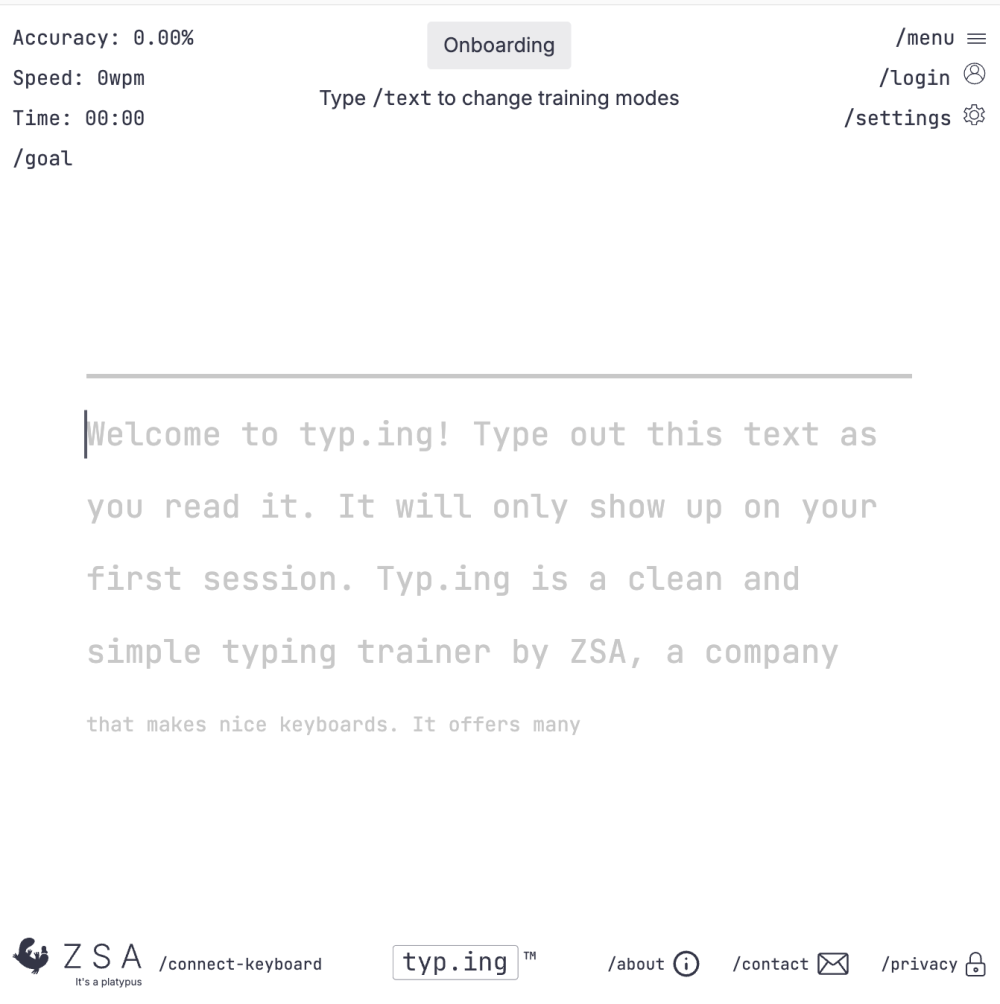
typ.ing

Typ.ing is a typing trainer application designed to improve both speed and accuracy. I've tried it and it's pretty cool.

Screenshot_2026_08_28_at_15_17_12_uploaded.png

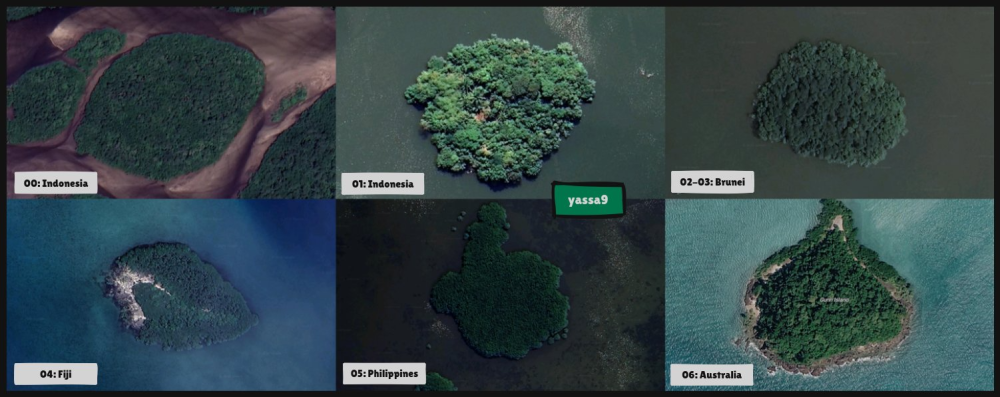
gralhix004 | Geolocating Random Islet Image Using Geometry & CUDA GPU Programming

"This is a photo of a resort located on an island.
a) What is the name of the resort?
b) What are the coordinates of the island?
c) In which cardinal direction was the camera facing when the photo was taken?
In my opinion, solving this challenge with google lens is wasting a fun opportunity, so decided to solve it with math and programming.
"

gralhix004_Geolocating_Random_Islet_Image_Using_Geometry_CUDA_GPU_Programming_e6b61519_12_chosen.png

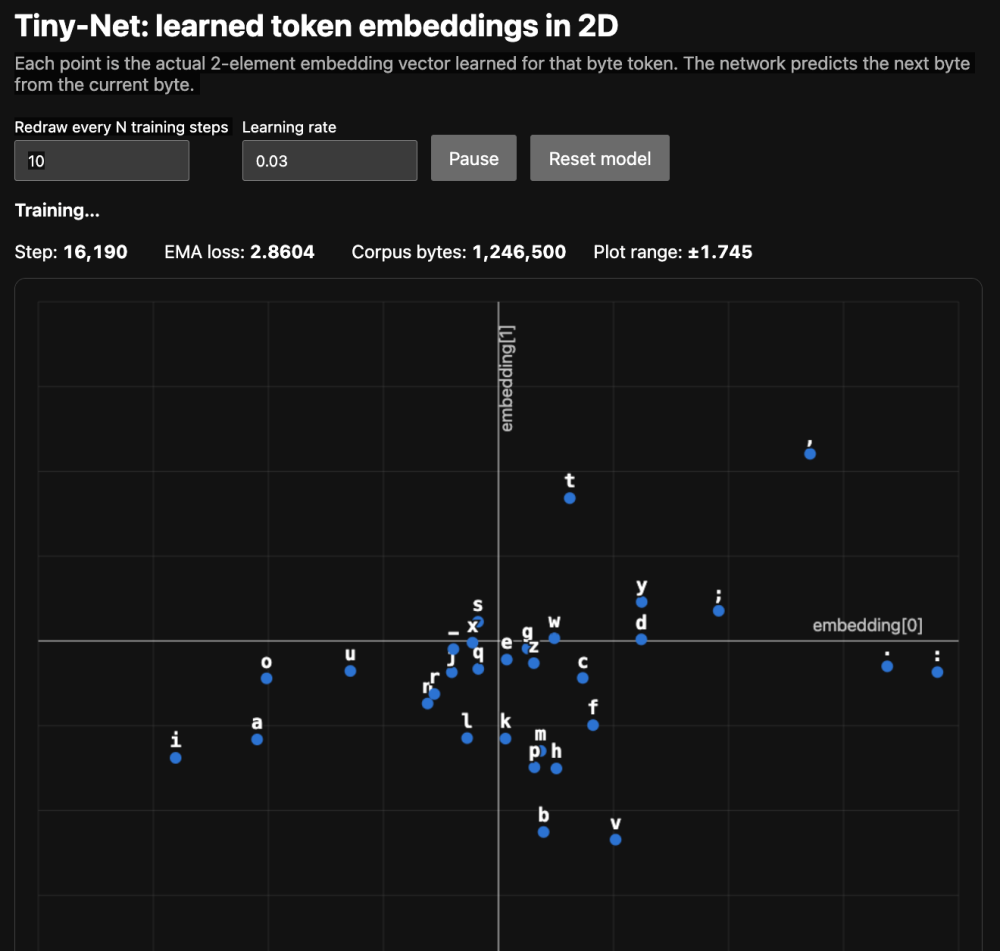
Tiny-Net 2D Embedding Visualizer

"Each point is the actual 2-element embedding vector learned for that byte token. The network predicts the next byte from the current byte."

Screenshot_2026_08_28_at_15_18_27_uploaded.png

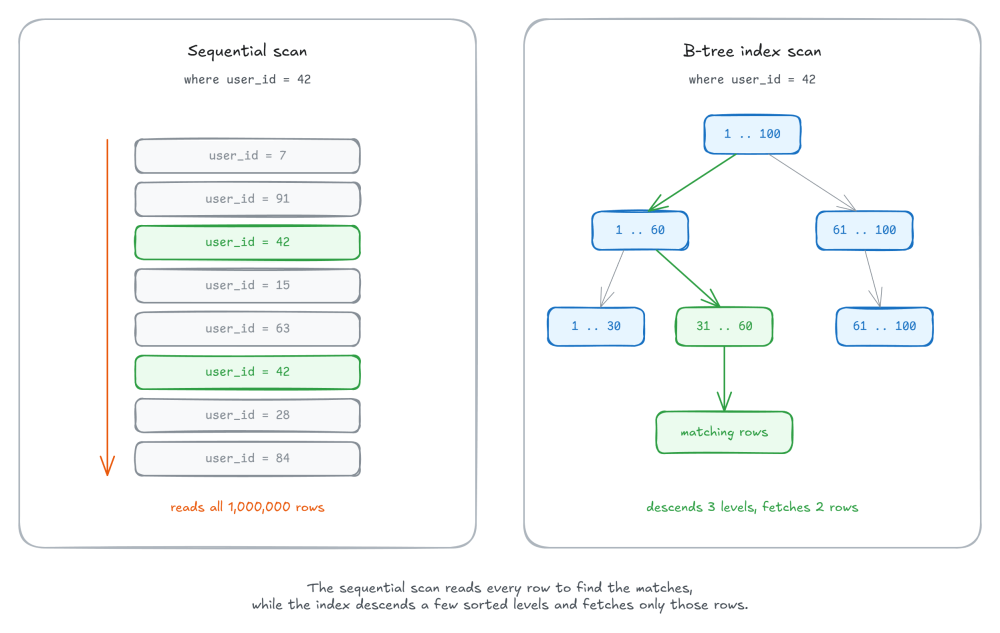
From 17ms to 0.04ms: How to Design the Right SQL Index

"A good SQL index comes from the queries your application runs, not from the table schema."
How to design effective SQL indexes by analyzing query execution plans rather than table schemas, and basically explaining why you need a good DBA.

SQL_Indexing_Explained_Composite_Indexes_and_Column_Order_b653ac10_2_chosen.png

Why your local LLM feels dumber than it is

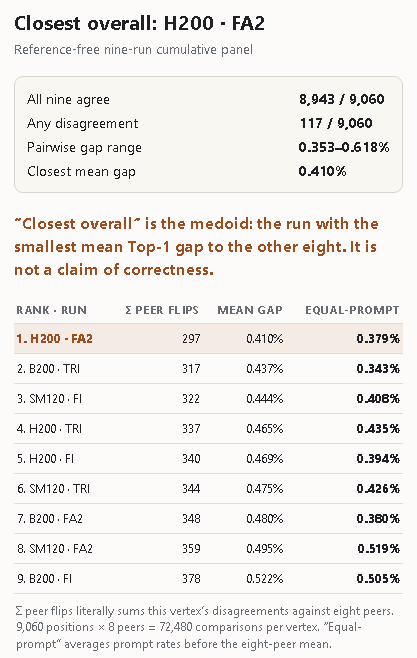
This article shows that LLM implementations produce different outputs than reference implementations due to hardware and software variations in inference engines. It experiments with Qwen models using different settings.

Why_your_local_LLM_feels_dumber_than_it_is_54728fe0_25_chosen.png

Unit Testing 101

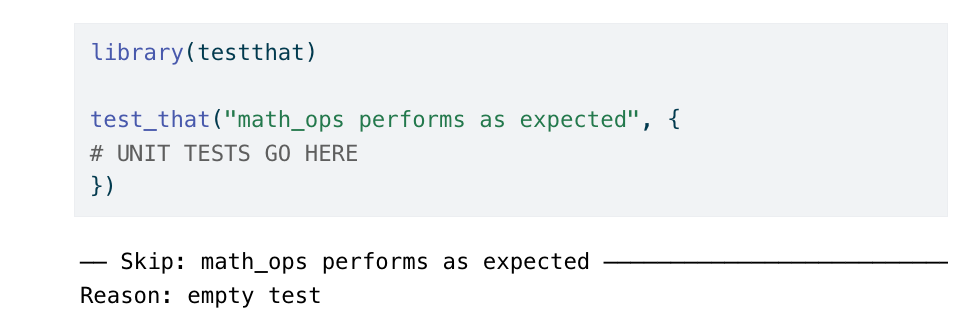
This tutorial by Jacci Ziebert introduces unit testing for R functions.

Screenshot_2026_08_28_at_15_21_41_uploaded.png

Your executable is a SQLite database

Farid Zakaria presents SELF (Structured Executable & Linkable Format), a radical proof-of-concept that replaces the traditional ELF executable format with SQLite databases. "ELF is already a database".

Screenshot_2026_08_28_at_15_22_51_uploaded.png

GeoDa - An Introduction to Spatial Data Science

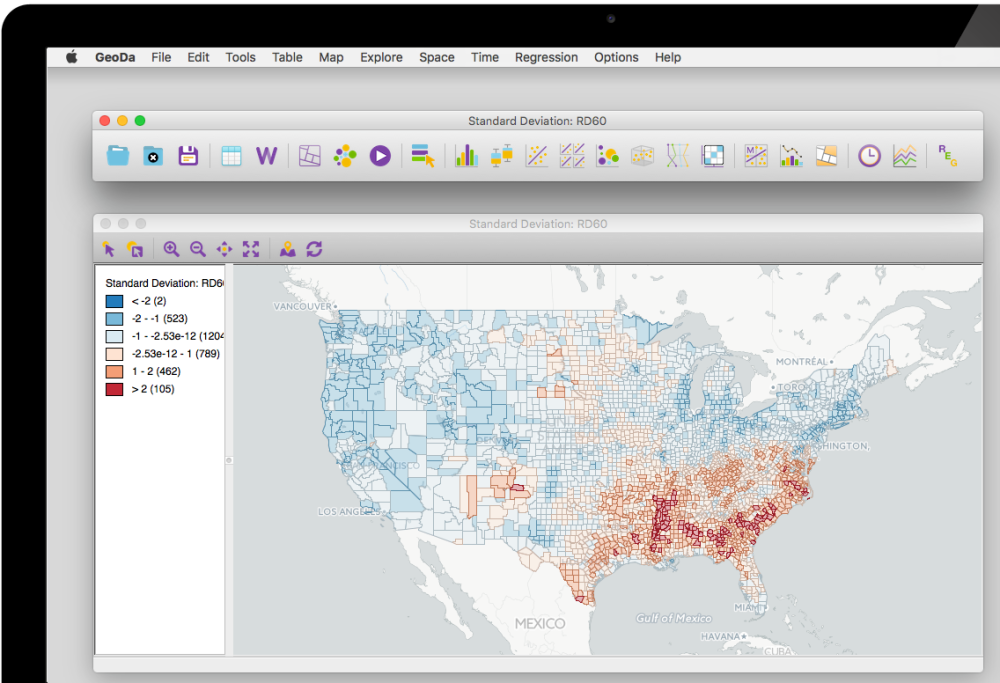
GeoDa is a free and open-source software tool designed to introduce users to spatial data science through exploratory spatial data analysis and basic spatial regression, developed by Dr. Luc Anselin and his team.

GeoDa_An_Introduction_to_Spatial_Data_Science_fc90586c_1_chosen.png

Dataviz, Data Analysis, & Interactive

Training a 125M-parameter Model to Autocomplete Piano - SimEdw's Blog

A 125M-parameter transformer model trained to autocomplete piano performances in real time on an iPhone. The Für Elise one is pretty cool.

Screenshot_2026_08_28_at_15_26_18_uploaded.png

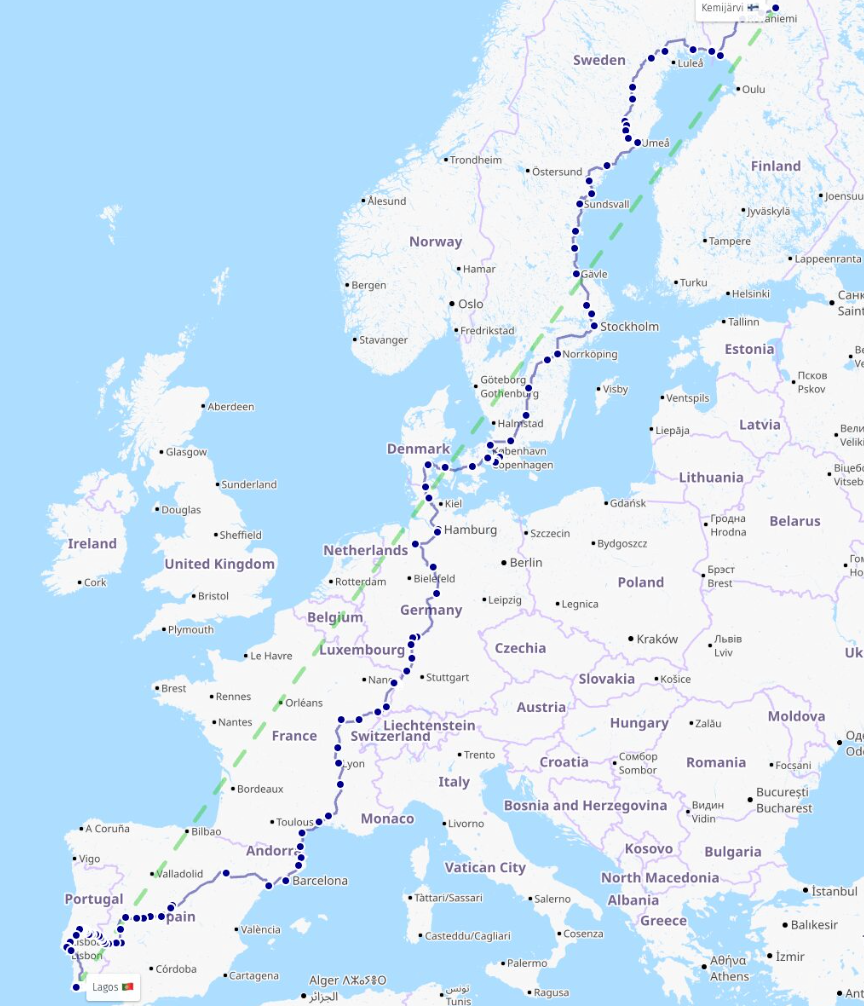
Record attempt: Longest train journey in the EU

Jon Worth announces his upcoming train journey record attempt, with mapping and live tracking systems.

Screenshot_2026_08_28_at_15_28_28_uploaded.png

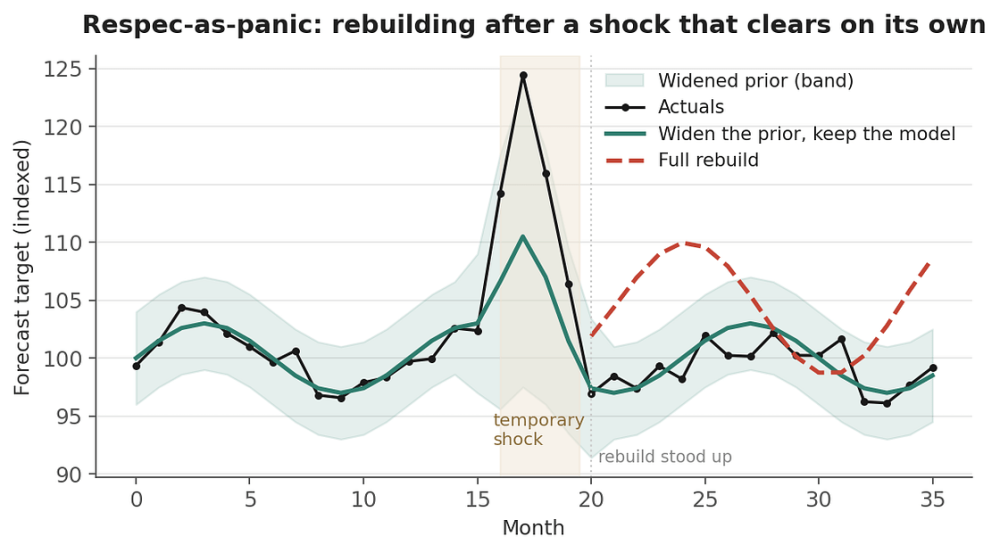
How we knew COVID was over (and what our models had to unlearn)

Airbnb's Forecasting Data Science team produces critical forecasts that drive company-wide planning decisions across thousands of markets. Bias and errors were identified that were traced back to COVID-era assumptions aside from other reasons.

How_we_knew_COVID_was_over_and_what_our_models_had_to_unlearn_33f51413_3_chosen.png

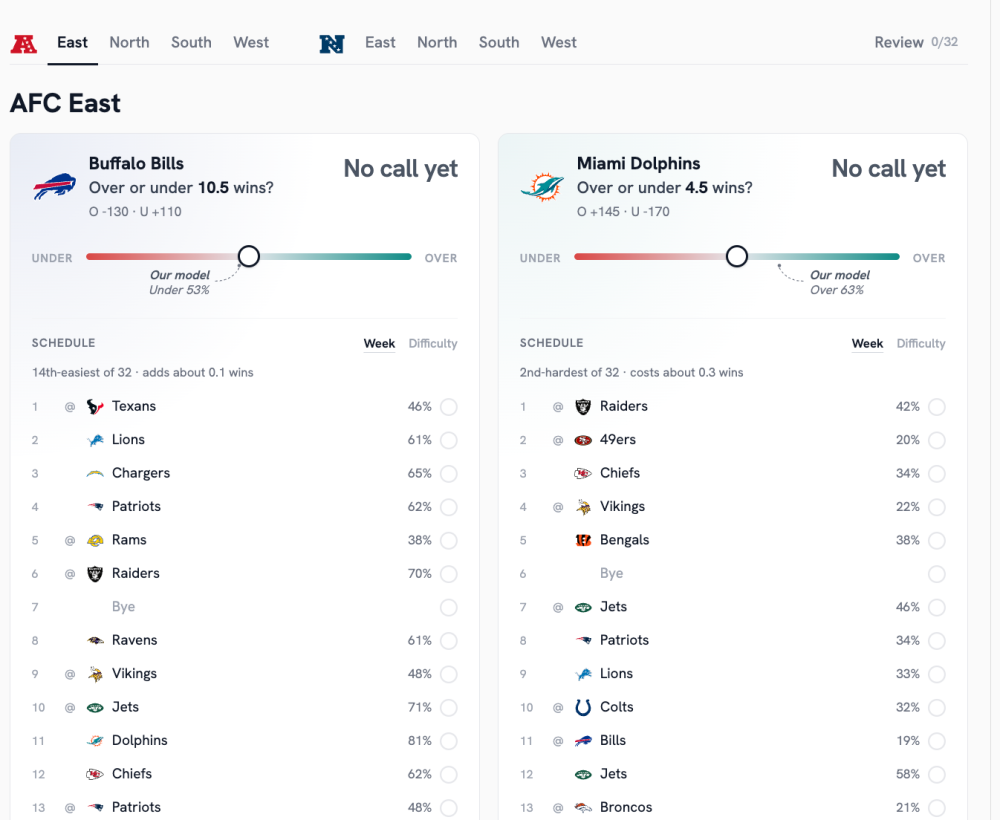
Over or Under: 2026 NFL Win Totals · PerThirtySix

PerThirtySix: "Call every NFL team’s win total Over or Under and say how confident you are. Your calls are scored against the betting market and against our model."
Great interactivity here for an interesting predictive model.

Screenshot_2026_08_28_at_15_31_33_uploaded.png

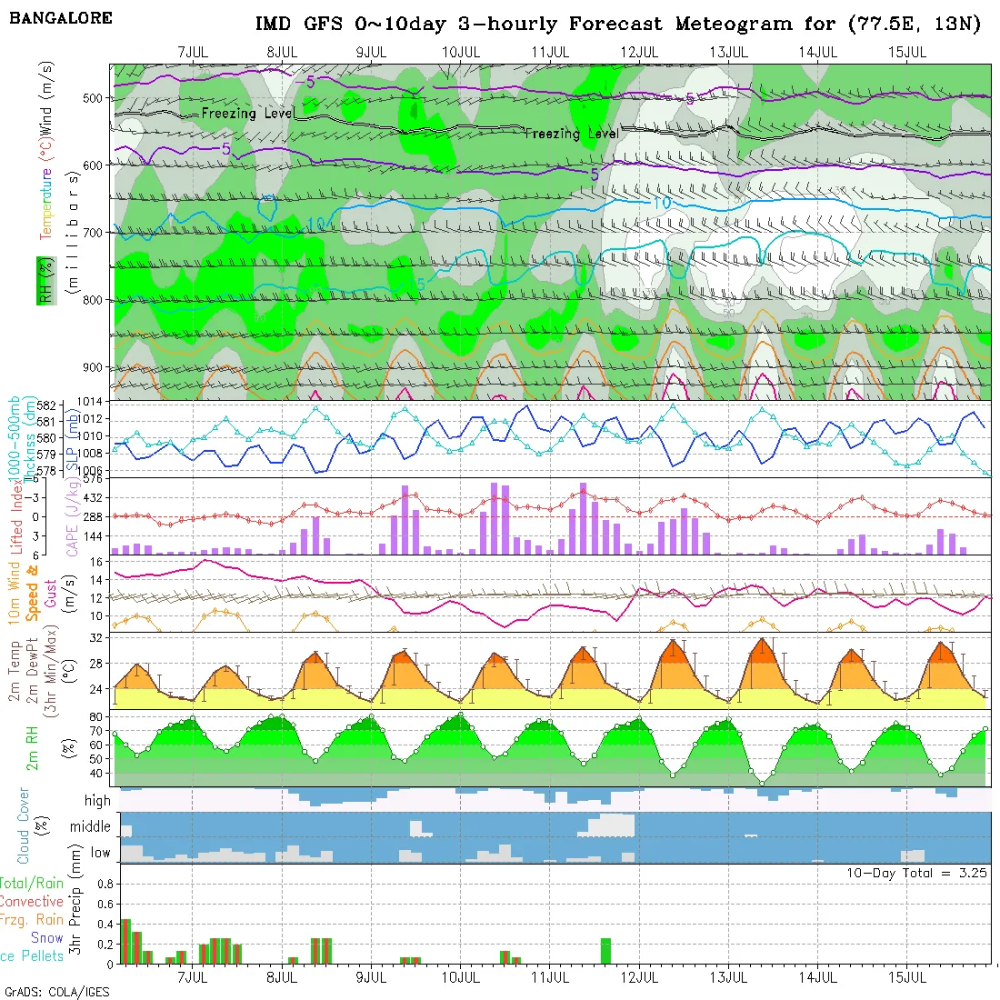
Mapping India's Clouds

This interactive visualization project maps cloud cover across India using data (meteograms) extracted from approximately 1,200 weather stations.

Mapping_India_s_Clouds_183f010f_1_chosen.png

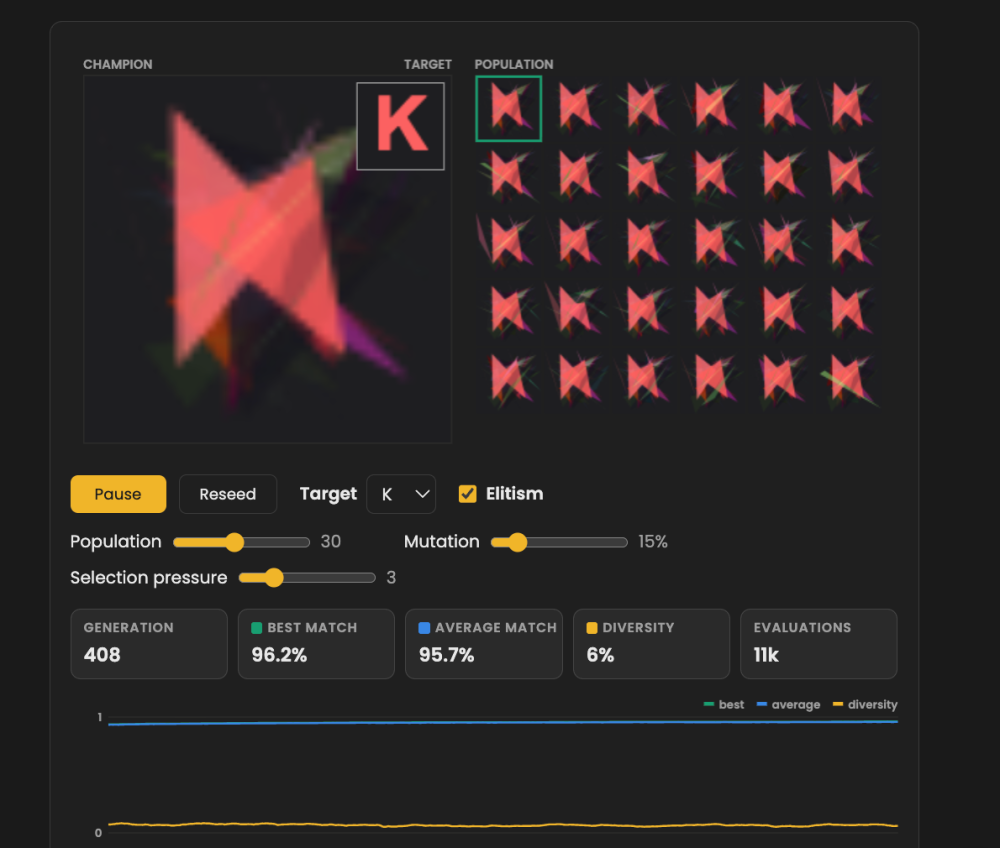
Evolution, Live

An interactive post by Ken Reid that demonstrates a genetic algorithm evolving visual solutions in real-time within the browser, part of a series. Also take a look at Ant Colony, one of my favourite algorithms ever.

Screenshot_2026_08_28_at_15_36_08_uploaded.png

Butterfly Effect

A look at the butterfly effect through the story of Edward Lorenz's 1961 discovery. But with a pretty cool take: "When a rocket blows up, or a bank loses half a billion dollars in an hour, somebody has to find out why. It is the law. They go back and back until they find the smallest thing that started it, and then they write it down."
The butterfly did not exist in Lorenz's mind. It was created by hindsight.

AI

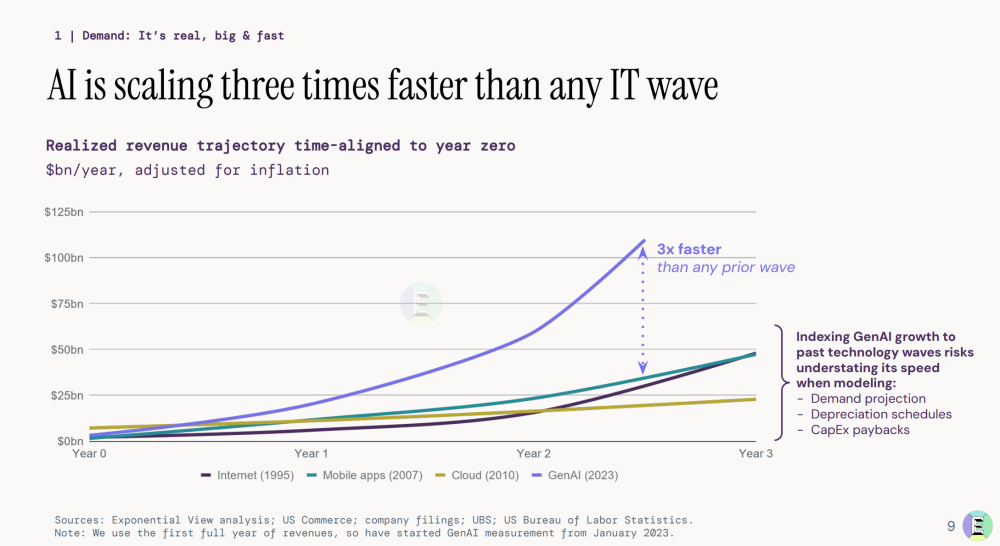
The State of the AI Economy

The latest State of the AI Economy by Exponential View report. Quite a few good, insightful visuals.

Screenshot_2026_08_28_at_15_40_00_uploaded.png

Inside me there are two wolves

Edafe Onerhime explores the parallels between large language models and her neurodivergent mind, specifically her experience, describing the "two wolves" constantly in tension.

DID YOU LIKE THIS ISSUE?

Buy Me A Coffee

You're receiving this email because you subscribed to Quantum of Sollazzo, a weekly newsletter covering all things data, written by Giuseppe Sollazzo (@puntofisso). If you have a product or service to promote and want to support this newsletter, you can sponsor an issue.

quantum of sollazzo is also supported by Andy Redwood’s proofreading – if you need high-quality copy editing or proofreading, check out Proof Red. Oh, and he also makes motion graphics animations about climate change.

Logo for ProofRed

The Quantum of Sollazzo grove now has 50 trees. It helps managing this newsletter's carbon footprint. Check it out at Trees for Life.

Quantum of Sollazzo. · The data newsletter by Giuseppe Sollazzo

(c) 2012-2026 Giuseppe Sollazzo · London · UK

Unsubscribe

Don't miss what's next. Subscribe to quantum of sollazzo:
← Newer 673: quantum of sollazzo Older → 672: quantum of sollazzo
Powered by Buttondown, the easiest way to start and grow your newsletter.