644: quantum of sollazzo
#644: quantum of sollazzo – 10 February 2026
The data newsletter by @puntofisso.

Hello, regular readers and welcome new ones :) This is Quantum of Sollazzo, the newsletter about all things data. I am Giuseppe Sollazzo, or @puntofisso. I've been sending this newsletter since 2012 to be a summary of all the articles with or about data that captured my attention over the previous week. The newsletter is and will always (well, for as long as I can keep going!) be free, but you're welcome to become a friend via the links below.
Quantum #643 had an open rate of 51.18% and a click rate of 15.25%.
The most clicked link was Yan Holtz's brilliant Data to Art website.
Flight KL643 links Amsterdam and New Amsterdam.
Quantum's final week with sponsors OpenCage
Ed Freyfogle, organiser of geospatial meetup Geomob, co-host of the Geomob podcast, and co-founder of the OpenCage, has offered to introduce a set of points around the topic of geocoding.
See a few paragraphs below for an interesting look at geocoding at scale.
AMA – Ask Me Anything! Submit a question via this anonymous Google form. I'll select a few every 4-5 weeks and answer them on here :-) Don't be shy!

The Quantum of Sollazzo grove now has 40 trees. It helps managing this newsletter's carbon footprint. Check it out at Trees for Life.
'till next week,
Giuseppe @puntofisso.bsky.social
✨ Topical
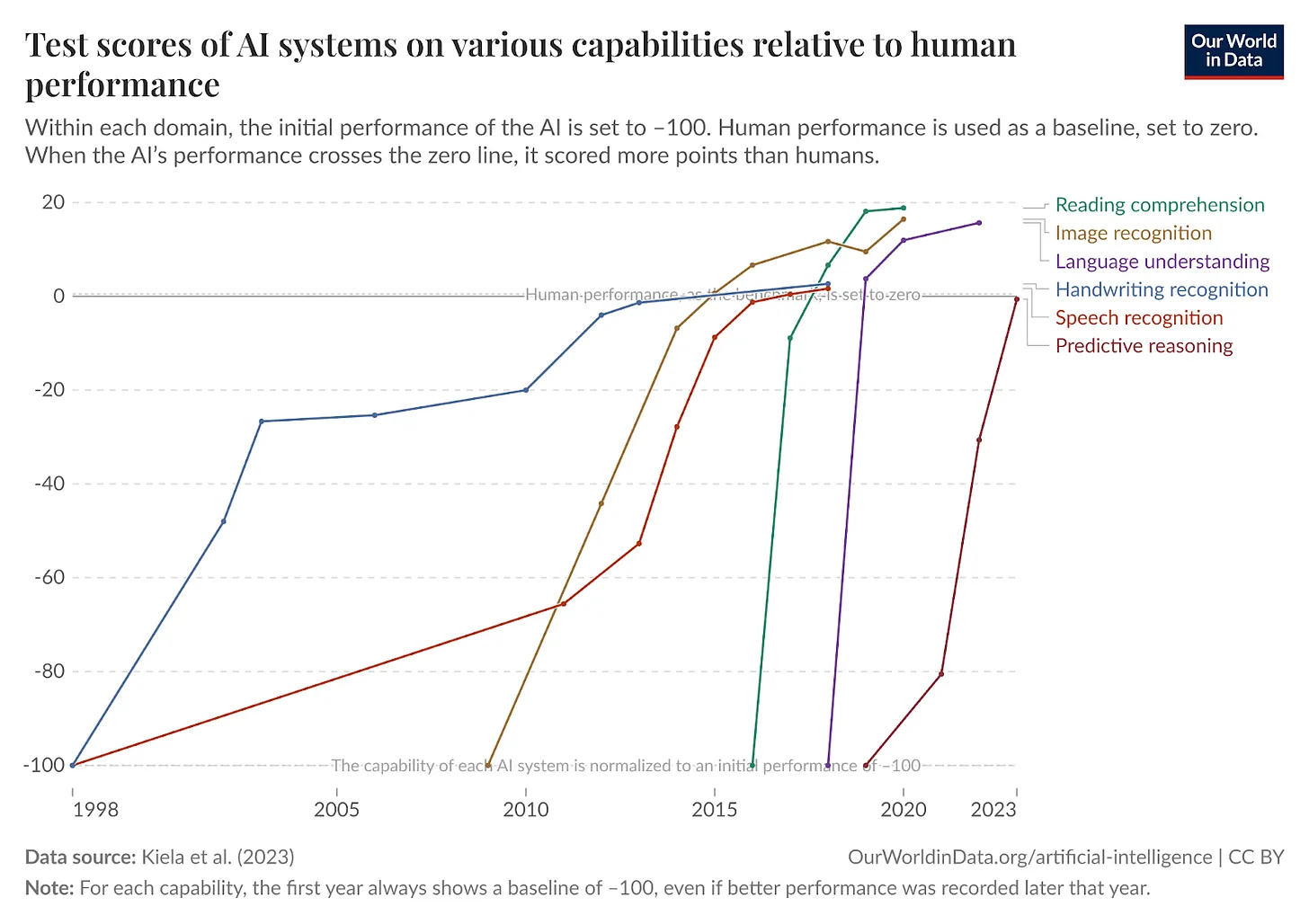
10 charts that explain the AI era
Deb Liu: "Today, at a time when AI is moving faster than any technology before it, it can feel like a runaway train of progress."
A Crisis comes to Wordle: Reusing old words!
"A few days ago, The new York Times (owner of Wordle) announced that from 2 February it would start reusing some words from previous years."
Controversial. Data-wise :-)
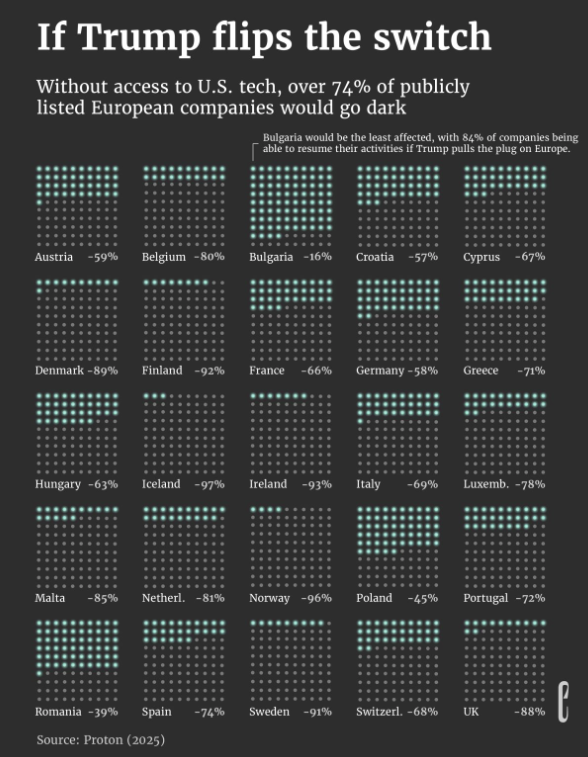
If Trump flips the switch
Maddy Spaltman analyses the potential consequences on Europe of disabling US-hosted systems.
Geocoding at scale
In our final installment in our series about using open data for geocoding we contemplate the challenges of geocoding at scale. What are the issues you face when you have many hundreds of thousands or even millions of coordinates or addresses to work on daily? At OpenCage we serve numerous customers in this category, and a common question that comes up is whether an API based solution can handle that type of scale.
An API-based solution, managed by experts, is almost always the most reliable and most affordable way to develop such an on-going system, as otherwise you will soon be spending a lot of valuable developer time making sure your geodata is staying current. As anyone who has worked with software can confirm: “Building is easy, maintaining is hard”.
Nevertheless, there are challenges that come with depending on any external service, one of course being network availability. At OpenCage we have multiple, fully-redundant data centers, and the availability of our service is independently and publicly monitored by a third party (current and past operational status can be seen at status.opencagedata.com).
Still, even with a highly-available service, some customers worry about the “cost” of crossing the internet to an external service. The fastest API query is the one you don’t even make; a smart caching strategy can go a long way to reducing usage. Because our geocoding API is built on open data you can cache the results as long as you like, and we’ve published a few tips and points to consider.
We hope you’ve enjoyed our series on the issues around geocoding with open data. While we’ve used our service as the example, we believe many of the concepts and considerations will apply regardless of the data processing tools and services you are building on. If you have questions regarding anything we discussed, please get in touch.
Have a project that will need geocoding? See our geocoding buyer's guide for an overview of all the factors to consider when choosing between geocoding services.

🛠️📖 Tools & Tutorials
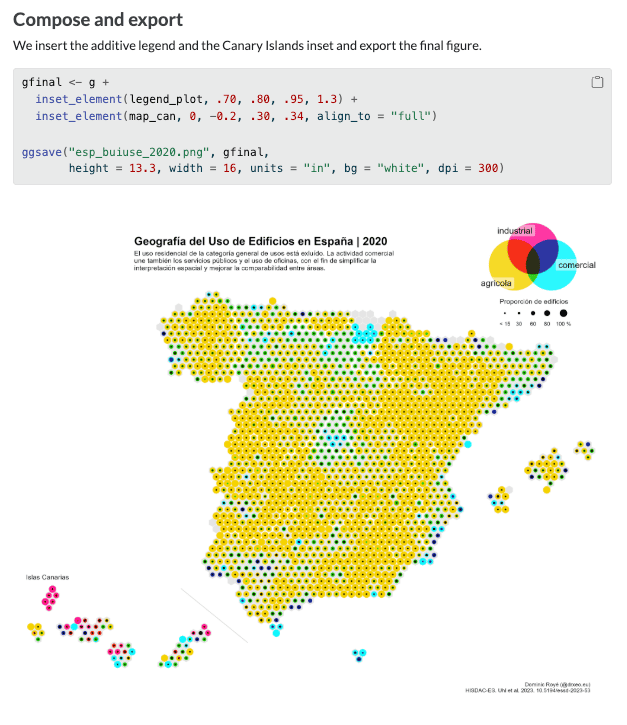
Mapping building use with a hexagonal grid
Dominic Royé: "I needed a compact way to show the composition of building uses across Spain without pixel‑level clutter. We will aggregate 100 m building‑use rasters to a 20 km hexagonal grid and visualize the mix of agricultural, industrial, and commercial uses with overlapping proportional symbols blended by multiplication. The Canary Islands are shown as an inset."
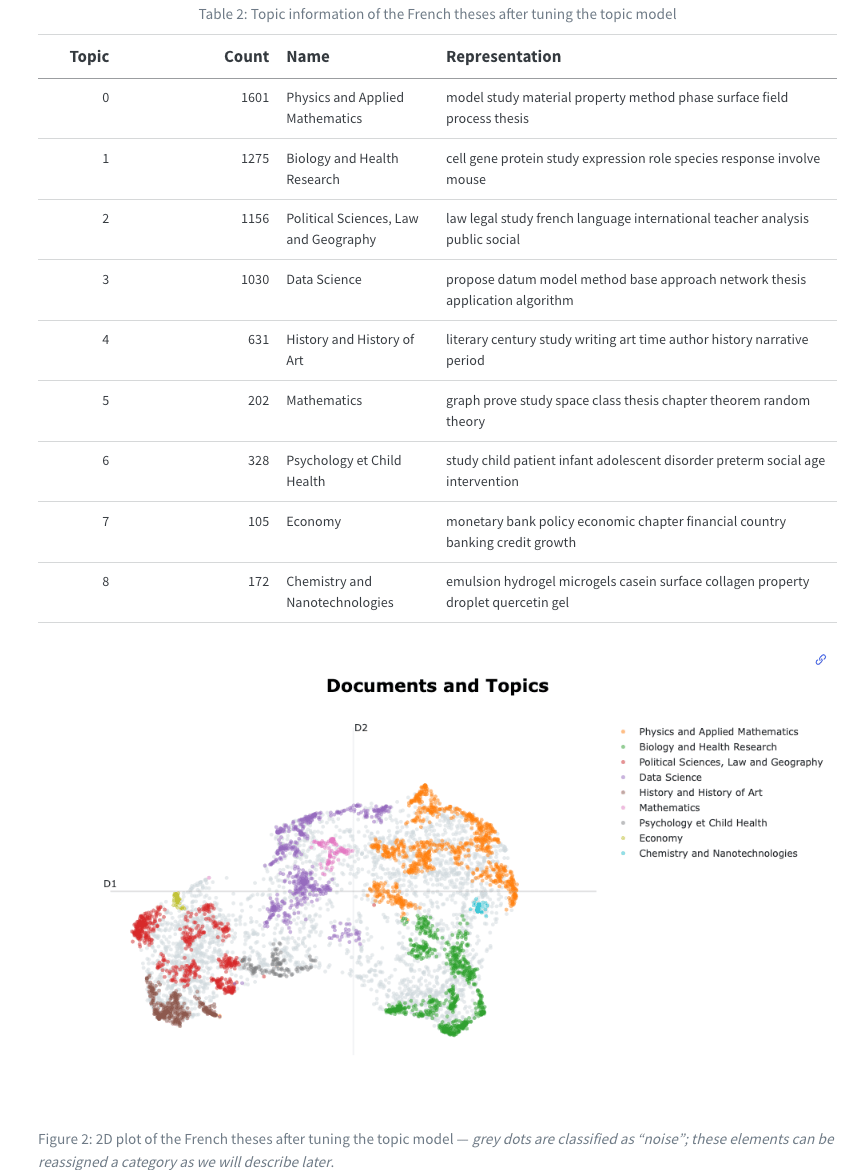
The General Inquirer in the time of LLMs: a BERTopic tutorial
"What are the main issues addressed in a set of documents? Are those documents similar or discussing different matters? What is the most important topic?"
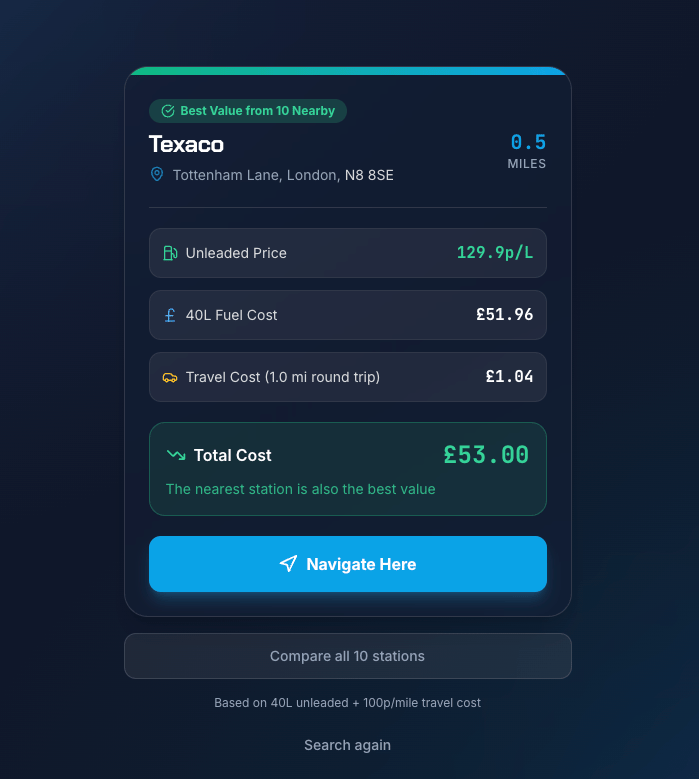
A couple of people have asked me how I used AI to make fuelfinder.shop while on the train from Bristol to London yesterday.
Public Digital partner and former Government Digital Service boss Tom Loosemore tells about his experience of building a gas station finding tool, using AI.
A case study in PDF forensics: The Epstein PDFs
Peter Wyatt of the PDF Association: "We report on the technical aspects of the PDF files released by the US Department of Justice in connection with the Epstein Files Transparency Act."
I don't buy SQLite in the cloud
It negates most of its benefits, according to Monroe Clinton.

Teaching LLMs to Be Funny
Using post-training on the Kimi K2 LLM: "Tinker recently made it possible to post-train Kimi K2, Moonshot's 1 trillion parameter model. Moonshot themselves used rubric-based RL to boost Kimi's creative writing scores--instead of grading "good writing" directly, they decomposed it into specific rubrics like clarity, engagement, and tone. I wanted to try the same approach for comedy: decompose "funny" into properties that are verifiable."
All code also available.
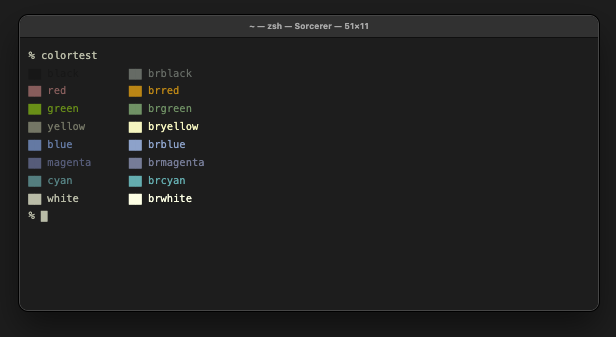
How to Choose Colors for Your CLI Applications
"In Sorcerer, all colors are readable on the default background except for black, which is in fact darker than the background. "
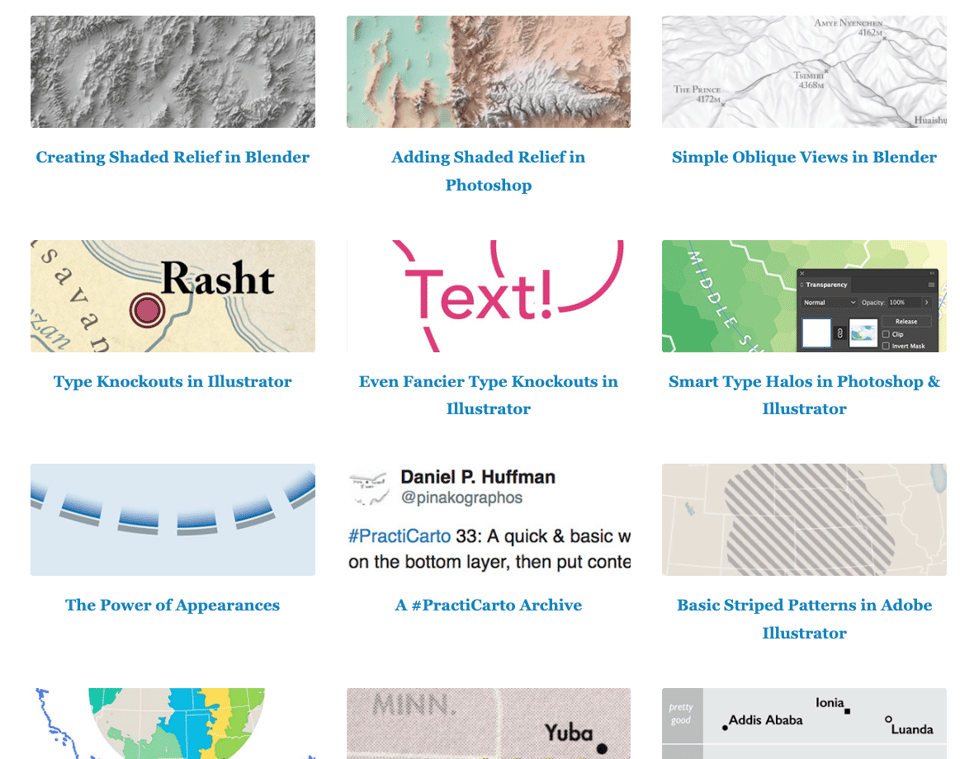
Somethingaboutmaps Tutorials
A pretty good set of geo/3D mapping tutorials by cartographer Daniel Huffman.
📈Dataviz, Data Analysis, & Interactive
Railway Network Density in Europe
An example of using Overture Maps data.

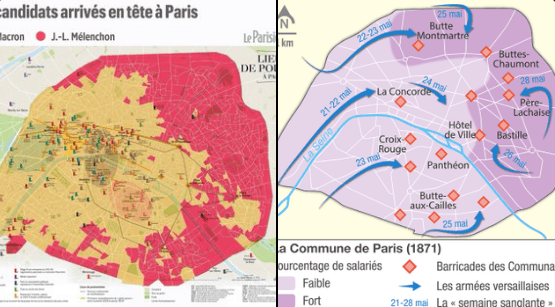
Paris: Macron/Mélenchon vote split vs the 1871 commune of Paris
A simple visualization of "districts that voted for Macron vs districts that voted for Mélenchon in the 1st round of the presidential election vs the 1871 commune of Paris", by François Valentin. Part of a longer thread overlapping modern and historical maps.
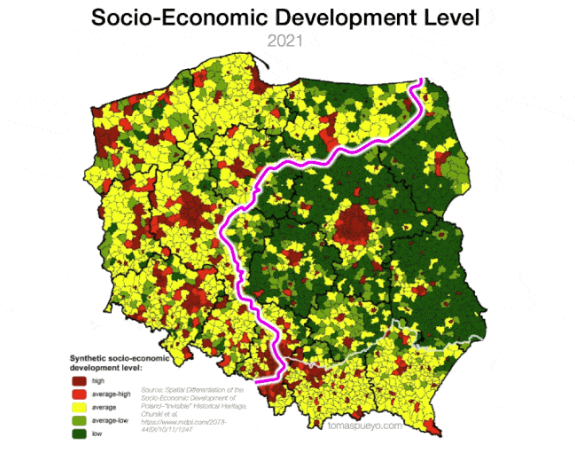
Why Are There 2 Polands?
Similar to the above, but for Poland. Most countries have some of these – I can think, for sure, of Italy, Germany, and the UK. Maybe not as much for France.
How happy couples got happier 💍
Leo Benedictus reports on "the slow revolution in marriage since the 1970s", using ONS data.

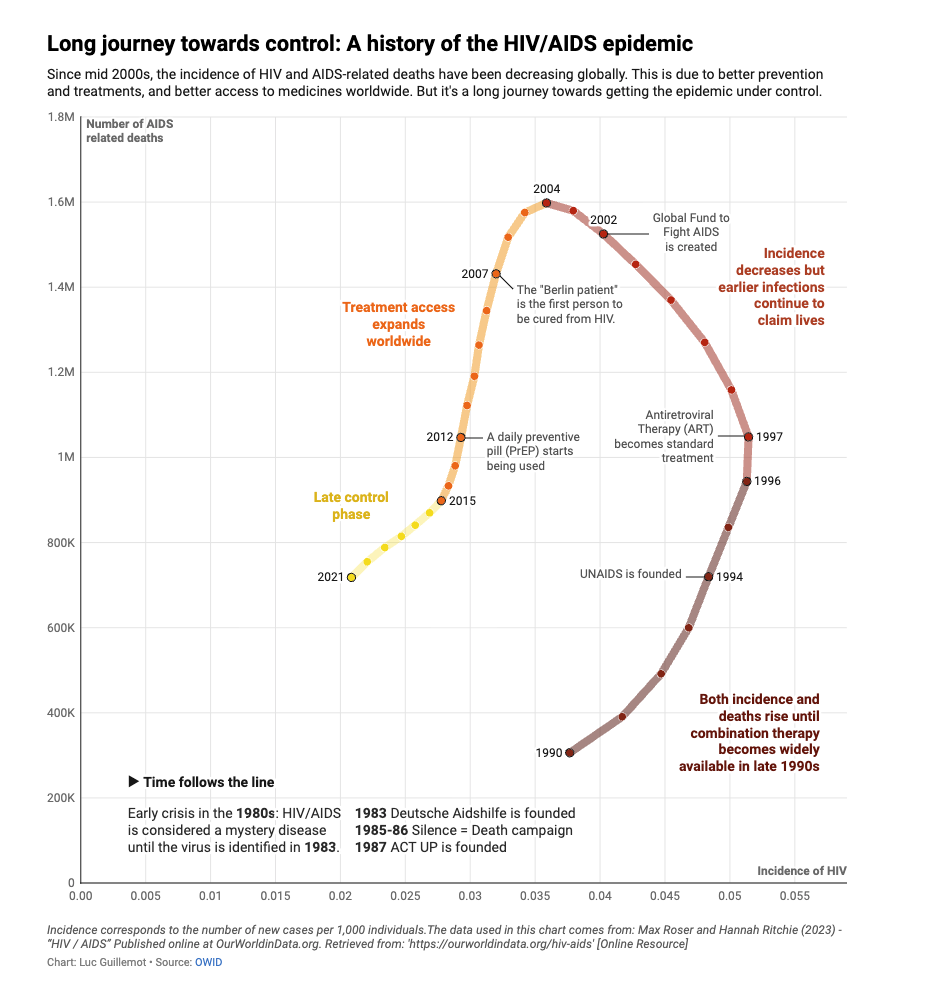
A history of the HIV epidemic
Datawrapper's Luc Guillemot has created this amazing timeline using a connected scatterplot.
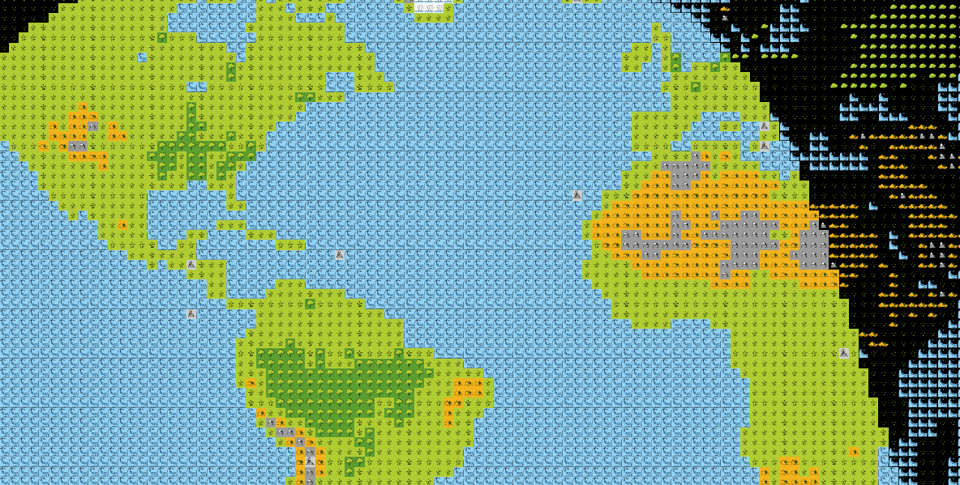
Emoji World
Oh, the things you can do these days with emojis...
(via Geomob)
🤖 AI
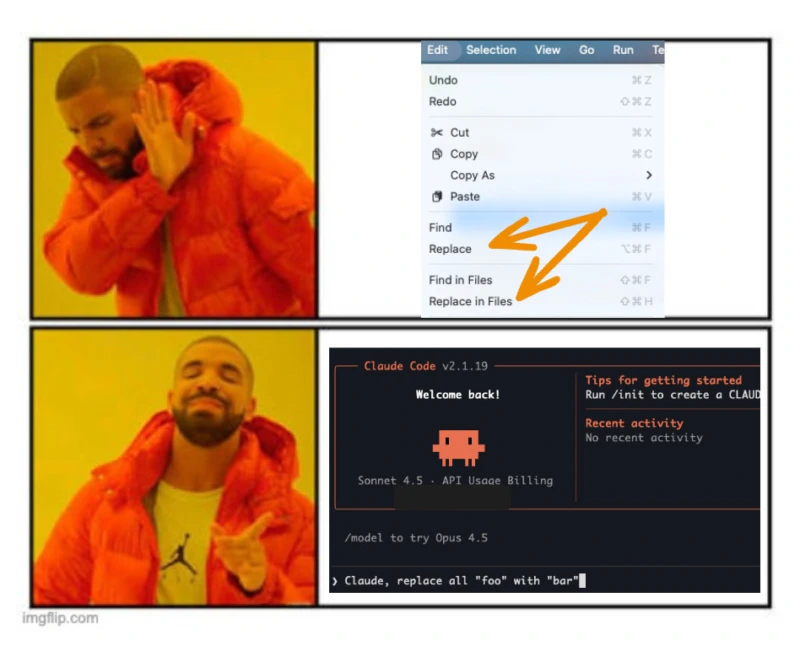
Running two Claudes
"I’ve been using Cursor for six months now to design and build products and websites. Recently I switched to Claude Code and saw a massive improvement in quality and speed.
Now I’ve found something even better: running two Claudes."
Interesting approach based on interviewing rather than code reviewing.
Programming with AI, Without the Hype
Alberto Varela: "I use AI tools every day, both at work and in my side projects. I'm very skeptical of the hype that surrounds them, but very interested in what actually works. In this post, I share both my experience programming with AI in real codebases and my own perspective on what's genuinely useful, what tends to be overhyped, where these tools fall short, and how I'm actually working with them right now."
How AI assistance impacts the formation of coding skills
Anthropic: "Research shows AI helps people do parts of their job faster. In an observational study of Claude.ai data, we found AI can speed up some tasks by 80%. But does this increased productivity come with trade-offs? Other research shows that when people use AI assistance, they become less engaged with their work and reduce the effort they put into doing it—in other words, they offload their thinking to AI.
It’s unclear whether this cognitive offloading can prevent people from growing their skills on the job, or—in the case of coding—understanding the systems they’re building. Our latest study, a randomized controlled trial with software developers as participants, investigates this potential downside of using AI at work."
Take this with adequate caveats, but it's interesting nonetheless.
|
DID YOU LIKE THIS ISSUE>? → BUY ME A COFFEE!  You're receiving this email because you subscribed to Quantum of Sollazzo, a weekly newsletter covering all things data, written by Giuseppe Sollazzo (@puntofisso). If you have a product or service to promote and want to support this newsletter, you can sponsor an issue. |
quantum of sollazzo is also supported by Andy Redwood’s proofreading – if you need high-quality copy editing or proofreading, check out Proof Red. Oh, and he also makes motion graphics animations about climate change.
