640: quantum of sollazzo
#640: quantum of sollazzo – 13 January 2026
The data newsletter by @puntofisso.

Hello, regular readers and welcome new ones :) This is Quantum of Sollazzo, the newsletter about all things data. I am Giuseppe Sollazzo, or @puntofisso. I've been sending this newsletter since 2012 to be a summary of all the articles with or about data that captured my attention over the previous week. The newsletter is and will always (well, for as long as I can keep going!) be free, but you're welcome to become a friend via the links below.
Quantum #639 had an open rate of 52.51% and a click rate of 16.07%.
The most clicked link was London's new planning data hub. You truly are a bunch of data nerds. I love you.
Quantum has a new sponsor for the next few issues!
Ed Freyfogle, organiser of geospatial meetup Geomob, co-host of the Geomob podcast, and co-founder of the OpenCage, has offered to introduce a set of points around the topic of geocoding. His first entry starts a few paragraphs below on the importantce of open geodata.
AMA – Ask Me Anything! Submit a question via this anonymous Google form. I'll select a few every 4-5 weeks and answer them on here :-) Don't be shy!

The Quantum of Sollazzo grove now has 40 trees. It helps managing this newsletter's carbon footprint. Check it out at Trees for Life.
'till next week,
Giuseppe @puntofisso.bsky.social
🛎️ Things that I made...
I've been playing a little with microcontrollers, and most recently I got myself a cheap M5AtomS3R – a little wonder that for about £15 gets you a tiny device (no more than 2in x 2in) with a colour LCD screen that doubles up as a button, and WiFi connection, with a USB-C connector or base for battery, microphone, and speaker. I've been using it to have a way to display the next bus departures at my door. The setup is all described on my blog post and it looks like the image below.

✨ Topical
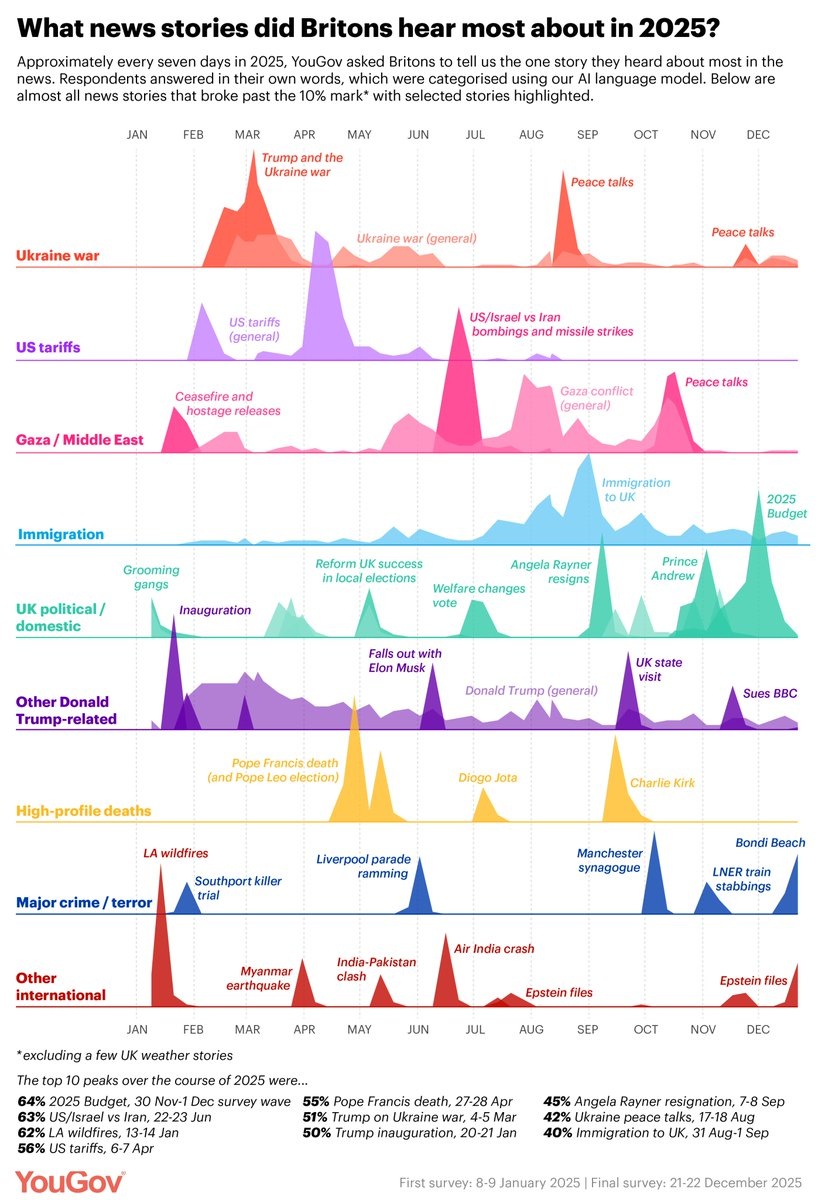
What news stories did Britons hear most about in 2025?
YouGov's 2025 wrap-up with a good dataviz.
(via Peter Wood)
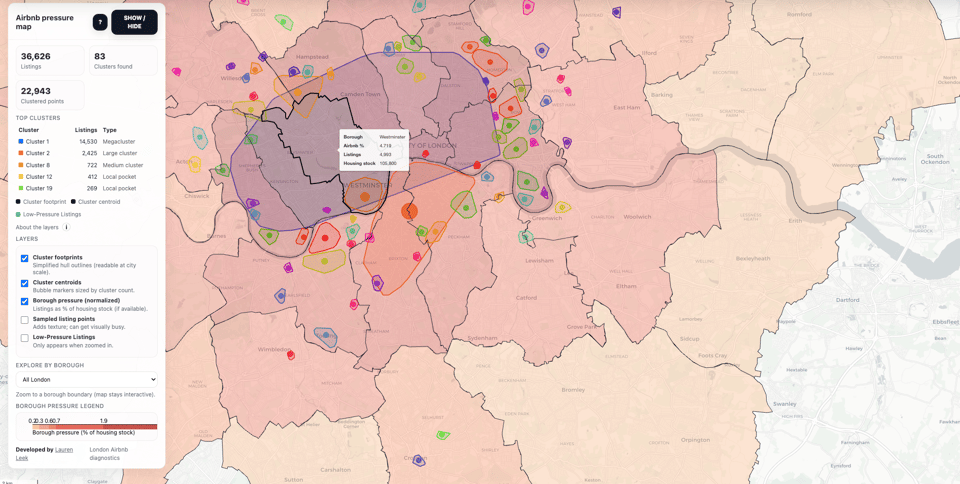
Everyone’s Mad at Airbnb. This Map Explains What We Should Blame Instead.
Lauren Leek: "The real reason Airbnb clusters where it does - and 1,500 listings you can book guilt-free if the policymakers won't listen."
This is a strong analysis with an even stronger policy take, which you may agree with or not. But whatever your stance is, it does come with one of the best dashboards I've seen on the subject.
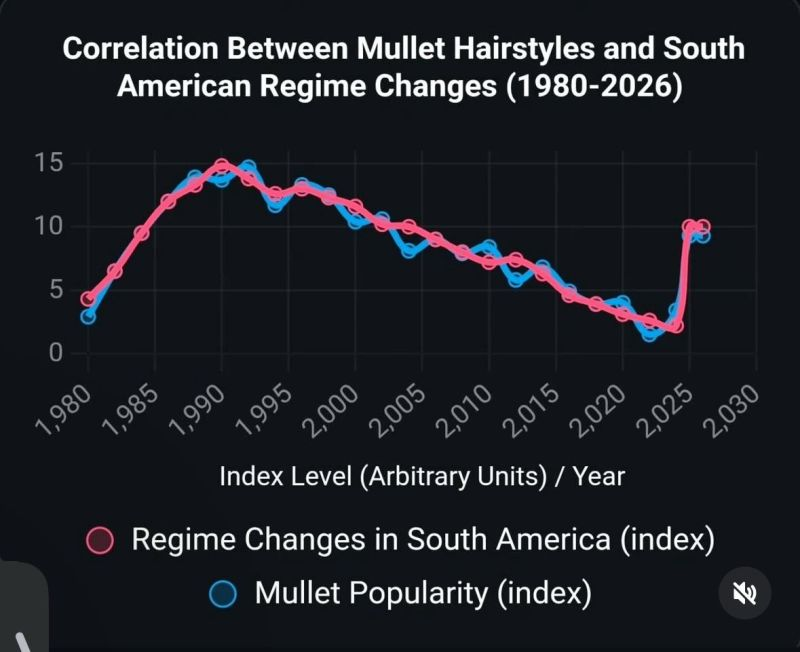
Correlation Between Mullet Hairstyles and South American Regime Changes (1980-2026)
Some topical data-driven LOLs.
Why is open geodata important? What's the difference between open and closed data?
Proprietary geodata from private services like Google are widely used, but come with licenses that severely restrict how you can use the data. Restrictions include:
- don't allow storing (caching) beyond a certain time period, and require deletion when you stop being a customer
- limit which maps you can use to display the geodata
- require a significantly higher cost to use behind a firewall or in desktop software
- no clarity on when or if data will be refreshed or corrected
Open data, like that returned by the OpenCage geocoding API, means:
- store data as long as you like
- display on any map
- use publicly or behind a firewall
- fix errors when you find them
As a final bonus, because the data is free (no cost), our service is also much more affordable.
Have a project that will need geocoding? See our geocoding buyer's guide for an overview of all the factors to consider when choosing between geocoding services.

🛠️📖 Tools & Tutorials
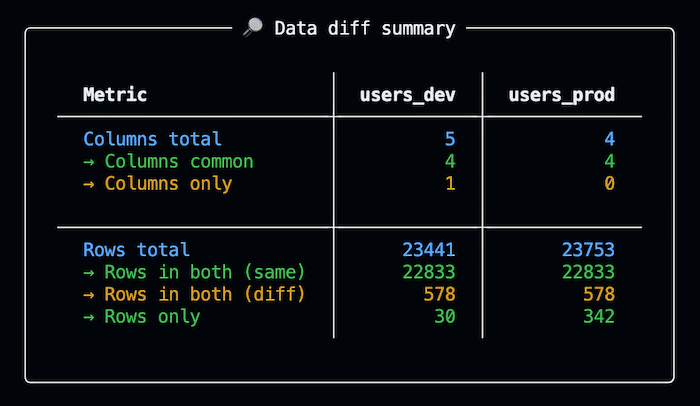
tablediff
"CLI tool for data diffing between two tables."
Python Numbers Every Programmer Should Know
Michael Kennedy: "There are numbers every Python programmer should know. For example, how fast or slow is it to add an item to a list in Python? What about opening a file? Is that less than a millisecond? Is there something that makes that slower than you might have guessed? If you have a performance sensitive algorithm, which data structure should you use? How much memory does a floating point number use? What about a single character or the empty string? How fast is FastAPI compared to Django?"
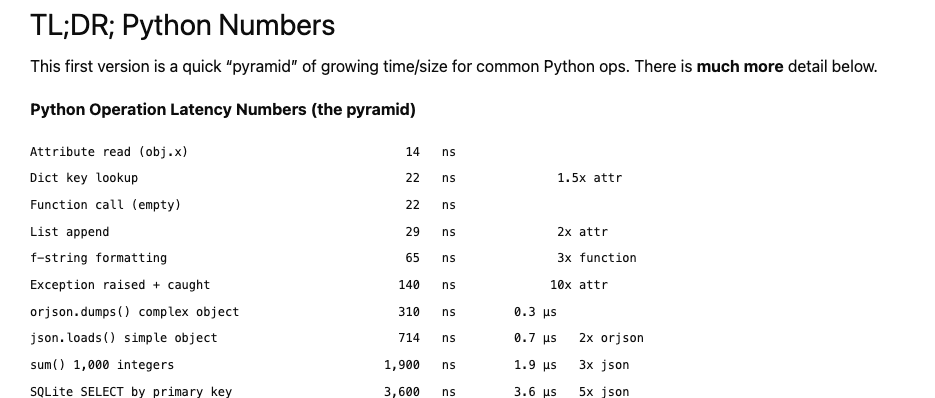
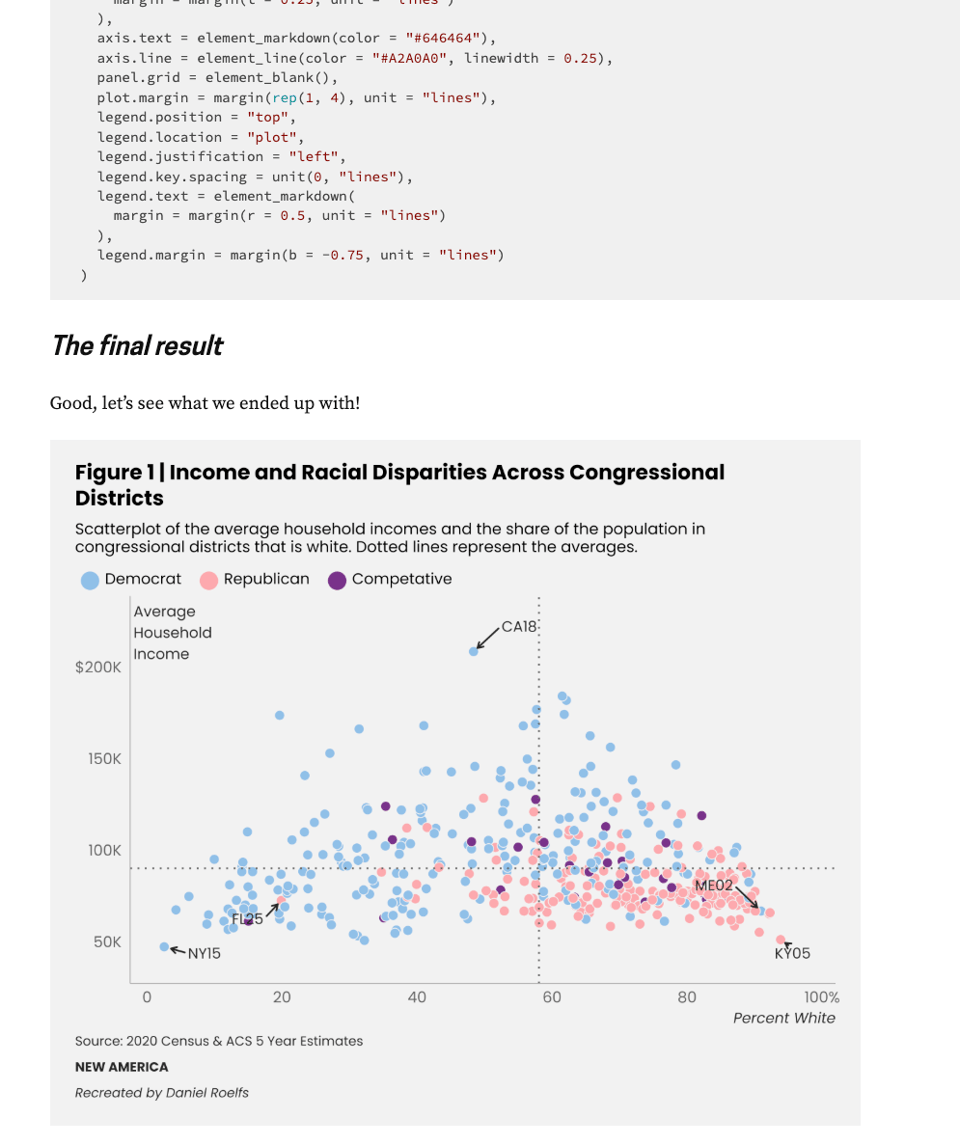
Learning data viz from the best: New America and Datawrapper
Daniel Roelfs: "...I want to break down these figures and try to recreate them with {ggplot2}."
The 2026 Data Engineering Roadmap: Building Data Systems for the Agentic AI Era
"This roadmap will guide you through the essential skills, mindsets, and technologies that will define data engineering excellence in 2026 and beyond."
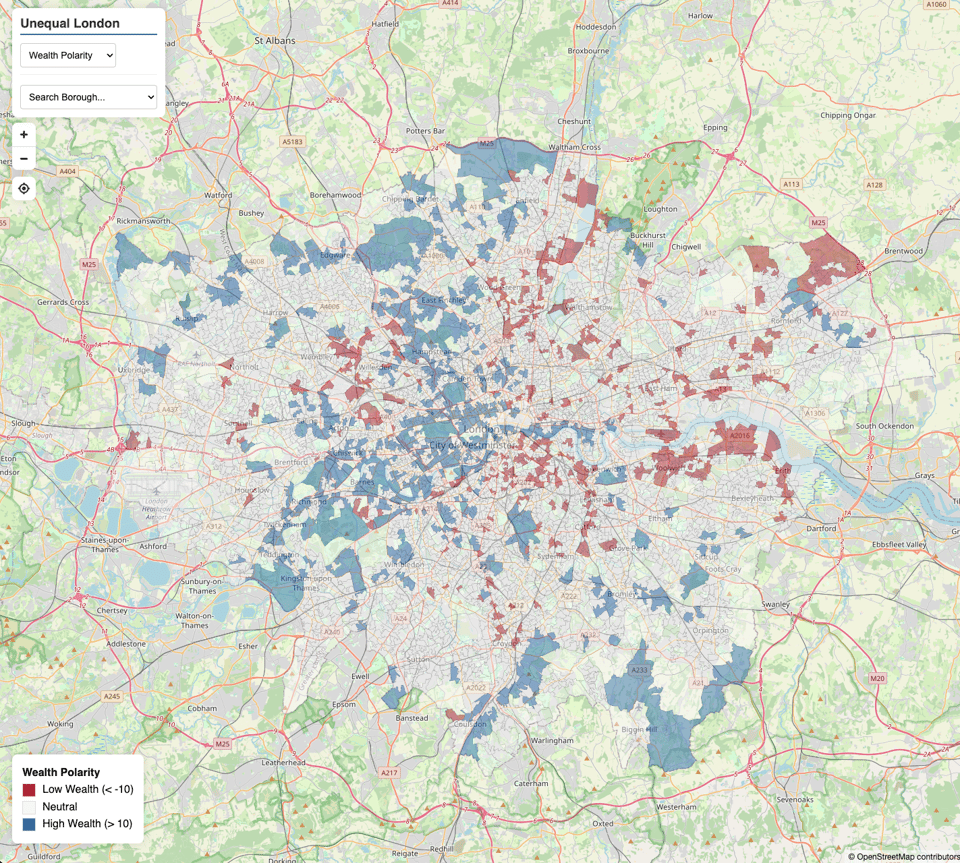
Unequal London – down the doom spiral of mapping with AI
My friend Steven Feldman has been experimenting with building maps using a mapping-specific LLM, WebMapperGPT, and he has chronicled his attempts and documented the steps he took.. The resulting interactive map is here.
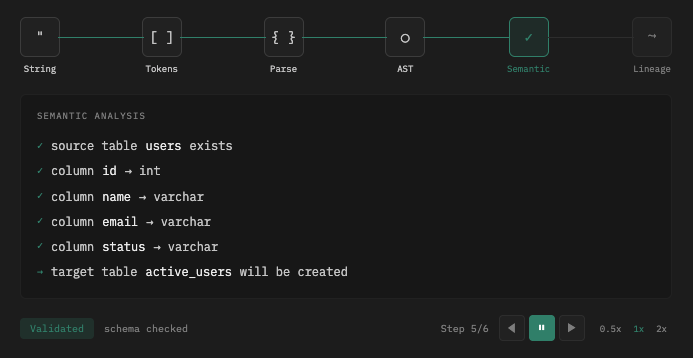
Understanding SQL Parsers
"My work at Atlan has touched SQL parsing since the beginning. I made early contributions to the query engine with policy-based authorization powering Insights, and we generate SQL lineage by parsing queries to power column-level lineage. Along the way, my colleagues and I have evaluated a lot of SQL parsers, both open source and commercial: SQLGlot, sqlparser-rs, sqloxide, Apache Calcite, Gudusoft GSP, JSqlParser, and others. Each with different tradeoffs.
This post is my attempt to distill what I’ve learned."
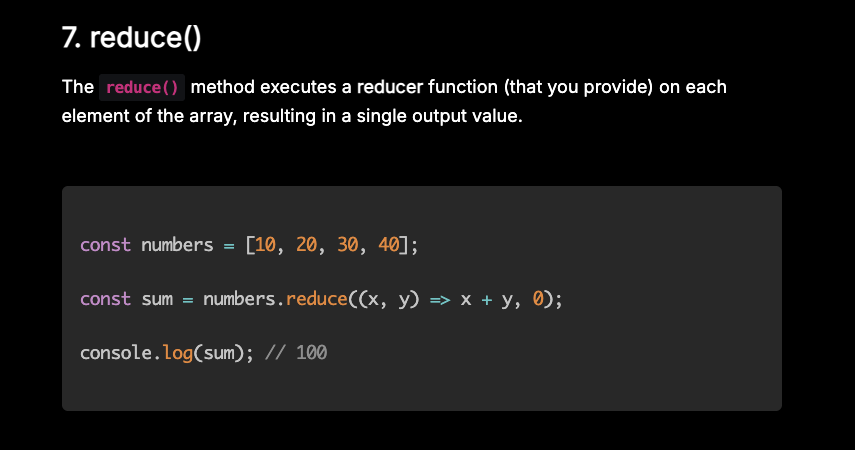
10 JavaScript array methods to simplify your code
A good collection of simple, built-in methods by Marko Denic.
Thoughts on Claude Code
"I wrote everything in cooperation with Claude Code/Opus 4.5.
The word “cooperation” isn’t incidental. I picked it carefully because it accurately describes the experience of working with Claude as if you had a programming partner.*"
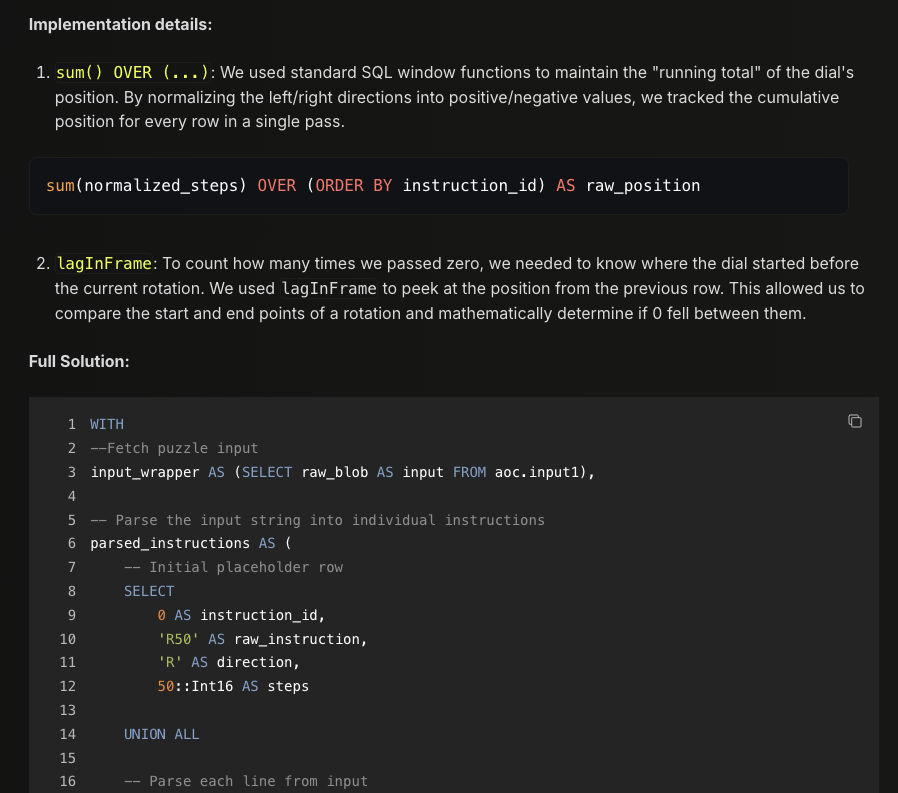
Solving the "Impossible" in ClickHouse: Advent of Code 2025
While I've never used it, I've heard good things about ClickHouse, and I love that they decided to show off their capabilities by solving this popular challenge.
"At ClickHouse, we don't like the word "impossible." We believe that with the right tools, everything is a data problem. ClickHouse isn't just a fast OLAP database; it is a vectorized query engine with a massive library of analytical functions that can be abused bent to solve general-purpose computing problems.
To prove it, we decided to complete the 2025 Advent of Code unconventionally: using pure ClickHouse SQL."
🤯 Data thinking
Charts can be social artifacts that communicate more than just data
Adam Zewe for MIT News: "Researchers find that design elements of data visualizations influence viewers’ assumptions about the source of the information and its trustworthiness."
Divorcing data collection from data analysis, slightly
"What does it mean to collect good data? How does one learn how to do that? What things do we need to keep in mind? All within the context of understanding human users."
📈Dataviz, Data Analysis, & Interactive
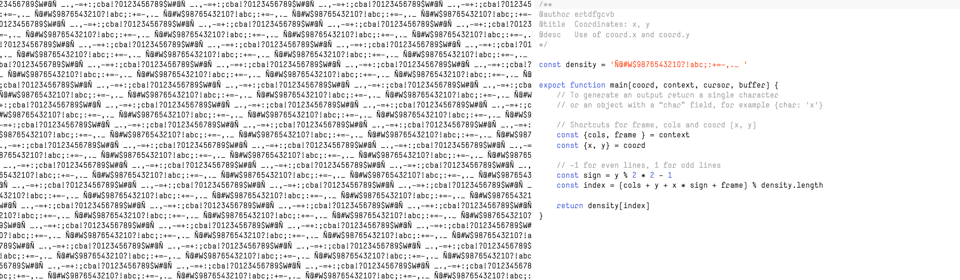
Moiré
Generative Moiré effects, code-based and in text.
Asteroid Tones
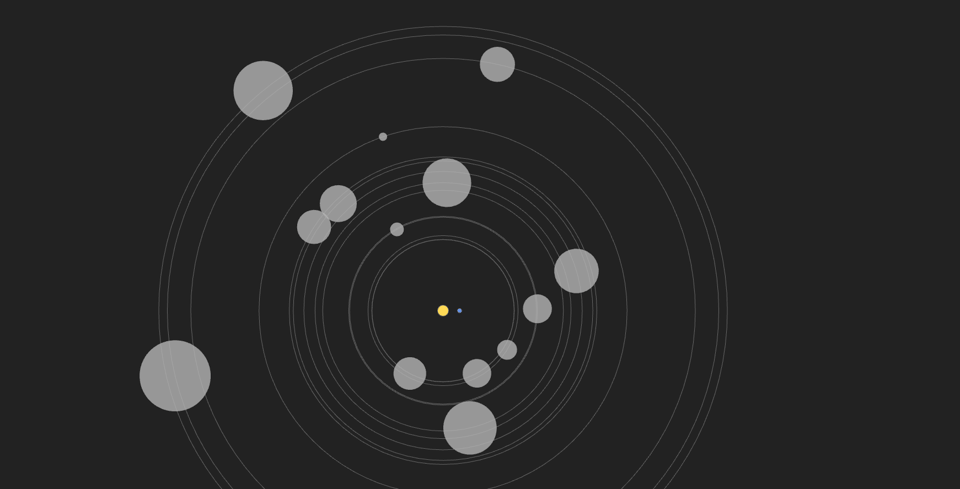
"This is a data sonification of asteroids passing Earth today. It pulls live data from NASA's Near Earth Object API."
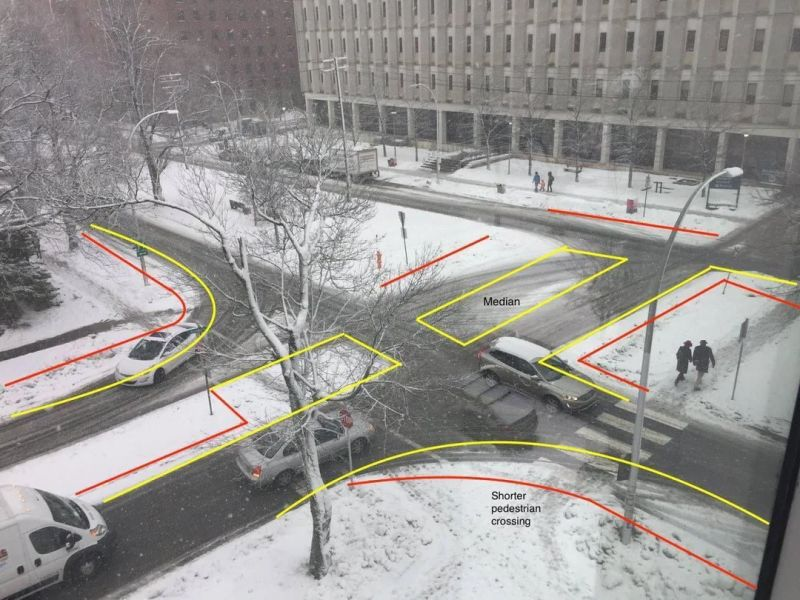
Do you know what Sneckdowns are? ❄️
Lior Steirnberg: "They are the cheapest traffic consultants in the world."
I must confess I did not know the word "Sneckdown" and learning it made me go down a rabbit hole. More serious stuff on them here.
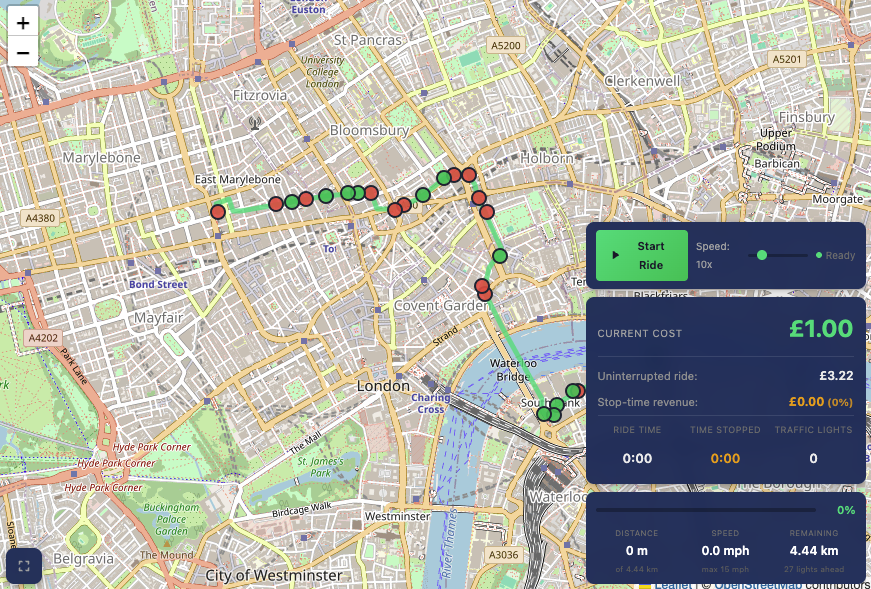
Lime's billing model is encouraging cyclists to run red lights
Great analysis, and it comes with a good simulator.
It's a tricky one, though: what is the behaviour you want to incentivise vs profitability? Would users be happier to pay a higher hourly rate that factors in the time spent at traffic lights? What's the role of the private and public sectors working on this? I wouldn't want to be the person having to take these decision... but now you make me think of it, I was in fact one of the persons providing the analysis some years back (and it wasn't easy because the data was hard to get hold of).
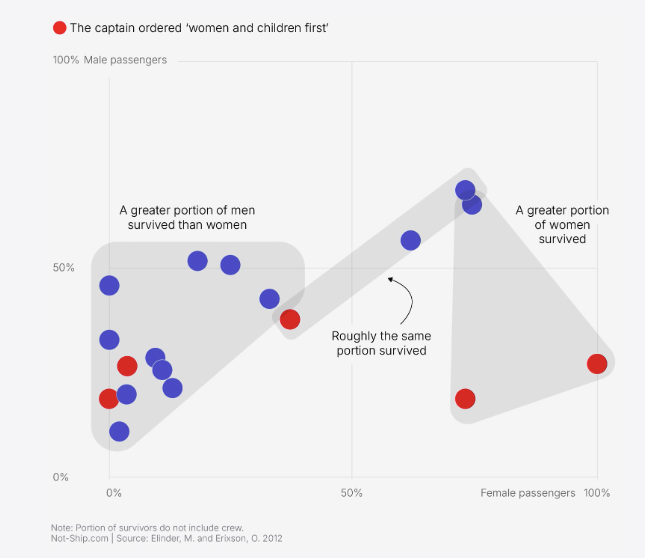
Data detours: Women and children? Back of the line!
Amanda Shendruk's latest analysis might not be her most cheerful... but it's a pretty interesting one, historically: "This so-called 'law of the sea' was exemplified by the Titanic; as it slipped below the icy waters, women and children were given priority on lifeboats. Seventy-three percent of women survived the disaster, while only 19% of men did. But researchers say this is an exception. An analysis of 18 shipwrecks shows that women have a distinct survival disadvantage."
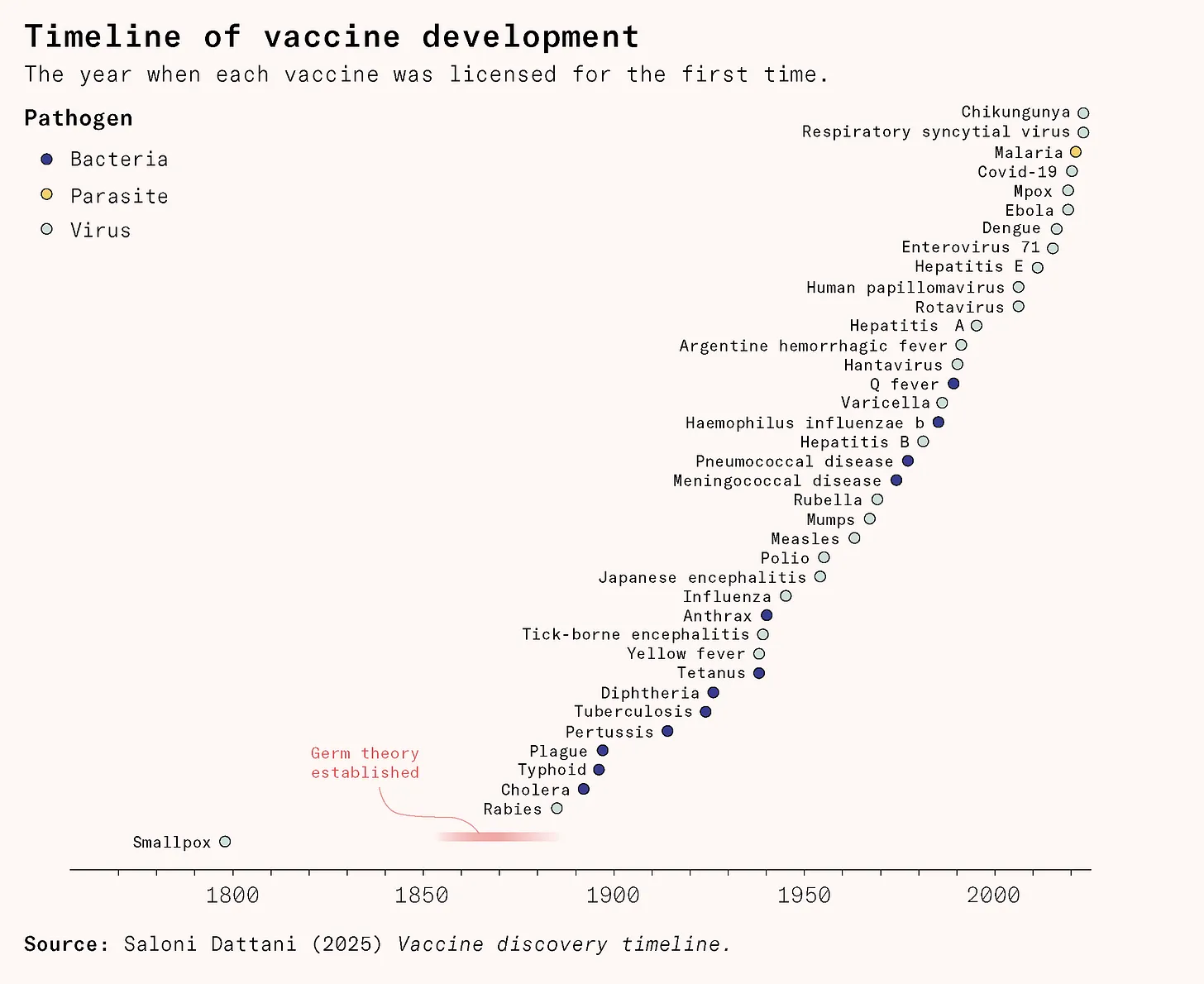
The golden age of vaccine development
Saloni Dattani (Works in Progress): "The first vaccine was a lucky accident. Now we can design new vaccines in weeks, atom by atom."
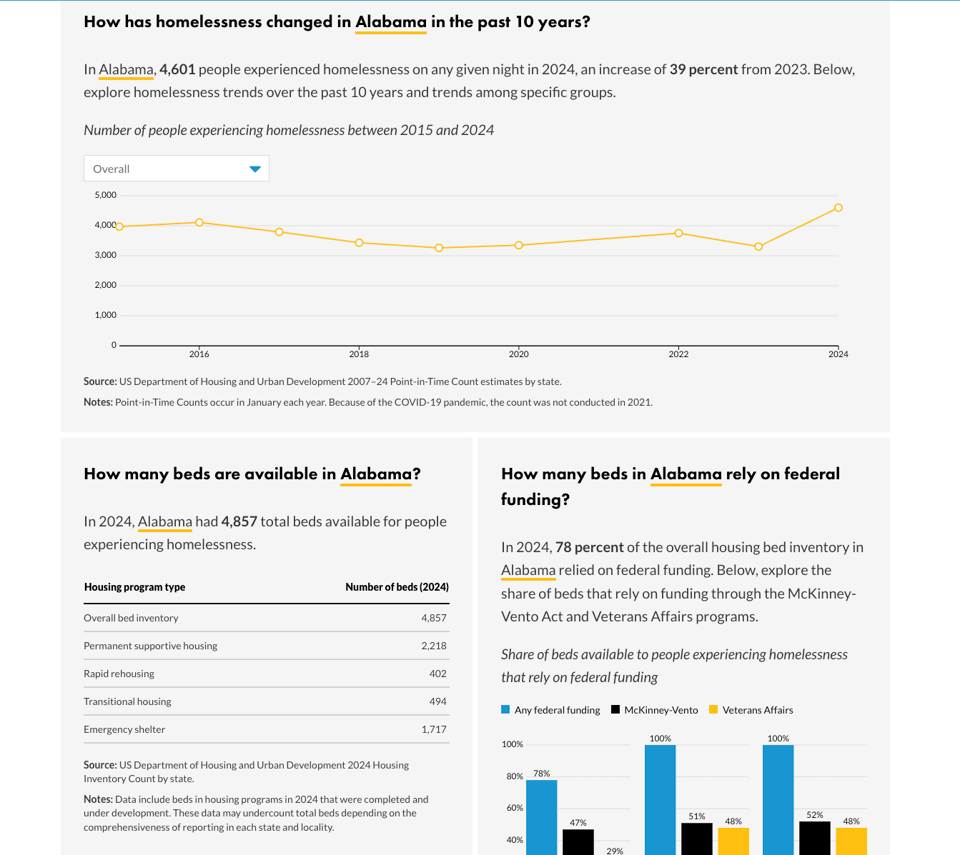
Homelessness and Housing Program Trends by State
An interactive tool by the Urban Institute to explore homelessness in US States.
Early school leaving is a growing problem in some EU countries
Openpolis/EDJNet: "While the European Union as a whole is moving closer to its goal of reducing early school leaving, some countries – including Germany – appear to be moving away from the targets."
🤖 AI
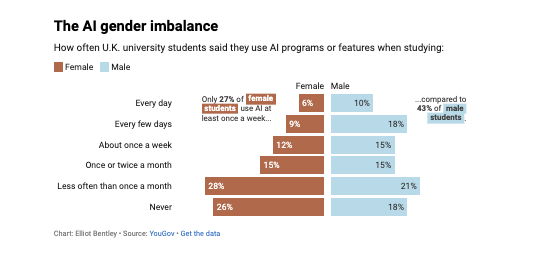
The AI gender gap
Elliot Bentley (Datawrapper): "A study from last year found that women are using AI less than their male counterparts, with adoption on average 25 percent lower."
When AI writes almost all code, what happens to software engineering?
"No longer a hypothetical question, this is a mega-trend set to hit the tech industry". Most of this article is behind a paywall, but you get enough in the summary.
Testing Opus 4.5 For C Programming
"I’ve been programming in C for 25 years and have net yet found AI useful for programming. I blew off the hype as “inexperienced glue coders”. I’m not a luddite though, I use LLMs as a Google replacement; I even tried AI autocomplete in Cursor. Breaking my flow to read every autocomplete suggestion was annoying. However a new generation of “AI Code Agents” (Opus 4.5, and gpt-5.2-codex high) recently debuted that seemed worth a test."
It's a good test, albeit on a small sample :-)
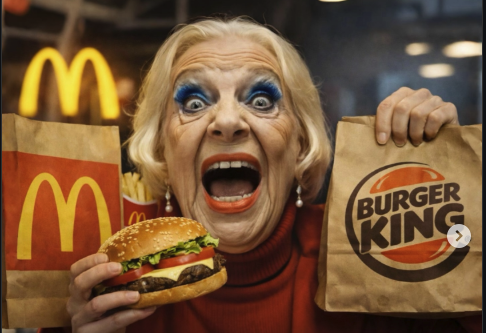
Burger King made a reply ad to McDonald's AI campaign after it was taken down for poorly executed AI visuals
We'll have to get used to more of this stuff, surely :-)
|
DID YOU LIKE THIS ISSUE>? → BUY ME A COFFEE!  You're receiving this email because you subscribed to Quantum of Sollazzo, a weekly newsletter covering all things data, written by Giuseppe Sollazzo (@puntofisso). If you have a product or service to promote and want to support this newsletter, you can sponsor an issue. |
quantum of sollazzo is also supported by Andy Redwood’s proofreading – if you need high-quality copy editing or proofreading, check out Proof Red. Oh, and he also makes motion graphics animations about climate change.
