We offered free doorbell installs. It didn't work the way we thought.
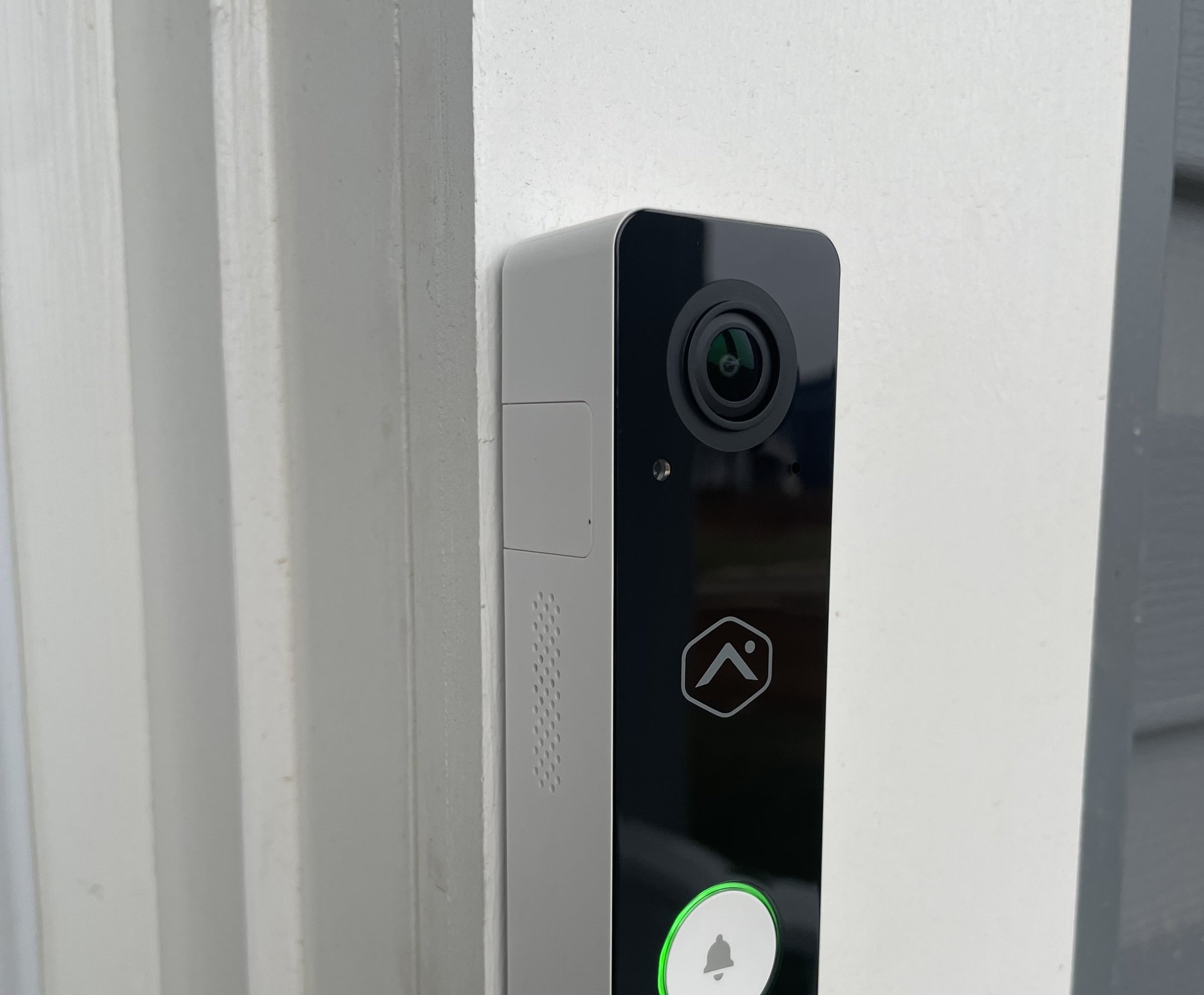
Two wires, sometimes. The rest of the time it's a transformer, a chime converter, and an afternoon.
Early on, we offered free video doorbell installs on our neighborhood Facebook page. It didn't matter if you bought the doorbell from us or already owned one — we'd put it up for free. The thinking was simple: free labor gets us in the door, and once we're standing in someone's house, we can talk to them about the bigger picture. You have to be careful which video doorbell ecosystem you pick — Ring, Nest, UniFi, Alarm.com — because you can get siloed into one company's devices fast, and some of those ecosystems are more closed than others. We wanted to be the ones having that conversation before the purchase, not after.
We did about 20 of these. Most of them were exactly what we offered and nothing more: install the doorbell, get a thank-you and a handshake, done. Which is fair — that's what we advertised. But we lost money on most of them, and the consulting relationship we were hoping to build almost never materialized.
It did work once. We showed up to install a Ring doorbell for free — the client had gotten it as a gift the year before — and by the time we left, we'd quoted a full Alarm.com security system and a whole-home audio system. The original Ring doorbell eventually got resold, and the client went with an Alarm.com doorbell instead. So the theory was provable. It just didn't repeat at the rate we needed.
What we hadn't accounted for was how much a "simple" doorbell install could turn into real, unpaid labor. Some doorbells are 2 wires and done. Others need a power pack or capacitor added at the chime. Some need a digital chime converter. We ran into homes 25 to 30 years old with doorbell transformers that were dead or underpowered for the new hardware. One client's mechanical chime had overheated and fused its own internal parts together, so the install couldn't happen that day at all. Another house had the doorbell wired through an old intercom system that no longer worked, but the wiring still ran through that board, so we had to trace and bypass it before the new doorbell would even function. And some homes simply didn't have strong enough Wi-Fi to reach the doorbell — which isn't something a doorbell install fixes for free, though early on, trying to be nice, we sometimes fixed that for free too.
None of that was something a client could be expected to know going in. But in a few cases, when the doorbell didn't connect right, we could feel the client quietly questioning whether we knew what we were doing — when the real issue was that we'd skipped the one step that would have caught it: a proper consultation before we ever touched a wire.
Looking back, the free install itself wasn't the mistake. The mistake was not pairing it with an actual consultation and site check up front, with an agreed flat fee for anything beyond the base install — a dead transformer, a chime conversion, whatever it turned out to need — decided with the homeowner before we started, not discovered halfway through. We never wanted to oversell anyone. We wanted to be in a consultative role so the client understood exactly what they were getting into. We just handed out the labor before we'd built in the conversation that made the labor worth it.
Read this on the web · You're getting this because you subscribed to Pull Schedule.