The Case of the Loose Dog
I talk about sympathy vs empathy after a scary encounter for my dog, along with Dungeon Crawler Carl and the latest news on my work.
A few weeks ago, while walking my dog Darby, she was attacked by a loose dog.
Before I get started, let me quickly state that everyone is fine, and no one was hurt. Even though I slipped and fell during it, I was able to keep the dogs apart long enough to get her away, and no teeth broke her skin. Further, she doesn’t seem to have been upset by the event. She’s always been skittish around other dogs, true, but this didn’t make that any worse.
So this isn’t a newsletter about a horrible thing that happened to my dog. Instead, it’s about empathy.
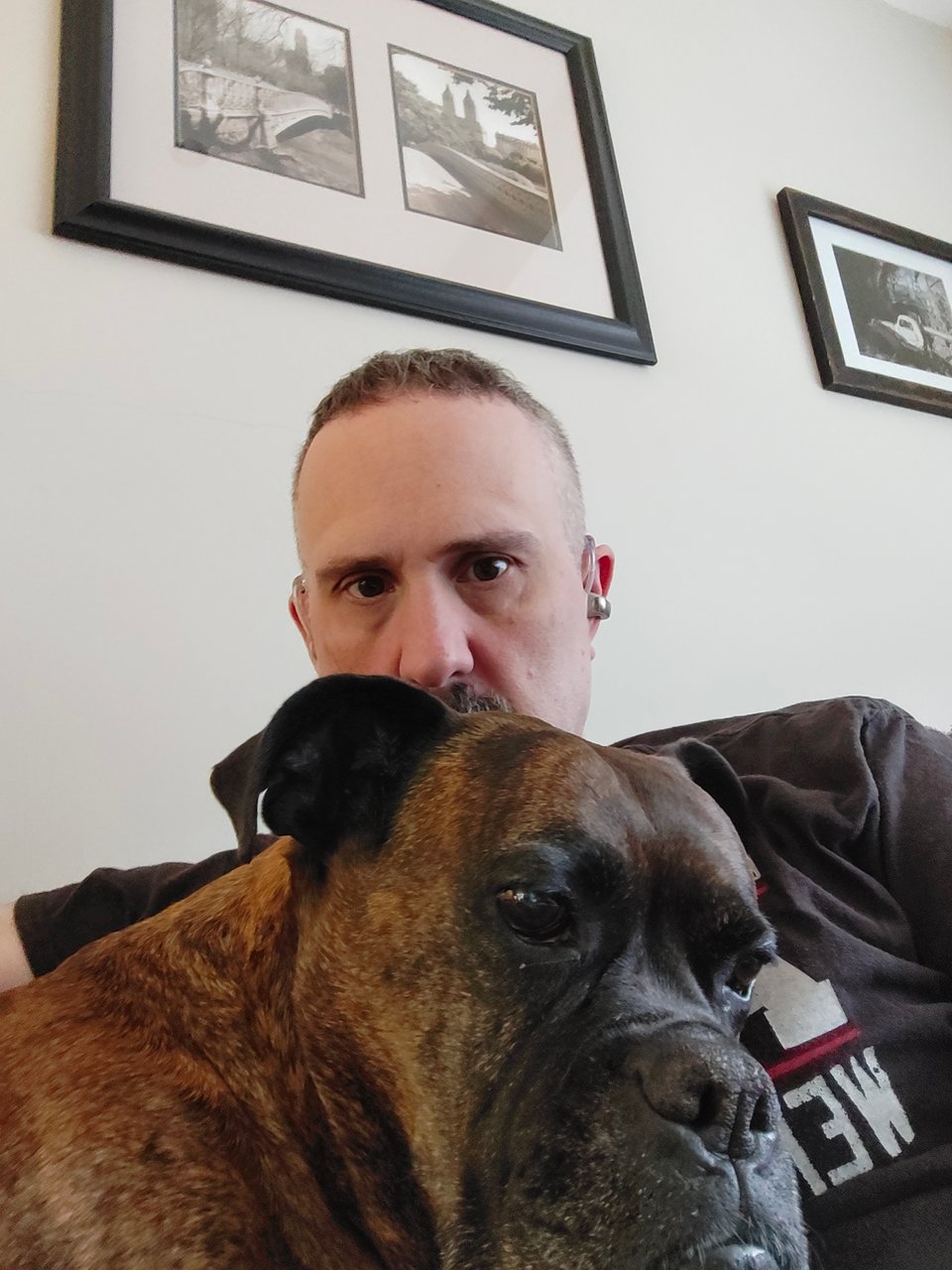
Since that incident (and a second one soon after that I won’t get into), I’ve become incredibly self-aware of my surroundings. I’ve always tried to keep an eye out when walking Darby, as she sometimes likes to explore new areas (with a distressingly high frequency of attempts to wander into oncoming traffic), but since we’ve lived in the same place for a couple years now, I admit I had grown lax. I didn’t notice another dog charging across the green until it was nearly on top of us. So now whenever there’s another dog nearby, even if it looks friendly, I always assume it will potentially attack until I’m given evidence to the contrary.
I recently realised those are the same thoughts that go through my wife’s head whenever she’s walking alone and sees another man she doesn’t know.
I like to think that I am sympathetic to her experiences, especially after a lifetime of having far more women as friends then men, but sympathy isn’t the same as empathy. Before I understood the fear and concern intellectually, but now I understand it emotionally. In a similar way, I sympathised with the stress and anxieties around being an immigrant when I lived in the United States, but I empathise now that my family are all immigrants in a country that is increasingly intolerant of them. Working on therapeutic games like Branch Riders resonated better after I had actually gone to therapy myself.
I was struggling to figure out what the nuance is, and why it matters, when I found a great explanation on the SimplyPsychology website:
Sympathy is more of an external expression of emotion, while empathy is an internal emotional response.
As a creative, I often have sympathy for the various things I write about in various ways, but I don’t often have empathy for them in the same way. I hesitate to say that it makes my writing better to have empathy, but I’m certainly able to put more passion into my work when I do.
I think it’s that “internal emotional response” part that’s key. In writing, but arguably even more in game design, you have a chance to help people feel things they wouldn’t otherwise feel. If you purely sympathise with the subject matter, you can get close to those emotions, but the material might not land the way you want. If you’ve internalised the feelings, though, that can shape the writing or the design, and while it still might not come across to the reader or player, you have a better chance at it.
A common piece of writing advice is “write what you know,” and for years I pushed against it. If I only write what I know, how can I inhabit the viewpoints of others? As a game designer, why does my viewpoint matter? But I think what that advice is really trying to say is “write what you empathise with.” Because feeling something is stronger than feeling about something.
Oh, and that loose dog? Never saw it again. Fuck that dog.
News
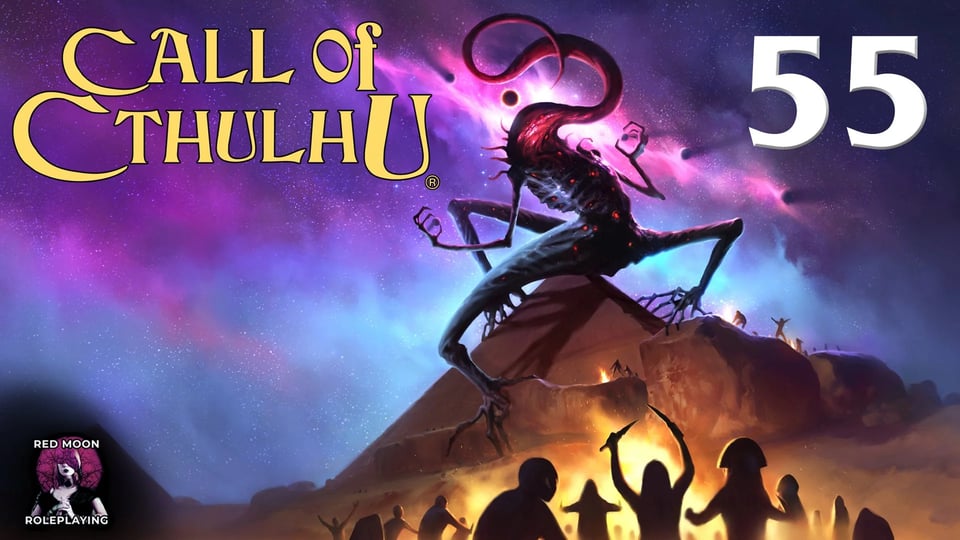
The ongoing game of Masks of Nyarlethotep I’ve been part of at Red Moon Roleplaying has been a frequent feature in these news segments, but as we crossed into over a solid year of episodes, I admit I’m pretty proud of the work we’ve done in April. The emotional toll on the characters is really starting to show, and some of these recording sessions I walked away emotionally exhausted!
#52: A sun-scorched town hums with laughter and rot as an expedition takes shape, drawing its members toward a desert that may already be watching them. https://youtu.be/6jegvv8hrlM?si=CXaY-mrE5x-3C3Gf
#53: Something breaks in the night, and by morning, trust feels thinner than the walls around them. https://youtu.be/yb5v2BxNYVI?si=xCA8bBpPmP34s_cd
#54: In the vast silence of the outback, grief is buried… but not everything laid to rest stays still. https://youtu.be/sRfwZDXVprY?si=xQdrgm_rJKABdhjA
#55: A knife flashes in the desert night, and before the dust can settle, trust, blood, and steel collide. https://youtu.be/NLi_GRnzCsI?si=-AiUpsRQLc0HiXZb
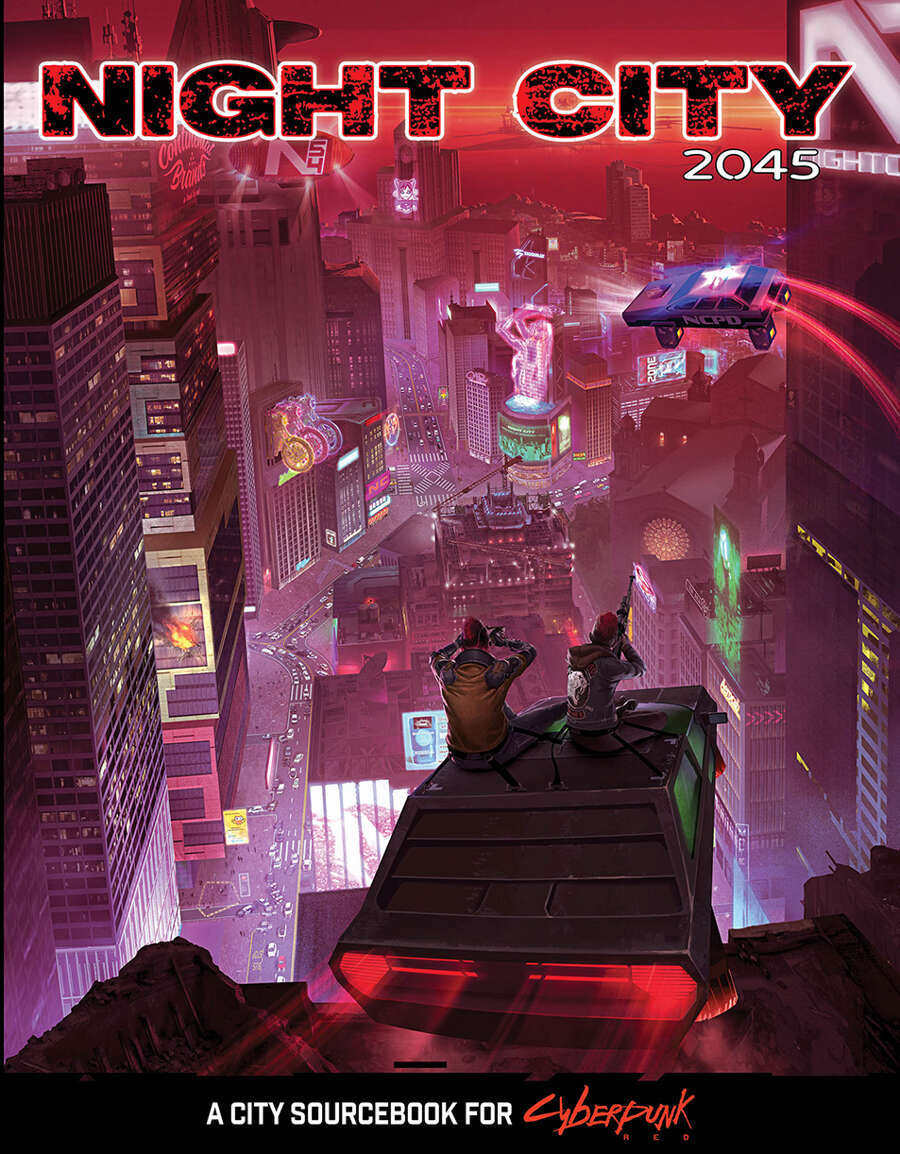
Meanwhile, Night City 2045 is out! It’s PDF-only for now, but I’m told that print-on-demand will be available soon, as well as traditional printed version in game stores.
I know I’ve talked about what a thrill it is to contribute to the universe of Cyberpunk, but seeing the final PDF in my inbox brought all those feelings rushing back. This game, along with Marvel Super Heroes and Vampire: The Masquerade, were foundational to my early gaming years, and now I’ve had a chance to contribute to all three of them. And I’m really proud of the work the whole team put into this book.
Finally, another Extra Credits episode I wrote is up! This one covers the “Fortnite-ification” of Magic: The Gathering, as it hastily slaps together whatever IPs it can find to sell as many cards as possible…and it’s working. But is that a good thing?
And, a quick reminder that the Realms of Pugmire bundle at Fanatical still has 24 days left. If you want to get just about everything for the first edition of the game on PDF for under £14, this is a great way to do it!
My Media
Usually I have to mull over which of my recent media obsessions I want to talk about, but this month is a no-brainer (even if I do also want to talk about Forbidden Solitaire). Because when I wrote this newsletter last month, I was convinced I didn’t like Dungeon Crawler Carl, and now I’ve read the first three books and own all seven in hardback.
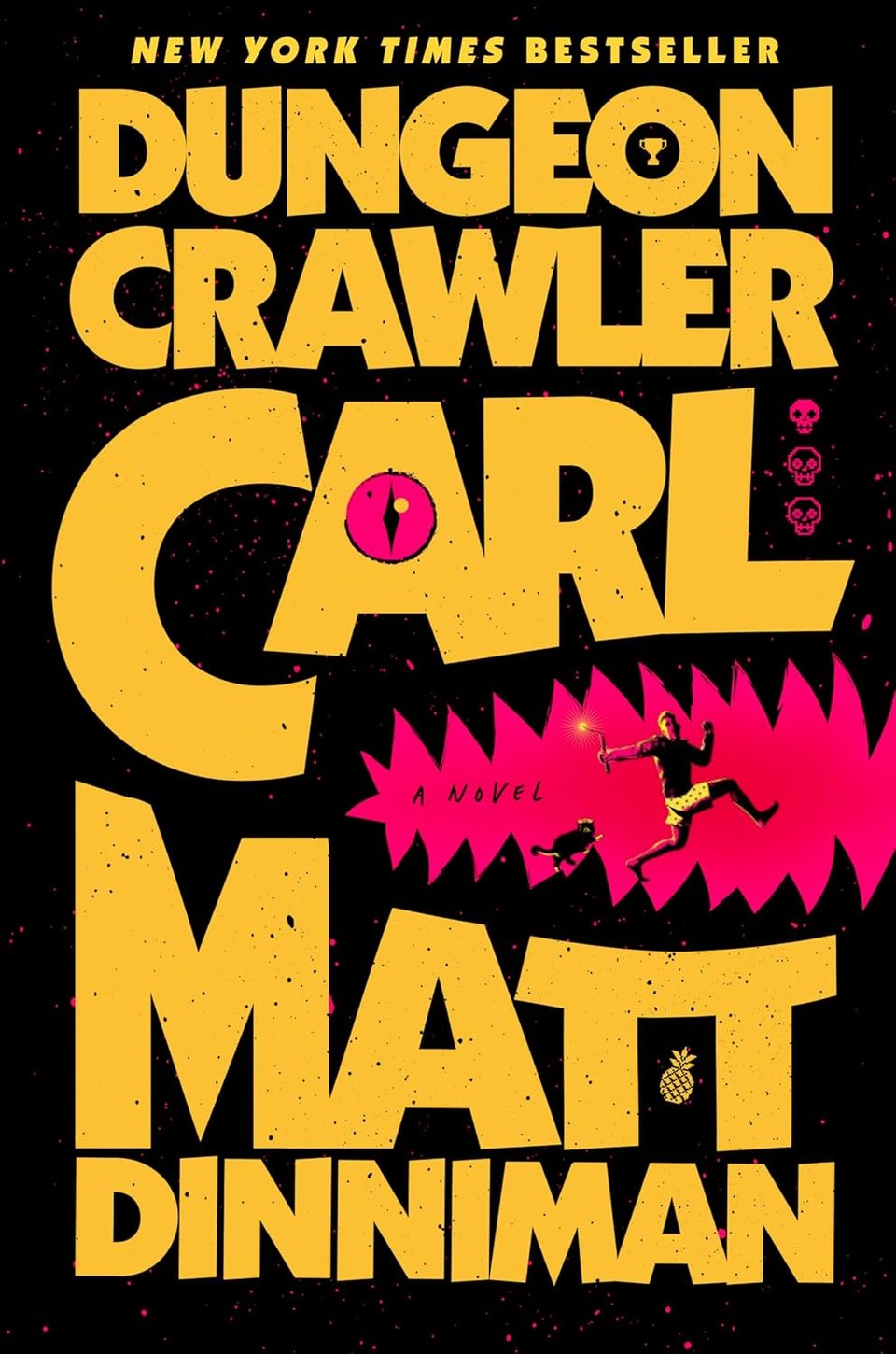
For those that aren’t in the know, Dungeon Crawler Carl is a series of science-fantasy books about a guy and a cat who get dragged into an alien game show that operates a lot like an MMORPG video game. I’ve been calling it “Running Man meets World of Warcraft” when I talk about it to others, and I stand by that assessment.
A couple of our friends have been raving about this series (particularly the audiobooks) for a year or so, and the rest of my family slowly got into it. I tried one of the audiobooks myself, and didn’t care for it. Because I’m known for analysing media, I deduced the reason for this was because I’m a game designer and I was trying to reverse-engineer what the game actually is in the book. (I based this on my experience reading the Yu-Gi-Oh manga, although I enjoyed that partially because I knew the creator was actually a game designer, and would occasionally talk about game design in the early chapters.) And the game in Dungeon Crawler Carl doesn’t make a lick of sense.
But recently there have been announcements for DCC games, a DCC TV series, and other DCC tie-in stuff. This property is exploding. After a couple more folks talked glowingly about it, while not hard-selling me on the series (the surest way to turn me off), I decided to give it another go, but this time in hardback.
It turns out my early assessment was wrong in two ways. First, so many people praised the audiobook version that I never considered that I just wasn’t clicking with that medium. The narrator is fine, but when someone is just reading out game mechanics (no matter how entertainingly), I end up glazing over, and the early part of the first book is, naturally, a lot of explaining how the game works.
The second was that I finally realised that the game doesn’t make sense on purpose. That’s where I came to my Running Man analogy, because it’s a rigged game show. The game is overcomplicated and hard to parse to make it easier for the showrunners to cheat. Add into that a later reveal that there are multiple factions all trying to push the game in different directions, and the story suddenly clicked for me.
Plus, it’s a rare (to me) litRPG/isekai story that is more science-fiction than fantasy. Granted, the game is set in a fantasy world, but the story is much more science fiction, and the push and pull between the two genres is interesting to me.
Is it perfect? Absolutely not. Knowing the game is rigged means that the occasional digression into nonsense game mechanics can drag a bit (even if Matt Dinniman does make reasonable efforts to make such sections entertaining). The first couple of books skew to comedy, but by book three the dramatic elements have taken centre stage, so you occasionally have Very Serious Moments™ that feature a talking cat and a man with no pants or shoes. And, as a writer myself, I can almost see Dinniman learning his craft in real time, as his writing by the third book is better than the first two.
But honestly, the books are just fun. It’s that strange balance of foul-mouthed blue collar humour and space opera that scratches the Red Dwarf itch. For all of its faults, it absolutely swings for the bleachers on a regular basis, and it works a lot more often than it doesn’t. I’ve had more conversations about these books with my family than I’ve had about most other media this year.
I look forward to catching up so I can get the eighth book that just released!
But before I do that, I need to get back to work. See you next month!