
My (lack of a) Note-Taking System
Discussing my chaotic note-taking methods, Kathy Rain 2, and a load of updates on my latest projects.
I have what some might call “a complicated relationship with” taking notes for projects. But really, it’s more of a constantly-evolving process of taking notes, which sometimes leads to problems but also leads to interesting discoveries.
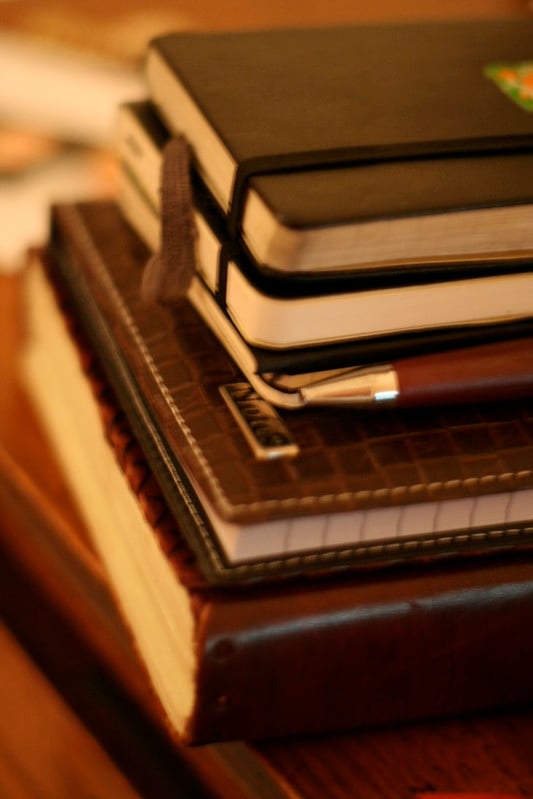
It started a couple of decades ago. I remember the moment vividly: I was suddenly possessed with an idea while ordering something at a restaurant, and tried to borrow a pen or pencil to jot it down on a takeout menu. This was before smartphones made taking notes easier, so my wife got me a pocket-sized moleskine journal, and I burned through it and several others.
One of the things I’ve noticed about hand-writing notes is that I retain information from meetings better if I write them down. I often never read the notes again, but the simple act of writing helps me retain the information better than typing into a computer. However, it’s much harder to organise my thoughts in a hand-written form.
Over the years, I’ve bounced around between typing and writing my notes. After using Evernote for a while (way back when it was actually good), I now have a number of OneNote notebooks that stretch back over a decade. I also have a stack of old notebooks full of things I’ll likely never need again. There are also random Word and Notepad documents shoved into equally random Dropbox folders that are all collected under the name “Projects,” my one concession to organisation. I have some notes crammed in Google Keep, others in Google Drive, and even a few as things I’ve emailed to myself.
Trying to find something I took notes on years ago is all but impossible. But here’s the thing: I’ve always seen notes as ephemeral, so having a cohesive system ultimately doesn’t matter. The actual method is secondary to what it does for me.
Let me give you a couple of examples of projects I’m working on right now. For non-disclosure reasons I’ll be vague, but I shouldn’t have to get into detail to explain.
The first is a personal project. It’s been nearly a decade since I’ve built an RPG from the ground up, so I’ve been slowly working on one since late last year. Right now I’m in the stage of idle brainstorming and low-key research. I’ve been using a reclaimed notebook for that, because it does what I need it to: it’s something I can grab as a thought comes. I jot it down, close the notebook, and that’s that. Once in a while I’ll review my notes and find conflicting or redundant thoughts, or ideas that click together in ways I hadn’t anticipated. If I had organised these thoughts, I wouldn’t see these connections. It only works as a soup of random ingredients. It could also be a digital document, but because it’s so easy to organise digitally I would want to move notes around, and potentially lose those creative connections.
The second is a script for a client. They have a specific topic they’d like me to talk about, and a few ideas of how I can go about that, but it’s an area I don’t know a lot about personally, so I’ve been doing active research. I’m doing that in a OneNote document where the topmost bullet point layer is the source I’m referencing, and then a lot of bullets underneath it (some copy-pasted, some transcribed) of relevant points. Right now it’s a massive, sprawling thing, but in this case the ease of organisation is a feature, not a bug, because I can note areas where my research builds on itself and more easily see common threads through the research.
Here’s where my chaotic “system” yields unexpected benefits, though. In that OneNote notebook, I found a stray reference to a system idea I had in 2021 that might work well with the first project. I had completely forgotten about it, and in fact, when I saw the title, I had no idea what it was on about. Even in my so-called “organised” chunk of notetaking, I found an unexpected connection.
Am I suggesting this total lack of a system is a good idea for other creatives? Absolutely not. As a professional, I always try to err on the side of structure over chaos, because you don’t want to forget things like invoices and deadlines. But I also can’t argue against the genuine creative chemistry that comes from having some parts of your life a little cluttered.
My News
It’s a Patreon-exclusive release, but I did a bit of work on Chris Spivey’s Dead City Blues. Chris works hard to make sure there’s always regular content for his patrons, even beyond putting up with me babbling at him about movies and TV for a couple hours once a month.
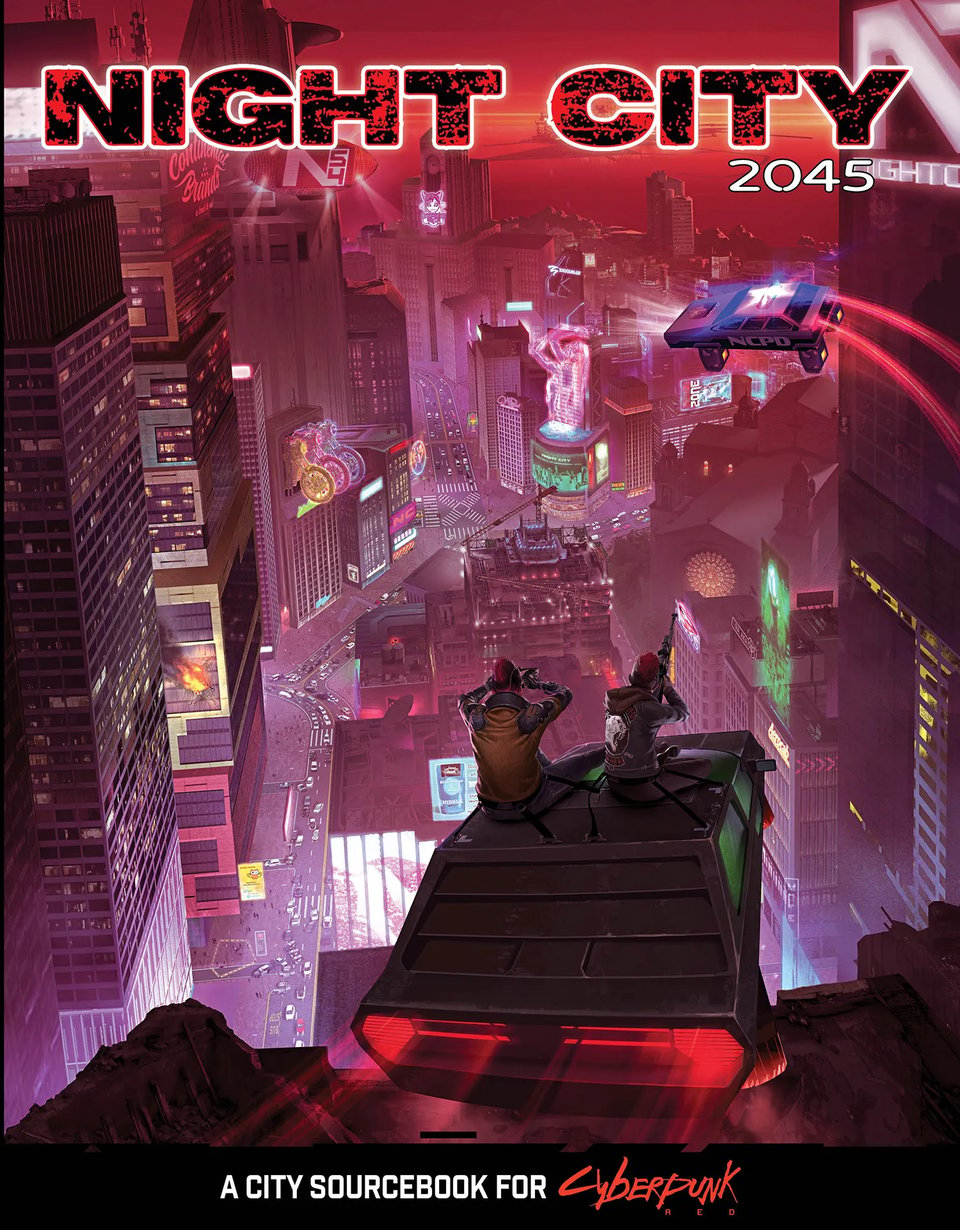
R. Talsorian Games is talking up the upcoming release of Night City 2045 with some regular dev blogs. Here’s blog 1 (where they announce what I worked on), along with blog 2 and blog 3. Plus a cover reveal!
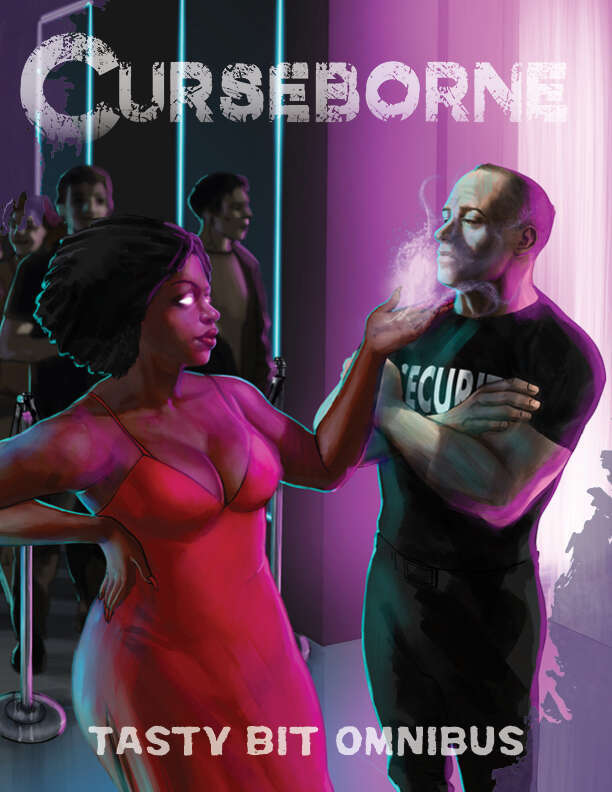
I’ve written and helped develop a number of “Tasty Bits” (small PDF releases) for Curseborne, and now they’ve all been compiled into the Curseborne Tasty Bit Omnibus. I particularly enjoy the Master Cat and the Quisivore.
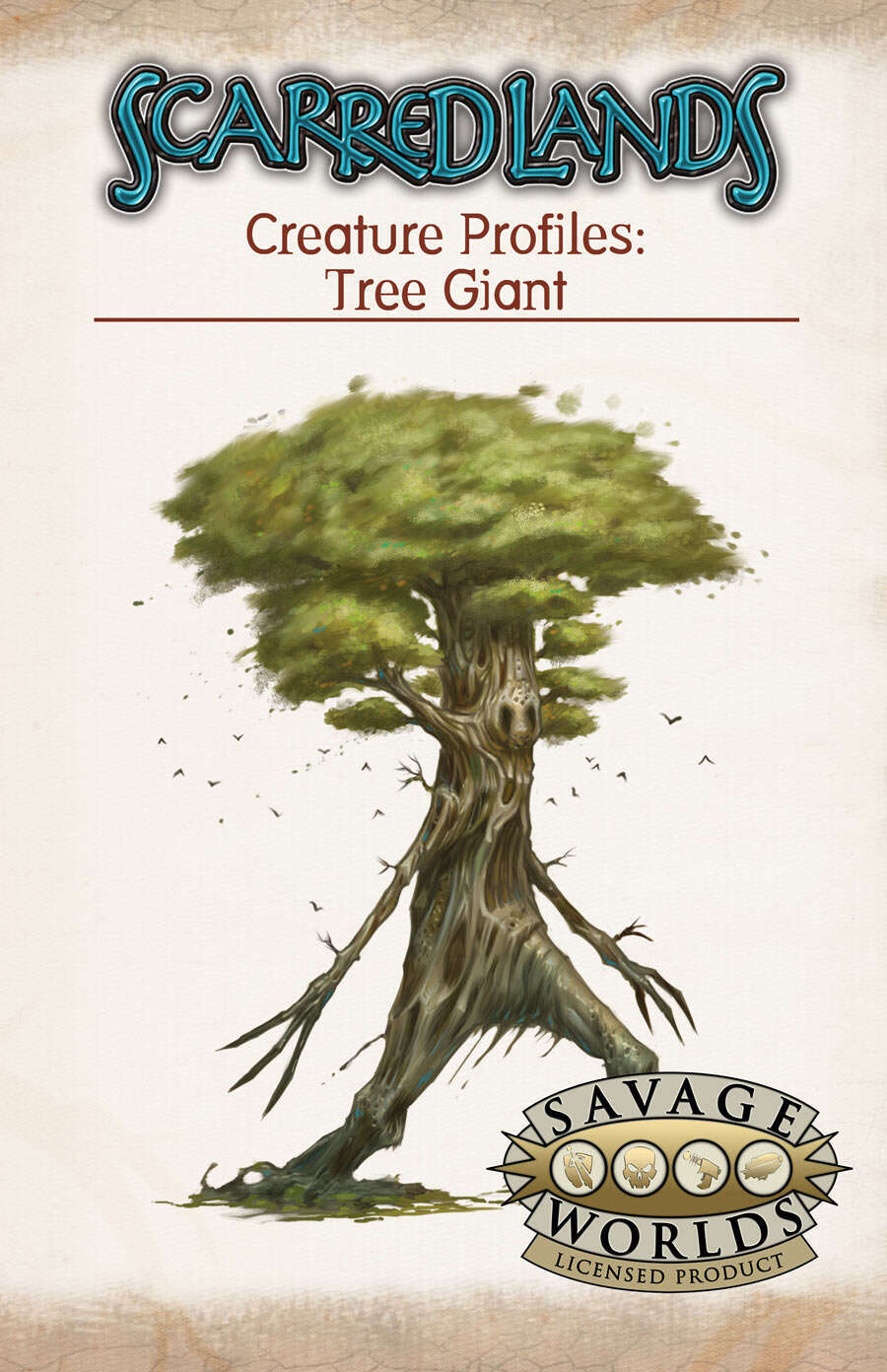
The latest of my Scarred Lands Creature Profiles is also up. This month, it’s the Tree Giant!
Finally, we’re getting close to fifty episodes of the Red Moon Roleplaying campaign of Masks of Nyarlethotep!
My Media
One thing I’ve been meaning to do for a while now is go through all my old newsletters and note what I talked about in the “My Media” sections so I don’t repeat myself. (Side note: I’ve talked about 2000 AD three times now. Whoops.) In doing so, I noticed that way back in November 2021, I played Kathy Rain and I haven’t talked about Kathy Rain 2: Soothsayer yet.
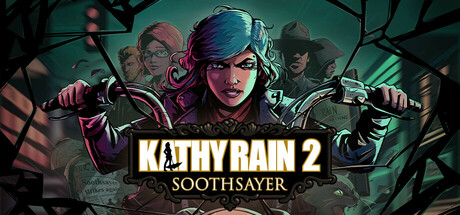
To recap, Kathy Rain is kind of a Gabriel Knight spiritual sequel: an old-school point-and-click mystery game set in the 1990s featuring a motorcycle-riding outsider detective who gets wrapped up in supernatural weirdness and horror. Unlike the Gabriel Knight series, however, where the games are generally stand-alone (and also done in massively different styles), Kathy Rain 2 is a direct sequel. It’s so much of a sequel, in fact, that it actually plays a “previously on” style recap at the start to remind you of relevant plot points.
Let me start by saying holy shit more games should do that. It had been five years since I played the first game, and part of the reason I sat on playing the sequel was because I wasn’t in the mood to replay the first one. I took a chance that I would probably remember important bits, but when I saw the recap, I immediately remembered why I loved the first game. It’s so respectful of your time.
It’s a few years after the events of the first game, and the characters have evolved a bit. Kathy is working alone now and back to being a bit of a hardass (for reasons I won’t get into, as they’re spoilers). Soon, however, things kick into gear and the game has all of the travelling between locations and clicking on things you could ever want.
Because it so explicitly builds on the first game, the creative team get right into the meat of the character arc, so there’s a lot of emotional heft for such a short experience (I finished it in six and a half hours, according to Steam). One could argue the two comprise one longer game in two chunks, but to me it feels more like a novel series, another nod to its Gabriel Knight inspiration.
This is becoming my favourite point-and-click mystery series since the Blackwell series wrapped up years ago. I highly recommend it.
Okay, I’ve got loads to do—I’ve been writing this while eating my breakfast just so I can stay on top of things—so time to get back to work. See you next time!