Moriarty The Imposter
Talking about the imposter syndrome that haunts every creative professional, as well as my latest news and some chat about the "Moriarty the Patriot" manga!
I often tell my freelance colleagues, “imposter syndrome is a hell of a drug.”
…okay, maybe I should unpack that a bit.
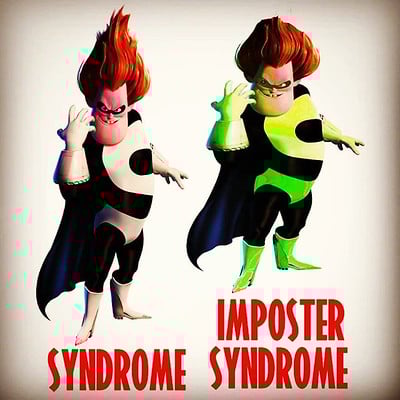
For those that don’t know, imposter syndrome is the feeling that you’re a professional fraud. Whatever success you’ve gained, whatever accomplishments you’ve made, they’re all just mistakes, and at some point someone will find out and…well, it’s a bit vague at the point. Make you stop being a professional? I dunno. It’s irrational.
And it’s everywhere amongst creatives. I can’t think of any creative professional off the top of my head who doesn’t at some point think “I’m not really all that good, am I?” That lack of self-confidence can happen in just about any workplace, but it happens frequently among professional creatives. Why? If I had to guess, it’s because creativity is about putting some part of yourself out there, and we always care what people think of us.
One of my (many) side projects is mentoring for Arts Emergency. It’s a great programme, and of course I’ve gone through a lot of anxiety worrying that I won’t be good enough as a mentor, or that I’ll somehow get caught out as not really being a professional, or whatever. Luckily at AE I get a support person who helps talk me off the occasional ledge, and so far it’s going really great. And one thing that came up is that every mentor goes through this the first time. Every mentor.
Last year I read Doctor Who: The Writer’s Tale which was a lot of behind-the-scenes discussions of the 2005 relaunch of Doctor Who, and it’s 700 pages of Russel T. Davies’ imposter syndrome.
Sometimes I get to chatting with other artists. One of them was complaining that they’re worried they’ll be found out to not have a great exhibit. I asked where their exhibit was. and it was the Tate Modern. You know, this Tate Modern.
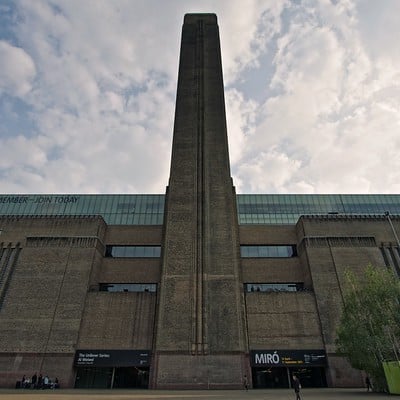
When I say imposter syndrome is everywhere, I mean it.
But there’s a part we don’t talk about. An unspoken alternative: what if you actually do think you’re amazing and brilliant? In my experience, there’s a bit of suspicion around the concept. An inherent fear of buying your own press. That you’re actually a bad artist but don’t know it, instead of being a good artist and not knowing it.
(It’s tempting to put a jab at AI “artists” here, but I’ll refrain. I’m sure you can put one in yourself, anyway.)
This is why I say “imposter syndrome is a hell of a drug.” Because, aside from artists being some of the most anxious people I know, we’re also fantastic at talking each other up. We’re our own support group for imposter syndrome. Those same people who think they suck will be the first to gush over something someone else has made. I’ve had more than a few pointed conversation that boiled down to “shut the fuck up you’re amazing and I will not be leaving until you accept that.” We know it’s prominent, and most of us do what we can to make sure our friends don’t suffer from it.
But not ourselves. We can never give up on our own imposter syndrome. Because, secretly, I think most of us need to keep a bit of it. We always need to have a little self doubt, a feeling we could improve, a suspicion that we’re not quite good enough, not now, not yet. We can never quite kick the imposter syndrome habit. And so the cycle continues.
Is there a solution? I can’t think of one, and I’m not entirely sure there needs to be one. I think it’s good to want to always improve, but it shouldn’t be at the expense of your self-worth. There’s a difference between “I’m not good enough” and “I’ll never be good enough.” As long as artists can stick with the first one and avoid the second one, then it’s okay if there are a lot of imposters floating around.
News
Lots to talk about this month!
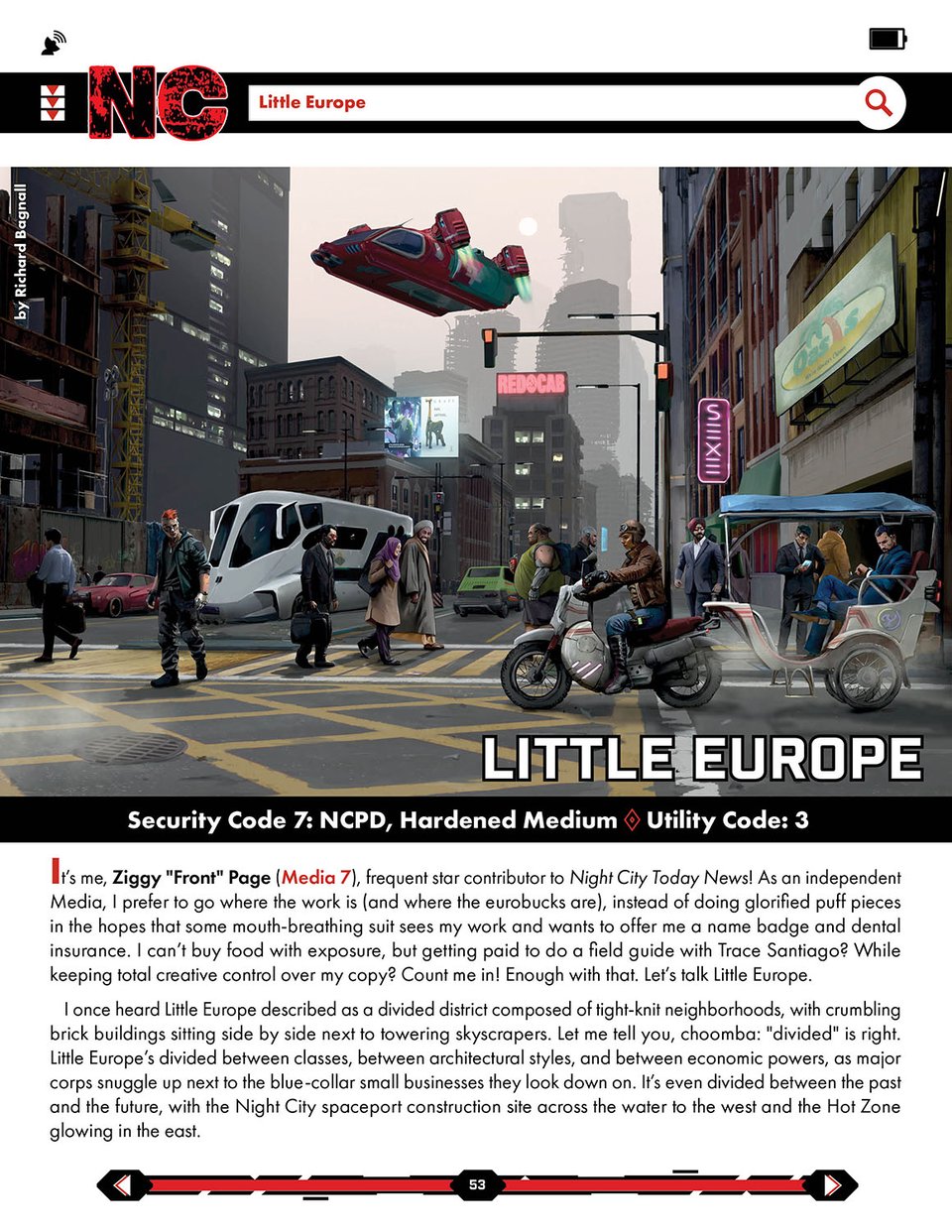
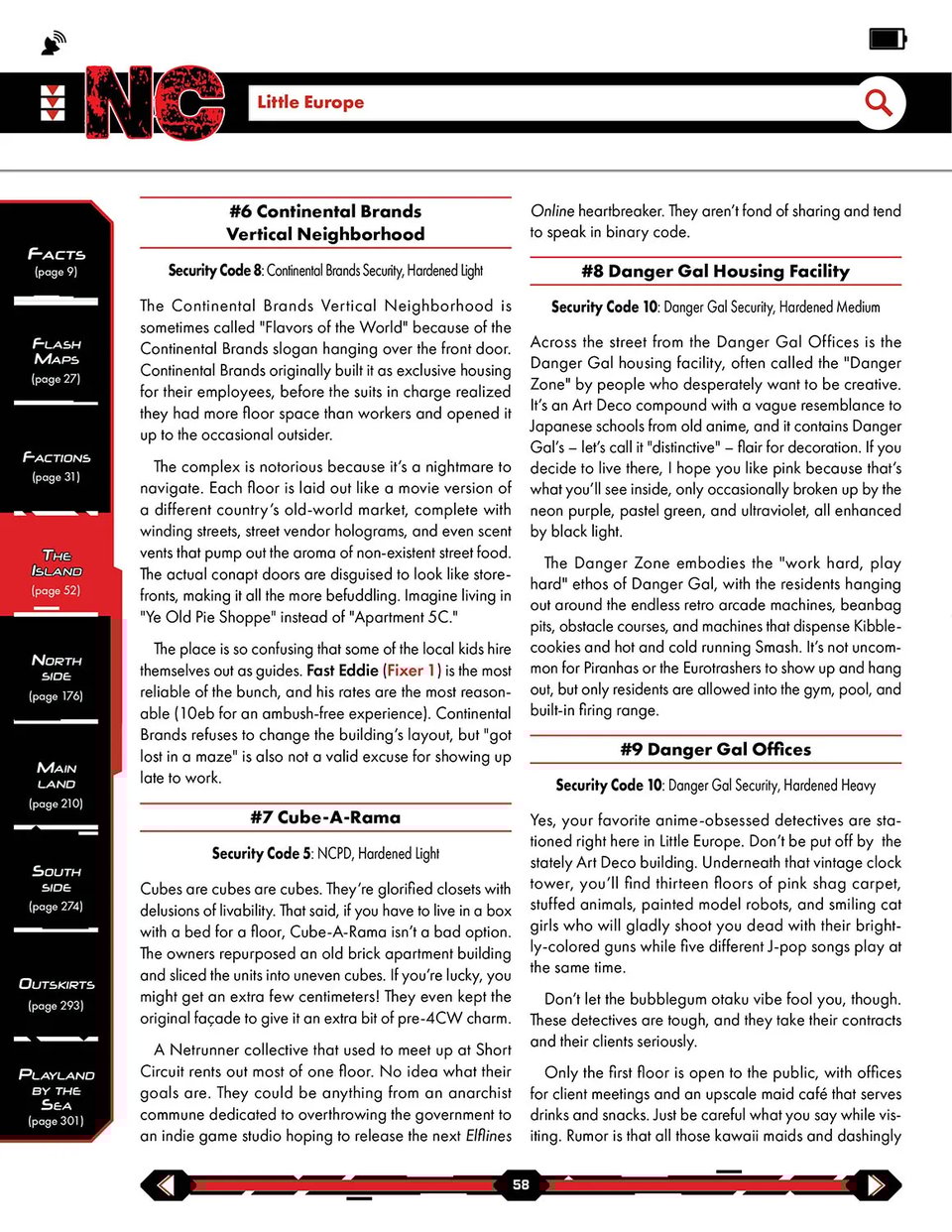
First, R. Talsorian are doing more dev blogs about the upcoming Night City 2045 book. In particular, they showed off a bit about the Little Europe neighbourhood, which is the one I wrote!
Next, we’ve passed fifty episodes on the Red Moon Roleplaying actual play of Masks of Nyarlethotep, and my character is (somehow) still alive!
Speaking of Night City 2045, one of my co-authors has been reading my book Watson is Not an Idiot on their YouTube channel. Check it out!
Finally, there’s a big sale on Scion Second Edition, which I’ve contributed some writing and development work to. There might be something else for Pugmire fans soon, too… Stay tuned!
My Media
It’s tempting to talk about how I bought Battle Suit Aces on a lark and dropped ten hours into it almost immediately, but instead I want to talk about manga. This will be the first time I have (intentionally) revisited something in this newsletter, but last time I talked about this series I only skimmed the surface, and also there have been five years’ worth of volumes put out since then, so it’s time to talk some more about Moriarty the Patriot.
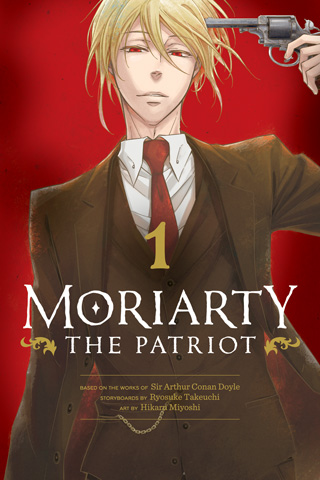
Written by Ryosuke Takeuchi, with art by Hikaru Miyoshi, the premise is, on the surface, pretty simple: A retelling of the original Sherlock Holmes stories from the perspective of James Moriarty. Except this is far, far cleverer than that.
First, Takeuchi and Miyoshi know the original canon. For example, due to Conan Doyle’s quirk of reusing names and caring less and less about continuity after time goes on, it turns out James Moriarty has two brothers (one older, one younger) who are also called James. This fact is the butt of some fantastic jokes in another “Holmes canon from Moriarty’s perspective” book, Moriarty: The Hound of the D'Urbervilles, but in the manga “James” becomes the middle name, so we’re following Professor William James Moriarty and his brothers Albert James Moriarty and Louis James Moriarty. It’s a cool way to take a quirk of the canon and make new material around it.
Second, having established they know the core material, the two creators are fine with bending and twisting the canon into their own shape. Sherlock Holmes is a Cockney, balancing out the more posh Dr John Watson. Irene Adler shows up at about the time she should in the canon, but what’s actually going on in “The Scandal in Bohemia” takes some different turns than you’d expect. There’s also a staggering amount of wink-wink, nudge-nudge James Bond references that work way better than they should for a story that’s set sixty years before Ian Fleming’s canon.
But the biggest thing is that William James Moriarty starts off as the good guy. He’s an orphan, but gets taken in by the Moriarty family as an act of charity. And soon he gets treated like shit, because the nobility always treat commoners like shit in this world. So he burns the house down with the help of the eldest son and steals the family’s identity. It’s all about overthrowing the nobility, you see, by any means necessary.
When I first mentioned it in this newsletter, I had only read the first few volumes, which more or less follow the same plot thread: Moriarty gets hired by a commoner, and he finds some clever way to kill them or overthrow them. Eventually Holmes gets introduced, and from there we start working our way through a speedrun of the key Holmes stories.
Now I own the first sixteen volumes (due to a key eBay auction and some strategic used book shopping), and it’s gotten even more interesting. As Moriarty uses the power of the nobility to overthrow said nobility, he starts getting trapped in society’s structure. The supporting cast grows, and they bring with them their own opinions on the core mission, and the relationship between Moriarty and Holmes gets ever more complicated. Without spoiling too much, there’s a long arc involving both of them dealing with Charles Augustus Milverton, which is just about the best villain to use from the canon at this point.
Is it faithful to the original stories? Absolutely not, and it’s all the better for it because it’s an informed deviation from the stories, rather than just slapping a deerstalker on a generic detective and calling them Sherlock Holmes. This is thoughtful, without losing a distinctly Japanese take on Victorian England. I’m told the 19th volume ends at Reichenbach Falls, and vol 20 starts “part two” of the run, which takes place after a three year time jump, so there’s still a lot of Moriarty the Patriot to come. And I look forward to all of it.
What I’m not looking forward to is doing my UK taxes, but I should get back to that. See you next time!