Celebrating Comic Anthologies
Exploring the resurgence of comic anthologies, as well as the latest Pugsteady news, and a look at the Troika! RPG.
I love anthologies, for a lot of reasons. I appreciate the craft of telling a compelling story in a smaller space, I like the implicit permission of skipping a story that isn’t for me because there’s another one right after it, and I love exploring different styles and ideas and how they sit together within the book and in my head. If someone dangles an anthology in front of me with a strong premise, I’ll likely swat at it like a cat attacking a string (or, perhaps more sensibly, just buy it).
I also like comic books, and aside from 2000AD (a comic that’s on track to being the longest subscription I’ve ever had), I didn’t feel like there were many others in the world. But last month I ended going down a rabbit hole, and was surprised to find they’re making a bit of a comeback.
A quick bit of comic history: Around 80 years ago, most comics were anthologies. A typical American comic would be around 60-80 pages and crammed full of 8-page stories featuring a variety of characters. Many would have a general theme like “mystery” or “action” or whatnot, but anthologies were the norm.
Then, once superhero comics became huge, they started taking up more and more of the available space. Comics would start to focus on a single character, and occasionally stories would expand to two or three parts. This is why, if you read older Marvel or DC comics, they’ll sometimes be in three “chapters” of eight pages each (and why American comics for a long time were 24 pages of comic material). Eventually the conceit was dropped.
But other countries never really got rid of the concept. Longer stories, instead of each part expanding to take over an issue, would instead show up in subsequent issues. Manga magazines in Japan still have this model, for example. British comics had this model through the 80s, but with an influx of American comics, it’s since fallen in and out of fashion, with only 2000AD (nearing its 50th birthday) being one of the few consistent exceptions.
Which got me thinking: How many English-language comic anthologies have published more than one issue in the past year? Here’s what I’ve come up with.
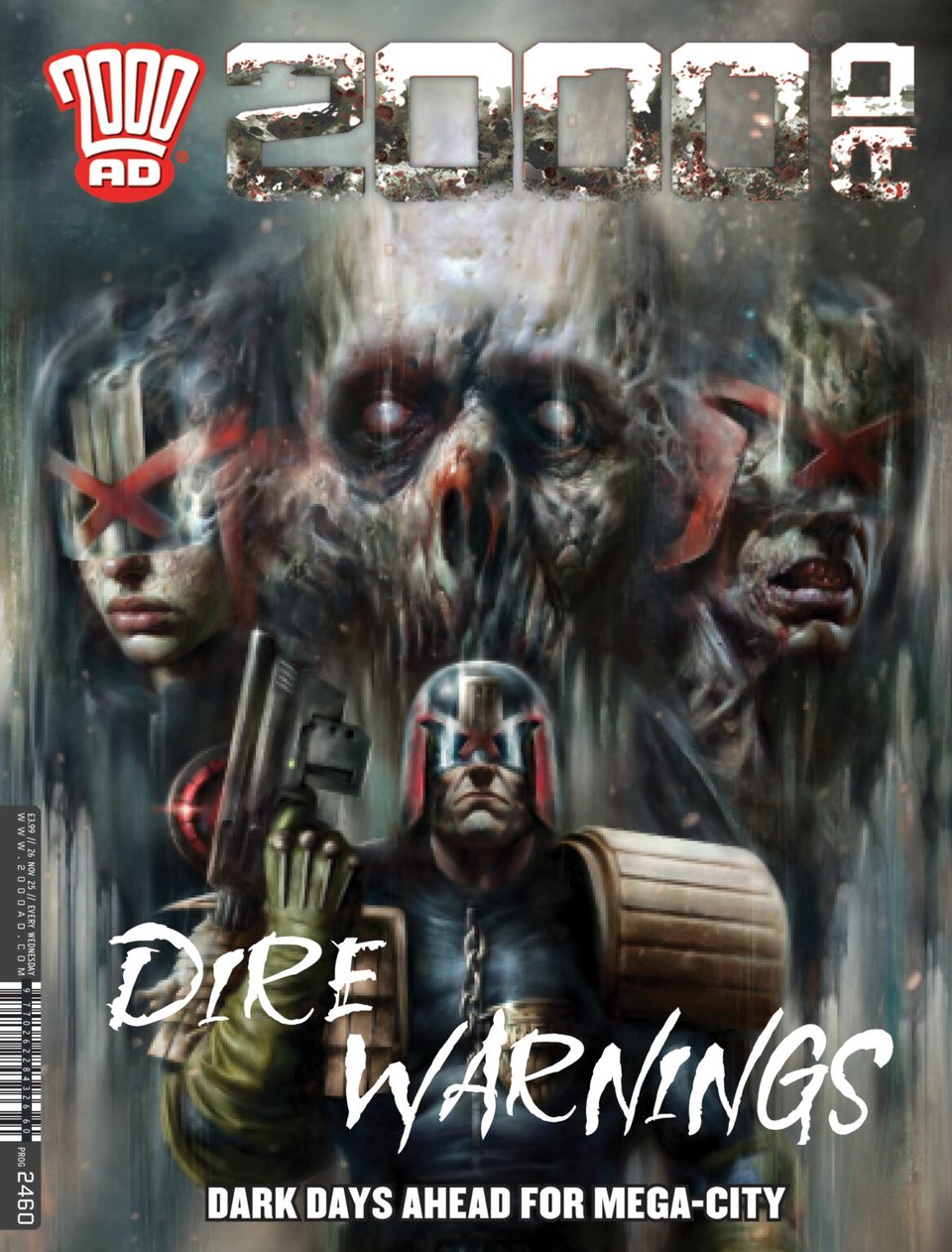
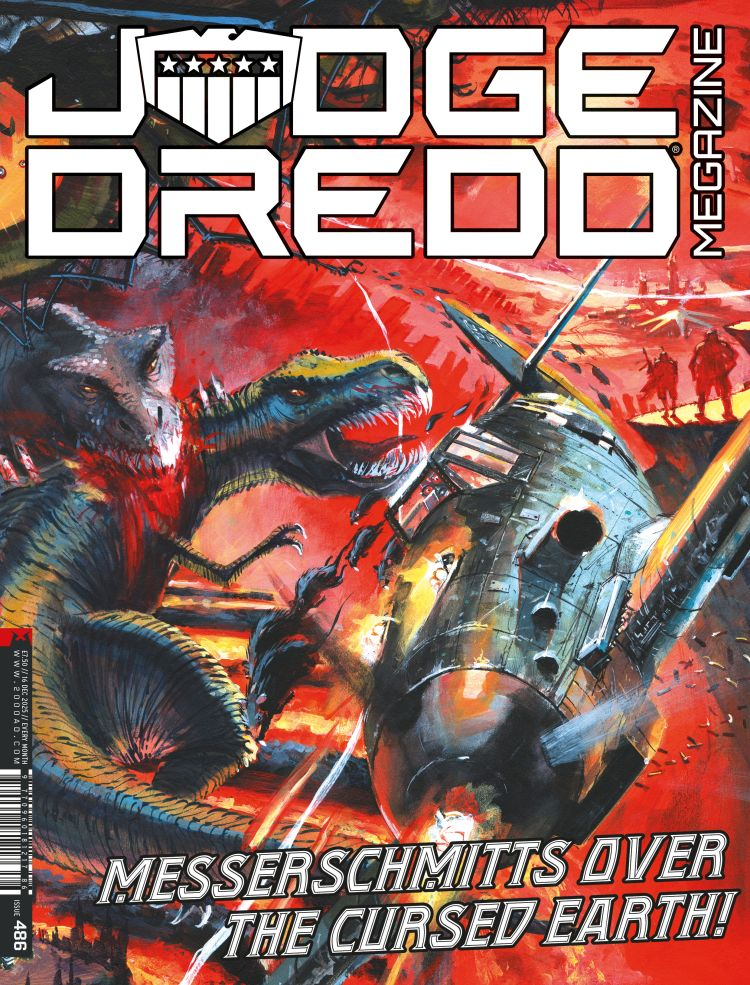
2000AD + Judge Dredd Megazine: 2000AD is probably best known for its fascist lawman, Judge Dredd, but that is just one of the comic’s many science-fiction stories. Over time the comic has evolved away from its purely sci-fi conceit to embrace fantasy and horror stories as well, but even if I don’t like every story it runs, I always find something to love every issue (and the fact it comes out weekly helps). The monthly Judge Dredd Megazine, despite the name, isn’t exclusively a Judge Dredd comic anymore, and thought about half of the stories are set in the larger Judge Dredd “Megaverse,” it’s also had more and more non-Dredd stories over the years.
The Beano: The other big long-running British anthology, this is more of a kid’s magazine, typically having one- or two-page joke strips, puzzles, jokes, and the like. For Americans, it’s a combination of the newspaper Sunday comics section mixed with an activity book. These kids comic anthologies used to be a British staple, and in recent years there’s been a resurgence of them. The Phoenix is really great. Monster Fun sadly wrapped up this year, but LOLZ also started releasing this year.
There are other British comics more in the mold of 2000AD as well. Shift is a nice magazine, although it publishes in 10 monthly issue bursts before taking a break between volumes. Quantum is a one I just discovered thanks to asking about this on Bluesky, and I’m looking forward to catching up with it now they’re offering digital back issues. There’s also The77, which has some spin-off comics such as the previously-mentioned LOLZ as well as Blazer! which is an homage of comics from the 1970s.
Metal Hurlant is almost a microgenre in itself, as it not only led to the English-language Heavy Metal (which has been through its own reboots), but its own, sadly-cancelled English version.
America is stepping up as well. Oni Press has been rebuilding the old school EC Comics brand with Epitaphs from the Abyss, Cruel Universe, Blood Type, Catacomb of Torment, Outlaw Showdown, and probably two more titles since I started that sentence. There’s also Hello Darkness by Boom!, and sister publications Oniric Presents by Oniric (of course) and Diversions by Blue Moon, who sometimes share stories between them.
Honourable mention goes to manga anthology Young Magazine, which launched an English-language edition earlier this month. It’s only one issue (and might be only just that issue?), but it’s also over a thousand pages long.
Most of these publishers are using Kickstarter to come back to life, but others rely on old-fashioned subscriptions. This is a model of comic I’d love to see more of, so I’m trying to subscribe and back them where I can to keep them alive.
News
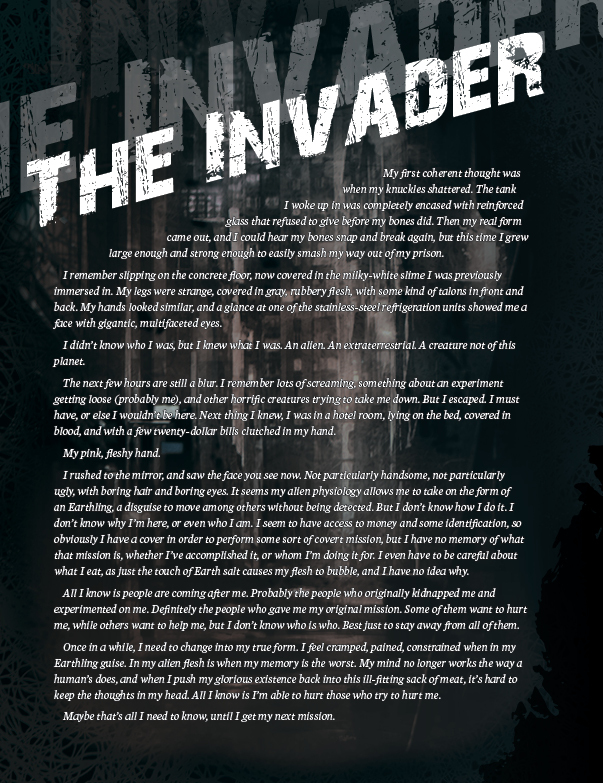
Another of my Tasty Bits for Curseborne released last week. This time it’s “The Invader,” which is a horribly confused person who escaped from torment and came to the logical conclusion they’re a secret space alien instead of a different kind of monster. It’s a fun example of how you can play with the various horror spaces that Curseborne offers.
While I was at Dragonmeet this past Saturday, I got to playtest Il Fantasma del Giallo which is a fascinating horror game. It has some of the energy of They Came from Beyond the Grave, but played straight and with a much darker edge. I’ve signed up for the mailing list, and I can’t wait to see what happens next with it!
Finally, there have been more episodes of our long-running game of Masks of Nyarlathotep.
My Media
Between AdventureX and Dragonmeet this month, I saw so many amazing games I have a backlog for future newsletters, but this time I’ll start with Troika! because I just finished reading it.
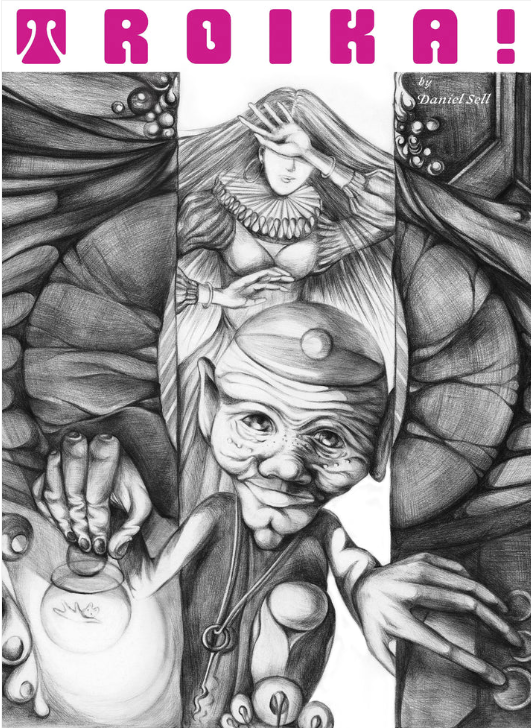
This is a game I’ve been poking at off and on since 2020, when I got it as a PDF in a charity bundle. It always felt like something I should like, but for some reason it never clicked with me.
At Dragonmeet I ended up chatting with some of the folks from the publisher (Melsonian Arts Council), and they pitched the game to me. It is, essentially, a multiversal weird fantasy game built on the design bones of Fighting Fantasy gamebooks. The core game and supplements generally centre around a city called Troika, which is at the nexus of many different realities, while all of the third-party supplements (Troika! has an open license) are different dimensions that occasionally intersect with the city.
As someone who grew up on the Lone Wolf gamebooks and has a good appreciation of Moorcockian fantasy, this really does seem right up my street. It is very much a game that doesn’t spell out its setting, but rather implies it through its monsters, spells, and item descriptions, which is a design space I’ve played with, but never to this extreme.
They also have a fascinating publishing model: a subscription. You can, of course, buy individual books as you like (and as they are available), but you can also subscribe to get random books sent to you every month or two, with exclusive covers. They’re cheaper than getting them individually, but you also don’t get to choose what game you get. They’re also exploring ways to do crowdfunding without using any of the well-known platforms.
It’s a fascinating game and a fascinating company that’s trying new things, so I’ll definitely be keeping an eye on them.
That’s it for this month. Have a great holiday season, and I’ll see you in January!