Programme as Research Vol. 1
Programme as Research is a newsletter from Programme, the design practice of Connor Davenport. Focusing on type, design, and software. I don't want this to ever be a marketing newsletter, instead it will be a way to document the research, interesting pieces, and random sketches, that influences my work. Social media has lost its personal connection, this is my attempt to reach out and share my ideas with the people actually interested in them.
This will always be an ever-evolving programme that changes formats, always following the idea that a programme is "a set of related measures or activities with a particular long-term aim."
In this first volume, I will cover a few things that are on the top of my mind.
Chinese Cigarette Packaging

I found myself doom-scolling on instagram one day, the same reason I am writing this newsletter, and came across an interesting "trend" of "Chinamaxxing", an idea where in which one "adopt norms and traditions typically associated with Chinese culture". Among these trends there was one piece of design that stood out immediately, aside from the perfomative act of smoking rare Chinese cigarettes, I was drawn to the unique cigarette packaging themselves. There was this one post, specifically showing the beautiful design of these boxes.

After a deep dive, 105 pages to be specific, on a foreign cigarette dealer website, I compiled a handful of some of my favorite pieces, seen above.
What I find so interesting about these designs is their extremely personal design lanugage. Granted, most of the 105 pages were red boxes with some text and a flower — there were a plethora of designs that felt like a poster or a collectable trading card with its holographic printing.
Smoking is bad, but man, these do make you want to smoke one.
I could write an entire post on the history of the tobacco industry within China and the CCP’s management, but I will save that for another time.

Vitsœ 606
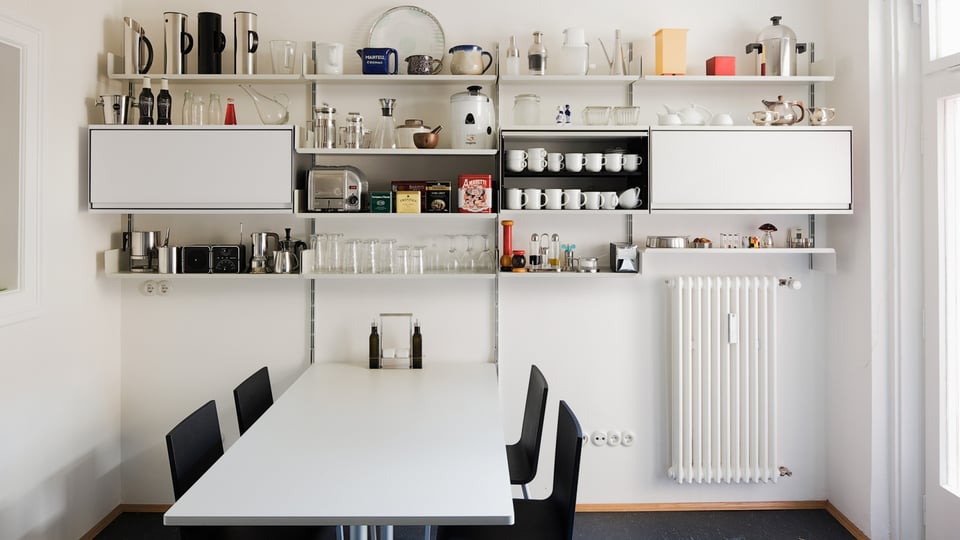
There isn't a piece of design that has capitvated me more than the 606 Universal Shelving System. When I first came across it about 10 years ago, I was a broke recent graduate who dismissed it as an overpriced shelf. Sure, it is a very expensive shelf but I have also come to appreciate everything about the [programme].
I could go on a long rant about the incredible body of work of Dieter Rams or his design ethos, but I will keep this soley about the shelves, for your sanity. I am writing this as I sit at a 606 desk, where I also sit for a majority of my waking day — while I write code and draw letters.
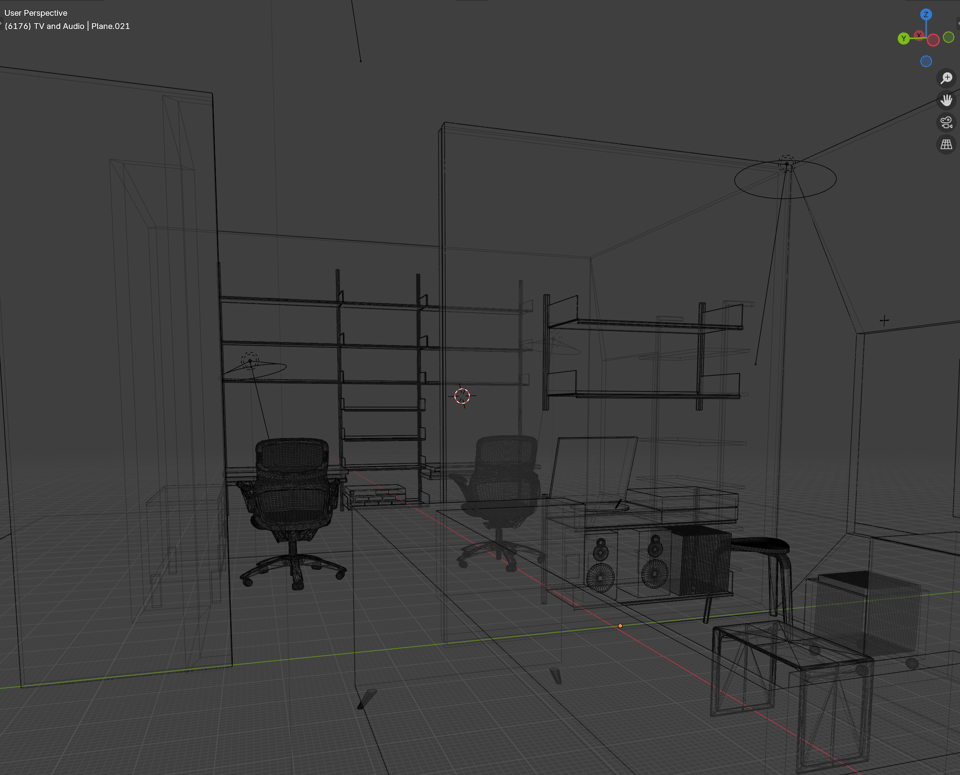
Vitsœ opperates under a capitalist system, is a capitalst company, and profits from the labor of their manufactering team. Dieter designed the [programme] 66 years ago and still profits from the design. This is not surprising at all, licensing a design for production is how manufacturing works. But — what I find so fascinating with the 606 — and Vitsœ's products as a whole — is that they are still able to embody an anti-consumerist ethos and business model. Vitsœ only produces the amount of product they need, rejecting trends, focusing on building a product that will last a lifetime, resulting in a supply chain with a lower overall footprint. In a culture of "dupes", the 606 is an investment that will never go out of style or fail because you put your copy of Typefoundries in the Netherlands on it.
The only thing more addiciting that the Chinese cigarettes is buying books, therefor the 606 is a neccessity for me.
Ubiquiti Hardware
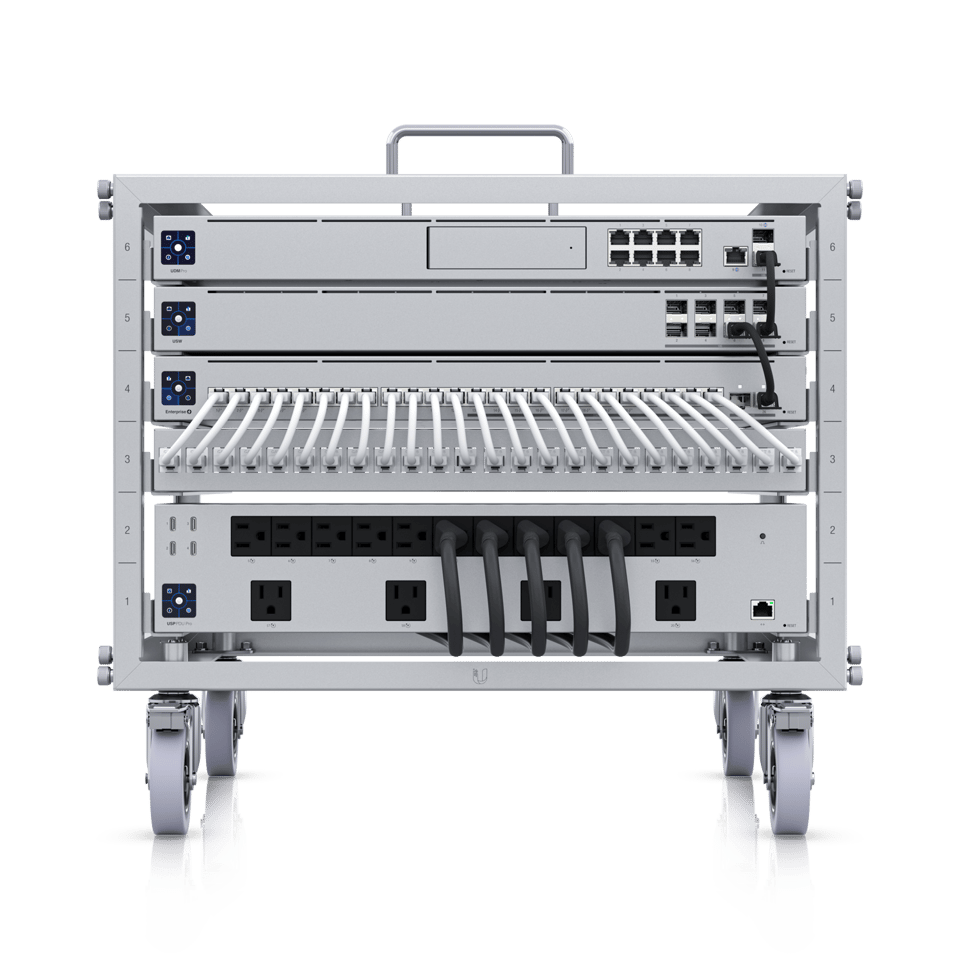
I find that this programme of design meets at an interesting crossroads. Ubiquiti, a networking company, makes some of the most beautiful networking gear on the market. Maybe my fascination with Dieter Rams is showing in my choice of Network Attached Storage (NAS), but I searched for months for a NAS that checked all the boxes when running a small design practice. I needed something that would support fast read/write, HDD and SSD, advanced networking capabilites, modularity in the system, and last but not least, a beauitful and unobtrusive piece of design.
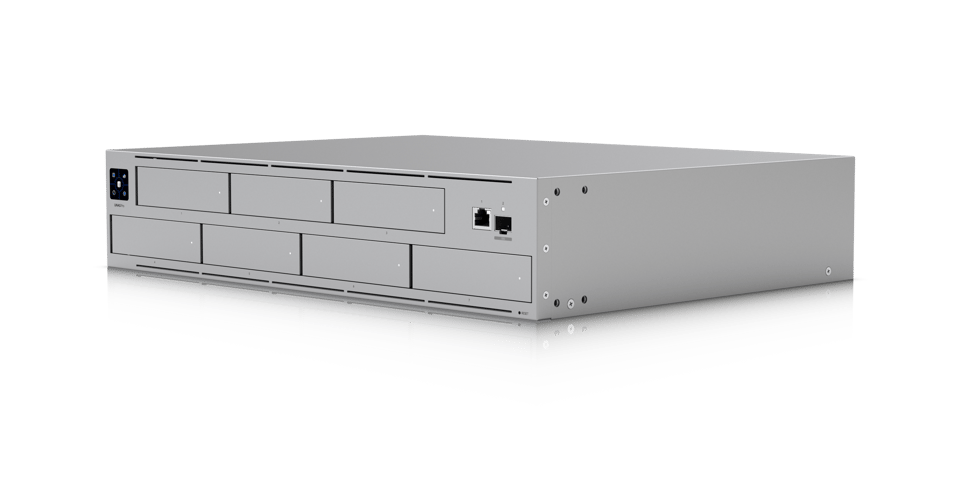
All of the Ubiquiti hardware looks as if Dieter was a sub-contractor on the project. The product is not an eye sore in the office, nor is it so boring that its just a paper weight, they add to the office within the UI programme.
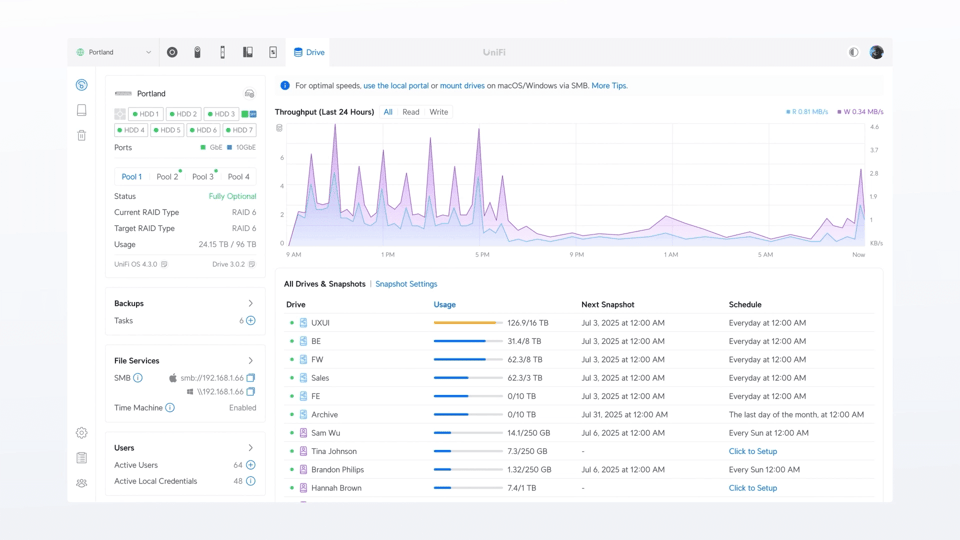
I am not joking when I say that I looked at every NAS available in the US market when I was doing my research and I can confidently say that networking companies do not care about hardware design. Even the software's interface is great, a rarity in the industry when a majority of their competitors essentially have you running a Windows 95 application in your browser.
I have a lot more ideas of things to write about, some of these posts might include longer form writing and some deep dives into programmes that I want to explore.
Some ideas that I want to include in the upcoming volumes: Dwiggins’ covers, pens, Stanley Morison, truck lettering, and Monotype. Don't worry, I will take more about type later on, had to get the ball rolling first.
Thanks for reading Volume 1 of Programme as Research.
Best,
Connor
programme.tools — writing code and drawing letters


