
Monthly Musical Miscellany – July & August 2025

A Quick Reminder on Autumn 2025 Term Dates
I am now officially on my summer break and will resume teaching lessons on Thursday 4 September 2025.
If you anticipate being away at any point during the Autumn term, please let me know as soon as possible. This allows me to offer available slots promptly to my rotation-based students and those on the waiting list.
For existing students
Next week, I will be in touch regarding your weekly lesson slots. For many of you who are continuing, these arrangements will remain the same. However, to accommodate new students and those whose original slots no longer work due to new commitments, I may be asking some of you if you would be willing to move to a different time. Your flexibility would be greatly appreciated!
For new students
Hello and welcome! Once I have a clearer idea of my Autumn schedule, I will contact each of you individually concerning future lessons. With 50 students, I am now completely at capacity, so some students will unfortunately need to be placed on a waiting list. However, I anticipate wait times will be no more than a few months.
Autumn One-Off Lessons
For those in need of a quick, single lesson this month, I am opening up the studio for two specific days:
Thursday 14 August 2025, 9.00am to 7.00pm
Saturday 23 August 2025, 9.00am to 1.00pm
I've already received a handful of bookings but still have room for a few more.
Please email or text me directly to book, or log in to the Portal, navigate to Schedule > Find & Book, and self-book there.
The Most Misunderstood Symbol in Music
Well, it turns out I may have been teaching you all wrong…
This is a fantastic video essay by Ben Laude, which builds a fairly compelling case for why ‘hairpins’ – those symbols we’re told instruct the pianist to get louder or quieter – may mean something else entirely. Or perhaps, multiple things, some of which even contradict each other (as if musical notation wasn't abstract enough already!).
What I find compelling about this approach is how it demonstrates that, historically, musical notation has been treated much less literally than is often drilled into us as beginners. The implications of an accent mark, a ritardando, staccato, slurs, ties, etc., are not definitive. In fact, they depend hugely on the composer, the performer, the historical context, and even the specifics of the piano you’re playing in the room you’re playing it in. It’s an incredibly creative and porous space.
The Silent Pool: British Piano Music by Women Composers
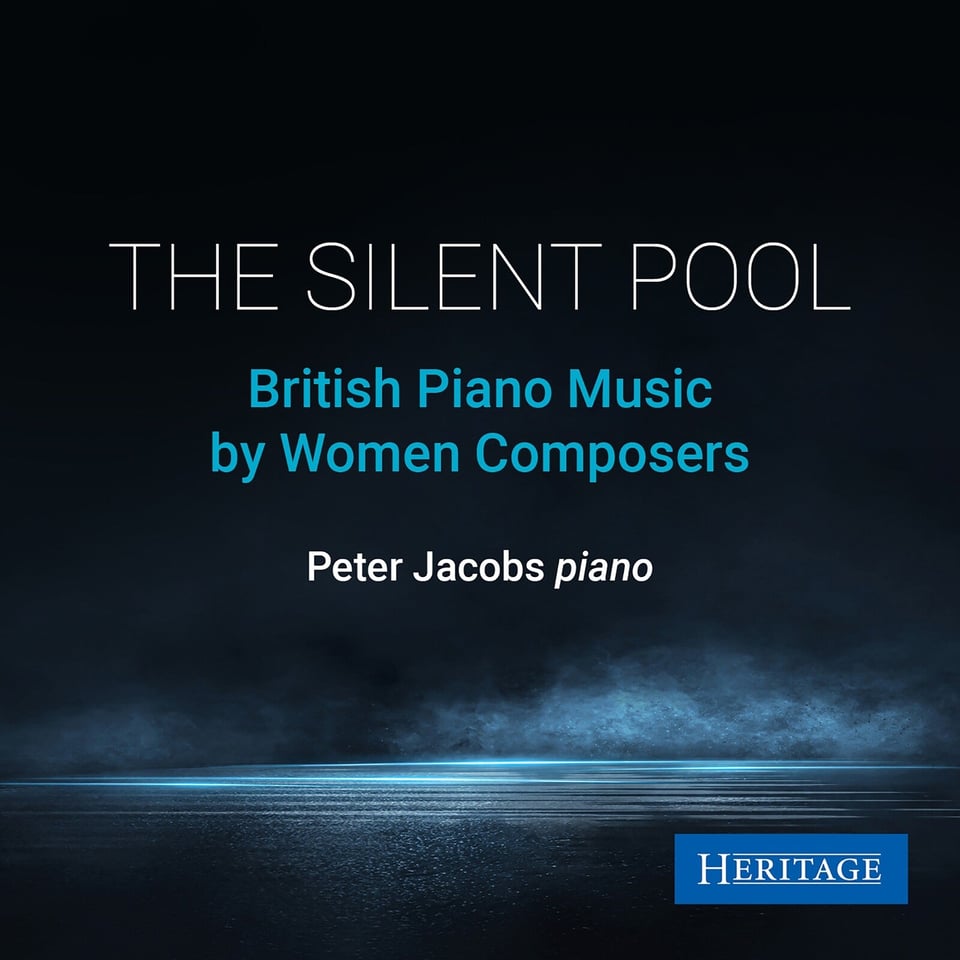
My piano teacher, Peter Jacobs, has released another new record, which you can listen to here:
https://www.prostudiomasters.com/album/page/366731Peter has tirelessly recorded and celebrated the lesser-known repertoire of British composers throughout his career, and this is another fantastic disc. I particularly enjoyed Grace Williams’ ‘The Silent Pool’, which is quite bleak and seems almost to belong to the world of Janacek’s piano music.
Why Do Children Hate Music Lessons?
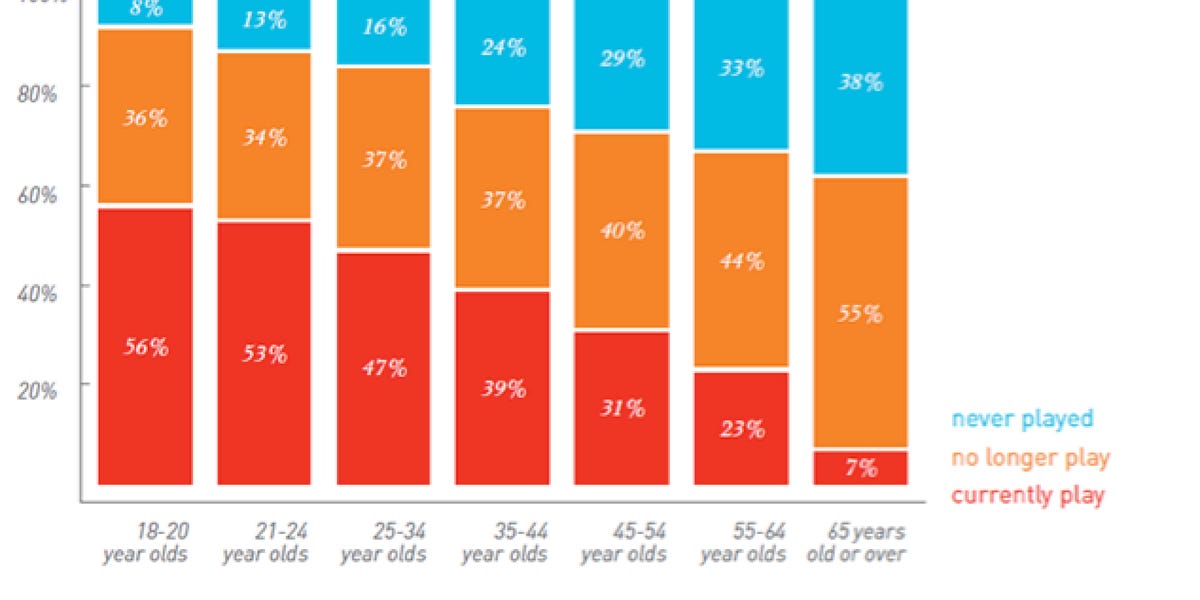
Why Do Children Hate Music Lessons? - by Ted Gioia
I love music, but not how it’s taught
This is a somewhat alarmist, yet always thought-provoking and inspiring blog post by Ted Gioia, which touches upon some very sound points.
If I could, I think I’d also ditch the word ‘lessons’ and maybe even ‘education’ from this whole music teaching deal, which, as Ted points out, brings "the heavy baggage of the entire education bureaucracy, and this makes everything boring and burdensome."
I also think his fourth point is worth quoting in full:
“The endless round of recitals, auditions, and competitions create a perfection-driven culture that diminishes—and often kills—the sheer joy of music-making. Ethnomusicologists have studied many societies where everybody participates joyously in music-making—but that only happens when you don’t have auditions and competitions to weed out poor performers. If the goal is to enhance your inner joy and satisfaction, you would do things very differently.”
However, I don’t share nearly as much of Ted’s dislike for the word ‘practise.’ I like this word as it alludes to an intentional and consistent engagement with an idea or habit. I am also fond of ‘musicking’ (a verb that encompasses all musical activity from composing to performing to listening), which was all the rage in academic circles for a while but never went mainstream. Maybe, as suggested, it should be thought of as plain and simple ‘playing’ or ‘music-making.’ I’ve never solely seen myself as a teacher, but somewhere in between a collaborator, coach, mentor, accompanist, and general co-learner.
Ultimately, I’m with Ted on this: music is a dance, not a baking competition. The systemic structures of our institutional educational systems serve specific socio-political ends that have almost nothing to do with the very real and very human reasons that we make music. One major flaw is that schools often teach us to prefer extrinsic motivation (rewards/accreditation) rather than the intrinsic motivation of taking joy in the thing itself. I don’t see this way of training as very compatible with our musical instincts and capabilities; it is too depersonalised for an experience grounded in our bodies and our emotions, one that even precedes our understanding of language, signs, and symbols (intonation, phrasing, tempo, and rhythm are amongst the first things we develop and recognise, and we learn to sing before we speak). It takes the diffuse, indefinite, and metaphorical essence of music and turns it into a pale, mechanical imitation.
Richter: The Enigma
For those with a couple of hours to spare, I recently revisited this documentary, one of the greatest ever made about one of the greatest musicians.
Sviatoslav Richter, originally born in what is now Ukraine, was a largely self-taught pianist of incredible invention and power, responsible for some of the definitive recordings in the classical piano literature (check out his late Schubert sonatas). Yet, he remained a person curiously dismissive and disdainful of his art, and was tormented most of his life by his repressed sexuality. It’s a slow but very rewarding and moving detailing of an extraordinary musical life, rich with archive footage of Richter in concert in Moscow in the 1950s, in collaboration with Benjamin Britten at the Aldeburgh Festival, and with great singers such as Dietrich Fischer-Dieskau.
Performance extracts include works by Prokofiev, Rachmaninoff, R. Strauss, Chopin, Liszt, Beethoven, Haydn, Mozart, Brahms, Mendelssohn, Schumann, Schubert, Bach, Debussy, Ravel, and Shostakovich.
That’s all for now.
Enjoy the sun!
Will