͏ ͏ ͏ ͏ ͏ ͏ ͏ ͏ ͏ ͏ ͏ ͏ ͏ ͏ ͏ ͏ ͏ ͏ ͏ ͏ ͏ ͏ ͏ ͏ ͏ ͏ ͏ ͏ ͏ ͏ ͏ ͏ ͏ ͏ ͏ ͏ ͏ ͏ ͏ ͏ ͏ ͏ ͏ ͏ ͏ ͏ ͏ ͏ ͏ ͏ ͏ ͏ ͏ ͏ ͏ ͏ ͏ ͏ ͏ ͏ ͏ ͏ ͏ ͏ ͏ ͏ ͏ ͏ ͏ ͏ ͏ ͏ ͏ ͏ ͏ ͏ ͏ ͏ ͏ ͏ ͏ ͏ ͏ ͏ ͏ ͏ ͏ ͏ ͏ ͏ ͏ ͏ ͏ ͏ ͏ ͏ ͏ ͏ ͏ ͏ ͏ ͏ ͏ ͏ ͏ ͏ ͏ ͏ ͏ ͏ ͏ ͏ ͏ ͏ ͏ ͏ ͏ ͏ ͏ ͏
|
#### Editor’s note
|
| |
|
Improving web performance isn’t limited to a single area. One of the complexities of working on page speed is that it relies on multiple factors: how the assets (and data) are delivered, the characteristics of the assets and how they are downloaded and parsed by the client (network, device and browser capabilities to name a few).
**Performance is cross-functional.** You might need to optimise your database queries, rethink your design, preload scripts and so on. Not mentioning someone prioritising all of these tasks. It takes the entire team to holistically and meaningfully improve speed. The more people understand how their actions impact speed (positively and negatively), the more successful you will be as an organisation.
We can’t go at it alone.
|
| |
|
|
Karolina
|
| |
| |
|
|
|
|
#### What’s Performance newsletter?
|
| |
|
Performance Newsletter is a fortnightly mailing by [Calibre](https://calibreapp.com), featuring web performance tools, talks and resources.
Don’t worry—we don’t spam. If you’d like to leave, [unsubscribe]() at any time. Suggest content [here](mailto:[email protected]).
|
|
|
| |
|
| |
|
|
|
| |
|
# Articles
|
|

|
|
| |
 |
| |
|
### [The Duality of CLS with Lazy Loading Components](https://wicki.io/posts/2022-03-cls-with-lazy-loading-components/)
|
| |
|
[Simon Wicki](https://twitter.com/zwacky)
|
|
We assume that sites and applications load similarly on slower connections, just slower. That’s not always the case with lazy loadable components—find out how to avoid unexpected results.
|
|
|
| |
|
|
### [What makes the web slow? Browser’s bottleneck](https://medhatdawoud.net/blog/what-makes-the-web-slow)
|
| |
|
[Medhat Dawoud](https://twitter.com/med7atdawoud)
|
|
It’s vital to remember that there are multiple reasons past file size and type for slow sites and apps (such as servers, client browsers and the network). Is the way browsers are built helping us with page speed?
|
|
|
| |
|
|
|
|
|
| |
|
# Case Studies
|
|

|
|
| |
|
### [Setting the right benchmarks for site speed in government](https://adhoc.team/2022/04/12/setting-right-benchmarks-for-site-speed-in-government/)
|
| |
|
[Kendra Skeene](https://twitter.com/kskeene)
|
|
Public government services often have to meet specific accessibility, performance and design guidelines. Learn how Ad Hoc approaches web performance when working on government projects versus the private sector.
|
|
|
| |
|
|
|
|
|
| |
|
# Tools
|
|

|
|
| |
 |
| |
|
### [User Flow CLI: Lighthouse user flows done right](https://github.com/push-based/user-flow/tree/main/packages/cli)
|
| |
|
[Michael Hladky](https://twitter.com/Michael_Hladky)
|
|
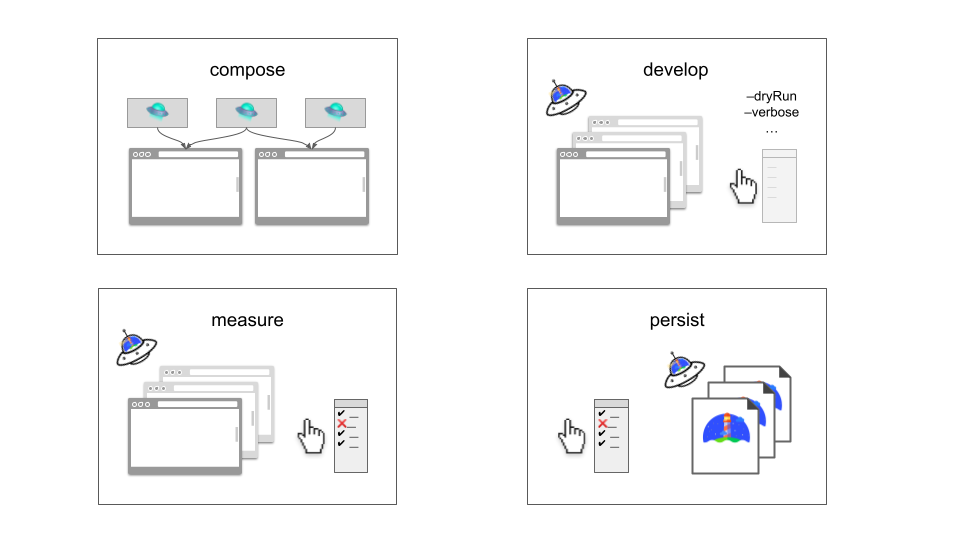
User Flow is a library and CLI that helps run Lighthouse User Flows in an organized and scalable way. If you’re keen to try User Flows, this might make it easier!
|
|
|
| |
|
|
### [Version 1.0.0 of the Performance Lab plugin published](https://make.wordpress.org/core/2022/04/18/version-1-0-0-of-the-performance-lab-plugin-published/)
|
| |
|
[Felix Arntz](https://twitter.com/felixarntz)
|
|
A while ago, we shared the work done by the WordPress Performance Team to speed up the platform. Their first tool, the Performance Lab plugin, has hit its first stable release!
|
|
|
| |
|
|
|
| |
|
# New in Calibre
|
|

|
|
| |
 |
|
### [Release Notes: March](https://calibreapp.com/blog/release-notes-mar-2022)
|
|
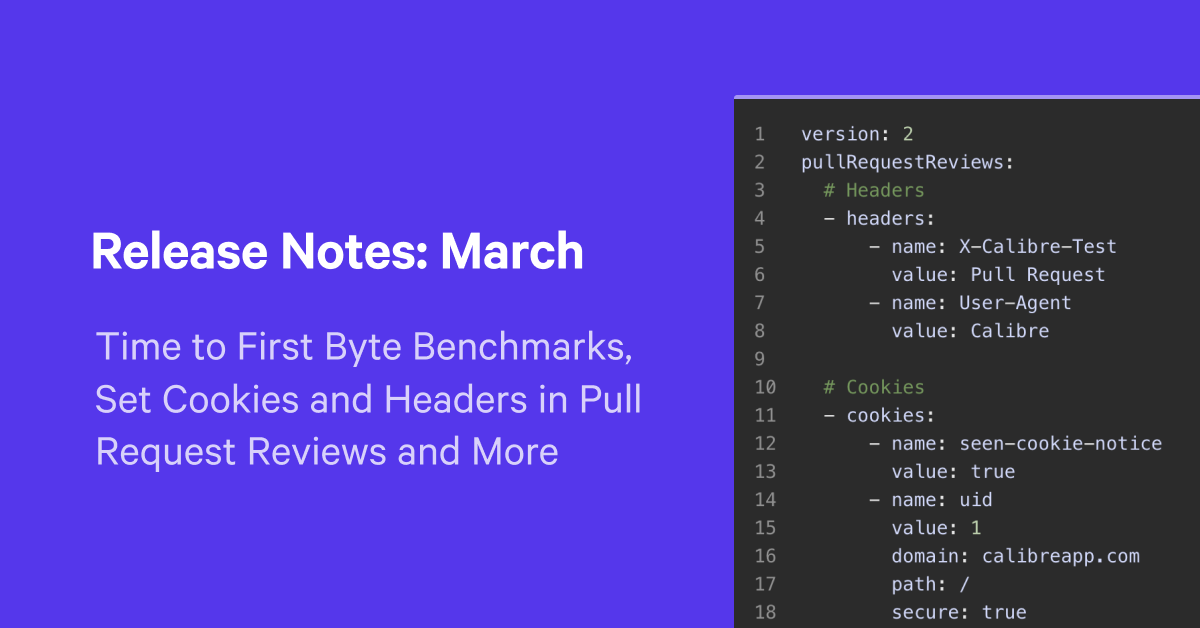
Here’s our monthly roundup of what was released in March: Time to First Byte benchmarks, setting Cookies and Headers in Pull Request Reviews and more!
|
|
|
| |
|
|