͏ ͏ ͏ ͏ ͏ ͏ ͏ ͏ ͏ ͏ ͏ ͏ ͏ ͏ ͏ ͏ ͏ ͏ ͏ ͏ ͏ ͏ ͏ ͏ ͏ ͏ ͏ ͏ ͏ ͏ ͏ ͏ ͏ ͏ ͏ ͏ ͏ ͏ ͏ ͏ ͏ ͏ ͏ ͏ ͏ ͏ ͏ ͏ ͏ ͏ ͏ ͏ ͏ ͏ ͏ ͏ ͏ ͏ ͏ ͏ ͏ ͏ ͏ ͏ ͏ ͏ ͏ ͏ ͏ ͏ ͏ ͏ ͏ ͏ ͏ ͏ ͏ ͏ ͏ ͏ ͏ ͏ ͏ ͏ ͏ ͏ ͏ ͏ ͏ ͏ ͏ ͏ ͏ ͏ ͏ ͏ ͏ ͏ ͏ ͏ ͏ ͏ ͏ ͏ ͏ ͏ ͏ ͏ ͏ ͏ ͏ ͏ ͏ ͏ ͏ ͏ ͏ ͏ ͏ ͏
|
#### Editor’s note
|
| |
|
Web performance has a good case of *it works on my machineitis*. This doesn’t always happen out of wrongful intentions. It feels good to share a high Lighthouse Performance Score or a test that passes good benchmarks! But there’s a fair bit of nuance here.
If we’re privileged enough to own high-end devices, our local tests are likely to be favourable. If we monitor only on iPhones and fast, desktop cable connections, we’re likely to see a more positive outcome too. Our choices (and contexts) can easily hide poor experiences for large portions of the audience.
To improve speed across for everyone, we need to test comprehensively, preferably in more adverse conditions. Also, we need to remember that [two tests in different settings](https://calibreapp.com/blog/common-mistakes-in-tracking-speed#expecting-the-same-results-from-different-tools) are far from equal. **Where and how you test matters. **
|
| |
|
|
Karolina
|
| |
| |
|
|
|
|
#### What’s Performance newsletter?
|
| |
|
Performance Newsletter is a fortnightly mailing by [Calibre](https://calibreapp.com), featuring web performance tools, talks and resources.
Don’t worry—we don’t spam. If you’d like to leave, [unsubscribe]() at any time. Suggest content [here](mailto:[email protected]).
|
|
|
| |
|
| |
|
|
|
| |
|
# Articles
|
|

|
|
| |
 |
| |
|
### [Best practices for using third-party embeds](https://web.dev/embed-best-practices/)
|
| |
|
Leena Sohoni, [Addy Osmani](https://twitter.com/addyosmani) & [Katie Hempenius](https://twitter.com/katiehempenius)
|
|
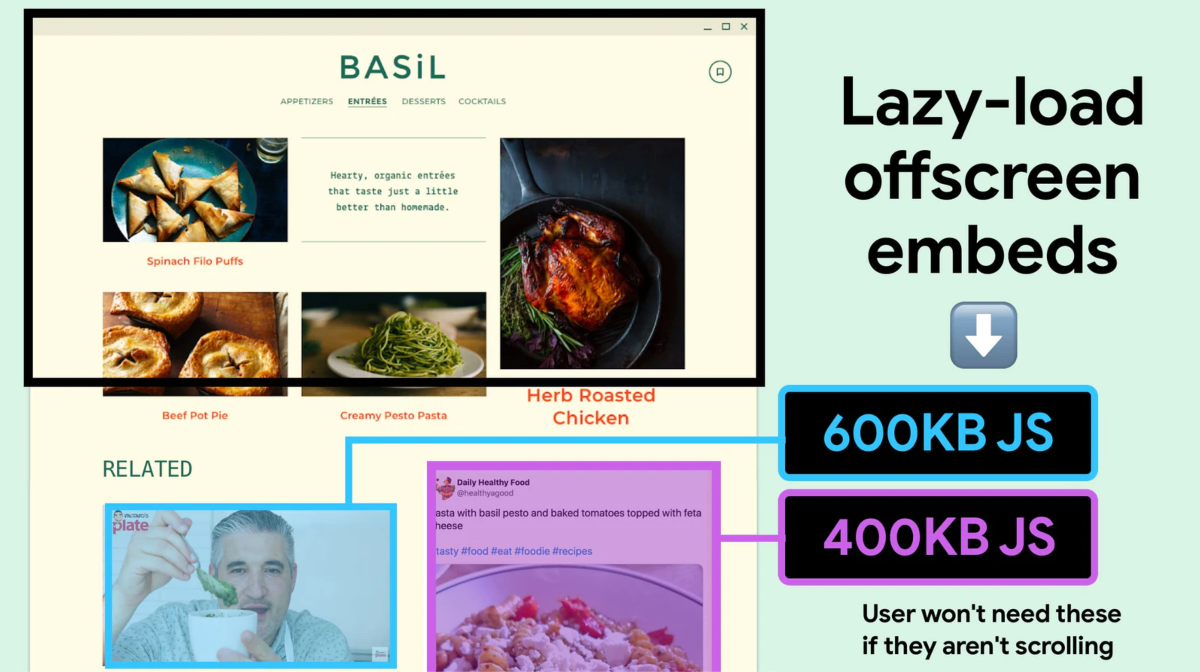
We use third party tools to enrich the experience or add new functionality. But often, third parties come with speed and UX costs. Here’s a roundup of strategies to mitigate the negative impact of external embeds and tooling.
|
|
|
| |
|
 |
| |
|
### [The Art of Deception, Lighthouse Score Edition](https://www.zachleat.com/web/lighthouse-deception/)
|
| |
|
[Zach Leatherman](https://twitter.com/zachleat)
|
|
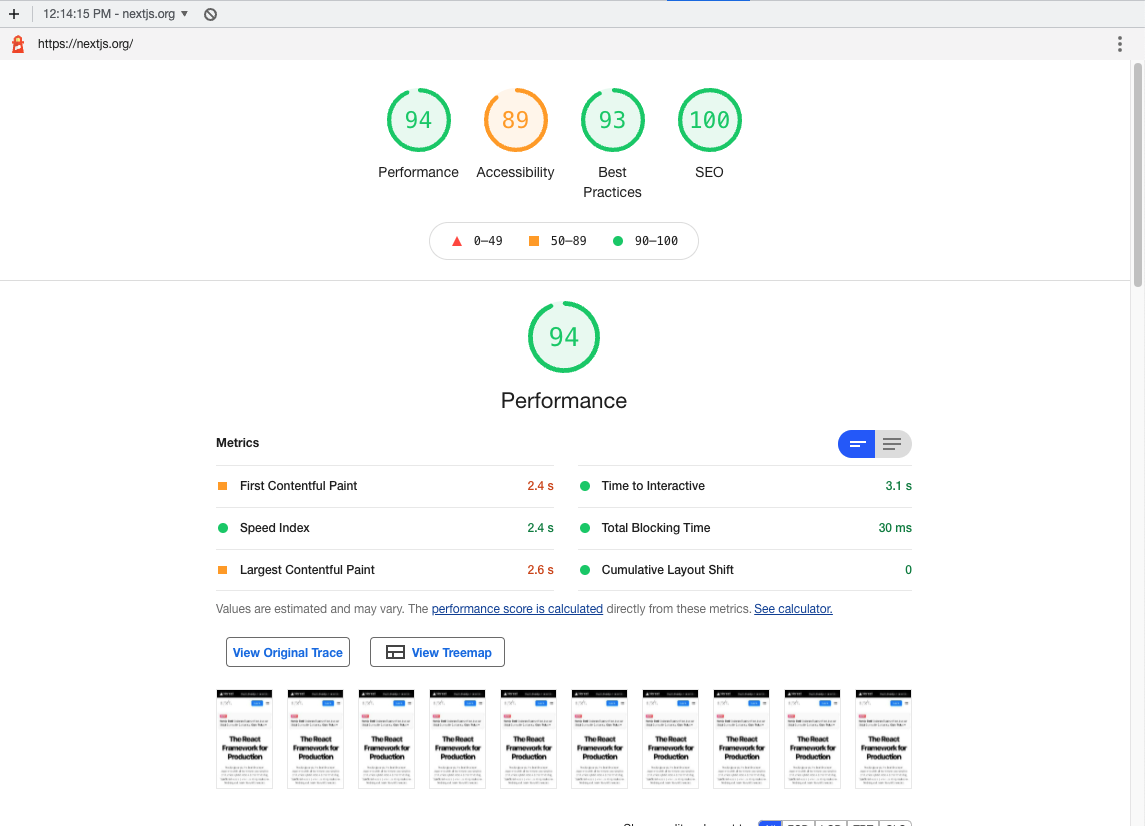
It feels nice to share a fast Performance Score. But your metrics are hugely dependent on test settings, which can be deceiving when accurately portraying performance.
|
|
|
| |
|
 |
| |
|
### [WordPress Core: Proposal for a Performance team](https://make.wordpress.org/core/2021/10/12/proposal-for-a-performance-team/)
|
| |
|
[Ari Stathopoulos](https://twitter.com/aristath)
|
|
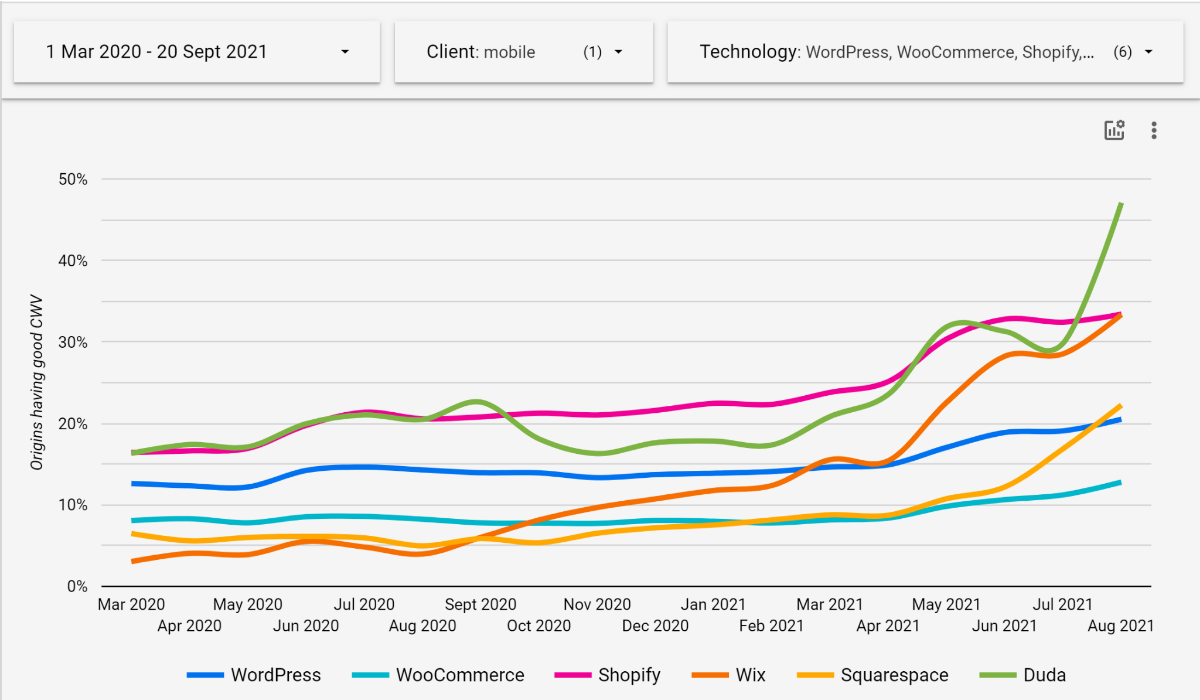
WordPress is falling behind other platforms in web performance, which with its significant adoption can cause headaches for those who rely on the platform. Luckily, speed is now going to be a priority for the Core WordPress team!
|
|
|
| |
|
|
### [Offline First](https://rxdb.info/offline-first.html)
|
| |
|
[Daniel Meyer](https://twitter.com/pubkeypubkey)
|
|
Offline capabilities aren’t often front-of-mind in modern development cycles. Here, the author of RxDB, a realtime database for JavaScript apps, describes the benefits of the offline-first approach.
|
|
|
| |
|
|
|
|
|
| |
|
# Case Studies
|
|

|
|
| |
 |
| |
|
### [How Renault improved its bounce and conversion rates by measuring and optimizing Largest Contentful Paint](https://web.dev/renault/)
|
| |
|
[Thierry Coustillac](https://github.com/tcoustil), [Antoine Bisch](https://twitter.com/AntoineBisch) & [Cédric Bazureau](https://github.com/cbazureau)
|
|
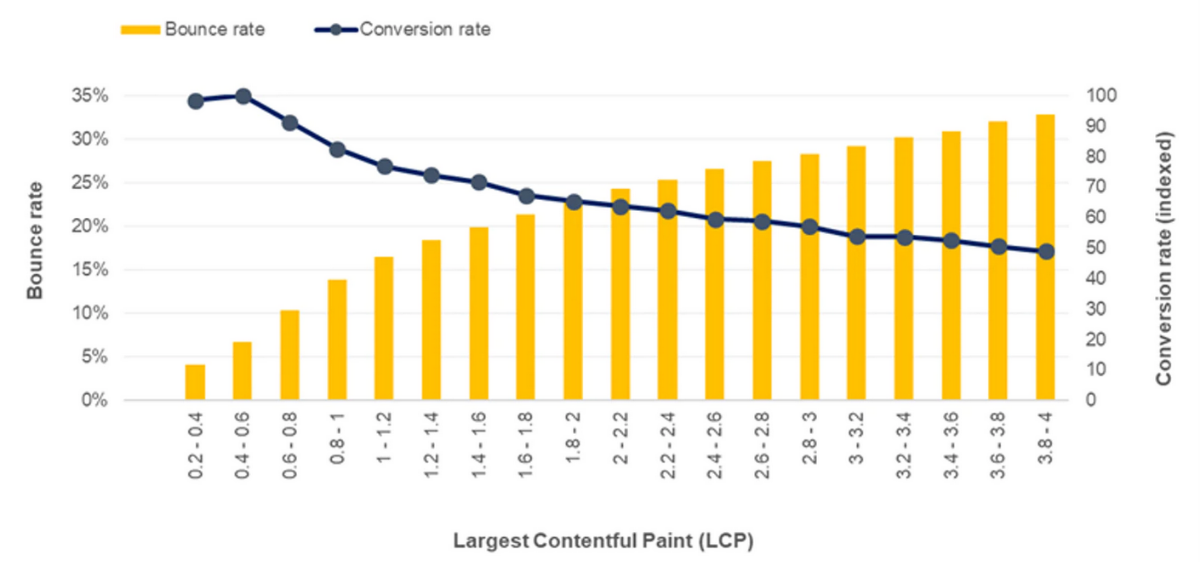
Renault has found a strong correlation between Largest Contentful Paint and their business metrics. 1-second improvement can lead to a 14 percentage points decrease in bounce rate and a 13% increase in conversions!
|
|
|
| |
|
 |
| |
|
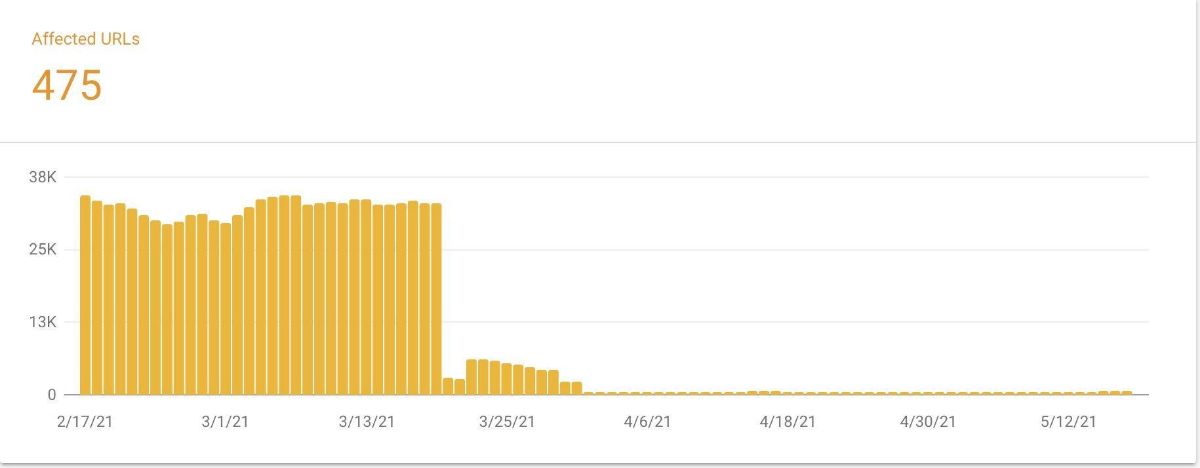
### [Solving CLS Issues In A Next.js-Powered E-Commerce Website](https://www.smashingmagazine.com/2021/10/nextjs-ecommerce-cls-case-study/)
|
| |
|
[Arijit Mondal](https://twitter.com/Arijitm_dev)
|
|
Cumulative Layout Shift can be challenging to debug. Learn which tools Fairprice used to improve their Next.js website.
|
|
|
| |
|
|
|