͏ ͏ ͏ ͏ ͏ ͏ ͏ ͏ ͏ ͏ ͏ ͏ ͏ ͏ ͏ ͏ ͏ ͏ ͏ ͏ ͏ ͏ ͏ ͏ ͏ ͏ ͏ ͏ ͏ ͏ ͏ ͏ ͏ ͏ ͏ ͏ ͏ ͏ ͏ ͏ ͏ ͏ ͏ ͏ ͏ ͏ ͏ ͏ ͏ ͏ ͏ ͏ ͏ ͏ ͏ ͏ ͏ ͏ ͏ ͏ ͏ ͏ ͏ ͏ ͏ ͏ ͏ ͏ ͏ ͏ ͏ ͏ ͏ ͏ ͏ ͏ ͏ ͏ ͏ ͏ ͏ ͏ ͏ ͏ ͏ ͏ ͏ ͏ ͏ ͏ ͏ ͏ ͏ ͏ ͏ ͏ ͏ ͏ ͏ ͏ ͏ ͏ ͏ ͏ ͏ ͏ ͏ ͏ ͏ ͏ ͏ ͏ ͏ ͏ ͏ ͏ ͏ ͏ ͏ ͏
|
#### Editor’s note
|
| |
|
What makes a website or an app *fast*? Continuous high scores and metrics within thresholds? It’s easy to look at favourable measurements reported by speed monitoring software and categorise a project as *fast*. More often than not, it’s far from the objective perception.
|
| |
|
|
**Web performance is a sum of experiences of speed, that rely on a multitude of factors**—a device used, network speed, latency, amongst others. With many factors at play, it’s impossible to grade universal experience. We will always be excluding someone somewhere. Focusing on only seeing *fast* will further hide where user experience is sub-par.
|
| |
|
|
Don’t ask where it’s fast. Find where it fails.
|
| |
|
|
Karolina
|
| |
| |
|
|
|
|
#### What’s Performance newsletter?
|
| |
|
Performance Newsletter is a fortnightly mailing by [Calibre](https://calibreapp.com), featuring web performance tools, talks and resources.
Don’t worry—we don’t spam. If you’d like to leave, [unsubscribe]() at any time. Suggest content [here](mailto:[email protected]).
|
|
|
| |
|
| |
|
|
|
| |
|
# Articles
|
|

|
|
| |
 |
| |
|
### [Web Almanac 2020: Performance](https://almanac.httparchive.org/en/2020/performance)
|
| |
|
[Karolina Szczur](https://twitter.com/fox)
|
|
The Web Almanac portrays the state of the web, backed by the comprehensive HTTP Archive dataset. Find out what has changed in the world of speed—the announcements, improvements and areas to keep working on.
|
|
|
| |
|
 |
| |
|
### [Lazy load third-party resources with facades](https://web.dev/third-party-facades/)
|
| |
|
[Milica Mihajlija](https://twitter.com/bibydigital)
|
|
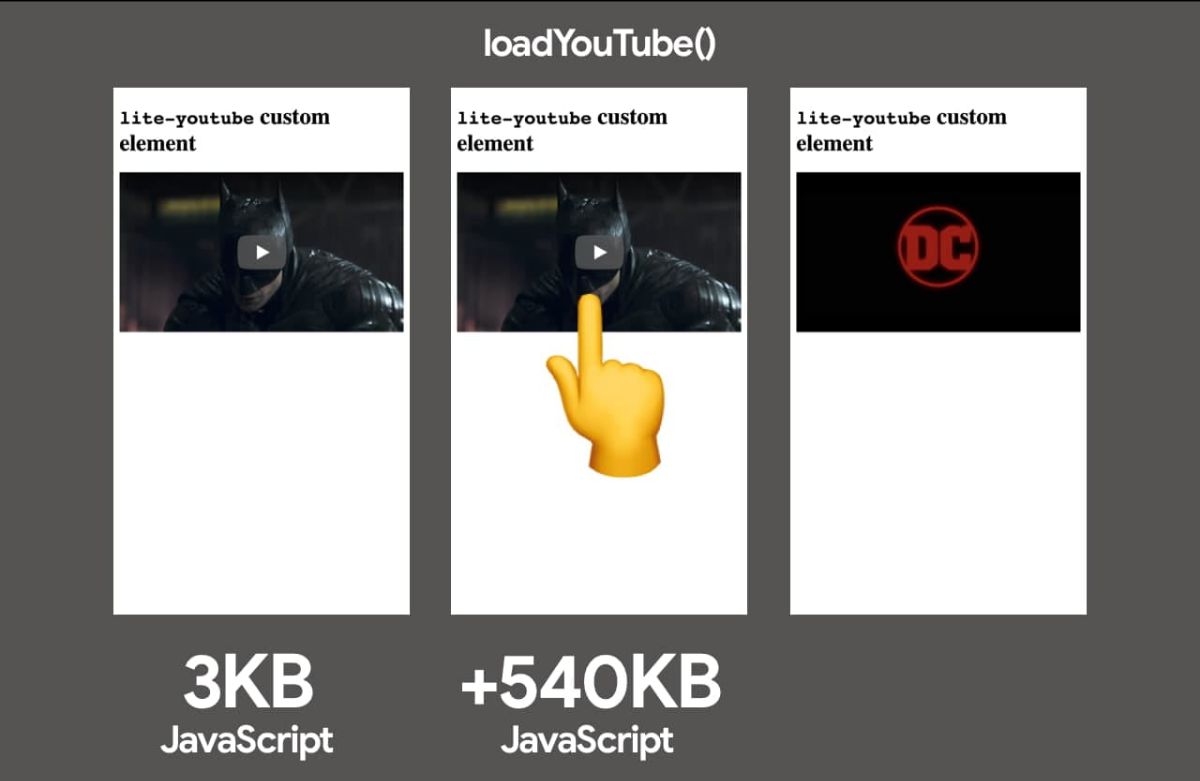
Facades can help mitigate the negative impact of third-party resources without removing the necessary functionality of selected tools. See example facade implementations and learn how to find opportunities directly in Lighthouse reports.
|
|
|
| |
|
|
### [The mythical “fast” web page](https://calendar.perfplanet.com/2020/the-mythical-fast-web-page/)
|
| |
|
[Rick Viscomi](https://twitter.com/rick_viscomi)
|
|
What makes a website fast? Or is that even the right question to ask when trying to rate user experience? Learn what fast really means.
|
|
|
| |
|
 |
| |
|
### [Time to Say Goodbye to Google Fonts](https://wicki.io/posts/2020-11-goodbye-google-fonts/)
|
| |
|
[Simon Wicki](https://twitter.com/zwacky)
|
|
Are you using Google Fonts and were previously unsure about the benefits of self-hosting the fonts? Learn why self-hosting is the more performant approach.
|
|
|
| |
|
 |
| |
|
### [Creating websites with prefers-reduced-data](https://polypane.app/blog/creating-websites-with-prefers-reduced-data/)
|
| |
|
[Kilian Valkhof](https://twitter.com/kilianvalkhof)
|
|
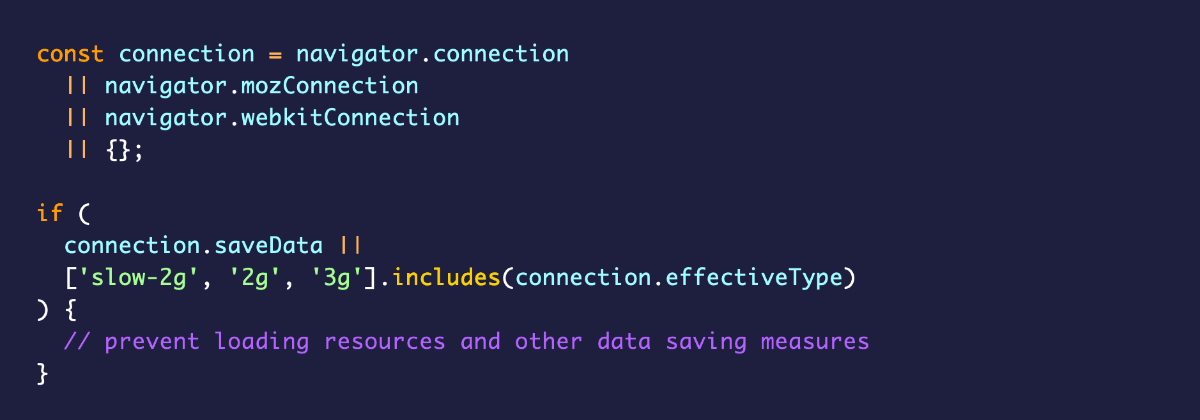
People should be able to request less data-heavy experiences when browsing the web. Know what prefers-reduced-data is, when it can make the user experience better and the current browser support.
|
|
|
| |
|
|
|
|
|
| |
|
# Tools
|
|

|
|
| |
 |
| |
|
### [Figma Downsize](https://www.figma.com/community/plugin/869495400795251845/Downsize)
|
| |
|
[Alex Einarsson](https://twitter.com/alexeinars)
|
|
Optimising images is no longer the last step in build cycles. Now, you can compress visuals directly in your Figma files!
|
|
|
| |
|
|
|