͏ ͏ ͏ ͏ ͏ ͏ ͏ ͏ ͏ ͏ ͏ ͏ ͏ ͏ ͏ ͏ ͏ ͏ ͏ ͏ ͏ ͏ ͏ ͏ ͏ ͏ ͏ ͏ ͏ ͏ ͏ ͏ ͏ ͏ ͏ ͏ ͏ ͏ ͏ ͏ ͏ ͏ ͏ ͏ ͏ ͏ ͏ ͏ ͏ ͏ ͏ ͏ ͏ ͏ ͏ ͏ ͏ ͏ ͏ ͏ ͏ ͏ ͏ ͏ ͏ ͏ ͏ ͏ ͏ ͏ ͏ ͏ ͏ ͏ ͏ ͏ ͏ ͏ ͏ ͏ ͏ ͏ ͏ ͏ ͏ ͏ ͏ ͏ ͏ ͏ ͏ ͏ ͏ ͏ ͏ ͏ ͏ ͏ ͏ ͏ ͏ ͏ ͏ ͏ ͏ ͏ ͏ ͏ ͏ ͏ ͏ ͏ ͏ ͏ ͏ ͏ ͏ ͏ ͏ ͏
|
#### Editor’s note
|
| |
|
In the lifecycle of building and designing for the web, best practices emerge. Once such a pattern is established, it gains traction and adoption.
|
| |
|
|
Often, it’s easy to take on best practice advice without a grain of salt or evaluating if it’s relevant to your context. It’s a best practice, after all.
|
| |
|
|
But what if following a “best practice” actually results in a worse experience? We need to approach our work more critically: with context and goals in mind. Does this practice further our goals? Does it enhance the user experience?
|
| |
|
|
|
|
Karolina
|
| |
| |
|
|
|
|
#### What’s Performance newsletter?
|
| |
|
Performance Newsletter is a fortnightly mailing by [Calibre](https://calibreapp.com), featuring web performance tools, talks and resources.
Don’t worry—we don’t spam. If you’d like to leave, [unsubscribe]() at any time. Suggest content [here](mailto:[email protected]).
|
|
|
| |
|
| |
|
|
|
| |
|
# Articles
|
|

|
|
| |
 |
| |
|
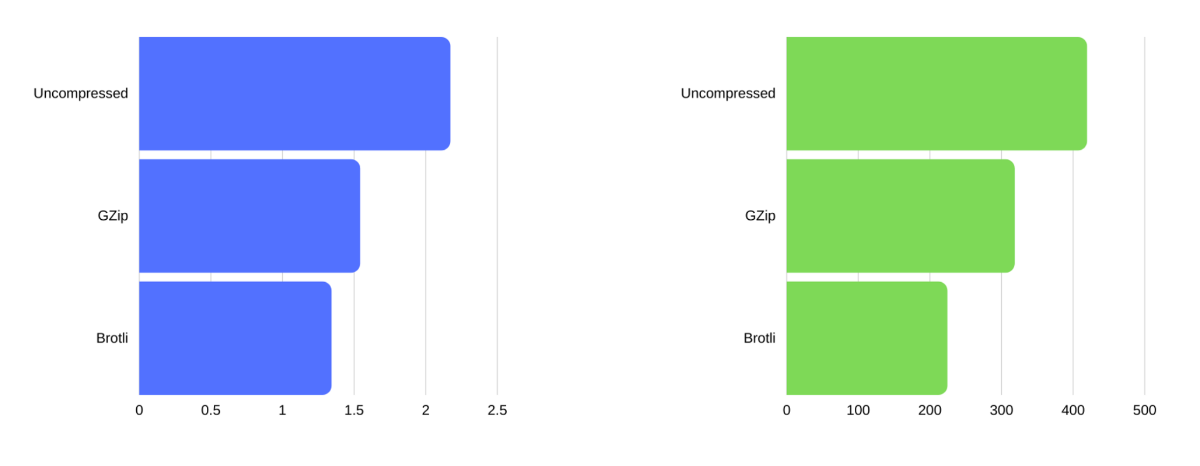
### [Will Brotli Replace Gzip?](https://blog.bitsrc.io/gzip-to-brotli-better-frontend-load-performance-b2b4d8dbf60f)
|
| |
|
[Chameera Dulanga](https://www.linkedin.com/in/chameeradulanga/?originalSubdomain=lk)
|
|
Brotli demands more computational power but can compresses JavaScript, HTML and CSS files 14-21% smaller than Gzip. Is it then worth switching to?
|
|
|
| |
|
 |
| |
|
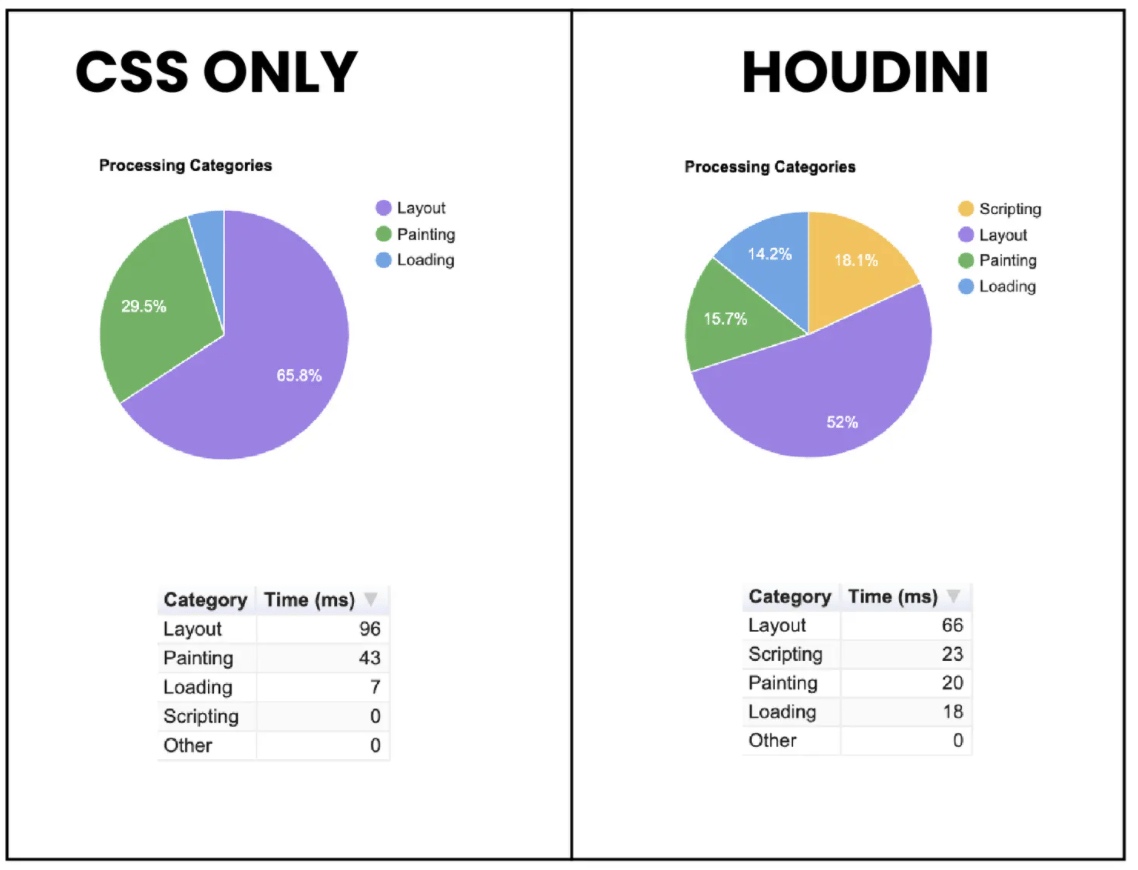
### [Performance: CSS Painting versus CSS Houdini Paint API](https://lisilinhart.info/posts/css-houdini-performance/)
|
| |
|
[Lisi Linhart](https://twitter.com/lisi_linhart)
|
|
Is Houdini, set of low-level APIs that exposes parts of the CSS engine, slower, faster or on-par with CSS in terms of performance? Find out here.
|
|
|
| |
|
 |
| |
|
### [Effective Skeleton Screens](https://timkadlec.com/remembers/2020-11-02-skeleton-screens/)
|
| |
|
[Tim Kadlec](https://twitter.com/tkadlec)
|
|
Skeleton screens have been dubbed as a saving grace in cases of slowly loading interfaces. But do we always need them?
|
|
|
| |
|
|
### [Getting Fast and Staying There](https://simonhearne.com/2020/getting-fast-staying-there/)
|
| |
|
[Simon Hearne](https://twitter.com/SimonHearne)
|
|
You might have improved the speed of your application or site, but how do you maintain it? Learn how to stay fast when changes keep being released.
|
|
|
| |
|
|
|
|
|
| |
|
# Tools
|
|

|
|
| |
 |
| |
|
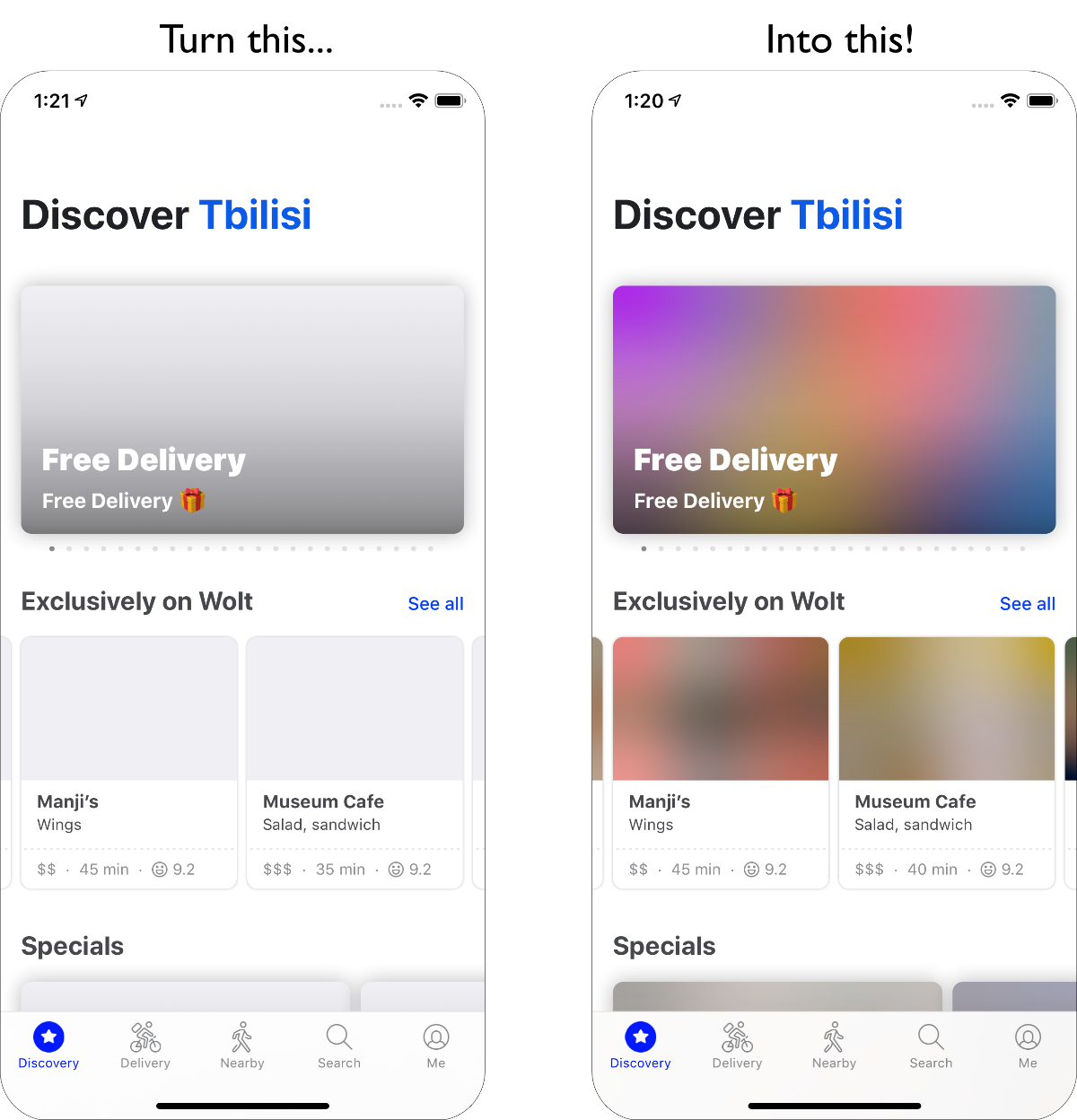
### [BlurHash](https://github.com/woltapp/blurhash)
|
| |
|
[Dag Ågren](https://www.linkedin.com/in/dag-%C3%A5gren-57838a1a0/?originalSubdomain=fi)
|
|
BlurHash might be helpful in visually enhancing skeleton screens and potentially speeding up image-heavy feeds. It relies on 20-30 character identification strings versus low-quality images.
|
|
|
| |
|
|
|
|
|
| |
|
# Browsers
|
|

|
|
| |
 |
| |
|
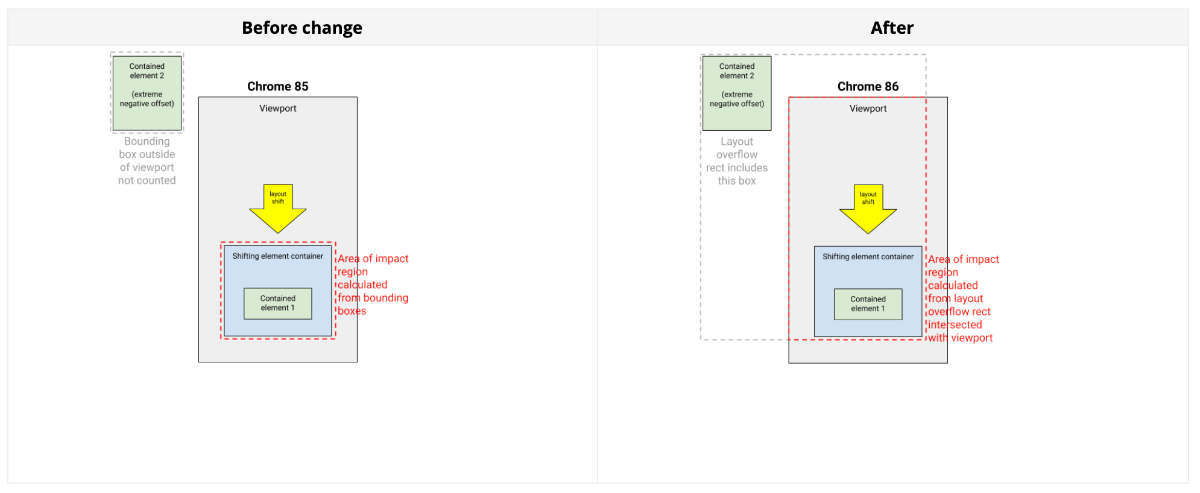
### [Cumulative Layout Shift Changes in Chrome 86](https://chromium.googlesource.com/chromium/src/+/master/docs/speed/metrics_changelog/2020_10_cls.md)
|
| |
|
|
|
An issue with Cumulative Layout Shift calculation might have impacted your score in Chrome 86. Find out the details and information about the expected fix.
|
|
|
| |
|
|
|