#### PerformanceNewsletter
|
#### Issue 51
|
|
#### Editor’s Note
Over and over, we hear about the digital divide. We know having internet access can make or break people’s ability to learn, communicate, obtain jobs, get access to healthcare and more.
But the quality of the access to network matters too. What devices do people use? How fast is their network? How easily can they accomplish their goals under those circumstances?
Performance plays a huge part in the digital divide. We both must zoom in and zoom out on speed. Zoom out to see the bigger impact speed has on people’s lives. Zoom in and track the speed of specific user conditions to see the real experience, well beyond the default ”desktop cable” profiling, which is far from most people’s reality.
— Karolina
|
|
|
|
#### article

## Don’t make these common monitoring mistakes
Introducing performance monitoring to your organisation can be tough. But even when we succeed, effective speed tracking is still not an easy task. Learn about the most common mistakes to avoid making them in your teams. They are not what you think.
[]()[5 Common Mistakes Teams Make When Tracking Performance →](https://calibreapp.com/blog/common-mistakes-in-tracking-speed)
#### article
## Identify and prevent memory leaks
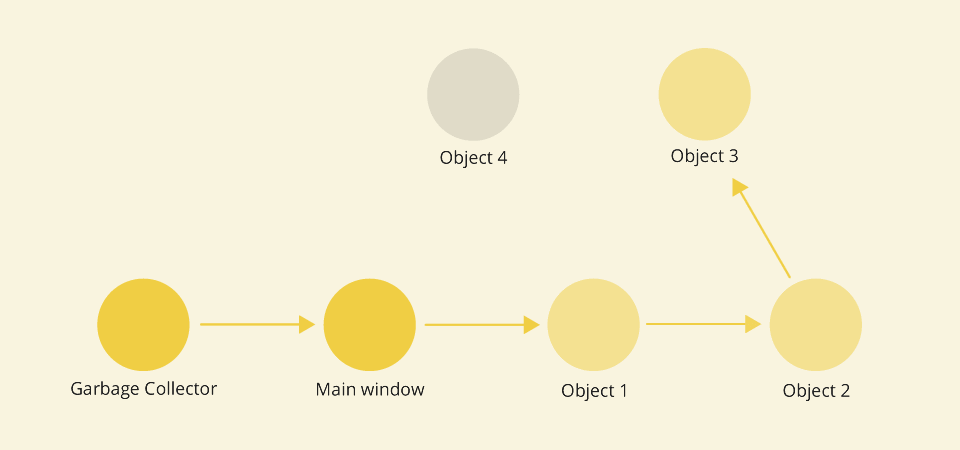
In her article, [Ekaterina Vujasinović](https://twitter.com/ekaterina_vu) explains what memory leaks are, how to find and fix them. JavaScript can cause the most severe performance issues, including delayed (or lack of) responsiveness and even browser tabs crashing. Learn how to investigate if memory leaks are to blame.
[]()[Causes of Memory Leaks in JavaScript and How to Avoid Them →](https://www.ditdot.hr/en/causes-of-memory-leaks-in-javascript-and-how-to-avoid-them)
#### article
## Understand how the digital divide ties to income
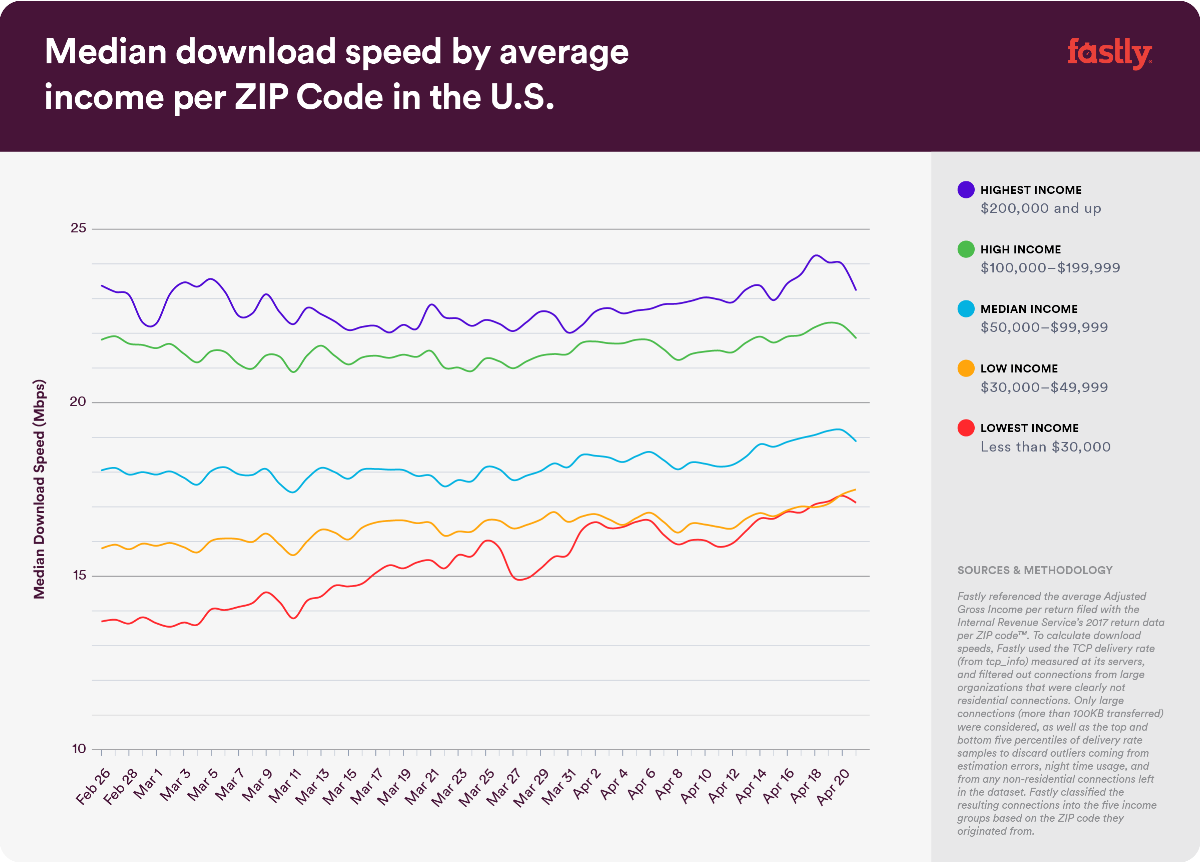
In their study, [Jana Iyengar](https://www.linkedin.com/in/jana-i-2121252/) and [Artur Bergman](https://twitter.com/crucially) showcase how closely fast and unlimited internet connection is tied to income. Internet access has always been an equity issue, even more so under a global pandemic. Read on to find out if the digital divide can be bridged.
[]()[Decoding the digital divide →](https://www.fastly.com/blog/digital-divide)
#### case study
## How Tokopedia boosted their Performance Score
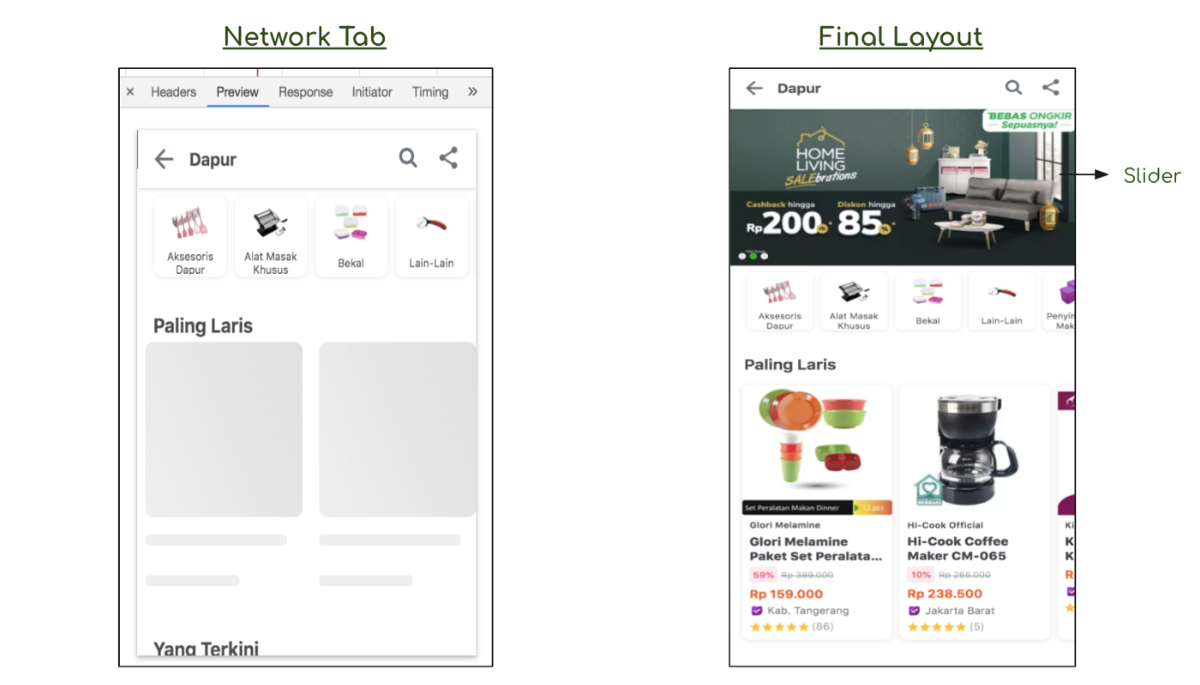
In his case study, [Aatif Bandey](https://twitter.com/aatifbandey) explains how Tokopedia, a leading e-commerce platform in Indonesia, significantly improved its mobile Performance Score through a handful of speed optimisation strategies. It’s always fascinating to see what makes the most significant differences in specific contexts.
[]()[A Tokopedia Mobile Web Performance Case Study →](https://medium.com/tokopedia-engineering/a-tokopedia-mobile-web-performance-case-study-48ee5c6e4d5c)
#### tools
## Bundle and minify your JavaScript really fast
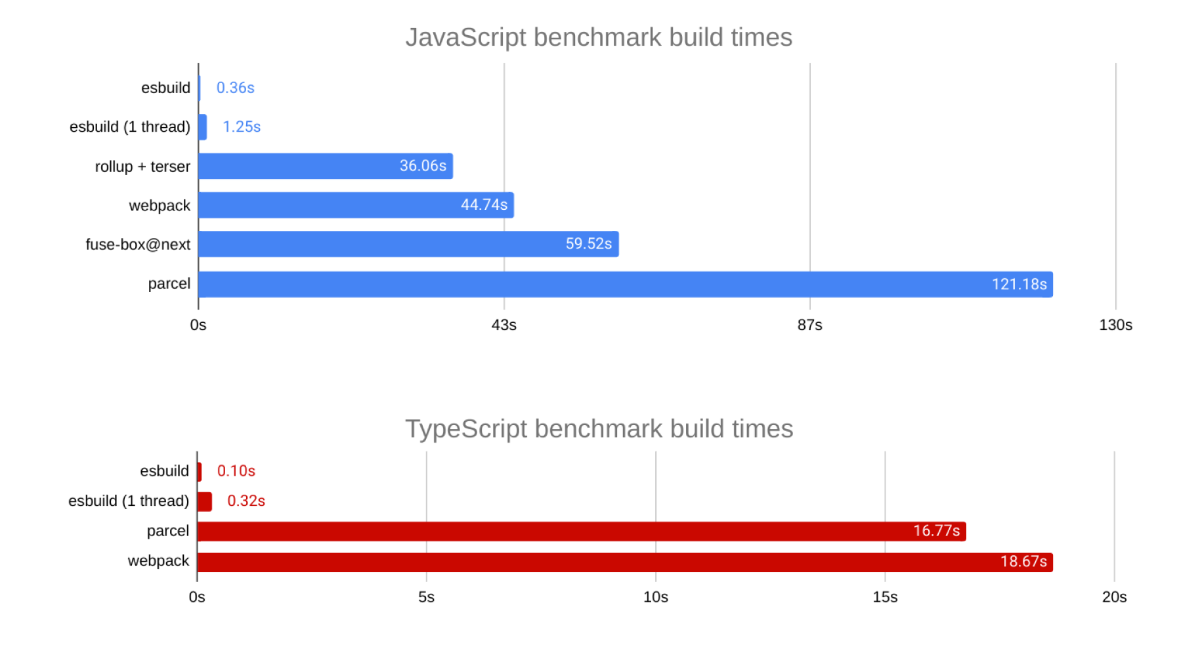
[Evan Wallace](https://twitter.com/evanwallace) proves that there are not enough JavaScript bundlers and minifiers. esbuild claims to be 100x faster than other popular bundlers, which is pretty impressive. If you’re looking for a new bundler, here’s your new contender.
[]()[An extremely fast JavaScript bundler and minifier →](https://github.com/evanw/esbuild)
#### article

## Focus on progressive enhancement
In his article, [Manuel Matuzović](https://twitter.com/mmatuzo) showcases his approach to progressive enhancement by optimising one of his projects for browsing on a Nokia 3310. It turns out, when building with progressive enhancement in mind, we can end up with pretty resilient experiences.
[]()[The beauty of progressive enhancement →](https://www.matuzo.at/blog/beauty-of-progressive-enhancement/)
|
|
####
Spread the word about perf.email
We’d love to see more people reading
[perf.email](https://perf.email/); if you’d
like to help—forward this email to a friend, tweet, or
shout from a rooftop. It goes a long way. ✌🏻
|
|