#### PerformanceNewsletter
|
#### Issue 35
|
|
#### Editor’s Note
The most challenging part of performance work is not in gathering the data but drawing *meaningful* conclusions. We know that speed affects conversions and engagement, but it’s increasingly difficult to quantify with hard science.
To be successful as a performance expert, we not only need to have a deep understanding of metrics and statistics but also self-awareness around privilege.
We have to become aware of bias in our data that prevents us from building a cohesive, fast experience for *everyone*.
**P.S.** If you’re making your way to [Chrome Developer Summit](https://developer.chrome.com/devsummit/) next week and want to talk performance—say hi to [Ben Schwarz](https://twitter.com/benschwarz) and [Michael Dijkstra](https://twitter.com/micdijkstra)!
— Karolina
|
|
|
#### article
## Understand how privilege affects the way we build
[Stephanie Stimac](https://twitter.com/seaotta) describes a real-life situation of a power outage and the inability to access crucial information due to poor performance of a critical service. Performance is more than a nice to have, but to truly learn that, we need to understand our bias and privilege.
[]()[Location, Privilege and Performant Websites →](https://blog.stephaniestimac.com/posts/10-30-2019-performance/)
|
#### article
## Calculate the impact of speed on user engagement
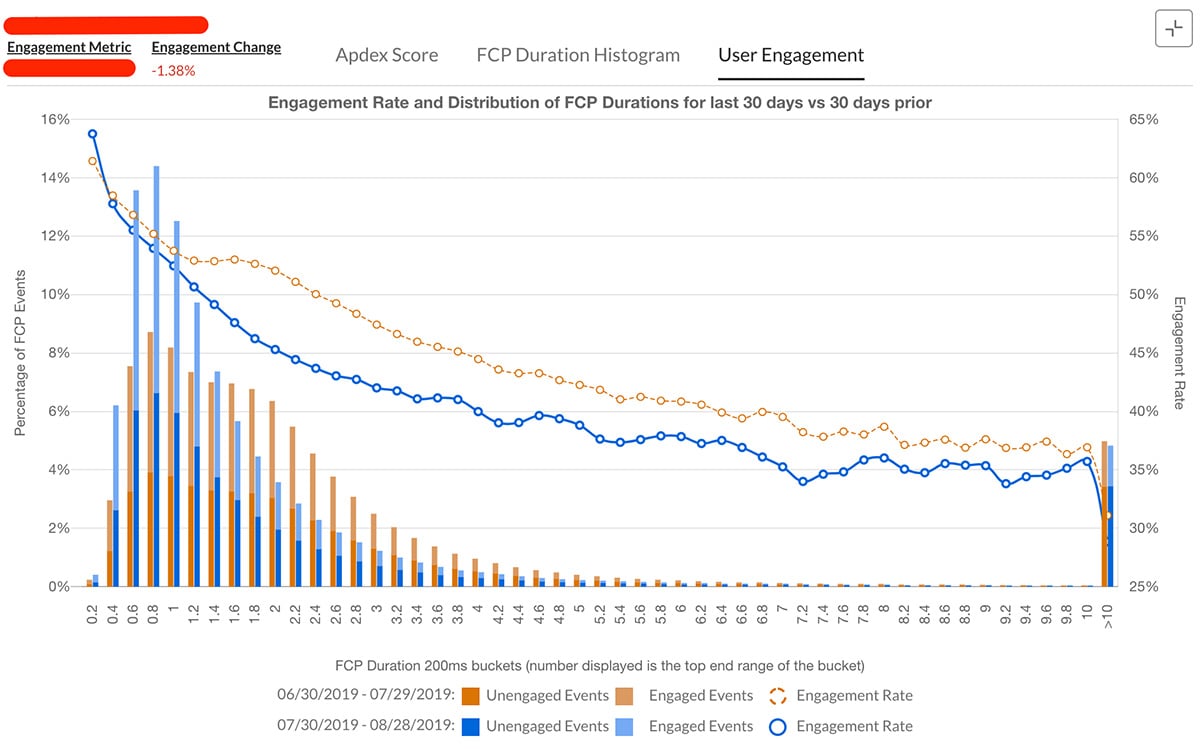
In his in-depth study, Carlos Moro tackles the holy grail of performance world—how does speed *really* affect user engagement (not conversion)? Focusing mostly on FCP and TTFB he draws fascinating conclusions on how to approach modelling data.
[]()[Web Performance vs. User Engagement →](https://medium.com/expedia-group-tech/web-performance-vs-user-engagement-7eda84f6436b)
#### talk

## Know crucial perception time limits
Jakob Nielsen, a well-renowned usability specialist, weighs on maximum response times defined by our perceptual abilities. Performance is all about timing, so it’s crucial to understand where the cognitive constraints stem from.
[]()[The 3 Response Time Limits in Interaction Design →](https://www.nngroup.com/videos/3-response-time-limits-interaction-design/)
#### article
## Find out if JAMstack is really fast
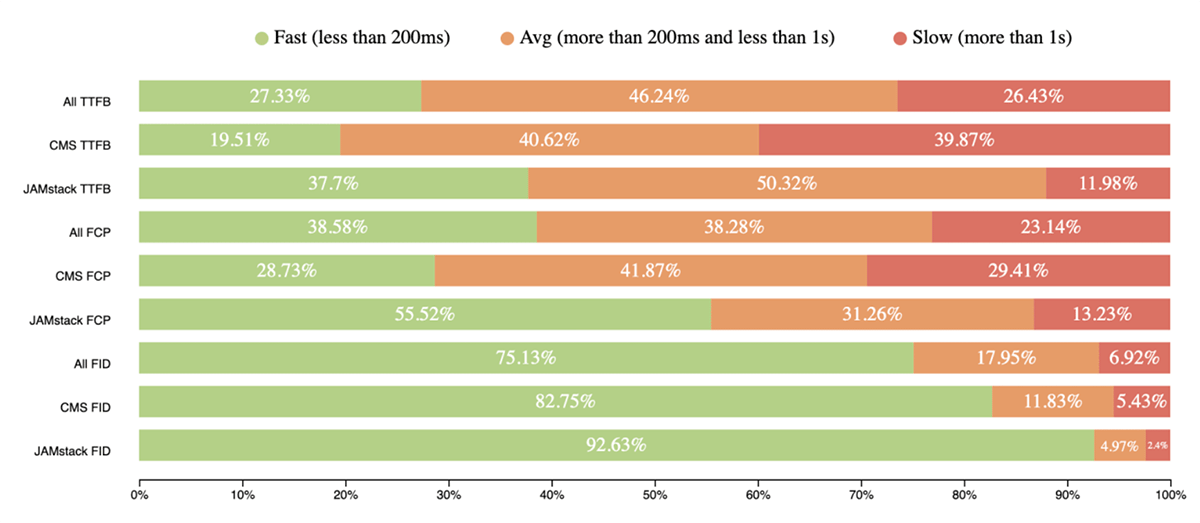
[Artem Denysov](https://twitter.com/denar90_) digests HTTP Archive and CrUX data to establish if JAMstack is as fast as advertised. Overall, JAMstack-powered sites are faster than global averages on TTFB, FID and FCP on both desktop and mobile. Speedy!
[]()[A Look at JAMstack’s Speed, By the Numbers →](https://css-tricks.com/a-look-at-jamstacks-speed-by-the-numbers/)
#### talk
## Learn to approach accessibility differently
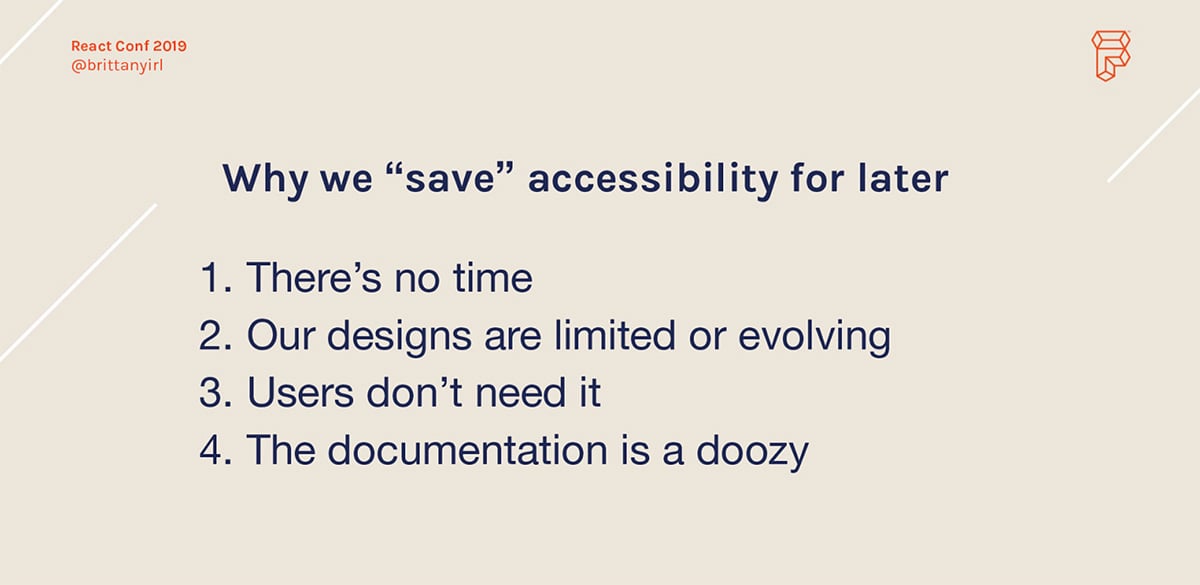
In her talk, [Brittany Feenstra](https://twitter.com/brittanyirl) shares numerous accessibility strategies especially relevant to JavaScript-powered apps. I love the focus on semantic HTML—remember that a neater DOM is a faster DOM.
[]()[Accessibility is a marathon, not a sprint →](https://noti.st/brittanyfeenstra/ytbJ6F/accessibility-is-a-marathon-not-a-sprint)
#### browsers
## Upload smaller images in iOS Safari
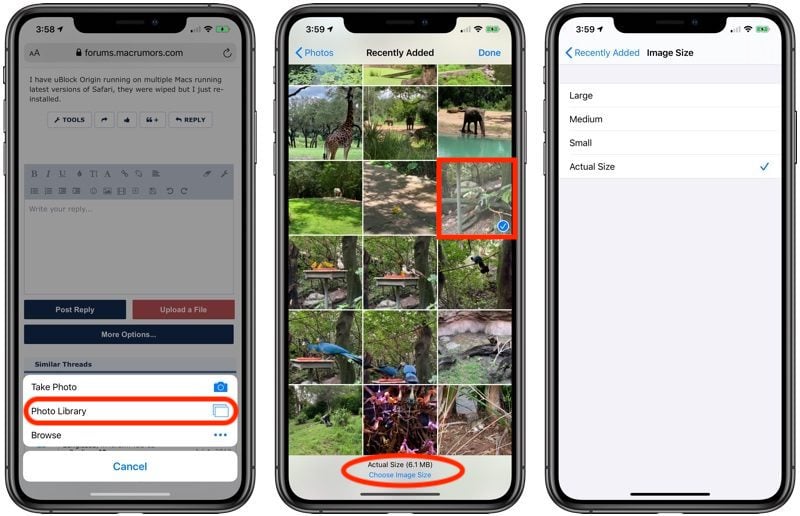
The latest version of Safari on iOS 13 allows choosing the size of an image we’re uploading. Huge yes to enabling size and download awareness by design.
[]()[How to Choose an Image Size When Uploading a Photo in Safari for iOS →](https://www.macrumors.com/how-to/choose-image-size-when-uploading-photo-safari-ios/)
|
|
#### Spread the word about perf.email
We’d love to see more people reading
[perf.email](https://perf.email/); if you’d like to help—forward this email to a friend, tweet, or shout from a rooftop.
It goes a long way. ✌🏻
|
|