#### PerformanceNewsletter
|
#### Issue 31
|
|
#### Editor’s Note
The perception and definition of web performance are changing. We no longer remain solely focused on the perceived speed, but also device power drainage, and subsequently, environmental impact (have you ever tried to [calculate your website’s carbon emissions](https://www.websitecarbon.com/)?).
Where will the performance optimisation work take us in the future? Hopefully, not only towards more efficiently completed tasks, but also a more delightful Web that doesn’t run at the cost of our planet.
PS. If you love saving time and automating your performance processes in Github, make sure to read the *New in Calibre* section at the bottom.
— Karolina
|
|
#### browsers
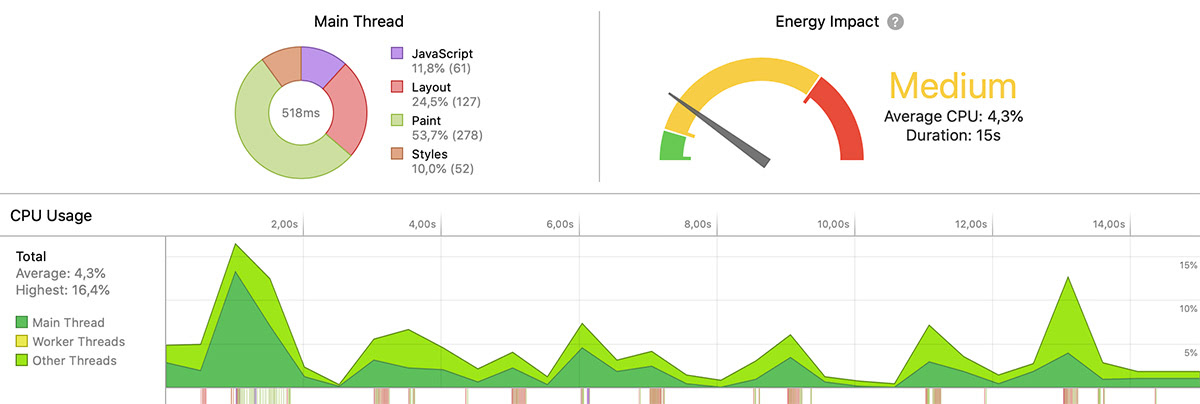
## Learn how to build and test for low power usage
Speed is one way to quantify performance—*how* products and apps affect the battery life of our devices; thus, the time in which we have to complete our work is another. An excellent writeup on common reasons for excessive battery drainage and how to inspect them in Safari by [Benjamin Poulain](https://twitter.com/awfulben) and Simon Fraser.
[]()[How Web Content Can Affect Power Usage →](https://webkit.org/blog/8970/how-web-content-can-affect-power-usage/)
#### case study
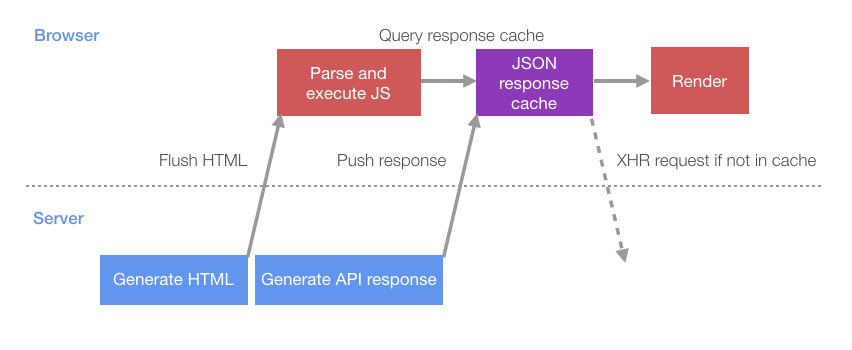
## Instagram improved page completion time by 23%
In the second part of his performance case study, [Glenn Conner](https://twitter.com/mr_sharpoblunto) describes how Instagram leveraged chunked transfer encoding to reduce idle periods where the server and client are waiting on each other. Result? 13% and 23% decrease in page completion time on desktop and mobile!
[]()[Making Instagram.com faster →](https://instagram-engineering.com/making-instagram-com-faster-part-2-f350c8fba0d4)
#### talk
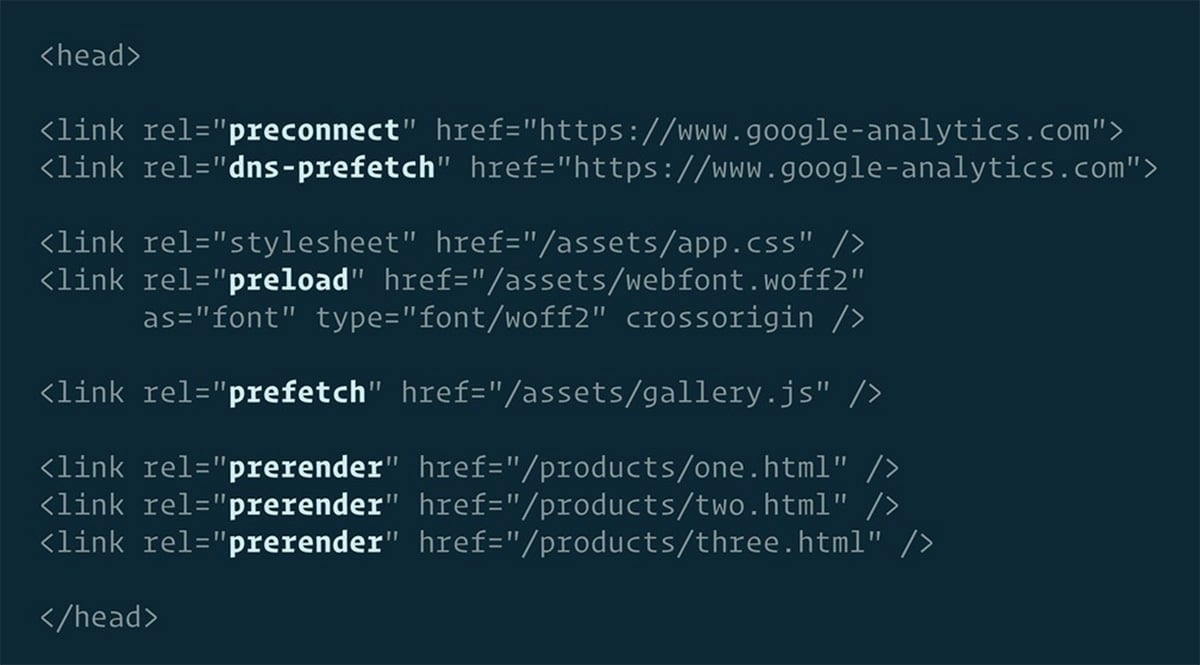
## Use Resource Hints with confidence
You’ve probably heard of *rel="preload"* multiple times by now, but do you know all types of resource hints and when to use them? In [his talk](https://speakerdeck.com/csswizardry/more-than-you-ever-wanted-to-know-about-resource-hints), [Harry Roberts](https://twitter.com/csswizardry) walks through leveraging resource hints to utilise them best.
[]()[More Than You Ever Wanted to Know About Resource Hints →](https://speakerdeck.com/csswizardry/more-than-you-ever-wanted-to-know-about-resource-hints)
#### case study
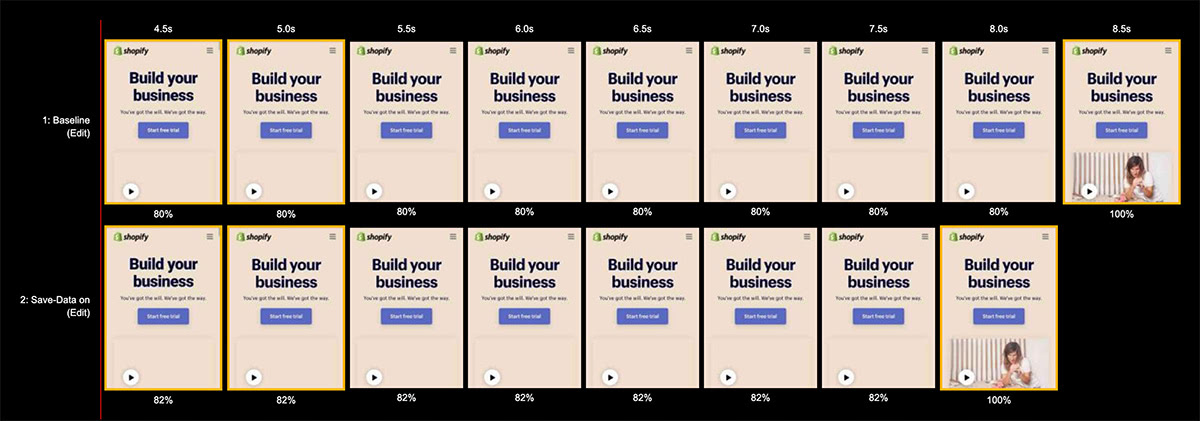
## Enable Save-Data to use a lighter version of Shopify
[Brendan Abbot](https://twitter.com/brend0), an engineer at Shopify, confirms that enabling Save Data features in your browser results in being served 13% less page weight when browsing Shopify’s site. I would love to see this approach being more widely adopted.
[]()[Save-Data Usage →](https://twitter.com/brend0/status/1166817897500618753?s=20)
#### case study
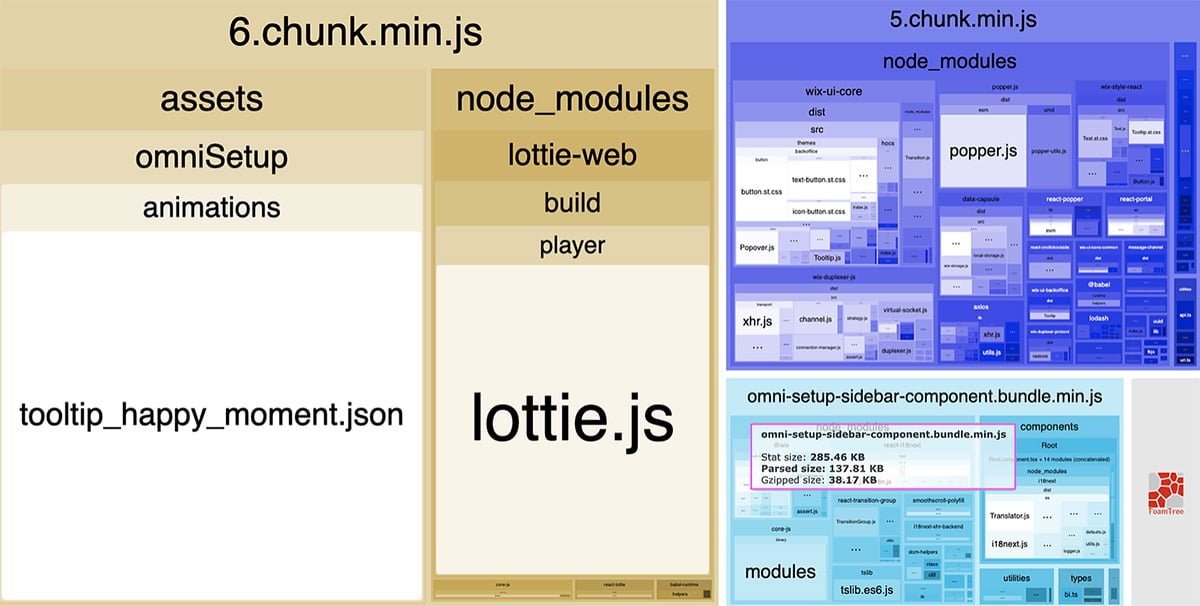
## Wix reduced their bundle size by 80%
I know, this sounds like clickbait, but you’d be surprised how much can be gained with effective usage of Bundlephobia. Here, [Eyal Eizenberg](https://twitter.com/EyalEizenberg) explains how he trimmed a significant amount of bloat off of Wix’s bundle, but not without issues.
[]()[Trim the Fat From Your Bundles Using Webpack Analyzer & React Lazy/Suspense →](https://www.wix.engineering/post/trim-the-fat-from-your-bundles-using-webpack-analyzer-react-lazy-suspense)
#### New in calibre
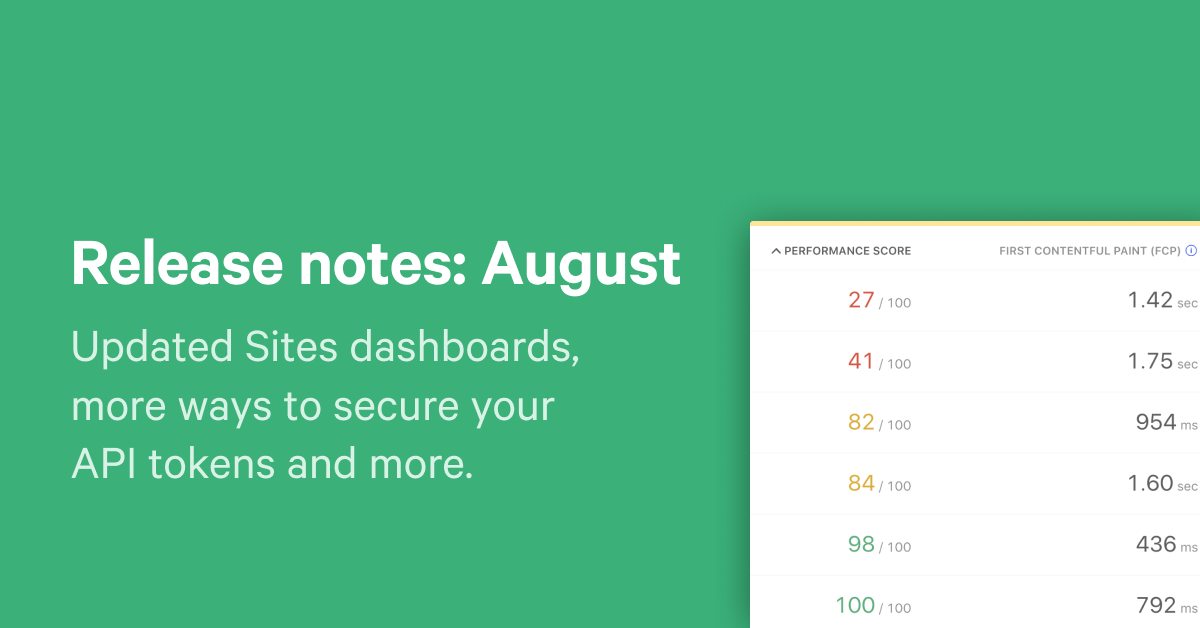
## What Calibre released last month
📚[**Release Notes: August**](https://calibreapp.com/blog/release-notes-aug-2019/)
Here’s our monthly roundup of what was released in August: new Sites summary view to focus on and sort crucial performance metrics, API token security upgrades and more.
🆕**A free Github Action for image compression: **compress your JPEGs and PNGs, on every pull request, automatically.
[]()
|
|
|
|
#### Spread the word about perf.email
We’d love to see more people reading
[perf.email](https://perf.email/); if you’d like to help—forward this email to a friend, tweet, or shout from a rooftop.
It goes a long way. ✌🏻
|
|