#### case study
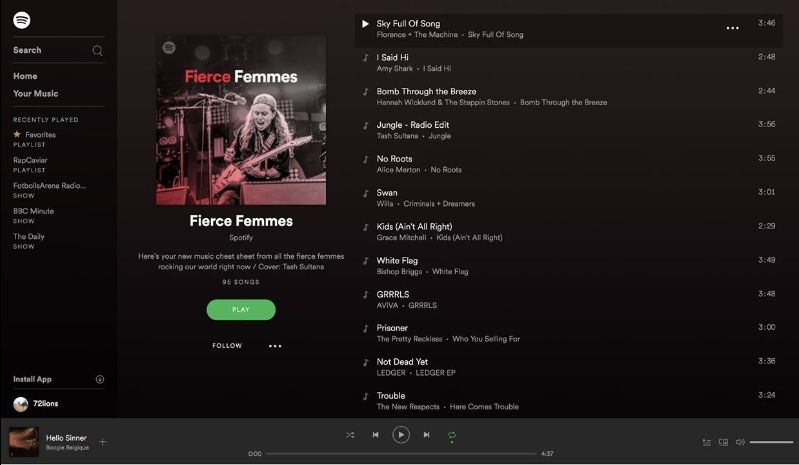
## Spotify have rebuilt their web player as a PWA
[José Pérez](https://twitter.com/jmperezperez) reflects on his team’s journey to rebuild the Spotify web player from scratch. It’s great to see a larger company launching a fantastic looking, new PWA, but it’s even better to hear this from José:
*”The simpler and faster web player outperformed the old player in all key metrics.”*
Love it.
[Building spotify's new web player →](https://labs.spotify.com/2019/03/25/building-spotifys-new-web-player/)
#### Browsers
##
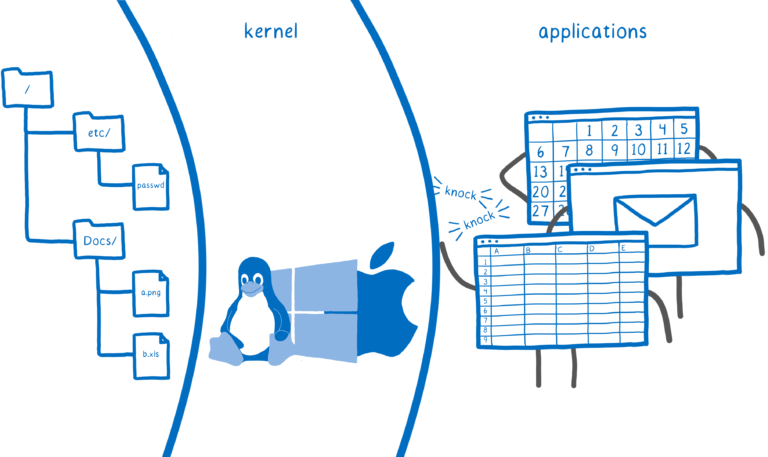
Standardisation of WASI, the Web Assembly System Interface
This week [Lin Clark](https://twitter.com/linclark) announced a new standardisation project for WASI, a WebAssembly system interface. It’s exciting to see how WebAssembly might be used outside of browser-based contexts.
[WASI CORE →](https://hacks.mozilla.org/2019/03/standardizing-wasi-a-webassembly-system-interface/)
#### open source

## Lucet: Fastly’s WebAssembly compiler and runtime
This week, [fastly](https://www.fastly.com/) announced **Lucet**, an exciting [open source project](https://github.com/fastly/lucet) that aims to take WebAssembly not only out of the browser, but to the cloud.
It seems that fastly wants to bring compute to the CDN layer (similar to [Amazon’s Lambda@edge](https://aws.amazon.com/lambda/edge/)), but they want to have the performance, security and extensibility required to make the next generation of super fast global compute baked in.
Lucet supports WASI, the aforementioned standardisation project. ✨It’ll be fascinating to see how the next 18 months plays out in both the serverless and edge compute spaces now that WASI is on the scene!
[ANNOUNCING LUCET →](https://www.fastly.com/blog/announcing-lucet-fastly-native-webassembly-compiler-runtime)
#### EXPERT PERSPECTIVE
##
[Katie Hempenius](https://twitter.com/katiehempenius), a Developer Programs Engineer on the Chrome Team regularly publishes fascinating performance information on [Twitter](https://twitter.com/katiehempenius). I’ve found myself clapping and air punching over the research she’s uncovered.
Here are some recent highlights:
- [A new `Purpose` HTTP header that tells the server when a request was initiated by preload.](https://twitter.com/katiehempenius/status/1073348256917274624)
- [How to discover what connection speeds people experience while browsing your site](https://twitter.com/katiehempenius/status/1105994273617596418).
- [Where mobile data is faster than fixed connections](https://twitter.com/katiehempenius/status/1098935167534669824).
… and plenty more. 👏
[FOLLOW KATIE ON TWITTER](https://twitter.com/katiehempenius) [→](https://twitter.com/katiehempenius)
#### Case study

## Improving Time to Interactive at Netflix
A while ago [Addy Osmani](https://twitter.com/addyosmani) wrote a deep-dive on Netflix’s sign up flow performance.** The most important metric? Time to Interactive.**
If you’re curious on how TTI directly affects user experience, this article will be an excellent food for thought.
[Time to Couch →](https://medium.com/dev-channel/a-netflix-web-performance-case-study-c0bcde26a9d9)
#### NEW in CALIBRE
## What Calibre released last month
**📚Release Notes: February.**
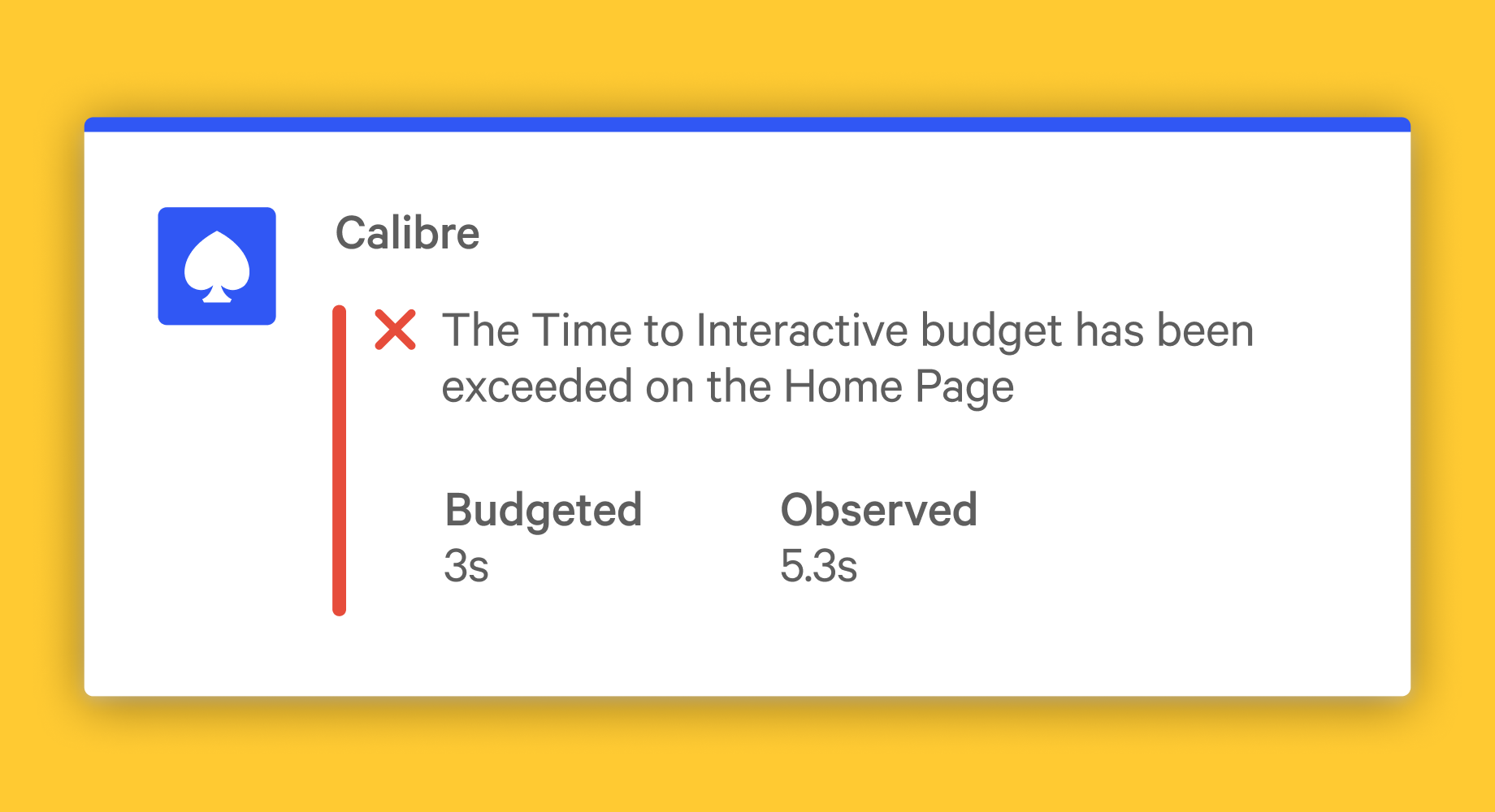
Here’s our monthly roundup of what was released in February—SAML SSO, significant updates to our command line client and Node.js API, moving averages for metrics and a whole bunch more.
**🤖We’ve built a Github action for Calibre automation.**
🖼**Our API now allows you to download images, videos and test artifacts!**
Stay tuned for more next month. ✌️